
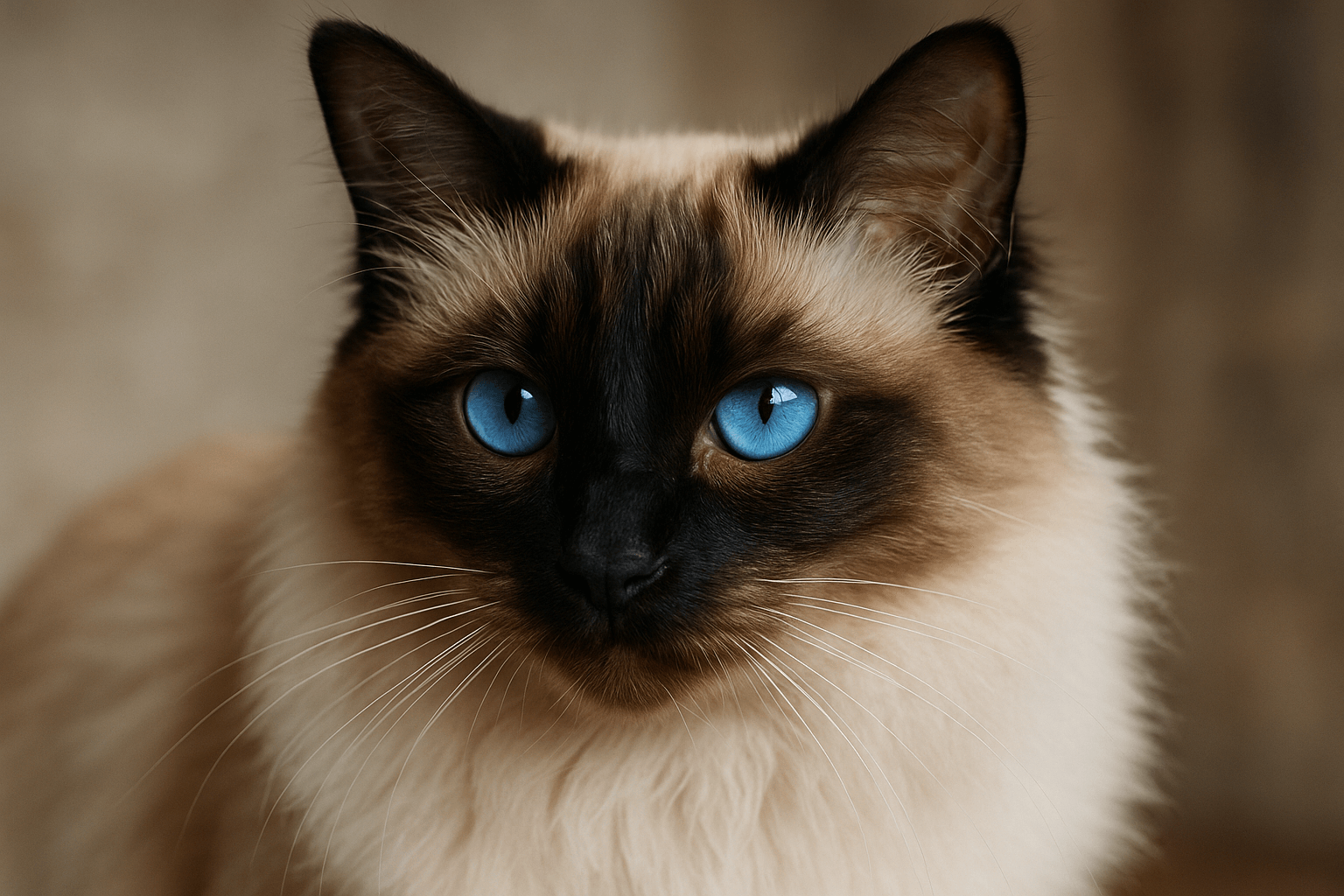
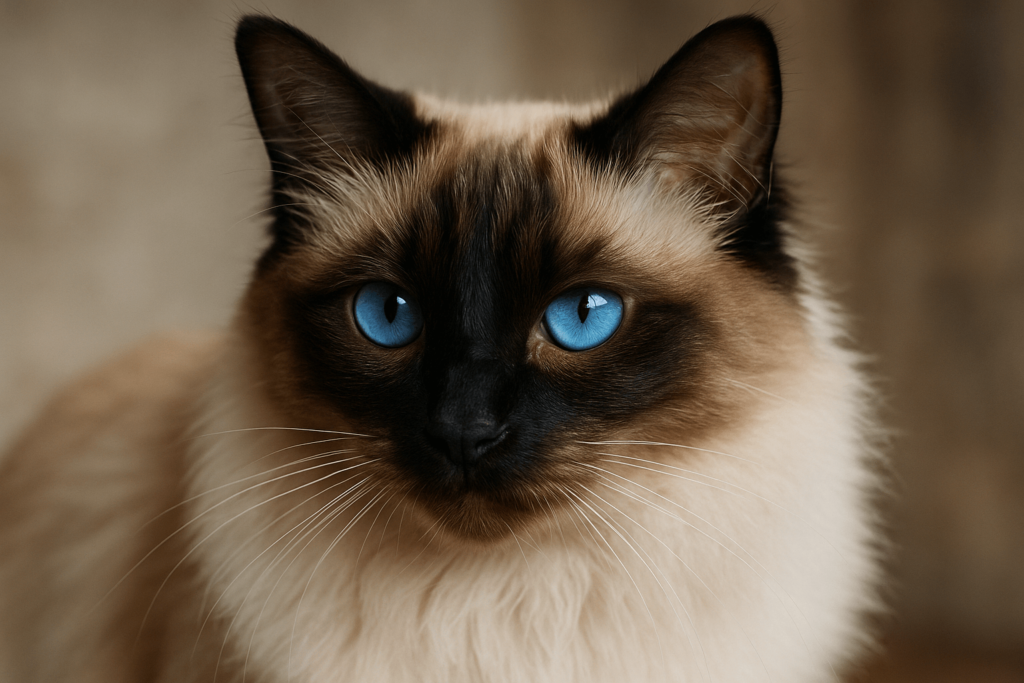

Balinese Siamese Cat: The Elegant Voice of the East
The Balinese and Siamese cat are more than just breeds — they’re living works of art. With their sapphire-blue eyes, sleek coats, and voices that seem crafted to command attention, these felines blend mystery, intelligence, and boundless affection into one unforgettable package. Often mistaken for one another, the Balinese is, in fact, the long-haired cousin of the iconic Siamese — a breed born from natural mutation and refined by devoted breeders. If you’ve ever been captivated by a cat that talks, follows you like a shadow, and curls into your lap with quiet intensity, you’ve met a Balinese or Siamese. This guide explores their origins, personalities, care needs, and why they remain among the most beloved companions in the feline world.
Why the Balinese and Siamese Are So Uniquely Connected
These two breeds share a lineage, a voice, and a soul — but understanding their bond unlocks deeper appreciation for each.
Shared Ancestry: Both trace back to the sacred temple cats of Siam (modern-day Thailand), selectively bred for their striking color points and vocal nature.
Identical Point Coloration: Whether short- or long-haired, both exhibit the same seal, blue, chocolate, and lilac point patterns — a genetic signature passed down through generations.
Same Vocal Personality: The Balinese didn’t inherit its voice — it inherited the Siamese’s legendary talkativeness, often described as “chatty,” “demanding,” and endlessly expressive.
Identical Body Structure: Sleek, muscular, and elegant, both breeds possess the same wedge-shaped head, large ears, and almond-shaped blue eyes that define their aristocratic look.
Temperament Twins: They’re equally social, intelligent, and emotionally attuned — often forming deep, almost symbiotic bonds with their humans.
The Balinese isn’t a separate species — it’s the Siamese’s poetic extension. One is the whisper, the other the song. Both are unforgettable.
The Physical Traits That Define the Balinese and Siamese
Appearance is where these breeds first steal your heart — but every detail serves a purpose, rooted in history and genetics.
Color Points: Darker extremities — ears, face, paws, and tail — contrast beautifully against their creamy bodies, a result of a temperature-sensitive gene.
Blue Almond Eyes: Their intense blue eyes aren’t just beautiful — they’re a hallmark of the breed, linked to the same gene that causes their pointed coat.
Sleek, Fine Coat: The Siamese has a short, glossy, satin-like coat that clings to their muscular frame. The Balinese carries the same texture — but longer, flowing, and silky.
Wedge-Shaped Head: A distinct, triangular head with large ears and a straight profile gives them an alert, intelligent expression that never fails to captivate.
Slender, Athletic Build: Both breeds are lightweight yet powerfully built — designed for agility, climbing, and graceful movement, not bulk or fluff.
Their beauty isn’t accidental. It’s evolution refined by centuries of selective breeding — and every curve, color, and whisker tells a story.
Check this guide 👉Lilac Point Balinese Cat: Best 7 Expert Tips!
Check this guide 👉Balinese Cat Personality: Best 7 Expert Tips!
Check this guide 👉Siamese Tuxedo Cat: Best 7 Expert Tips!
| Siamese Cat Traits | Balinese Cat Traits |
|---|---|
| Short, close-lying coat with glossy finish | Long, silky, plume-like tail and feathered legs |
| Typically weighs 8–12 lbs | Slightly lighter, 6–10 lbs on average |
| Coat requires minimal grooming | Weekly brushing prevents matting |
| More commonly found in shelters | Rarer, often from specialty breeders |
| Classic “modern” wedge head shape | Slightly more refined, elongated head |
Personality: The Chatty, Loyal, and Intense Companion
If you crave a quiet, aloof cat, look away. The Balinese and Siamese don’t do quiet.
They Talk — Constantly: From dawn to dusk, expect vocalizations ranging from chirps to loud, demanding meows — they’re not asking, they’re informing.
They Follow You Everywhere: Whether you’re in the bathroom, kitchen, or home office, they’ll be there — perched on your shoulder or curled on your keyboard.
They Form Deep Bonds: These cats don’t just like people — they attach. They sense moods, offer comfort, and can become anxious if left alone too long.
They’re Playful and Curious: Puzzle toys, feather wands, and climbing trees aren’t luxuries — they’re necessities to keep their brilliant minds engaged.
They’re Not for Everyone: Their need for attention can overwhelm those seeking independence. But for the right person, they’re the most loyal companion a cat can be.
This isn’t a pet. This is a partner. A confidant. A living, breathing, purring conversation.
Care Requirements: Keeping Your Balinese or Siamese Thriving
These cats may be elegant, but they demand thoughtful, consistent care to stay healthy and happy.
Grooming Needs: The Siamese needs a weekly brush; the Balinese requires 2–3 sessions weekly to prevent tangles and reduce shedding.
Dietary Sensitivity: Both breeds are prone to weight gain if overfed. High-protein, low-carb diets with measured portions are essential.
Mental Stimulation: Boredom leads to destructive behavior. Rotate toys, introduce window perches, and consider interactive feeders daily.
Veterinary Care: Regular check-ups are crucial. They’re genetically predisposed to dental disease and heart conditions like hypertrophic cardiomyopathy.
Environmental Enrichment: Provide vertical space — cat trees, shelves, window hammocks. These cats live in three dimensions, not two.
A Balinese or Siamese doesn’t just want to live with you — they want to thrive with you. Their health is a reflection of your commitment.
Common Health Concerns and How to Prevent Them
While generally robust, these breeds have specific vulnerabilities you should be prepared for.
Dental Disease: Plaque builds quickly. Brush teeth 2–3 times weekly and schedule annual cleanings.
Hypertrophic Cardiomyopathy (HCM): A hereditary heart condition. Ask breeders for genetic screening results and consider echocardiograms after age 3.
Respiratory Issues: Their flat faces (especially in modern Siamese) can lead to snoring or breathing difficulties. Avoid extreme brachycephalic breeding lines.
Photodermatitis: Light-colored skin under their points is sensitive to sun. Limit prolonged exposure to direct sunlight.
Obesity: Their high metabolism doesn’t mean they can’t gain weight. Measure meals. Avoid free-feeding. Keep them active.
Prevention isn’t optional. It’s how you honor their trust — and extend the years you have together.
Choosing Between a Balinese and a Siamese: Which Is Right for You?
The choice isn’t about which is better — it’s about which fits your lifestyle.
Choose the Siamese if: You want a low-maintenance coat, a more compact companion, and a cat that’s easier to find in shelters or rescues.
Choose the Balinese if: You adore flowing fur, don’t mind weekly grooming, and want the same personality with a touch of exotic elegance.
Choose the Siamese if: You live in a smaller space and prefer a cat that’s more adaptable to apartment living.
Choose the Balinese if: You enjoy the visual drama of a long-haired cat and don’t mind the occasional hair on your clothes.
Choose either if: You’re ready for a cat that talks, loves deeply, and will never let you forget you’re the center of their world.
Neither is “easier.” Both require emotional availability. But both offer unmatched companionship.
Myths About Balinese and Siamese Cats — Busted
Misconceptions abound. Let’s clear the air with facts.
Myth: They’re aggressive.
Truth: They’re vocal, not aggressive. Their “demanding” behavior is attention-seeking, not hostility.Myth: They only bond with one person.
Truth: While they often form a primary attachment, they usually adore everyone in the household — especially if included in routines.Myth: Balinese cats shed too much.
Truth: Their coat is silky and lacks an undercoat. They shed less than most long-haired breeds — just more than the Siamese.Myth: They’re high-strung and nervous.
Truth: They’re energetic and expressive, not anxious. A calm, predictable environment keeps them serene.Myth: They’re not good with kids or dogs.
Truth: With proper introduction, they thrive in multi-pet homes. Their intelligence lets them adapt quickly.
These cats are misunderstood — not flawed. Once you see past the noise, you’ll find profound loyalty.
Frequently Asked Questions About Balinese and Siamese Cats
Are Balinese cats hypoallergenic?
No breed is truly hypoallergenic, but Balinese cats produce less of the Fel d 1 protein than many others — making them a better choice for some allergy sufferers.
Do Siamese cats get lonely easily?
Yes. They’re social by nature and often develop separation anxiety if left alone for long hours. Consider a companion cat or interactive toys.
Why do Balinese cats have blue eyes?
The same gene responsible for their pointed coat color also affects eye pigmentation, resulting in the signature deep blue — a genetic hallmark of the breed.
Can Balinese cats live outdoors?
Not recommended. Their thin coat and trusting nature make them vulnerable to weather, predators, and traffic. Keep them indoors for safety and longevity.
How long do Balinese and Siamese cats live?
With proper care, both breeds commonly live 15–20 years — some even reach 22. Genetics, diet, and mental stimulation are key.
Embracing the Voice: Why a Balinese or Siamese Changes Everything
A Balinese or Siamese doesn’t just enter your home — they reshape it. Their presence is magnetic. Their voice, unforgettable. Their love, unwavering. They don’t just want to be near you — they want to be part of your rhythm, your laughter, your quiet moments. They’ll wake you with a nudge, greet you at the door, and curl into your lap like they’ve been waiting all day. They’re not pets. They’re family with fur.
To live with one is to understand the depth of feline intelligence — not as a curiosity, but as a companion. They teach you patience, presence, and the quiet power of being seen. You don’t own a Balinese or Siamese. You’re chosen by them.
Is Rawhide Bad for Cats? Best 7 Expert Tips! – Discover the risks, safe alternatives, and expert advice to keep your feline friend healthy and happy.

Is Rawhide Bad for Dogs? Best 7 Expert Tips! – Discover the risks, benefits, and safer alternatives to rawhides for your dog’s chewing needs.

Understanding Anorexia in Cats: Best 7 Expert Tips! – Learn why cats stop eating, spot warning signs, and discover how to help your feline regain appetite safely.

Understanding Anorexia in Dogs: Best 7 Expert Tips! – Learn causes, symptoms, and solutions to help your dog regain appetite and stay healthy.