

Are Cats Nocturnal? Best 7 Expert Tips!

Are Cats Nocturnal? Best 7 Expert Tips!

Are Cats Nocturnal? Understanding Your Feline’s Sleep Schedule

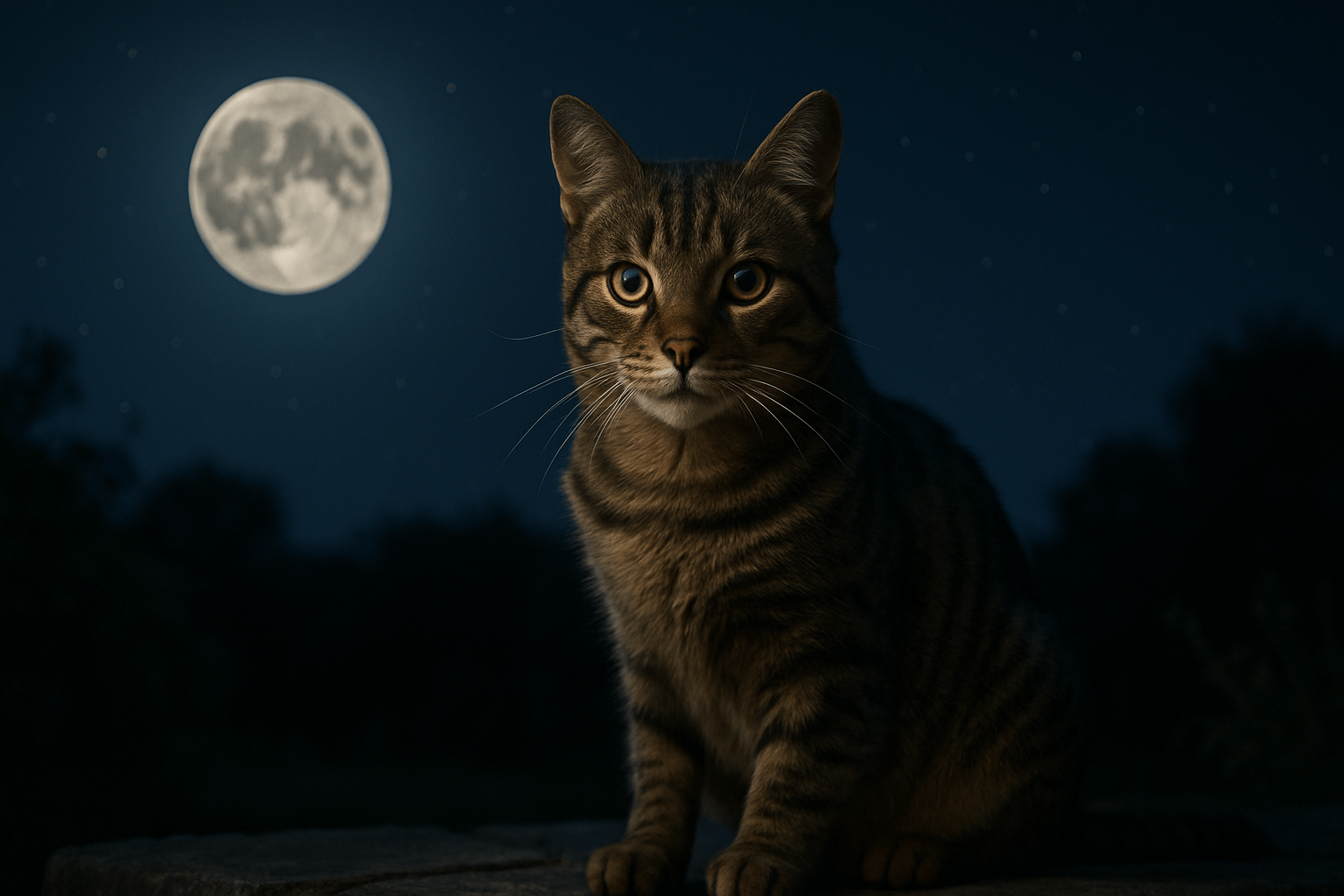
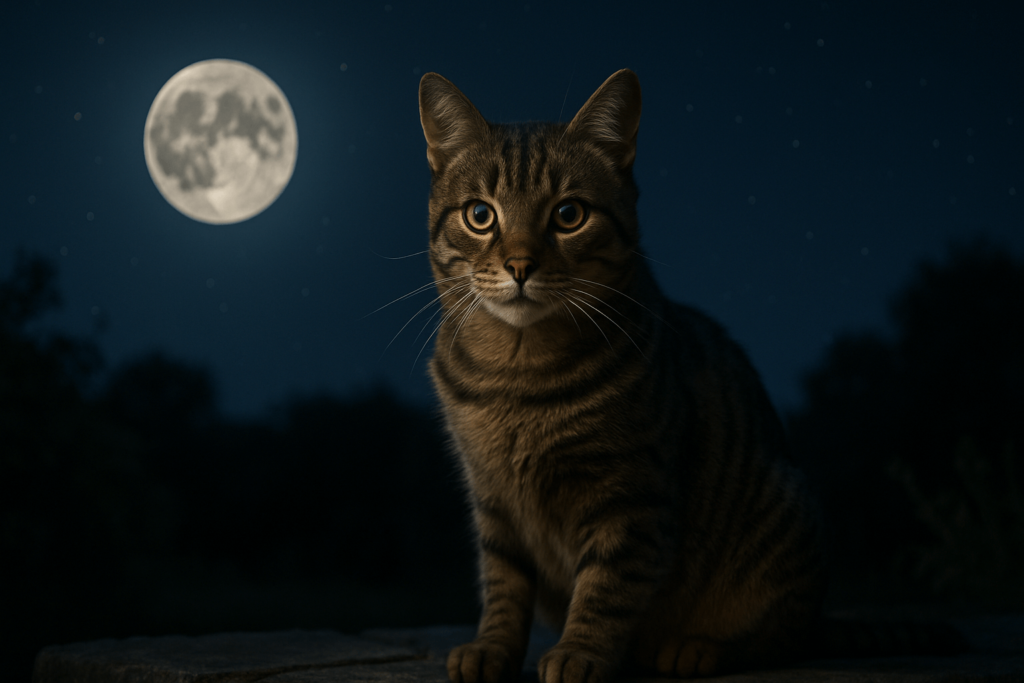
Cats have long been associated with the night—silent, watchful, and mysteriously active when the house falls quiet. But are they truly nocturnal? The answer is more nuanced than it seems. While your feline companion may zoom around at midnight or gently paw your face at 3 a.m., their activity pattern doesn’t fit neatly into the “nocturnal” category. Instead, cats are crepuscular, meaning they’re most active during dawn and dusk. Understanding this natural rhythm helps explain their behavior, reduce nighttime disruptions, and strengthen your bond. Let’s explore what science says—and how you can live harmoniously with your cat’s internal clock.

Debunking the Myth: Cats Are Not Fully Nocturnal

Many people assume cats are nocturnal because they often stir when humans are asleep. However, this is a common misconception. Unlike owls or bats, domestic cats don’t thrive in complete darkness. Their peak activity aligns with twilight hours—times when prey would historically be most vulnerable in the wild.

 
  • Crepuscular Nature:
    Cats are naturally crepuscular, with energy surges at sunrise and sunset—evolutionary adaptations for hunting small mammals and birds.

  • Adaptive Behavior:
    Indoor cats often adjust their schedules to match their human companions, blurring the line between instinct and learned routine.

  • Light Sensitivity:
    Cats have excellent low-light vision but still rely on some ambient light; they avoid pitch-black environments.

  • Predator Avoidance:
    Dawn and dusk offer cover from larger predators, making these times safer for hunting—a trait retained even in pampered house cats.

  • Circadian Influence:
    While influenced by light cycles, a cat’s internal clock can shift based on feeding times, play sessions, and household noise.


Recognizing that cats aren’t truly nocturnal—but rather crepuscular—helps owners set realistic expectations and create routines that align with feline biology.

Are Cats Nocturnal? Best 7 Expert Tips!

Why Your Cat Seems Nocturnal: Common Triggers

Even if cats aren’t biologically nocturnal, many household cats become active at night due to environmental and behavioral factors. These patterns are often shaped by daily routines—or the lack thereof.

 
  • Daytime Inactivity:
    Cats left alone all day with little stimulation often “catch up” on play and exploration at night.

  • Feeding Schedule:
    If meals occur in the evening, your cat may associate nighttime with opportunity and energy.

  • Boredom and Loneliness:
    Without toys, interaction, or enrichment, cats seek engagement when you’re finally still—like during sleep.

  • Lack of Daylight Exposure:
    Indoor cats with limited natural light may struggle to regulate their internal clock, leading to nighttime restlessness.

  • Learned Attention-Seeking:
    If your cat receives attention (even scolding) for nighttime antics, they’ll repeat the behavior.


While it may feel like your cat is defying the laws of sleep, their nighttime energy is usually a response to daytime conditions—not a sign they’re wired for the dark.

Crepuscular Traits Common Nighttime Triggers
Peak activity at dawn and dusk Boredom during daytime hours
Evolved for low-light hunting Evening feeding routines
Avoids total darkness Lack of interactive play
Uses ambient light for navigation Reinforced nighttime attention
Instinctual prey-driven timing Limited exposure to natural daylight

How to Reset Your Cat’s Internal Clock

You can’t change your cat’s biology—but you can gently influence their schedule through consistent routines and environmental cues. With patience, you can shift their peak activity to more convenient hours.

 
  • Schedule Evening Play Sessions:
    Engage your cat in 15–20 minutes of vigorous play right before bedtime to mimic a “hunt and rest” cycle.

  • Feed After Playtime:
    Offer their largest meal after play—this simulates the natural sequence of hunt, eat, groom, sleep.

  • Increase Daytime Stimulation:
    Use puzzle feeders, window perches, and interactive toys to keep them engaged while you’re away.

  • Expose to Morning Light:
    Open curtains at sunrise to help regulate their circadian rhythm through natural light cues.

  • Ignore Nighttime Demands:
    Avoid responding to meows or nudges at night—reinforcement only encourages repetition.


Over 1–2 weeks, most cats adapt to this new rhythm. Consistency is key; your cat is watching your habits more closely than you think.

Signs Your Cat’s Sleep Pattern Is Healthy

Not all nighttime activity is problematic. Some movement is normal—but certain signs indicate whether your cat’s schedule supports their well-being.

 
  • Regular Sleep Cycles:
    Cats typically sleep 12–16 hours daily, often in short naps—frequent but restful patterns are healthy.

  • Calm Demeanor During Day:
    A well-adjusted cat is relaxed, curious, and responsive during waking hours.

  • No Excessive Vocalization:
    Occasional night sounds are normal, but constant yowling may signal stress or medical issues.

  • Balanced Energy Levels:
    They should have bursts of playfulness without appearing hyperactive or lethargic.

  • Appetite and Grooming Consistency:
    Disrupted sleep due to pain or anxiety often affects eating and self-care routines.


If your cat’s behavior aligns with these indicators, their schedule—while perhaps inconvenient—is likely natural and healthy.

Medical or Behavioral Issues That Mimic Nocturnal Activity

Sometimes, what looks like “nocturnal behavior” is actually a sign of an underlying problem. Senior cats or those with health concerns may pace, vocalize, or seem restless at night.

 
  • Hyperthyroidism:
    Causes restlessness, increased appetite, and nighttime agitation—common in older cats.

  • Arthritis or Pain:
    Discomfort may worsen at night when the house is quiet, leading to pacing or vocalizing.

  • Cognitive Decline (Feline Dementia):
    Senior cats may become disoriented after dark, calling out or appearing lost.

  • Anxiety or Stress:
    Changes in the home (new pet, move, absence) can trigger nighttime insecurity behaviors.

  • Hunger or Thirst Imbalance:
    Inadequate daytime feeding or medical conditions like diabetes cause nighttime foraging.


If your cat suddenly changes sleep habits—especially if they’re over 10 years old—consult a veterinarian to rule out health concerns before assuming it’s just instinct.

Creating a Cat-Friendly Nighttime Environment

Instead of fighting your cat’s natural rhythm, design an environment that supports quiet, independent nighttime activity—so you both sleep better.

 
  • Provide a Nighttime Zone:
    Set up a cozy corner with a bed, toys, and water away from your bedroom.

  • Use Automated Toys:
    Motion-activated or timed toys can keep your cat entertained without waking you.

  • Install Nightlights:
    Soft lighting helps cats navigate safely without startling them in total darkness.

  • Offer Calming Aids:
    Feliway diffusers or pheromone collars can reduce anxiety-driven nighttime restlessness.

  • Ensure Litter Box Accessibility:
    A clean, easily reachable litter box prevents midnight accidents or loud digging sounds near your door.


A thoughtfully arranged space respects your cat’s instincts while protecting your sleep—no compromise needed.

“One of the biggest misconceptions about cats is in the idea that they are nocturnal, meaning most active after dark,” explains Stephen Quandt

Frequently Asked Questions About Cats and Sleep Patterns

Are cats nocturnal animals?

No—cats are crepuscular, meaning they’re most active at dawn and dusk, not during the middle of the night.

This “zoomies” behavior often results from daytime boredom, pent-up energy, or a misaligned internal clock—not true nocturnality.

Yes! By scheduling play and feeding before bedtime and avoiding nighttime interaction, most cats adjust within a few weeks.

Yes—kittens sleep up to 20 hours a day but have erratic energy bursts. Their schedule stabilizes around 6–12 months.

It’s safe if your cat is calm, but if they’re disruptive, it’s better to create a separate sleeping area to reinforce boundaries.

Embracing Your Cat’s Natural Rhythms

Understanding that cats aren’t truly nocturnal—but crepuscular—transforms how you view their midnight antics. Rather than a nuisance, their behavior is a window into an ancient survival strategy. With thoughtful adjustments to play, feeding, and environment, you can gently guide their energy toward more compatible hours—without stifling their instinct. The goal isn’t to eliminate their nature, but to harmonize it with your life. After all, a well-rested cat and a well-rested human make the happiest home.

Is Rawhide Bad for Cats? Best 7 Expert Tips!

Is Rawhide Bad for Cats? Best 7 Expert Tips! – Discover the risks, safe alternatives, and expert advice to keep your feline friend healthy and happy.

Is Rawhide Bad for Dogs? Best 7 Expert Tips!

Is Rawhide Bad for Dogs? Best 7 Expert Tips! – Discover the risks, benefits, and safer alternatives to rawhides for your dog’s chewing needs.

Understanding Anorexia in Cats: Best 7 Expert Tips!

Understanding Anorexia in Cats: Best 7 Expert Tips! – Learn why cats stop eating, spot warning signs, and discover how to help your feline regain appetite safely.

Understanding Anorexia in Dogs: Best 7 Expert Tips!

Understanding Anorexia in Dogs: Best 7 Expert Tips! – Learn causes, symptoms, and solutions to help your dog regain appetite and stay healthy.

Leave a Reply

Your email address will not be published. Required fields are marked *