
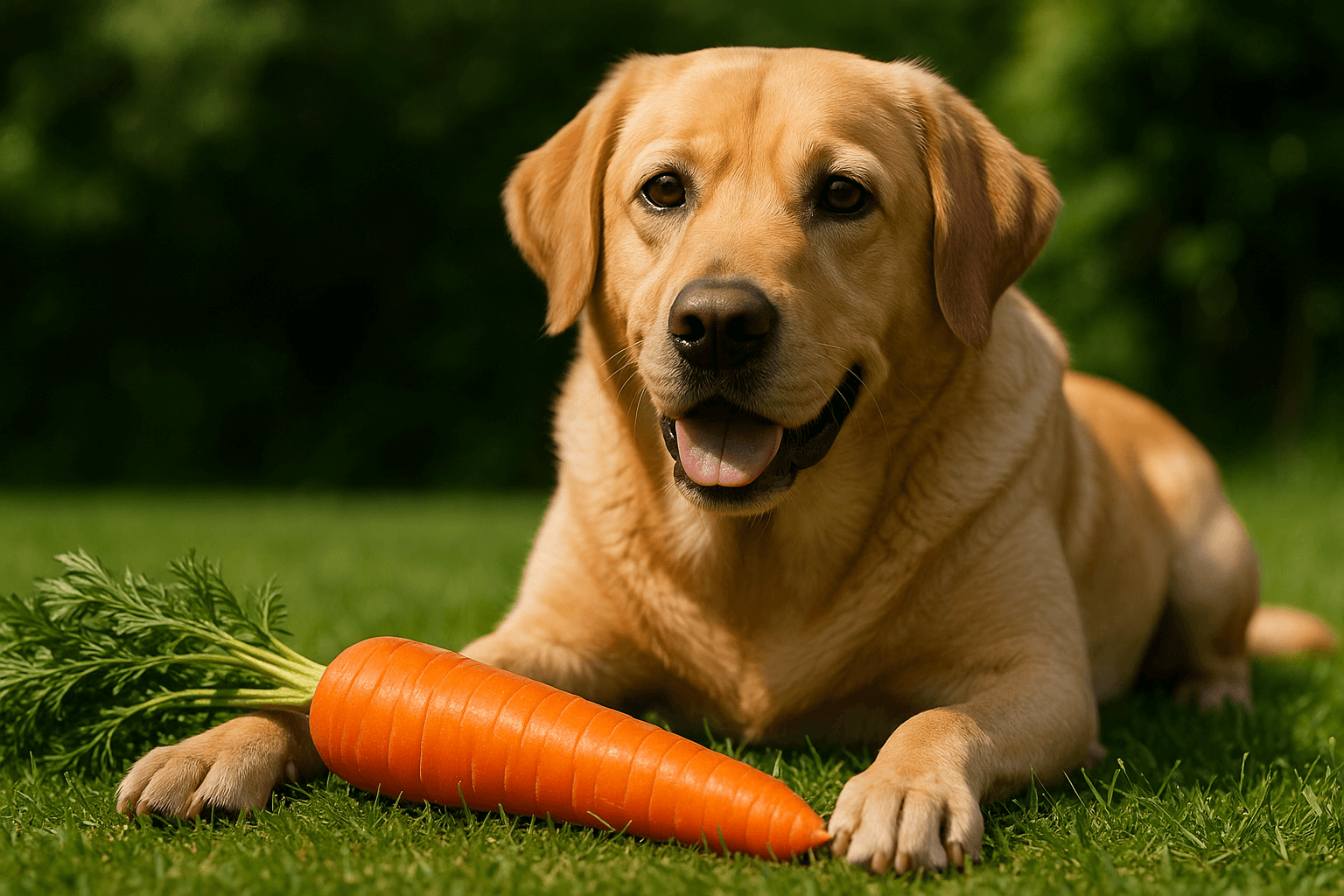

Are Carrots Good for Dogs?
You’ve probably seen your dog eye your snack with hopeful curiosity—and if that snack happens to be a carrot, you might wonder: is it safe? The good news is that carrots aren’t just safe for most dogs—they’re a nutritious, low-calorie treat packed with vitamins and fiber. Crunchy, naturally sweet, and easy to serve raw or cooked, carrots can support dental health, digestion, and even vision. But like any human food, they come with caveats about preparation and portion size. Let’s dig into everything you need to know before sharing your veggie stash with your furry friend.
Nutritional Benefits of Carrots for Dogs
Carrots are more than just a crunchy snack—they’re a powerhouse of nutrients that align well with canine dietary needs when offered in moderation. Their vibrant orange hue comes from beta-carotene, but that’s just the beginning of their pet-friendly perks.
- Rich in beta-carotene (vitamin A precursor):
Supports healthy vision, skin, and immune function—especially valuable for growing puppies and senior dogs. - High in dietary fiber:
Aids digestion and can help regulate bowel movements, making carrots useful for dogs with occasional constipation. - Low in calories and fat-free:
An excellent treat option for overweight dogs or those on calorie-controlled diets. - Natural source of vitamins K and C:
Vitamin K supports blood clotting, while vitamin C acts as an antioxidant to combat cellular stress. - Contains potassium and antioxidants:
Helps maintain nerve and muscle function while reducing inflammation over time.
While carrots shouldn’t replace balanced dog food, they’re a wholesome supplement that offers both flavor and functional benefits.
Safe Ways to Serve Carrots to Your Dog
How you prepare carrots matters almost as much as how often you give them. The right method ensures safety, digestibility, and maximum enjoyment.
- Raw, sliced into sticks:
Great for chewing and dental scraping—but always cut into bite-sized pieces to prevent choking, especially in small breeds. - Steamed or boiled (plain):
Softer and easier to digest for puppies, seniors, or dogs with sensitive stomachs; avoid butter, salt, or seasonings. - Frozen carrot chunks:
Perfect for teething puppies or as a cool summer treat—just supervise to avoid tooth damage from hard ice-like pieces. - Grated over meals:
Adds texture and nutrients to kibble without altering your dog’s regular diet dramatically. - In homemade dog treats:
Mixed into baked biscuits with oats or pumpkin for a healthy, homemade snack.
No matter the method, always introduce carrots gradually to monitor for digestive upset or allergies.
Check this guide 👉Can Dogs Eat Pear? Best 7 Expert Tips!
Check this guide 👉Can Dogs Eat Apple Skin? Best 7 Expert Tips!
Check this guide 👉Can Dogs Eat Brown Rice? Best 7 Expert Tips!
| Best Practices | Common Mistakes to Avoid |
|---|---|
| Cut into small, manageable pieces | Feeding whole baby carrots to small dogs |
| Serve plain—no salt, oil, or spices | Adding butter, garlic, or seasoning |
| Limit to 1–2 carrots per day max | Using carrots as a meal replacement |
| Introduce slowly over several days | Giving large amounts immediately |
| Choose organic when possible | Feeding wilted or moldy carrots |
Potential Risks and Side Effects
While carrots are generally safe, overfeeding or improper preparation can lead to issues—especially in dogs with certain health conditions.
- Choking hazard:
Whole or large carrot pieces can lodge in a dog’s throat, particularly in toy breeds or fast eaters. - Digestive upset:
Too much fiber too quickly may cause gas, bloating, or loose stools—even with healthy foods. - Vitamin A toxicity (rare):
Extremely high, consistent intake of beta-carotene over months could theoretically lead to excess vitamin A, though this is uncommon with food alone. - Blood sugar concerns:
Carrots have natural sugars—diabetic dogs should only have them under veterinary supervision. - Pesticide residue:
Non-organic carrots may carry chemicals; washing thoroughly or choosing organic reduces exposure.
As with any treat, moderation and mindfulness are key to keeping carrots a safe, positive addition to your dog’s diet.
Carrots for Specific Life Stages and Needs
Different dogs benefit from carrots in unique ways—whether they’re teething, aging, or managing weight.
- Puppies:
Frozen or steamed carrot pieces soothe sore gums during teething and provide safe chewing practice. - Senior dogs:
Soft-cooked carrots are gentle on aging teeth and support joint and eye health through antioxidants. - Overweight dogs:
Low-calorie carrot sticks make excellent replacements for high-fat commercial treats during training. - Dogs with dental issues:
Raw carrot crunching can help reduce plaque buildup—though it’s not a substitute for professional dental care. - Picky eaters:
Grated carrots add color, texture, and subtle sweetness to bland meals, encouraging appetite.
Tailoring how and when you offer carrots ensures they meet your dog’s individual needs—not just your snack routine.
What Not to Pair with Carrots
Even healthy foods can become problematic when mixed with the wrong ingredients. Keep these combos off your dog’s plate.
- Carrots with onions or garlic:
These are toxic to dogs—even small amounts in seasoned leftovers can cause anemia. - Carrot cake or baked goods:
Sugar, xylitol, raisins, and fats make human desserts dangerous, despite the carrot content. - Carrots in creamy soups or stews:
Dairy, salt, and spices commonly found in these dishes can trigger pancreatitis or GI upset. - Carrot juice with added sugar:
Concentrated sugars and lack of fiber make juice less safe than whole carrots. - Carrots mixed with grapes or raisins:
Never combine safe foods with known toxins—even one grape can cause kidney failure.
When in doubt, serve carrots solo—plain, simple, and safe.
How Carrots Compare to Other Dog-Safe Veggies
Carrots aren’t the only veggie on the menu—but they hold unique advantages worth noting.
- Vs. green beans:
Both are low-calorie, but carrots offer more vitamin A, while green beans provide more protein and iron. - Vs. sweet potatoes:
Sweet potatoes are higher in calories and carbs—great for energy, but less ideal for weight management than carrots. - Vs. broccoli:
Broccoli contains isothiocyanates that can irritate a dog’s gut in large amounts; carrots are gentler. - Vs. celery:
Celery is hydrating and crunchy but lacks the beta-carotene punch that makes carrots vision-friendly. - Vs. pumpkin:
Pumpkin excels for digestive regulation (especially diarrhea), while carrots support long-term eye and skin health.
Rotating safe vegetables gives your dog a broader nutrient profile—carrots are a standout, but not the only star.
Creative Ways to Include Carrots in Your Dog’s Routine
Beyond snack time, carrots can enhance meals, training, and enrichment in fun, practical ways.
- Stuffed in puzzle toys:
Chilled carrot sticks or grated bits add flavor and mental stimulation to slow-feeders or Kongs. - Mixed into bone broth ice cubes:
Combine pureed carrots with dog-safe broth for a nutrient-rich frozen treat. - Used as training rewards:
Small, crisp pieces are perfect for positive reinforcement without adding excess calories. - Added to homemade dog food:
Balanced DIY meals often include steamed carrots for color, fiber, and micronutrients. - Buried in snuffle mats:
Encourages natural foraging behavior while delivering a healthy payoff.
With a little creativity, carrots become more than food—they’re tools for engagement, wellness, and joy.
“Yes, dogs can eat carrots. In fact, not only is this vegetable safe, but it also can serve as a healthy, low-calorie snack for your pets.”
— Randa Kriss
Frequently Asked Questions
Can puppies eat carrots?
Yes—steamed or frozen carrot pieces are excellent for teething puppies, but always cut them small and supervise closely.
How many carrots can a dog eat per day?
As a general rule, 1–2 baby carrots or ½ a large carrot daily is safe for most medium to large dogs; adjust for size and caloric needs.
Are cooked carrots better than raw for dogs?
Cooked carrots are easier to digest, especially for seniors or dogs with sensitive stomachs, but raw carrots offer dental benefits.
Do carrots help clean dogs’ teeth?
Chewing raw carrots can reduce plaque buildup through mechanical action—but they don’t replace brushing or professional cleanings.
Can carrots cause orange poop in dogs?
Yes! Excess beta-carotene may tint stool orange temporarily—it’s harmless and resolves when carrot intake is reduced.
Final Thoughts – A Simple Snack with Big Benefits
Carrots may seem humble, but they’re a nutritional gem in your dog’s diet—offering crunch, care, and a touch of sweetness without the guilt. When served safely and in sensible portions, they support everything from vision to digestion, all while satisfying your dog’s urge to chew and explore new flavors. Best of all, they’re affordable, widely available, and easy to prepare. So next time you’re prepping dinner, save a stick or two for your pup—you’ll be giving more than a treat; you’ll be sharing a bite of wellness.
Is Rawhide Bad for Cats? Best 7 Expert Tips! – Discover the risks, safe alternatives, and expert advice to keep your feline friend healthy and happy.

Is Rawhide Bad for Dogs? Best 7 Expert Tips! – Discover the risks, benefits, and safer alternatives to rawhides for your dog’s chewing needs.

Understanding Anorexia in Cats: Best 7 Expert Tips! – Learn why cats stop eating, spot warning signs, and discover how to help your feline regain appetite safely.

Understanding Anorexia in Dogs: Best 7 Expert Tips! – Learn causes, symptoms, and solutions to help your dog regain appetite and stay healthy.