
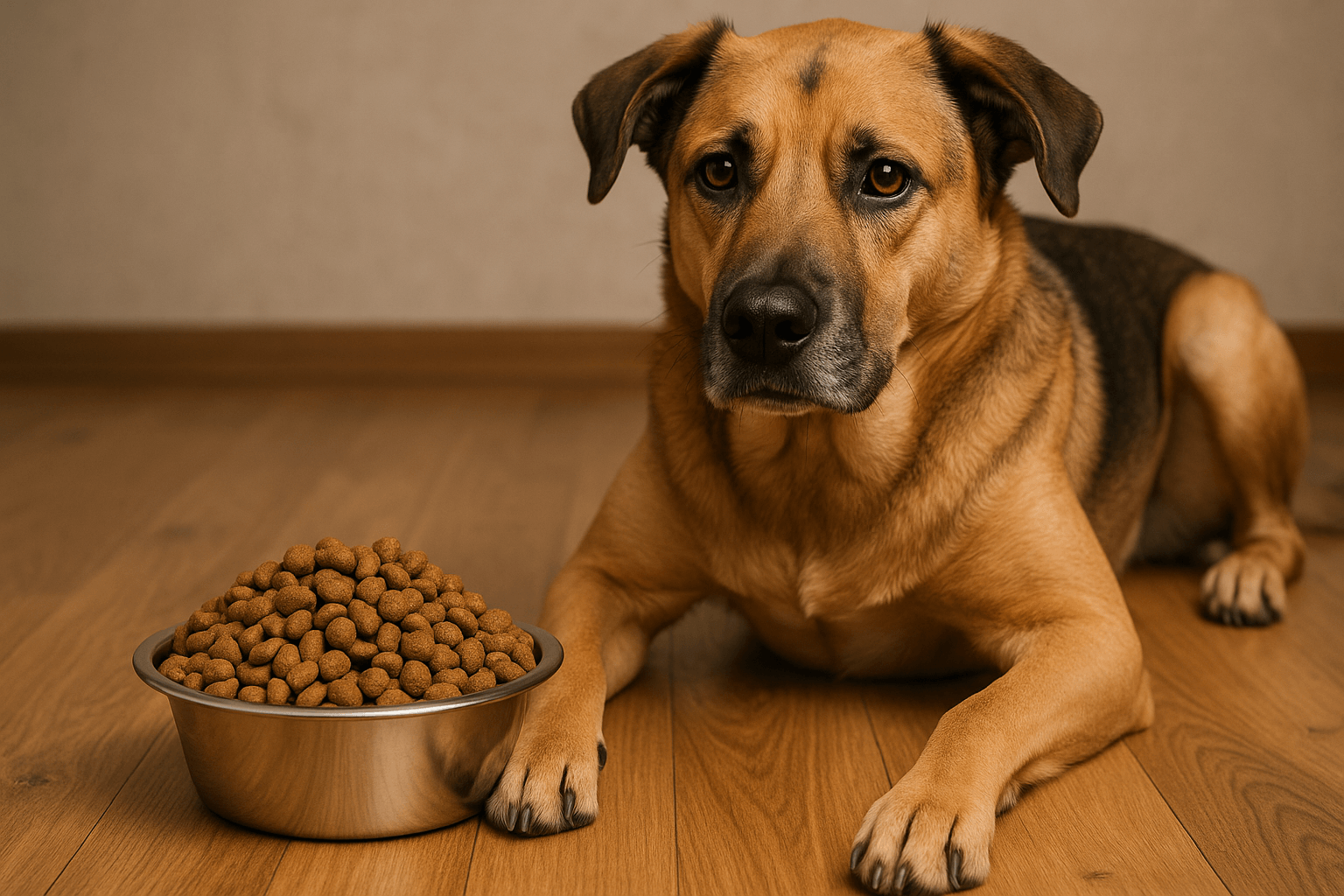
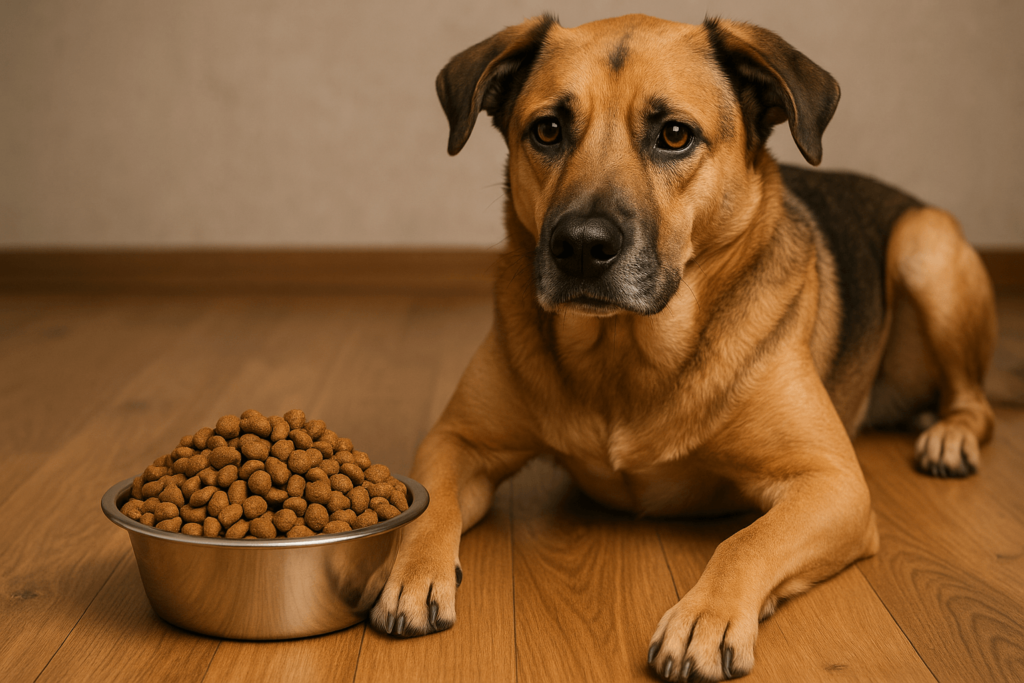

How Much Food for a 50 lb Dog? Best 7 Expert Tips!

How Much Food for a 50 lb Dog? Best 7 Expert Tips!

How Much Food for a 50 lb Dog?

Feeding your 50-pound dog the right amount isn’t just about filling a bowl—it’s about fueling health, energy, and longevity. While “one cup twice a day” might work for one pup, it could leave another sluggish or overweight. A dog’s ideal food intake depends on age, activity level, metabolism, and the nutritional quality of the food itself. In this guide, we’ll demystify portion sizes, help you read labels like a pro, and share practical tips to keep your medium-sized companion thriving. Because when it comes to your dog’s diet, precision beats guesswork every time.

Factors That Influence Daily Food Needs


There’s no universal “one-size-fits-all” answer to how much a 50-pound dog should eat. Many variables shape their caloric requirements—and overlooking them can lead to underfeeding or unwanted weight gain.

 
  • Life stage:
    Puppies, adults, and seniors have vastly different energy demands; a 50 lb adult needs far fewer calories than a growing adolescent of the same weight.
     
  • Activity level:
    A hiking buddy or agility dog burns significantly more calories than a couch-loving companion—and needs more food to match.
     
  • Metabolism and breed:
    Some breeds naturally have faster or slower metabolisms; working breeds often need more fuel per pound than toy or giant breeds at the same weight.
     
  • Neutering status:
    Spayed or neutered dogs typically have a 20–30% lower metabolic rate, requiring fewer calories to maintain a healthy weight.
     
  • Health conditions:
    Thyroid issues, diabetes, or digestive disorders can dramatically alter nutritional needs—always consult a vet for personalized guidance.
 

Understanding these nuances ensures your dog gets just enough food—not too little, not too much.

How Much Food for a 50 lb Dog? Best 7 Expert Tips!

General Calorie Guidelines for a 50 lb Dog


While individual needs vary, veterinary nutritionists offer general calorie ranges as a starting point. For a healthy, moderately active 50-pound adult dog, daily caloric intake typically falls within a predictable window.

 
  • Estimated daily calories:
    Most 50 lb dogs need between 900 and 1,300 calories per day—split into two meals for better digestion and blood sugar stability.
     
  • Puppy needs (if 50 lbs at growth stage):
    Growing puppies may require up to 1,800 calories—but only until they reach full size, usually by 12–18 months.
     
  • Senior or low-activity dogs:
    Older or sedentary 50 lb dogs may thrive on as little as 800–950 calories daily to prevent weight gain.
     
  • High-performance or working dogs:
    Active sporting or farm dogs of this weight can need 1,500+ calories, especially in cold weather or during intense training.
     
  • Calorie density matters:
    Premium kibble may pack 400+ calories per cup, while light formulas offer 250–300—always check the label before scooping.
 

Use these numbers as a baseline, then adjust based on your dog’s body condition and energy levels.

Signs You’re Feeding the Right Amount Warning Signs of Over- or Underfeeding
Visible waistline when viewed from above Ribs buried under fat or impossible to feel
Steady, healthy energy levels Lethargy or excessive panting during walks
Consistent, firm stools Chronic diarrhea or constipation
Maintains ideal weight month to month Ribs or spine too prominent or sharp
Shiny coat and clear eyes Constant begging or food aggression

How to Measure Food Accurately


Guessing with a “handful” or topping off the bowl leads to inconsistent intake. Precision starts with proper measuring—and a few simple habits.

 
  • Use a standard measuring cup or kitchen scale:
    Food density varies; a scale (in grams) is most accurate, especially for calorie-controlled diets.
     
  • Avoid “free feeding”:
    Leaving food out all day makes portion control impossible and can encourage overeating or obesity.
     
  • Stick to scheduled meals:
    Two meals per day help regulate digestion, prevent bloat in deep-chested breeds, and make monitoring intake easier.
     
  • Account for treats:
    Treats should make up no more than 10% of daily calories—subtract their calories from the main meal if needed.
     
  • Record changes in a feeding log:
    Note weight, energy, and stool quality weekly to spot trends and adjust portions proactively.
 

Accurate measuring isn’t fussy—it’s foundational to long-term health.

Adjusting Portions Based on Body Condition


The best way to fine-tune your dog’s food amount is by regularly assessing their body condition score (BCS)—a visual and tactile guide to healthy weight.

 
  • Ideal BCS (4–5 on a 9-point scale):
    You should easily feel ribs with light pressure, see a tucked abdomen, and notice a visible waist behind the ribs.
     
  • If overweight (BCS 6+):
    Reduce daily food by 10%, increase activity, and re-evaluate in 2–3 weeks—never crash diet.
     
  • If underweight (BCS 3 or below):
    Increase food by 10–15% or switch to a higher-calorie formula, especially for seniors or picky eaters.
     
  • Seasonal adjustments:
    Dogs may need slightly more food in winter (for warmth) and less in summer (lower activity, heat sensitivity).
     
  • Post-illness or surgery:
    Appetite and needs may shift temporarily; follow your vet’s feeding recommendations closely.
 

Your hands and eyes are powerful tools—use them weekly to keep your dog in the healthy zone.

Common Feeding Mistakes to Avoid


Even loving owners can accidentally sabotage their dog’s nutrition with well-meaning but flawed habits.

 
  • Following package guidelines blindly:
    Bag recommendations are averages—they often overestimate needs for inactive or neutered dogs.
     
  • Switching foods too abruptly:
    Sudden diet changes can cause GI upset; transition over 7–10 days by mixing increasing amounts of new food.
     
  • Feeding table scraps regularly:
    Human food is often too fatty, salty, or toxic (e.g., onion, garlic)—stick to dog-safe treats in moderation.
     
  • Ignoring life stage changes:
    Continuing puppy food into adulthood floods your dog with excess calories and calcium.
     
  • Using food as the primary source of affection:
    Love shouldn’t come from the treat jar—opt for play, walks, or cuddles instead.
 

Small corrections in feeding habits can prevent big health problems down the road.

Special Considerations for Active or Working 50 lb Dogs


If your 50-pound dog spends hours hiking, herding, or competing in sports, their nutritional needs shift dramatically.

 
  • Increase calorie intake by 25–50%:
    High-output dogs burn fuel fast—opt for performance or active-life formulas with higher fat and protein.
     
  • Hydration is critical:
    Active dogs need constant access to fresh water, especially in heat or during endurance events.
     
  • Time meals around activity:
    Avoid feeding within 1–2 hours before intense exercise to reduce bloat risk; refuel within 2 hours after.
     
  • Add healthy fats for stamina:
    Fish oil or coconut oil (vet-approved) can support endurance and coat health during heavy training.
     
  • Monitor weight weekly:
    Even active dogs can lose too much weight—adjust portions if muscle mass declines or energy drops.
 

Fueling performance isn’t indulgence—it’s responsible care for a hardworking companion.

Long-Term Strategies for Healthy Weight Maintenance


Once you’ve found the right portion, consistency and monitoring keep your dog on track for years to come.

 
  • Weigh your dog monthly:
    Use a pet scale or weigh yourself holding your dog, then subtract your weight—track trends over time.
     
  • Rotate foods thoughtfully:
    Variety can prevent sensitivities, but always choose nutritionally complete, AAFCO-approved options.
     
  • Prioritize protein quality:
    Look for named animal proteins (e.g., “chicken,” not “meat meal”) as the first ingredient for optimal health.
     
  • Engage in daily movement:
    Even 30 minutes of walking helps regulate metabolism and supports digestive health.
     
  • Schedule annual vet wellness checks:
    Blood work and body condition assessments catch subtle changes before they become problems.
 

Consistent habits today build a vibrant, active dog for tomorrow.

“For adult dogs weighing 36–50 pounds, most complete-and-balanced diets recommend 2⅓–3 cups per day, adjusted for activity level and life stage.” Jennifer Coates, DVM

Frequently Asked Questions

How many cups of food should a 50 lb dog eat per day?

It depends on the food’s calorie density, but most 50 lb dogs eat between 2 and 3 cups of standard kibble daily—always check the label and adjust for your dog’s needs.

Twice daily is ideal for most dogs—it aids digestion, stabilizes blood sugar, and reduces bloat risk in susceptible breeds.

No. Human food is often unbalanced and can be toxic. Stick to complete dog food and use dog-safe treats sparingly.

Run your hands along their ribcage—you should feel ribs easily with light pressure but not see them prominently. A visible waist and tucked abdomen are also key signs.

Not necessarily. Often, simply reducing the current food portion by 10–15% works better than switching formulas, which can disrupt digestion.

Final Thoughts – Precision Feeding, Lifelong Health


Figuring out how much food for a 50 lb dog isn’t about rigid rules—it’s about responsive, informed care. By tuning into your dog’s energy, body condition, and lifestyle, you can tailor their diet with confidence. Remember: every meal is an opportunity to support their joints, coat, digestion, and overall vitality. With consistent portions, quality ingredients, and a little observation, you’re not just filling a bowl—you’re fueling a happy, healthy life. And that’s the kind of love that truly nourishes.

Is Rawhide Bad for Cats? Best 7 Expert Tips!

Is Rawhide Bad for Cats? Best 7 Expert Tips! – Discover the risks, safe alternatives, and expert advice to keep your feline friend healthy and happy.

Is Rawhide Bad for Dogs? Best 7 Expert Tips!

Is Rawhide Bad for Dogs? Best 7 Expert Tips! – Discover the risks, benefits, and safer alternatives to rawhides for your dog’s chewing needs.

Understanding Anorexia in Cats: Best 7 Expert Tips!

Understanding Anorexia in Cats: Best 7 Expert Tips! – Learn why cats stop eating, spot warning signs, and discover how to help your feline regain appetite safely.

Understanding Anorexia in Dogs: Best 7 Expert Tips!

Understanding Anorexia in Dogs: Best 7 Expert Tips! – Learn causes, symptoms, and solutions to help your dog regain appetite and stay healthy.

Leave a Reply

Your email address will not be published. Required fields are marked *