

How Does a Cat Get Distemper?
Feline distemper is a serious and often misunderstood disease that can strike quickly and with devastating consequences. Despite its name, it has nothing to do with canine distemper—it’s caused by a highly contagious parvovirus specific to cats. Understanding how your cat can contract this illness is the first step toward prevention and protection. This guide breaks down the transmission routes, risk factors, symptoms, and essential safeguards every cat owner should know.
What Exactly Is Feline Distemper?
Feline distemper—clinically known as feline panleukopenia—is a life-threatening viral illness caused by Feline Parvovirus (FPV). It attacks rapidly dividing cells, especially in the bone marrow, intestines, and developing fetuses. The virus is incredibly resilient and can survive in the environment for over a year, making exposure more common than many realize.
Extreme Environmental Resilience:
FPV can linger on surfaces like floors, bedding, food bowls, and even human clothing for months to years without proper disinfection.High Contagiousness:
Just a tiny amount of viral particles—often invisible—can infect a susceptible cat, especially unvaccinated kittens under one year old.Rapid Onset:
Symptoms can appear within 2–7 days of exposure, and without prompt veterinary care, mortality rates can exceed 90% in untreated kittens.Zoonotic Myth Clarification:
While terrifying, feline distemper cannot infect humans, dogs, or other non-feline animals—only members of the cat family are at risk.Global Presence:
The virus exists worldwide, and outbreaks can occur even in well-maintained homes or shelters if biosecurity measures lapse.
This virus doesn’t discriminate—it can affect any unvaccinated cat, regardless of lifestyle. Knowing how it spreads is your best defense.
Common Ways Cats Contract Distemper
Cats typically get distemper through direct or indirect contact with infected animals or contaminated environments. Because the virus is shed in massive quantities through feces, urine, saliva, and nasal secretions, exposure can happen in subtle, unexpected ways.
Contact with Infected Cats:
Even brief interaction with a sick or recently recovered cat can transmit the virus, as shedding can continue for weeks after symptoms fade.Contaminated Objects (Fomites):
Litter boxes, toys, grooming tools, or even your shoes can carry the virus into your home if you’ve been near an infected environment.Exposure at Shelters or Catteries:
High-density settings increase risk due to close quarters and shared resources—even vaccinated adults can unknowingly carry the virus on their fur.Flea Vectors:
Fleas that have fed on an infected cat can mechanically transfer the virus to another cat during a bite or grooming.Maternal Transmission:
Pregnant cats infected with FPV can pass the virus to unborn kittens, leading to stillbirth, cerebellar hypoplasia, or neonatal death.
Even indoor-only cats aren’t immune. A single unwashed bag of pet food, a visitor’s jacket, or a brief escape outdoors can introduce the virus. Vigilance matters more than lifestyle.
Check this guide 👉Understanding the Distemper Vaccine for Cats: Best 7 Tips!
Check this guide 👉Deadly Cat Diseases and Symptoms: Best 7 Expert Tips!
Check this guide 👉Understanding Panleukopenia in Cats: Best 7 Expert Tips!
| How Cats Get Distemper | Key Risk Factors |
|---|---|
| Direct contact with infected cats | Unvaccinated status (especially kittens) |
| Exposure to contaminated surfaces | Age under 1 year |
| Infection via fleas or insects | Weakened immune system |
| Maternal transmission in utero | Living in multi-cat or shelter environments |
| Indirect human-mediated transfer | Lack of proper disinfection protocols |
Signs Your Cat May Have Distemper
Early recognition of symptoms can be the difference between life and death. Feline distemper progresses rapidly, and delays in treatment drastically reduce survival chances.
Sudden Lethargy:
Your normally playful cat may hide, refuse interaction, and appear weak or disoriented.Vomiting and Diarrhea:
Severe, often bloody diarrhea and repeated vomiting lead to rapid dehydration and shock.High Fever Followed by Hypothermia:
Initial fever may give way to dangerously low body temperature as the condition worsens.Loss of Appetite and Dehydration:
Cats may stop eating entirely, with sunken eyes, dry gums, and poor skin elasticity.Neurological Symptoms (in rare cases):
Tremors, lack of coordination, or seizures can occur if the virus affects the nervous system.
If you notice any of these signs—especially in an unvaccinated kitten—seek emergency veterinary care immediately. Time is critical.
How Distemper Affects a Cat’s Body
Once inside the body, FPV targets cells that divide quickly, crippling essential systems and leaving the cat vulnerable to secondary infections.
Bone Marrow Suppression:
The virus destroys white blood cells, leading to panleukopenia (dangerously low white blood cell count), which compromises immunity.Intestinal Lining Damage:
Ulceration and sloughing of the gut lining cause severe diarrhea, malabsorption, and bacterial leakage into the bloodstream.Dehydration and Electrolyte Imbalance:
Fluid loss from vomiting and diarrhea disrupts heart function and organ perfusion.Fetal Infection in Pregnant Cats:
If infection occurs during gestation, kittens may be born with cerebellar hypoplasia, causing permanent balance and coordination issues.Systemic Shock:
Without aggressive supportive care, cats can go into septic or hypovolemic shock within 48–72 hours of symptom onset.
This isn’t just a stomach bug—it’s a systemic collapse. Survival depends on intensive veterinary intervention.
Vaccination: The Best Defense Against Distemper
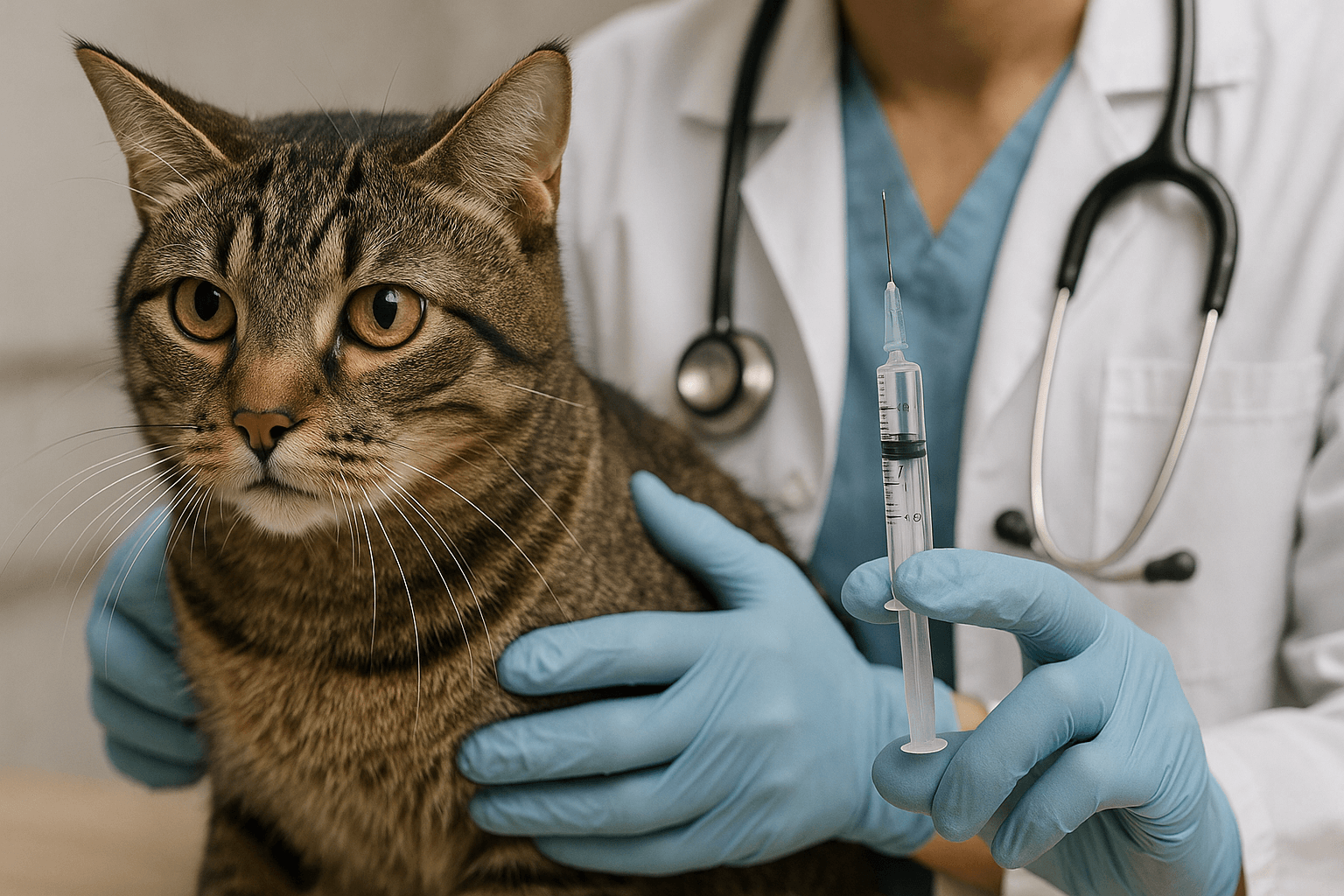
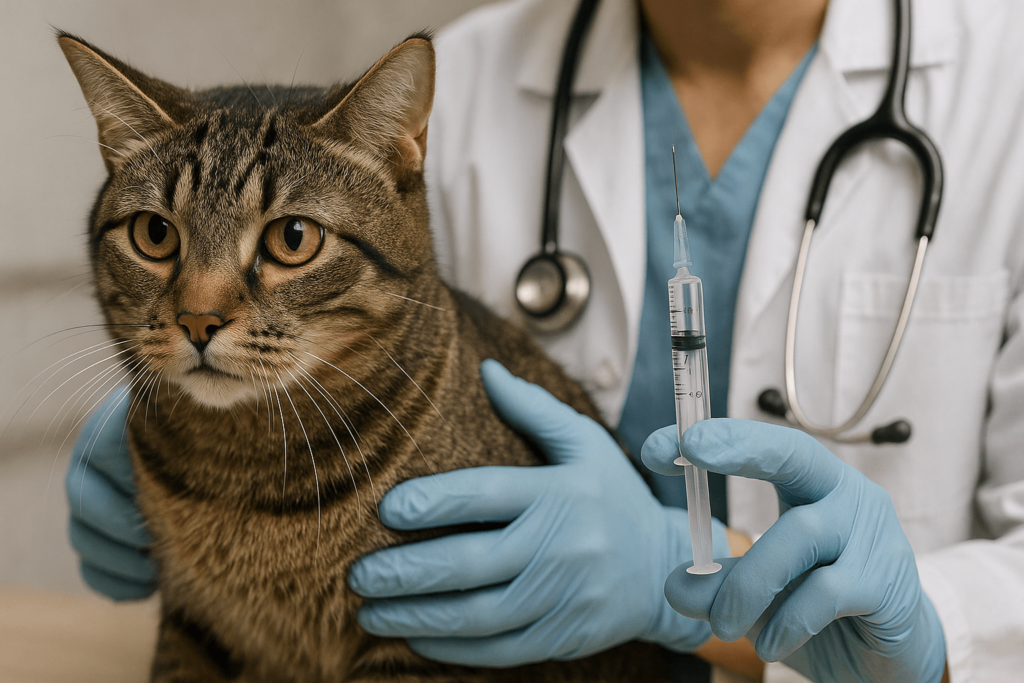
Vaccination remains the single most effective way to prevent feline distemper. The FPV vaccine is considered a core vaccine by veterinary associations worldwide.
Core Vaccine Status:
All cats—indoor and outdoor—should receive the FPV component as part of the FVRCP (feline viral rhinotracheitis, calicivirus, panleukopenia) vaccine.Kitten Schedule:
Initial doses start at 6–8 weeks old, with boosters every 3–4 weeks until 16 weeks of age to overcome maternal antibody interference.Adult Boosters:
After the initial series, a booster is given one year later, then every 1–3 years based on risk and vaccine type.High Efficacy:
When administered correctly, the vaccine provides strong, long-lasting immunity against FPV.Shelter Protocols:
Even high-risk environments like rescues achieve near-zero distemper rates when vaccination is prioritized from day one.
Never skip this vaccine. It’s safe, affordable, and potentially lifesaving.
Environmental Decontamination After Exposure
If distemper has been in your home, thorough cleaning is non-negotiable—standard cleaners won’t kill FPV.
Use Bleach Solution:
A 1:32 dilution of household bleach (½ cup bleach per gallon of water) is effective on non-porous surfaces after 10 minutes of contact time.Discard Porous Items:
Litter boxes, fabric toys, and bedding from infected cats should be thrown away—they cannot be reliably disinfected.Wash Hands and Clothing:
Change clothes and wash thoroughly after handling a sick cat to avoid cross-contamination.Isolate New Cats:
Quarantine any new feline arrivals for at least 2 weeks and confirm vaccination status before introducing them to your household.Avoid Introducing Kittens:
Do not bring unvaccinated kittens into a home with a recent distemper history for at least one year—ideally longer.
The virus is tough, but informed hygiene practices can break its cycle.
Frequently Asked Questions About Feline Distemper
How does a cat get distemper?
Cats contract distemper through direct contact with infected cats or indirect contact with contaminated surfaces, objects, or even human clothing. The virus is highly stable in the environment.
Can indoor cats get distemper?
Yes. The virus can be tracked in on shoes, clothing, or through contaminated supplies. Indoor cats are still at risk if unvaccinated.
Is feline distemper the same as canine distemper?
No. They are caused by completely different viruses. Feline distemper is caused by Feline Parvovirus, while canine distemper is a paramyxovirus. They do not cross species.
How long does the distemper virus survive in the environment?
FPV can survive for over a year in cool, shaded areas and is resistant to many common disinfectants. Only bleach or veterinary-grade virucides reliably kill it.
Can a cat survive distemper?
With aggressive, early veterinary care—including IV fluids, antibiotics, and supportive therapy—some cats, especially adults, can recover. Kittens have a much lower survival rate.
Protect Your Cat—Knowledge Is Prevention
Feline distemper is preventable, but it demands respect. Vaccination, hygiene, and awareness are your most powerful tools. Don’t wait for an outbreak to act—ensure your cat’s vaccines are up to date, disinfect thoughtfully, and never underestimate the virus’s reach. By understanding how a cat gets distemper, you take a vital step toward a safer, healthier life for your feline companion. Prevention isn’t just responsible pet ownership—it’s an act of love.
Is Rawhide Bad for Cats? Best 7 Expert Tips! – Discover the risks, safe alternatives, and expert advice to keep your feline friend healthy and happy.

Is Rawhide Bad for Dogs? Best 7 Expert Tips! – Discover the risks, benefits, and safer alternatives to rawhides for your dog’s chewing needs.

Understanding Anorexia in Cats: Best 7 Expert Tips! – Learn why cats stop eating, spot warning signs, and discover how to help your feline regain appetite safely.

Understanding Anorexia in Dogs: Best 7 Expert Tips! – Learn causes, symptoms, and solutions to help your dog regain appetite and stay healthy.