
Understanding Zyrtec Dosage for Cats
Cats suffering from allergies can experience significant discomfort, but Zyrtec (cetirizine) may offer relief when used correctly. Determining the proper dosage is crucial to ensure safety and effectiveness while avoiding potential side effects. With veterinary guidance, Zyrtec can help alleviate symptoms like itching, sneezing, or watery eyes, improving your cat’s quality of life.
How Zyrtec Works to Relieve Allergies in Cats
Zyrtec (cetirizine) is an antihistamine that helps alleviate allergy symptoms in cats by blocking histamine receptors in the body. Histamines are chemicals released during allergic reactions, causing symptoms like itching, swelling, and respiratory issues. By reducing the effects of histamines, Zyrtec provides relief without the sedation often associated with other antihistamines. Understanding how cetirizine interacts with your cat’s system ensures safe and effective use. Here’s a detailed breakdown of its mechanisms and benefits:
- Blocks Histamine Receptors:
Cetirizine binds to H1 histamine receptors, preventing histamines from triggering allergic responses such as itching or inflammation. This action reduces discomfort and allows your cat to rest more peacefully. - Non-Drowsy Formula:
Unlike older antihistamines like diphenhydramine (Benadryl), cetirizine is less likely to cause drowsiness, making it suitable for active cats who need relief without sedation. - Reduces Itching and Skin Irritation:
Allergies often manifest as excessive scratching, licking, or biting due to skin irritation. Zyrtec helps calm these symptoms, promoting healthier skin and reducing the risk of secondary infections. - Alleviates Respiratory Symptoms:
Cats with environmental allergies may sneeze, wheeze, or have watery eyes. Cetirizine can ease these respiratory symptoms, improving overall comfort and breathing. - Safe for Long-Term Use:
When prescribed by a vet, cetirizine is generally safe for extended use, making it ideal for managing chronic conditions like atopic dermatitis or seasonal allergies.
By targeting multiple symptoms simultaneously, Zyrtec offers comprehensive relief, allowing your cat to live comfortably even during allergy flare-ups. Always consult your veterinarian before starting any medication to ensure proper dosing and safety.
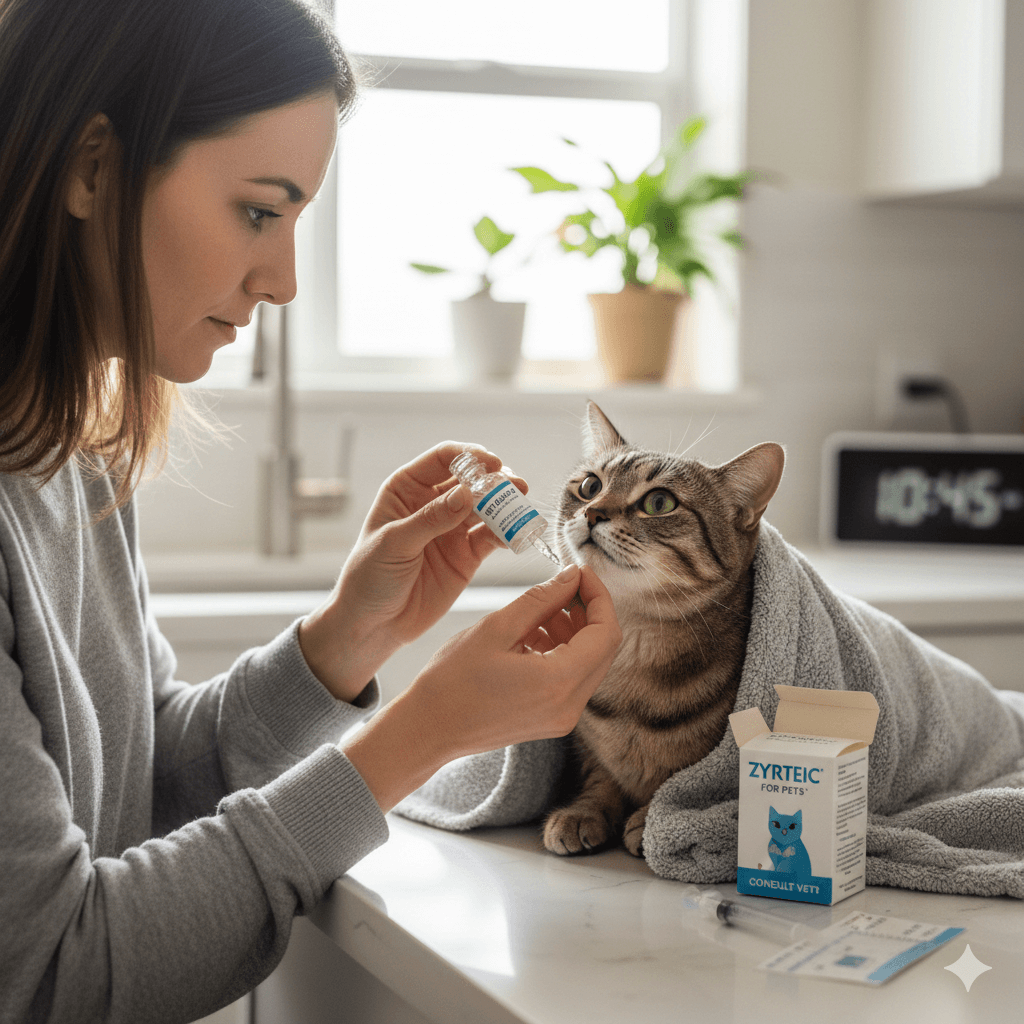
Determining the Correct Zyrtec Dosage for Cats
Administering the correct Zyrtec dosage is essential to avoid underdosing, which may be ineffective, or overdosing, which could lead to adverse effects. The appropriate amount depends on your cat’s weight, age, and overall health. Veterinarians typically recommend specific guidelines based on individual needs. Here’s what you need to know about dosing cetirizine safely:
- Weight-Based Guidelines:
For most cats, the standard dose is 2.5 mg (half of a 5 mg tablet) once daily. Larger cats or those with severe allergies may require up to 5 mg per day, but never exceed this amount without veterinary approval. - Avoid Liquid Formulations:
Liquid Zyrtec often contains alcohol or xylitol, both of which are toxic to cats. Stick to tablets or capsules specifically formulated for pets whenever possible. - Splitting Tablets Safely:
If using a human tablet, ensure it’s split accurately using a pill cutter. Alternatively, ask your vet for compounded formulations designed for precise dosing. - Monitor for Side Effects:
Watch for signs of lethargy, vomiting, diarrhea, or increased thirst after administration. These symptoms may indicate improper dosing or sensitivity to the medication. - Adjustments for Senior Cats:
Older cats or those with preexisting conditions like kidney disease may require lower doses or closer monitoring to prevent complications.
Proper dosing ensures maximum effectiveness while minimizing risks. Always confirm the dosage with your veterinarian before administering Zyrtec to your cat.
Check this guide 👉Metronidazole Cat Dosage: Best 7 Expert Tips!
Check this guide 👉Cat Glucosamine Dosage: Best 7 Expert Tips!
Check this guide 👉Ivermectin Dosage for Cats: Best 7 Expert Tips!
Benefits of Using Zyrtec for Cats | Signs Your Cat May Need Zyrtec |
|---|---|
Reduces itching and skin irritation | Excessive scratching or licking |
Alleviates sneezing and watery eyes | Persistent sneezing or nasal discharge |
Non-drowsy formula (less sedation) | Visible discomfort or restlessness |
Safe for long-term use (vet-approved) | Hair loss or red, inflamed skin |
Complements other allergy treatments | Seasonal flare-ups or worsening symptoms |
Common Allergies Treated with Zyrtec in Cats
Cats develop allergies for various reasons, ranging from environmental triggers to food sensitivities. Identifying the underlying cause helps determine whether Zyrtec is an appropriate treatment option. While not a cure, cetirizine effectively manages symptoms associated with several common feline allergies. Below are examples of conditions where Zyrtec proves beneficial:
- Environmental Allergies:
Pollen, mold spores, dust mites, and grasses often trigger seasonal allergies, leading to itching, sneezing, or runny eyes. Zyrtec reduces these symptoms significantly. - Flea Allergy Dermatitis:
Even a single flea bite can cause intense itching in sensitive cats. Cetirizine complements flea control measures by soothing irritated skin until the infestation clears. - Food Allergies:
Proteins like chicken, beef, or fish sometimes provoke allergic reactions. While dietary changes are key, Zyrtec alleviates symptoms during transition periods. - Contact Dermatitis:
Exposure to cleaning products, fabrics, or plants irritates some cats’ skin. Cetirizine calms inflammation and prevents excessive scratching that worsens the condition. - Atopic Dermatitis:
Chronic skin allergies resulting from genetic predispositions benefit from long-term management with cetirizine, alongside topical treatments.
Understanding the types of allergies Zyrtec addresses helps pet owners make informed decisions about their cat’s care plan. Combine cetirizine with other therapies for optimal results.
Potential Side Effects of Zyrtec in Cats
While Zyrtec is generally well-tolerated, some cats may experience side effects, especially if given incorrectly or in combination with other medications. Recognizing potential adverse reactions ensures timely intervention and minimizes harm. Below are common side effects associated with cetirizine use:
- Mild Sedation:
Although non-drowsy compared to other antihistamines, some cats may still feel slightly sleepy after taking cetirizine. This effect usually diminishes over time. - Gastrointestinal Upset:
Vomiting, diarrhea, or loss of appetite occasionally occur, particularly if the medication irritates the stomach lining. Administering with food can help mitigate this issue. - Increased Thirst or Urination:
Some cats drink more water or urinate frequently while on cetirizine. Monitor hydration levels to prevent dehydration. - Behavioral Changes:
Rarely, cats exhibit unusual behaviors like agitation or restlessness. Discontinue use and consult your vet if these symptoms persist. - Allergic Reaction to Medication:
In rare cases, cats may react adversely to cetirizine itself, showing signs like facial swelling or difficulty breathing. Seek emergency care immediately.
Most side effects resolve quickly once the body adjusts, but always report concerns to your veterinarian for further guidance.
Alternatives to Zyrtec for Feline Allergies
While Zyrtec is a popular choice for managing feline allergies, alternative treatments exist depending on the severity and type of allergy. Exploring options allows you to tailor your cat’s care plan to their unique needs. Here are viable alternatives to consider:
- Other Antihistamines:
Medications like chlorpheniramine or hydroxyzine provide similar benefits but may cause drowsiness. Rotate antihistamines under vet supervision to find the most effective one. - Topical Treatments:
Shampoos, sprays, or creams containing oatmeal, aloe vera, or corticosteroids soothe irritated skin and reduce inflammation. These complement oral medications effectively. - Immunotherapy Injections:
For severe allergies, allergen-specific immunotherapy desensitizes the immune system over time, offering long-lasting relief without daily medication. - Dietary Adjustments:
Switching to hypoallergenic diets eliminates common food allergens, addressing root causes rather than just symptoms. - Supplements and Probiotics:
Omega-3 fatty acids and probiotics support skin health and boost the immune system, enhancing the body’s natural defenses against allergens.
Combining multiple approaches often yields the best outcomes for cats with persistent allergies. Discuss options with your vet to create a personalized strategy.
When to Consult Your Veterinarian About Zyrtec
Not all cats are good candidates for Zyrtec, and certain situations warrant professional guidance before starting treatment. Consulting your veterinarian ensures safe usage and addresses underlying health concerns. Here’s when to seek expert advice:
- Preexisting Health Conditions:
Cats with liver or kidney disease metabolize medications differently, requiring adjusted dosages or alternative treatments to avoid complications. - Current Medications:
Interactions between cetirizine and other drugs, such as painkillers or heart medications, could pose risks. Inform your vet of all medications your cat takes. - Pregnancy or Nursing:
The safety of cetirizine in pregnant or nursing cats hasn’t been fully established. Avoid use unless explicitly advised by a veterinarian. - Severe Allergic Reactions:
If your cat experiences facial swelling, difficulty breathing, or hives, skip Zyrtec and seek immediate emergency care instead. - Lack of Improvement:
If symptoms persist despite regular cetirizine use, additional diagnostics or treatments may be necessary to identify and address the root cause.
Open communication with your vet fosters trust and ensures your cat receives the best possible care tailored to their individual needs.
How to Administer Zyrtec to Cats
Giving medication to cats can be challenging, especially if they are finicky or resistant. Proper administration ensures your cat receives the full dose of Zyrtec without stress or risk of choking. Follow these tips to make the process smoother and more effective:
- Hide in Treats or Food:
Wrap the tablet in a small piece of wet food, cheese, or a commercial pill pocket to mask the taste and encourage consumption. - Use a Pill Dispenser:
A pill dispenser or “pill gun” helps place the tablet directly at the back of your cat’s throat, ensuring they swallow it properly. - Crush and Mix (If Approved):
If your vet approves, crush the tablet and mix it with a strong-smelling food like tuna or chicken broth to disguise the taste. - Administer Directly:
For resistant cats, gently open their mouth, place the pill on the back of their tongue, and hold their mouth closed until they swallow. - Reward with Praise or Treats:
Positive reinforcement, such as treats or affection, helps reduce anxiety and makes future dosing easier for both you and your cat.
Proper administration not only ensures effectiveness but also minimizes stress for your feline companion. Always confirm any adjustments to the method with your veterinarian.
“It is our policy not to give dosing information over the internet. Never administer any drug without your veterinarian’s input.”
— Wendy Brooks, DVM, DABVP
Frequently Asked Questions About Zyrtec for Cats
Can I give my cat human Zyrtec?
Yes, but only plain cetirizine tablets or capsules—avoid liquid formulations containing alcohol or xylitol, which are toxic to cats.
How long does it take for Zyrtec to work?
Most cats show improvement within 1–2 hours, though full effects may take several days of consistent use.
Is Zyrtec safe for kittens?
Kittens under six months should avoid cetirizine unless specifically prescribed by a vet due to their developing systems.
Can Zyrtec cure my cat’s allergies?
No, Zyrtec manages symptoms rather than curing the underlying cause. Combination therapies often yield better results.
What if my cat misses a dose?
Give the missed dose as soon as you remember, unless it’s close to the next scheduled dose. Never double up on doses.
Supporting Your Cat Through Allergy Management
Managing your cat’s allergies with Zyrtec requires patience, consistency, and close collaboration with your veterinarian. While cetirizine provides significant relief, it’s just one piece of the puzzle in ensuring your cat’s long-term comfort and health. By combining medication with environmental adjustments, dietary changes, and regular vet check-ups, you create a holistic approach to allergy management. Remember, every small step you take improves your cat’s quality of life and strengthens the bond you share. With care and dedication, you can help your feline friend thrive despite their sensitivities.

Is Rawhide Bad for Cats? Best 7 Expert Tips! – Discover the risks, safe alternatives, and expert advice to keep your feline friend healthy and happy.

Is Rawhide Bad for Dogs? Best 7 Expert Tips! – Discover the risks, benefits, and safer alternatives to rawhides for your dog’s chewing needs.

Understanding Anorexia in Cats: Best 7 Expert Tips! – Learn why cats stop eating, spot warning signs, and discover how to help your feline regain appetite safely.

Understanding Anorexia in Dogs: Best 7 Expert Tips! – Learn causes, symptoms, and solutions to help your dog regain appetite and stay healthy.