
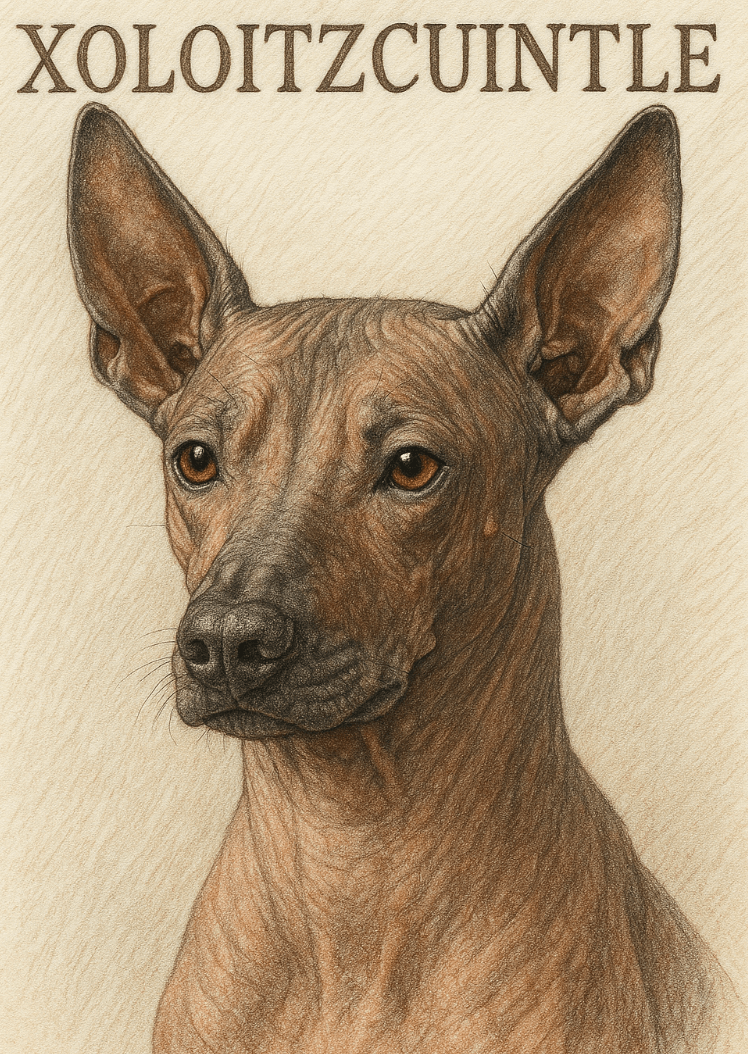
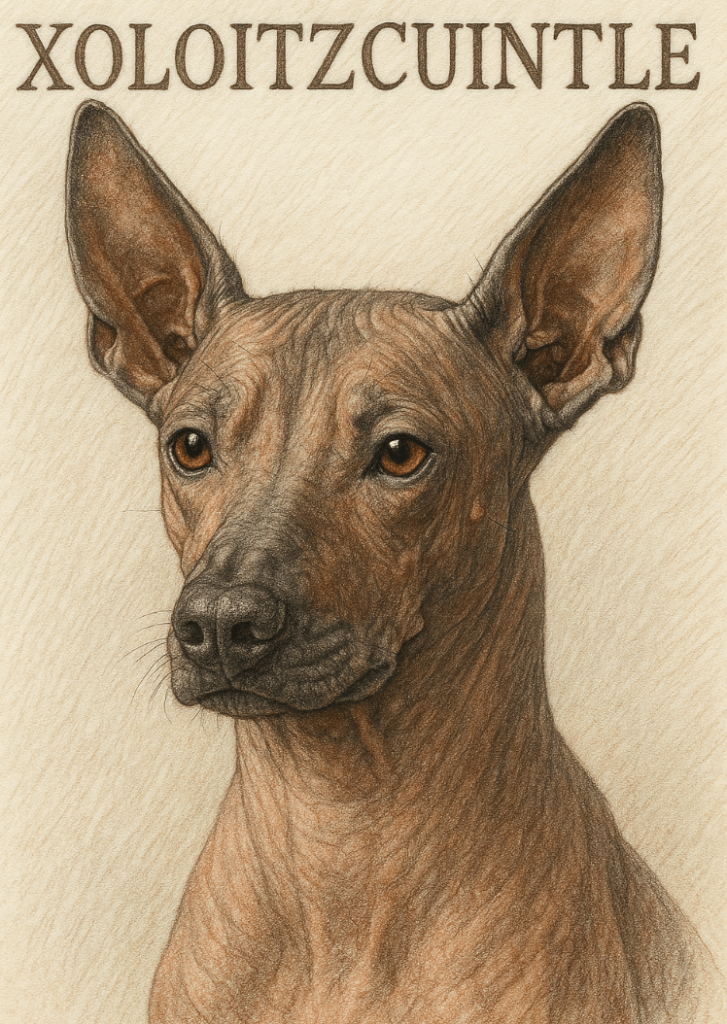

Xoloitzcuintle Dog Temperament: Best 7 Expert Tips!

Xoloitzcuintle Dog Temperament: Best 7 Expert Tips!

Xoloitzcuintle Dog Temperament: What Makes This Ancient Breed Unique?


The Xoloitzcuintle, also known as the Mexican Hairless Dog, is a breed steeped in history and cultural significance. Revered by ancient civilizations like the Aztecs, this dog was believed to possess mystical qualities and served as both a companion and protector.

Today, the Xoloitzcuintle continues to captivate hearts with its striking appearance and distinctive temperament. Known for their loyalty, intelligence, and calm demeanor, these dogs make wonderful companions for those who understand their unique needs. In this blog post, we’ll explore the Xoloitzcuintle dog temperament in depth, shedding light on what makes this breed so special and how you can provide the best care for your furry friend.

Key Traits of the Xoloitzcuintle Temperament


The Xoloitzcuintle’s temperament is a blend of calmness, alertness, and affection, making them stand out among other breeds. Understanding these traits will help you determine if this ancient dog is the right fit for your lifestyle.

 
  • Loyal and Devoted:
    Xolos form strong bonds with their families and are known for their unwavering loyalty, often staying close to their owners.

  • Calm and Composed:
    Despite their alert nature, Xolos tend to be calm indoors, making them excellent companions for quieter households.

  • Intelligent and Independent:
    These dogs are highly intelligent but also independent thinkers, which can make training both rewarding and challenging.

  • Protective Instincts:
    Xolos are naturally watchful and protective, often acting as guardians for their home and family without being overly aggressive.

  • Affectionate Yet Reserved:
    While they show deep affection toward their loved ones, Xolos can be reserved or cautious around strangers until trust is established.


These characteristics highlight the Xoloitzcuintle’s balanced temperament, blending warmth and vigilance in equal measure.

Training and Socialization Tips for Xoloitzcuintles


Training and socialization are essential for harnessing the Xoloitzcuintle’s natural instincts and ensuring they grow into well-rounded adults. Their intelligence and independence require a thoughtful approach.

 
  • Start Early:
    Begin socialization and basic obedience training during puppyhood to build confidence and prevent behavioral issues later in life.

  • Use Positive Reinforcement:
    Reward-based methods, such as treats, praise, and playtime, work best to motivate this sensitive and intelligent breed.

  • Be Patient and Consistent:
    Xolos respond well to consistency and clear expectations; avoid harsh corrections, as they can become stubborn or withdrawn.

  • Expose Them to New Experiences:
    Gradually introduce your Xolo to different environments, people, and animals to foster adaptability and reduce anxiety.

  • Focus on Bonding:
    Strengthen your connection through interactive activities like walks, games, and grooming sessions to reinforce trust and cooperation.


With dedication and understanding, training a Xoloitzcuintle can be a fulfilling experience that enhances your bond.

Xoloitzcuintle Dog Temperament: Best 7 Expert Tips!
Pros of Owning a Xoloitzcuintle
Cons of Owning a Xoloitzcuintle
Loyal and deeply attached to family
Requires consistent socialization
Low-maintenance grooming (hairless)
Can be aloof with strangers
Calm and adaptable indoors
Prone to separation anxiety
Naturally protective and alert
Needs patient, experienced handling
Hypoallergenic qualities
Sensitive to extreme temperatures

Living with a Xoloitzcuintle: Daily Care Considerations


Owning a Xoloitzcuintle comes with unique responsibilities due to their distinct needs and characteristics. Here’s how you can ensure a happy and healthy life for your Xolo.

 
  • Temperature Management:
    Hairless Xolos are sensitive to cold and heat; provide sweaters in winter and shade or cooling mats in summer.

  • Skin Care Routine:
    Regularly clean and moisturize their skin to prevent dryness, irritation, or sunburn, especially for hairless varieties.

  • Dietary Needs:
    Feed a high-quality diet tailored to their age, size, and activity level to support overall health and vitality.

  • Exercise Requirements:
    Moderate daily exercise, such as walks or playtime, helps keep them physically fit and mentally stimulated.

  • Mental Stimulation:
    Engage them with puzzle toys, training sessions, or scent games to satisfy their curious and intelligent nature.


By addressing these care considerations, you can create a nurturing environment where your Xolo thrives.

Health Concerns to Watch For in Xoloitzcuintles


Like all breeds, Xoloitzcuintles are prone to certain health issues that potential owners should be aware of. Proactive care ensures a longer, healthier life for your companion.

 
  • Skin Conditions:
    Hairless Xolos are susceptible to acne, allergies, and sunburn; regular skincare routines help mitigate risks.

  • Dental Issues:
    Tooth decay and gum disease are common; brush their teeth regularly and schedule dental check-ups.

  • Joint Problems:
    Hip dysplasia or arthritis may occur; maintaining a healthy weight and providing joint supplements can help.

  • Eye Disorders:
    Some Xolos may develop cataracts or progressive retinal atrophy; annual eye exams are recommended.

  • Heart Conditions:
    Occasional screenings for congenital heart defects ensure early detection and treatment if needed.


Staying informed about these potential health concerns allows you to provide the best possible care for your Xolo.


Common Misconceptions About Xoloitzcuintles


Despite their growing popularity, several misconceptions surround the Xoloitzcuintle breed. Clarifying these myths helps set realistic expectations for potential owners.

 
  • They Are High-Maintenance Dogs:
    While they have specific needs, their care is manageable with proper knowledge and routine.

  • Hairless Xolos Don’t Need Grooming:
    Even hairless varieties require regular skin care to stay healthy and comfortable.

  • They Are Aggressive Guard Dogs:
    Though protective, Xolos are not inherently aggressive; they simply act as vigilant watchdogs.

  • All Xolos Are Completely Hairless:
    Some Xolos have a coated variety, which has fur and slightly different grooming needs.

  • They Are Only Suitable for Warm Climates:
    With proper clothing and shelter, hairless Xolos can adapt to cooler environments.


Understanding these truths ensures you appreciate the breed for who they truly are.

Activities That Suit the Xoloitzcuintle Temperament


Engaging your Xoloitzcuintle in activities that align with their temperament strengthens your bond and keeps them happy.

 
  • Leisurely Walks:
    Short, relaxing strolls allow them to explore their surroundings without overexertion.

  • Interactive Play:
    Games like fetch or tug-of-war provide physical and mental stimulation while fostering connection.

  • Obedience Training Sessions:
    Teaching new commands or tricks taps into their intelligence and reinforces discipline.

  • Warm Weather Adventures:
    Activities like beach visits or hikes in mild weather cater to their love for warmth.

  • Quiet Bonding Time:
    Simply lounging together or giving gentle massages satisfies their craving for closeness.


These activities ensure your Xolo remains engaged, content, and connected to you.

Tips for First-Time Xolo Owners


If you’re considering bringing a Xoloitzcuintle into your life for the first time, these tips will help you navigate the transition smoothly.

 
  • Research the Breed Thoroughly:
    Learn about their history, temperament, and care requirements before committing.

  • Find a Reputable Breeder or Rescue:
    Ensure your Xolo comes from a responsible source that prioritizes health and welfare.

  • Prepare Your Home:
    Stock up on essentials like sweaters, sunscreen, and grooming supplies tailored to their needs.

  • Enroll in Puppy Classes:
    Early training and socialization lay the foundation for a well-behaved adult dog.

  • Be Patient and Observant:
    Spend time getting to know your Xolo’s personality and adjust your approach accordingly.


Following these tips sets the stage for a successful and fulfilling relationship with your Xoloitzcuintle.

Frequently Asked Questions About Xoloitzcuintle Dogs

 
Are Xoloitzcuintles good family pets?

Yes, they are loving and loyal companions but may need time to warm up to children and other pets.

Hairless Xolos need minimal grooming but benefit from regular skin care, while coated varieties shed lightly.

Moderate exercise, such as daily walks or play sessions, is sufficient to meet their energy needs.

Yes, their calm nature makes them suitable for apartment living as long as they receive adequate exercise and attention.

Hairless Xolos are considered hypoallergenic, but individuals with severe allergies should spend time with the breed before committing.

Embracing Life with a Xoloitzcuintle


The Xoloitzcuintle is more than just a dog—it’s a living piece of history, brimming with charm, intelligence, and loyalty. Their unique temperament and striking appearance set them apart from other breeds, but they require an owner who understands and appreciates their individuality. By providing proper care, training, and companionship, you’ll be rewarded with a devoted and loving friend who enriches your life in countless ways. If you’re ready to welcome this ancient breed into your home, prepare for a journey filled with joy, learning, and unforgettable moments.

Is Rawhide Bad for Cats? Best 7 Expert Tips!

Is Rawhide Bad for Cats? Best 7 Expert Tips! – Discover the risks, safe alternatives, and expert advice to keep your feline friend healthy and happy.

Is Rawhide Bad for Dogs? Best 7 Expert Tips!

Is Rawhide Bad for Dogs? Best 7 Expert Tips! – Discover the risks, benefits, and safer alternatives to rawhides for your dog’s chewing needs.

Understanding Anorexia in Cats: Best 7 Expert Tips!

Understanding Anorexia in Cats: Best 7 Expert Tips! – Learn why cats stop eating, spot warning signs, and discover how to help your feline regain appetite safely.

Understanding Anorexia in Dogs: Best 7 Expert Tips!

Understanding Anorexia in Dogs: Best 7 Expert Tips! – Learn causes, symptoms, and solutions to help your dog regain appetite and stay healthy.

Leave a Reply

Your email address will not be published. Required fields are marked *