
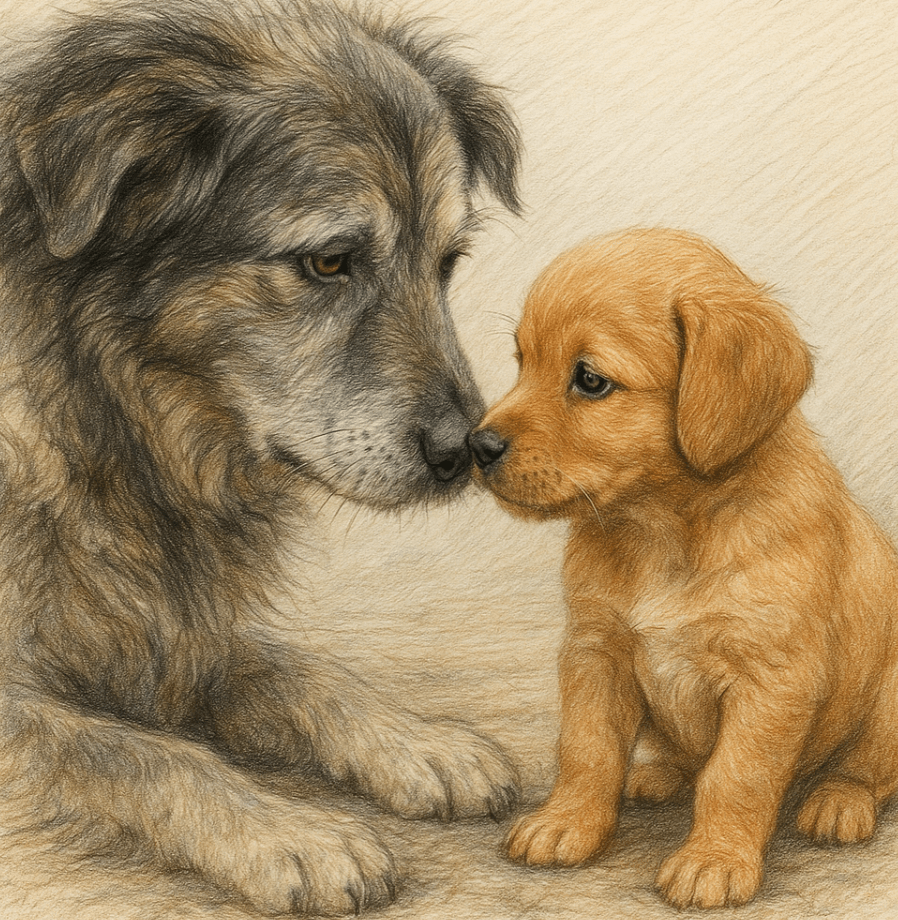

Will My Older Dog Accept a Puppy? Best 7 Expert Tips!

Will My Older Dog Accept a Puppy? Best 7 Expert Tips!

Will My Older Dog Accept a Puppy?


Bringing a new puppy into your home can be an exciting yet nerve-wracking experience, especially if you already have an older dog. Many pet owners wonder whether their senior canine companion will welcome the new addition or feel threatened by the change. While every dog is unique, most older dogs can learn to coexist peacefully with a playful puppy, provided you approach the introduction thoughtfully. Understanding your older dog’s personality, needs, and boundaries is key to fostering a harmonious relationship between the two. In this blog post, we’ll explore expert tips and strategies to help you navigate this transition and create a happy, balanced household for both your furry friends.

Factors That Influence Your Older Dog’s Reaction


How your older dog responds to a new puppy depends on several factors, including their temperament, energy levels, and past experiences. Considering these elements can help you anticipate challenges and tailor your approach accordingly.

 
  • Temperament of Your Older Dog:
    A calm and patient older dog may tolerate a puppy’s antics more easily than a high-strung or anxious dog.

  • Age and Energy Levels:
    Senior dogs with lower energy may become overwhelmed by a hyperactive puppy, leading to stress or irritability.

  • Past Socialization Experiences:
    Dogs that have previously interacted with other animals are more likely to adapt well to a new puppy.

  • Health and Mobility:
    Older dogs with health issues or limited mobility may struggle to cope with a rambunctious pup, requiring extra care during introductions.

  • Territorial Behavior:
    Some dogs are naturally protective of their space and may initially resist sharing attention or resources with a newcomer.


Understanding these factors allows you to prepare for potential hurdles and create a smoother transition for both dogs.

Will My Older Dog Accept a Puppy? Best 7 Expert Tips!

Tips for Introducing a Puppy to Your Older Dog


A thoughtful introduction sets the tone for your older dog and puppy’s relationship. Follow these steps to ensure their first meeting is positive and stress-free.

 
  • Start with Separate Spaces:
    Allow the older dog and puppy to get used to each other’s scent before meeting face-to-face by keeping them in separate areas initially.

  • Supervised Meetings:
    Keep the first few interactions short and supervised to prevent overwhelming either dog. Reward calm behavior with treats and praise.

  • Maintain Routine for Your Older Dog:
    Stick to your older dog’s usual schedule for feeding, walks, and playtime to minimize feelings of disruption or jealousy.

  • Provide Individual Attention:
    Ensure your older dog continues to receive one-on-one time with you to avoid feelings of neglect as the puppy adjusts.

  • Use Positive Reinforcement:
    Reward both dogs for calm and friendly interactions to encourage a positive association with each other.


By following these guidelines, you can lay the foundation for a peaceful and loving relationship between your older dog and the new puppy.

Signs Your Older Dog Is Adjusting Well
Signs Your Older Dog Needs More Time
Relaxed body language around the puppy
Growling or snapping at the puppy
Willingness to share space or toys
Avoiding the puppy entirely
Showing curiosity toward the puppy
Increased anxiety or restlessness
Calm behavior during interactions
Guarding food or favorite spots
Playing gently with the puppy
Excessive barking or whining

Common Challenges and How to Address Them


Introducing a puppy to an older dog isn’t always smooth sailing. Here are some common challenges you might encounter and practical solutions to overcome them.

 
  • Resource Guarding:
    If your older dog becomes possessive of food, toys, or sleeping areas, feed them separately and provide duplicate resources to reduce competition.

  • Overstimulation from the Puppy:
    Puppies often don’t recognize boundaries. Teach the puppy basic commands like “leave it” to give your older dog space when needed.

  • Jealousy or Attention-Seeking Behavior:
    Spend quality time with your older dog to reassure them they’re still loved and valued despite the new arrival.

  • Mismatched Energy Levels:
    Encourage independent playtime for each dog to prevent your older dog from feeling pressured to keep up with the puppy’s energy.

  • Initial Aggression or Fear:
    Use gradual introductions and positive reinforcement to build trust and reduce tension between the two dogs.


Addressing these challenges proactively ensures a smoother adjustment period for both pets.

How to Foster a Strong Bond Between Your Dogs


With patience and consistency, you can nurture a strong bond between your older dog and the new puppy. These tips will help strengthen their connection over time.

 
  • Encourage Playtime Together:
    Once both dogs are comfortable, allow supervised play sessions to build camaraderie and mutual trust.

  • Teach Shared Commands:
    Training both dogs together reinforces teamwork and helps establish clear expectations for behavior.

  • Create Shared Positive Experiences:
    Activities like walks or car rides can create bonding opportunities and foster a sense of unity between the two.

  • Offer Joint Rewards:
    Give treats or praise to both dogs simultaneously to reinforce cooperative behavior and reduce rivalry.

  • Monitor Progress Regularly:
    Pay attention to changes in their dynamic and adjust your approach as needed to maintain harmony.


Building a strong bond takes time, but the effort pays off in a peaceful and loving multi-dog household.

Signs Your Older Dog Is Feeling Overwhelmed


It’s important to recognize when your older dog feels stressed or overwhelmed by the presence of a new puppy. Early detection allows you to intervene and restore balance.

 
  • Increased Aggression:
    Growling, snapping, or lunging at the puppy may indicate frustration or discomfort.

  • Withdrawal or Isolation:
    Hiding or avoiding shared spaces could mean your older dog feels cornered or unsafe.

  • Changes in Eating Habits:
    Refusing food or eating quickly out of fear suggests stress related to resource guarding.

  • Excessive Licking or Chewing:
    Compulsive behaviors often signal anxiety caused by the puppy’s presence.

  • Unusual Vocalizations:
    Whining, barking, or howling more than usual may reflect emotional distress.


Noticing these signs early enables you to take steps to alleviate your older dog’s stress and improve their comfort level.

Ways to Tire Out a Puppy Without Overwhelming Your Older Dog


Puppies have boundless energy, but involving your older dog in all activities can lead to exhaustion. Here are ways to entertain the puppy independently.

 
  • Interactive Toys:
    Puzzle feeders and treat-dispensing toys keep the puppy mentally stimulated without needing constant supervision.

  • Short, Solo Play Sessions:
    Engage the puppy in brief games of fetch or tug-of-war away from the older dog to prevent overstimulation.

  • Puppy-Specific Training:
    Focus on obedience training for the puppy during times when the older dog is resting or occupied elsewhere.

  • Designated Puppy Zones:
    Create a safe space for the puppy to explore and play independently, giving your older dog a break.

  • Scheduled Nap Times:
    Establish regular downtime for the puppy to recharge, reducing their need for constant activity.


Balancing activity levels ensures neither dog feels neglected or overburdened.


Preparing Your Home for a Multi-Dog Household


Before bringing a puppy home, make adjustments to your living space to accommodate both dogs comfortably.

 
  • Separate Sleeping Areas:
    Provide individual beds or crates to give each dog their own personal space.

  • Duplicate Resources:
    Have multiple water bowls, food dishes, and toys to minimize competition and conflicts.

  • Baby Gates or Barriers:
    Use barriers to create designated zones where each dog can retreat if needed.

  • Secure Hazard-Free Spaces:
    Puppy-proof your home to prevent accidents while ensuring your older dog’s belongings remain safe.

  • Establish Clear Boundaries:
    Train both dogs to understand which areas are off-limits to maintain order and prevent disputes.


Proper preparation creates a stress-free environment for both your older dog and the new puppy to thrive.

Frequently Asked Questions About Older Dogs and Puppies

 
How long does it take for an older dog to accept a puppy?

The adjustment period varies depending on the dogs’ personalities, but it typically ranges from a few weeks to several months.

Mild corrections are normal, but intervene if the older dog becomes aggressive or overly harsh with the puppy.

This is common—some older dogs prefer to ignore puppies rather than engage. Respect their boundaries while encouraging gradual interaction.

Never leave them unsupervised until you’re confident they’ve formed a stable relationship.

Focus on short training sessions for the puppy and ensure your older dog’s routine remains consistent to avoid neglecting either pet.

Creating Harmony Between Your Older Dog and Puppy


Introducing a puppy to your older dog requires patience, understanding, and careful planning. By respecting your older dog’s needs, managing initial interactions thoughtfully, and addressing challenges as they arise, you can create a harmonious environment where both pets thrive. Remember, building a strong bond takes time, so celebrate small victories along the way. With love and dedication, your older dog and puppy can become lifelong companions, enriching your life with their unique friendship.

 
Is Rawhide Bad for Cats? Best 7 Expert Tips!

Is Rawhide Bad for Cats? Best 7 Expert Tips! – Discover the risks, safe alternatives, and expert advice to keep your feline friend healthy and happy.

Is Rawhide Bad for Dogs? Best 7 Expert Tips!

Is Rawhide Bad for Dogs? Best 7 Expert Tips! – Discover the risks, benefits, and safer alternatives to rawhides for your dog’s chewing needs.

Understanding Anorexia in Cats: Best 7 Expert Tips!

Understanding Anorexia in Cats: Best 7 Expert Tips! – Learn why cats stop eating, spot warning signs, and discover how to help your feline regain appetite safely.

Understanding Anorexia in Dogs: Best 7 Expert Tips!

Understanding Anorexia in Dogs: Best 7 Expert Tips! – Learn causes, symptoms, and solutions to help your dog regain appetite and stay healthy.

Leave a Reply

Your email address will not be published. Required fields are marked *