
Why Is My Dogs Skin Pink?
If you’ve noticed that your dog’s skin appears pink, it’s natural to wonder whether this is normal or a cause for concern. While some dogs naturally have lighter or pinkish skin due to their breed or coat color, changes in skin tone can also signal underlying health issues. Understanding the potential causes helps you determine if veterinary attention is needed to ensure your dog’s comfort and well-being.
Common Causes of Pink Skin in Dogs
Pink skin in dogs can result from a variety of factors, ranging from natural variations to health-related issues. Understanding these causes helps you differentiate between normal traits and potential problems. While some reasons are harmless, others may require veterinary intervention to address underlying conditions.
- Natural Pigmentation Variations:
Some dogs are born with naturally lighter or pinkish skin due to their genetics. Breeds like Dalmatians, Whippets, or hairless Chinese Crested dogs often have less pigmented skin, which appears pink in areas without fur. This is typically not a concern unless accompanied by other symptoms like irritation or lesions. - Hair Loss or Shaving:
When fur is removed—whether through grooming, shedding, or medical procedures—the exposed skin often appears pinker because it lacks the protective barrier of hair. This is temporary, and the skin usually returns to its normal tone once the coat grows back. However, prolonged exposure to sunlight on shaved areas can lead to sunburn or hyperpigmentation over time. - Allergic Reactions:
Dogs with allergies to food, environmental triggers (like pollen or dust mites), or flea bites may develop irritated, inflamed skin that appears pink or red. These reactions are often accompanied by itching, scratching, or licking, which can worsen the condition. Identifying and eliminating the allergen is crucial for long-term relief. - Skin Infections:
Bacterial, fungal, or yeast infections can cause discoloration, including pink or reddened patches. For example, yeast infections thrive in warm, moist areas like skin folds or ears, leading to irritation and changes in skin tone. These infections often produce an unpleasant odor and may require medicated shampoos or oral treatments. - Hormonal Imbalances:
Conditions like hypothyroidism or Cushing’s disease can affect your dog’s skin pigmentation. Hormonal imbalances may reduce melanin production, resulting in paler or pinkish skin. These disorders often present additional symptoms, such as weight gain, lethargy, or excessive thirst, requiring blood tests for diagnosis.
Understanding these common causes allows you to assess whether your dog’s pink skin is a natural trait or indicative of a more serious issue.
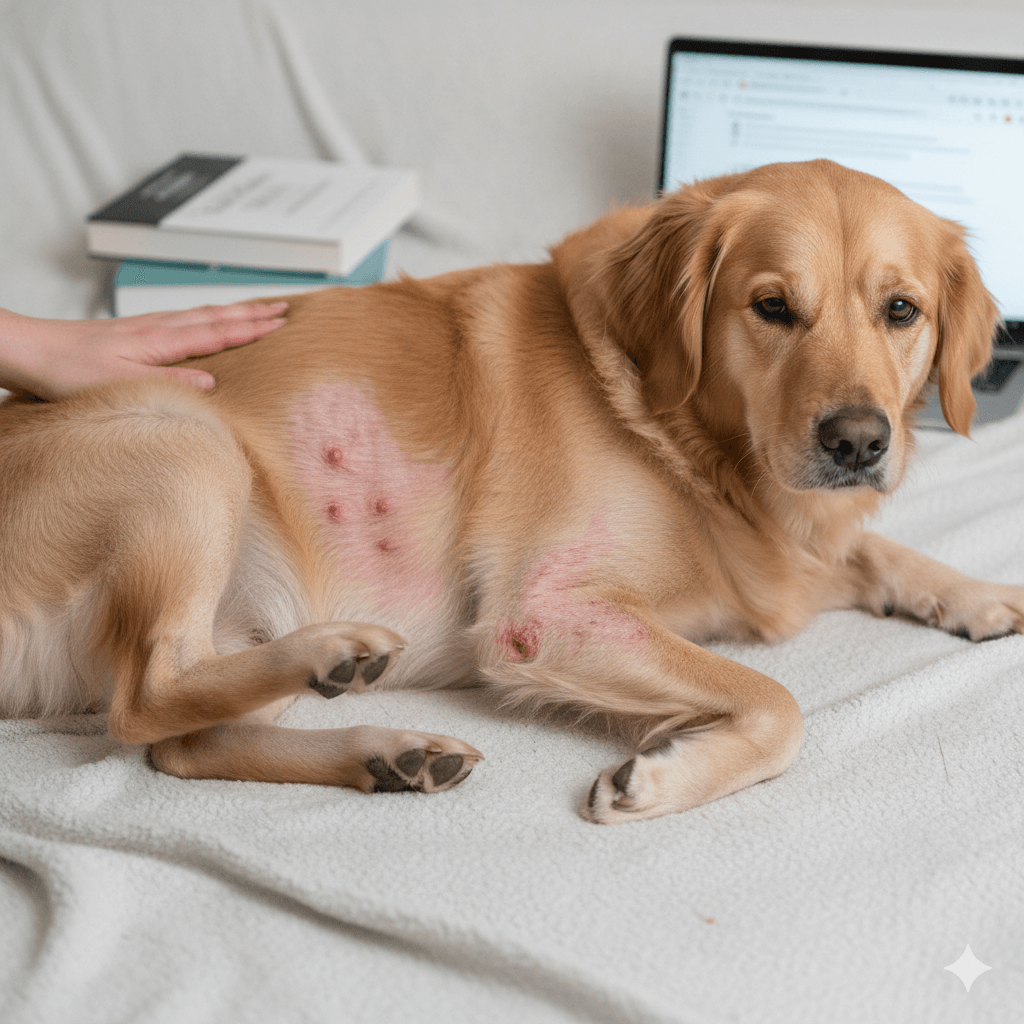
Signs Your Dog’s Pink Skin May Indicate a Problem
While pink skin isn’t always alarming, certain signs suggest an underlying problem requiring attention. Monitoring your dog closely helps you recognize when professional care is necessary.
- Persistent Redness or Irritation:
If the pink skin remains red, inflamed, or swollen for more than a few days, it could indicate an ongoing issue like dermatitis or infection. Chronic inflammation weakens the skin barrier, making it prone to secondary infections. - Excessive Scratching or Licking:
Dogs instinctively scratch or lick irritated areas, but excessive behavior can worsen the condition. Persistent self-trauma may lead to open sores, scabs, or further discoloration, signaling discomfort or pain. - Odor or Discharge:
Foul-smelling skin or discharge (such as pus or fluid) points to bacterial or yeast infections. These infections thrive in humid environments and require prompt treatment to prevent spreading. - Hair Loss Around Affected Areas:
Patchy hair loss near pink skin often indicates an underlying issue like mange, ringworm, or hormonal imbalance. Parasitic infestations, such as sarcoptic or demodectic mange, can cause severe itching and skin damage. - Behavioral Changes:
If your dog seems unusually restless, lethargic, or avoids being touched in specific areas, they may be experiencing discomfort or pain related to their skin condition. Behavioral shifts are important clues that shouldn’t be ignored.
Recognizing these warning signs ensures timely intervention, preventing complications and promoting faster recovery.
Check this guide 👉Understanding Dog Skin Colors: Best 7 Expert Tips!
Check this guide 👉Common Dog Skin Infections: Best 7 Expert Tips!
Check this guide 👉Worm Under Dog Skin: Best 7 Expert Tips!
Causes of Pink Skin in Dogs | Signs That Require Veterinary Attention |
|---|---|
Natural pigmentation variations (e.g., hairless breeds) | Persistent redness or swelling |
Hair loss due to grooming or shedding | Excessive scratching, licking, or chewing |
Allergic reactions to food, fleas, or environment | Foul odor or discharge from affected areas |
Bacterial, fungal, or yeast infections | Patchy hair loss around pink skin |
Hormonal imbalances like hypothyroidism or Cushing’s disease | Behavioral changes indicating discomfort |
How to Care for Dogs with Naturally Pink Skin
For dogs with naturally light or pink skin, proper care minimizes risks of irritation, sunburn, or other issues. Taking preventive measures keeps their skin healthy and comfortable.
- Protect Against Sun Exposure:
Pink skin lacks melanin, making it more susceptible to sunburn. Use pet-safe sunscreen on exposed areas during outdoor activities, especially for hairless breeds or dogs with thin coats. Avoid prolonged sun exposure during peak hours (10 a.m.–4 p.m.). - Maintain a Balanced Diet:
Nutrition plays a vital role in skin health. Ensure your dog’s diet includes essential fatty acids (like omega-3s) to support skin hydration and reduce inflammation. Supplements or high-quality foods rich in these nutrients promote resilience. - Regular Grooming Practices:
Frequent baths with hypoallergenic shampoos remove dirt and irritants while maintaining the skin’s natural oils. Avoid harsh chemicals or over-bathing, as this can strip moisture and exacerbate dryness. - Monitor for Allergies:
Even dogs with naturally pink skin can develop allergies. Watch for seasonal flare-ups or reactions to new foods, bedding, or cleaning products. Elimination diets or allergy testing can identify triggers. - Prevent Parasites:
Fleas, ticks, and mites pose risks to all dogs, but those with sensitive skin are particularly vulnerable. Use veterinarian-recommended preventatives year-round to keep parasites at bay.
Proactive care ensures your dog’s naturally pink skin stays healthy and free from irritation.
When Pink Skin Indicates an Allergic Reaction
Allergies are a common culprit behind pink or inflamed skin in dogs. Identifying the source of the reaction is key to alleviating symptoms and restoring comfort.
- Food Allergies:
Ingredients like beef, chicken, dairy, or grains often trigger allergic responses in sensitive dogs. Symptoms include pink, itchy skin, gastrointestinal upset, or ear infections. Switching to a hypoallergenic diet can help identify and eliminate the offending ingredient. - Environmental Allergens:
Pollen, mold, dust mites, and grass can irritate your dog’s skin, especially during certain seasons. Regularly washing bedding, vacuuming carpets, and wiping your dog’s paws after walks reduces exposure. - Flea Allergy Dermatitis:
A single flea bite can cause severe itching and pink, inflamed skin in allergic dogs. Flea control products and thorough home cleaning prevent infestations and subsequent reactions. - Contact Dermatitis:
Certain materials (like plastic bowls) or chemicals (in shampoos or detergents) irritate sensitive skin upon contact. Switching to stainless steel bowls or fragrance-free products alleviates discomfort. - Secondary Infections:
Allergies compromise the skin barrier, increasing susceptibility to bacterial or yeast infections. Addressing both the allergy and any secondary infections ensures comprehensive treatment.
Understanding the link between allergies and pink skin empowers you to manage your dog’s condition effectively.
Potential Health Conditions Linked to Pink Skin
Changes in skin pigmentation can sometimes indicate systemic health issues beyond surface-level irritation. Recognizing these conditions aids in early diagnosis and treatment.
- Hypothyroidism:
This hormonal disorder slows metabolism, affecting skin health. Symptoms include dry, flaky, or pinkish skin, along with weight gain and lethargy. Blood tests confirm the diagnosis, and medication restores balance. - Cushing’s Disease:
Excess cortisol production leads to thinning skin, hair loss, and changes in pigmentation. Affected dogs may also drink excessively, pant frequently, or develop a pot-bellied appearance. Treatment focuses on managing hormone levels. - Autoimmune Disorders:
Conditions like pemphigus or lupus attack the skin, causing lesions, scaling, or depigmentation. These disorders require lifelong management with immunosuppressive drugs and regular vet check-ups. - Parasitic Infestations:
Mange mites burrow into the skin, causing intense itching and pink, raw patches. Medicated dips, shampoos, or oral medications eradicate the parasites and soothe affected areas. - Liver or Kidney Disease:
Toxin buildup due to organ dysfunction can manifest as skin discoloration, including pink or yellowish tones. Additional signs include vomiting, diarrhea, or changes in appetite, necessitating immediate veterinary evaluation.
Addressing these underlying conditions improves overall health and restores normal skin tone.
How to Treat and Manage Pink Skin in Dogs
Managing pink skin involves addressing the root cause while providing supportive care to alleviate discomfort. A combination of veterinary guidance and at-home remedies ensures optimal results.
- Medicated Shampoos and Topical Treatments:
Prescription shampoos containing antifungal or antibacterial agents treat infections and soothe irritated skin. Oatmeal-based or hydrocortisone shampoos provide additional relief for itchy, inflamed areas. - Oral Medications:
Antibiotics combat bacterial infections, while antifungals target yeast overgrowth. Anti-inflammatory drugs reduce swelling and discomfort associated with allergic reactions or autoimmune disorders. - Dietary Adjustments:
Switching to a limited-ingredient or hypoallergenic diet eliminates potential allergens. Adding supplements like fish oil or probiotics supports skin healing and strengthens the immune system. - Environmental Modifications:
Reducing exposure to allergens, irritants, or extreme temperatures minimizes stress on sensitive skin. Humidifiers combat dry air, while regular cleaning removes dust and dander. - Veterinary Follow-Up:
Regular check-ups monitor progress and adjust treatment plans as needed. Chronic conditions like allergies or hormonal imbalances require ongoing management to maintain skin health.
Consistent care and collaboration with your vet ensure your dog’s pink skin heals properly and remains healthy long-term.
Preventing Future Issues with Pink Skin
Prevention is key to maintaining your dog’s skin health and avoiding recurring problems. Implementing proactive strategies reduces risks and promotes overall well-being.
- Routine Skin Inspections:
Regularly check your dog’s skin for abnormalities like redness, bumps, or discoloration. Early detection allows for timely intervention before minor issues escalate. - Balanced Nutrition and Hydration:
A nutrient-rich diet supports skin integrity, while adequate water intake prevents dehydration and dryness. Consult your vet about supplements if needed. - Parasite Prevention Programs:
Year-round flea, tick, and heartworm preventatives protect against infestations that damage skin and spread diseases. Choose vet-approved products tailored to your dog’s needs. - Minimize Stressors:
Stress weakens the immune system, making dogs more prone to skin issues. Maintain a calm environment, provide mental stimulation, and stick to predictable routines. - Education and Awareness:
Stay informed about breed-specific predispositions, seasonal risks, and emerging treatments. Knowledge empowers you to make informed decisions about your dog’s care.
By prioritizing prevention, you safeguard your dog’s skin health and enhance their quality of life.
“Many dogs with white fur tend to have pink skin that is more apparent to the outside observer than dogs with dark fur. Any exposure to environmental allergens, textured surfaces or other irritants can cause inflammation to the skin and make it look pink or red.”
— Patrick Mahaney, VMD, CVA
Frequently Asked Questions About Pink Skin in Dogs
Why is my dog’s belly skin pink?
A pink belly is often normal, especially if your dog has naturally light skin or a thin coat. However, if
Can sunburn cause pink skin in dogs?
Yes, dogs with light or exposed skin are prone to sunburn, which can make their skin appear pink or red. Use pet-safe sunscreen and limit sun exposure during peak hours to prevent burns.
Is pink skin a sign of anemia in dogs?
While pink skin alone isn’t a definitive indicator of anemia, pale gums or mucous membranes alongside lethargy and weakness could suggest this condition. Consult your vet for blood tests to confirm.
How can I treat my dog’s irritated pink skin at home?
Bathe your dog with hypoallergenic shampoo, apply veterinarian-recommended topical treatments, and ensure they stay hydrated. Avoid harsh chemicals or over-bathing, as these can worsen irritation.
When should I take my dog to the vet for pink skin?
Seek veterinary care if the pink skin persists for more than a few days, is accompanied by symptoms like itching, odor, or hair loss, or if your dog seems uncomfortable or lethargic.
Supporting Your Dog Through Skin Health Challenges
Pink skin in dogs can be both a natural trait and a potential warning sign of underlying health issues. By staying vigilant and proactive, you can address minor concerns before they escalate into serious problems. Whether it’s protecting against sun exposure, managing allergies, or treating infections, every step you take contributes to your dog’s comfort and well-being. Remember, your dog’s skin is a reflection of their overall health—nurturing it ensures a happier, healthier life together.

Is Rawhide Bad for Cats? Best 7 Expert Tips! – Discover the risks, safe alternatives, and expert advice to keep your feline friend healthy and happy.

Is Rawhide Bad for Dogs? Best 7 Expert Tips! – Discover the risks, benefits, and safer alternatives to rawhides for your dog’s chewing needs.

Understanding Anorexia in Cats: Best 7 Expert Tips! – Learn why cats stop eating, spot warning signs, and discover how to help your feline regain appetite safely.

Understanding Anorexia in Dogs: Best 7 Expert Tips! – Learn causes, symptoms, and solutions to help your dog regain appetite and stay healthy.