



Why Is My Dogs Leg Shaking? Best 7 Expert Tips!

Why Is My Dogs Leg Shaking? Best 7 Expert Tips!

Why Is My Dogs Leg Shaking? Understanding the Causes and Solutions


If you’ve ever noticed your dog’s leg shaking, you might have felt a mix of concern and curiosity. Whether it’s a subtle tremor or an uncontrollable shake, this behavior can leave pet owners wondering what’s going on. While occasional leg shaking in dogs is often harmless, it can sometimes indicate underlying health issues that need attention. In this blog post, we’ll explore the reasons behind dog leg shaking, how to identify potential problems, and what steps you can take to ensure your furry friend stays healthy. By the end, you’ll have a clearer understanding of this common yet puzzling behavior and feel more confident addressing it.


Common Reasons for Dog Leg Shaking


Dog leg shaking can stem from a variety of causes, ranging from completely normal behaviors to signs of an underlying issue. Here are some of the most common reasons why your dog’s leg might be shaking:

 
  • Excitement or Anticipation : Dogs often shake their legs when they’re overly excited, such as during playtime or when expecting a treat.

  • Muscle Fatigue : After intense physical activity, your dog’s muscles may tremble as they recover from exertion.

  • Cold Temperatures : Just like humans, dogs can shiver when they’re cold, especially if they have short fur or are exposed to chilly weather.

  • Anxiety or Stress : Shaking can be a physical manifestation of emotional distress, such as during thunderstorms or visits to the vet.

  • Pain or Injury : A shaking leg could indicate discomfort caused by an injury, arthritis, or another painful condition.


While many of these causes are harmless, persistent or unexplained shaking should not be ignored. Observing your dog’s behavior and consulting a veterinarian can help pinpoint the exact cause and ensure proper care.

Health Conditions That May Cause Leg Shaking


Sometimes, dog leg shaking is a symptom of an underlying medical condition. Understanding these potential health issues can help you determine whether your dog needs professional attention.

 
  • Neurological Disorders : Conditions like epilepsy or nerve damage can cause involuntary shaking or tremors in a dog’s legs.

  • Hypoglycemia : Low blood sugar levels, especially in small breeds, can lead to weakness and trembling.

  • Kidney or Liver Disease : These conditions may result in muscle tremors as toxins build up in the body.

  • Old Age : Senior dogs often experience muscle weakness and joint pain, which can manifest as leg shaking.

  • Allergic Reactions : Certain medications, foods, or environmental factors can trigger allergic reactions that include shaking.


If you suspect your dog’s shaking is related to a health issue, it’s crucial to seek veterinary advice promptly. Early diagnosis and treatment can make a significant difference in your dog’s quality of life.

Why Is My Dogs Leg Shaking? Best 7 Expert Tips!
Possible Cause of Leg Shaking
What You Can Do
Excitement or Anticipation
Calm your dog with soothing words or distractions.
Cold Temperatures
Provide warmth with blankets or clothing.
Anxiety or Stress
Create a safe, quiet space for your dog to relax.
Muscle Fatigue
Allow your dog to rest and recover after exercise.
Pain or Injury
Consult a veterinarian for a thorough examination.

How to Differentiate Normal Shaking from a Problem


Not all instances of dog leg shaking are cause for alarm, but knowing how to differentiate normal behavior from a potential problem is essential. Here are some tips to help you assess the situation:

 
  • Frequency : Occasional shaking is usually harmless, but frequent or constant shaking may indicate an issue.

  • Context : Consider the circumstances—shaking during play or excitement is typically normal, while shaking at rest may signal discomfort.

  • Behavioral Changes : Look for other signs of distress, such as lethargy, loss of appetite, or unusual aggression.

  • Physical Examination : Gently check your dog’s legs for swelling, tenderness, or wounds that might explain the shaking.

  • Veterinary Input : If you’re unsure or the shaking persists, schedule a vet visit to rule out serious conditions.


By paying close attention to these factors, you can better understand whether your dog’s leg shaking is a minor concern or something that requires professional intervention.

Tips for Preventing Unnecessary Leg Shaking


While some causes of dog leg shaking are beyond your control, there are steps you can take to minimize unnecessary shaking and keep your dog comfortable.

 
  • Provide Adequate Exercise : Regular physical activity helps prevent muscle fatigue and keeps your dog mentally stimulated.

  • Maintain a Comfortable Environment : Ensure your home is warm enough for your dog, especially during colder months.

  • Reduce Stress Triggers : Identify and eliminate sources of anxiety, such as loud noises or unfamiliar visitors.

  • Feed a Balanced Diet : Proper nutrition supports muscle health and reduces the risk of conditions like hypoglycemia.

  • Schedule Routine Check-Ups : Regular vet visits can catch potential health issues before they lead to symptoms like shaking.


By taking these preventive measures, you can help your dog stay healthy and reduce the likelihood of unnecessary leg shaking.

Signs That Dog Leg Shaking May Be Serious


While many instances of dog leg shaking are harmless, there are certain signs that indicate the behavior may be linked to a more serious issue. Recognizing these warning signals can help you take timely action.

 
  • Shaking Accompanied by Limping : If your dog is limping or avoiding putting weight on the shaking leg, it could indicate an injury or joint problem.

  • Loss of Appetite : A sudden refusal to eat alongside leg shaking may point to pain or systemic illness.

  • Vocalizations of Pain : Whining, growling, or yelping during or after shaking suggests discomfort or distress.

  • Swelling or Redness : Visible swelling, redness, or warmth around the shaking leg could indicate inflammation or infection.

  • Behavioral Changes : Increased aggression, lethargy, or withdrawal may signal that your dog is unwell.


If you notice any of these signs, it’s crucial to consult a veterinarian promptly. Early intervention can prevent complications and ensure your dog’s health is restored.

Ways to Comfort Your Dog During Leg Shaking Episodes


When your dog’s leg is shaking, offering comfort and reassurance can make a big difference. Here are some practical ways to soothe your furry friend:

 
  • Create a Calm Environment : Dim the lights, reduce noise, and provide a quiet space for your dog to relax.

  • Use Gentle Massage : Lightly massaging the shaking leg (if there’s no sign of injury) can help relieve tension and improve circulation.

  • Offer a Cozy Blanket : Wrapping your dog in a soft blanket provides warmth and a sense of security.

  • Distract with Play or Treats : Engage your dog with a favorite toy or treat to shift their focus away from discomfort.

  • Speak in a Soothing Tone : Calm, reassuring words can help ease anxiety and let your dog know they’re safe.


By taking these steps, you can help your dog feel more at ease during episodes of leg shaking. However, remember to monitor the situation closely and seek professional advice if needed.

Preventive Measures to Keep Your Dog’s Legs Healthy


Taking proactive steps to maintain your dog’s leg health can reduce the likelihood of shaking and other mobility issues. Here are some preventive measures to consider:

 
  • Regular Exercise : Ensure your dog gets daily walks and playtime to strengthen muscles and joints.

  • Joint Supplements : For older dogs or breeds prone to joint issues, supplements like glucosamine can support long-term mobility.

  • Avoid Overexertion : Prevent excessive strain on your dog’s legs by avoiding activities that are too strenuous for their age or breed.

  • Paw Care : Regularly check and clean your dog’s paws to prevent injuries or infections that could lead to shaking.

  • Healthy Weight Management : Keeping your dog at a healthy weight reduces stress on their legs and joints, lowering the risk of problems.


By prioritizing your dog’s leg health, you can help them stay active and comfortable throughout their life. Prevention is always better than cure, especially when it comes to your dog’s mobility and well-being.

Frequently Asked Questions About Dog Leg Shaking

 
Is it normal for my dog’s leg to shake occasionally?

Yes, occasional shaking due to excitement, cold, or fatigue is usually normal. However, persistent shaking may indicate a problem.

Absolutely. Anxiety or stress can lead to physical symptoms like shaking, especially in sensitive dogs.

While some shaking is common in older dogs due to muscle weakness, it’s still wise to consult a vet to rule out underlying issues.

Look for additional signs like limping, whining, or reluctance to move, which may accompany leg shaking caused by pain.

If the shaking persists or worsens, contact your veterinarian for a thorough evaluation to identify the cause.


Understanding and Addressing Dog Leg Shaking


Dog leg shaking is a behavior that can range from perfectly normal to a sign of something more serious. By staying observant and informed, you can better understand your dog’s needs and respond appropriately. Whether it’s providing warmth, reducing stress, or seeking veterinary care, taking action ensures your dog remains happy and healthy. Remember, your furry companion relies on you to advocate for their well-being. With patience and care, you can address leg shaking and continue to enjoy the unconditional love and joy your dog brings to your life.

How to Taper Off Prednisone for Cats: Best 7 Expert Tips!

How to Taper Off Prednisone for Cats: Best 7 Expert Tips! – Safely reduce prednisone with vet guidance. Learn now!
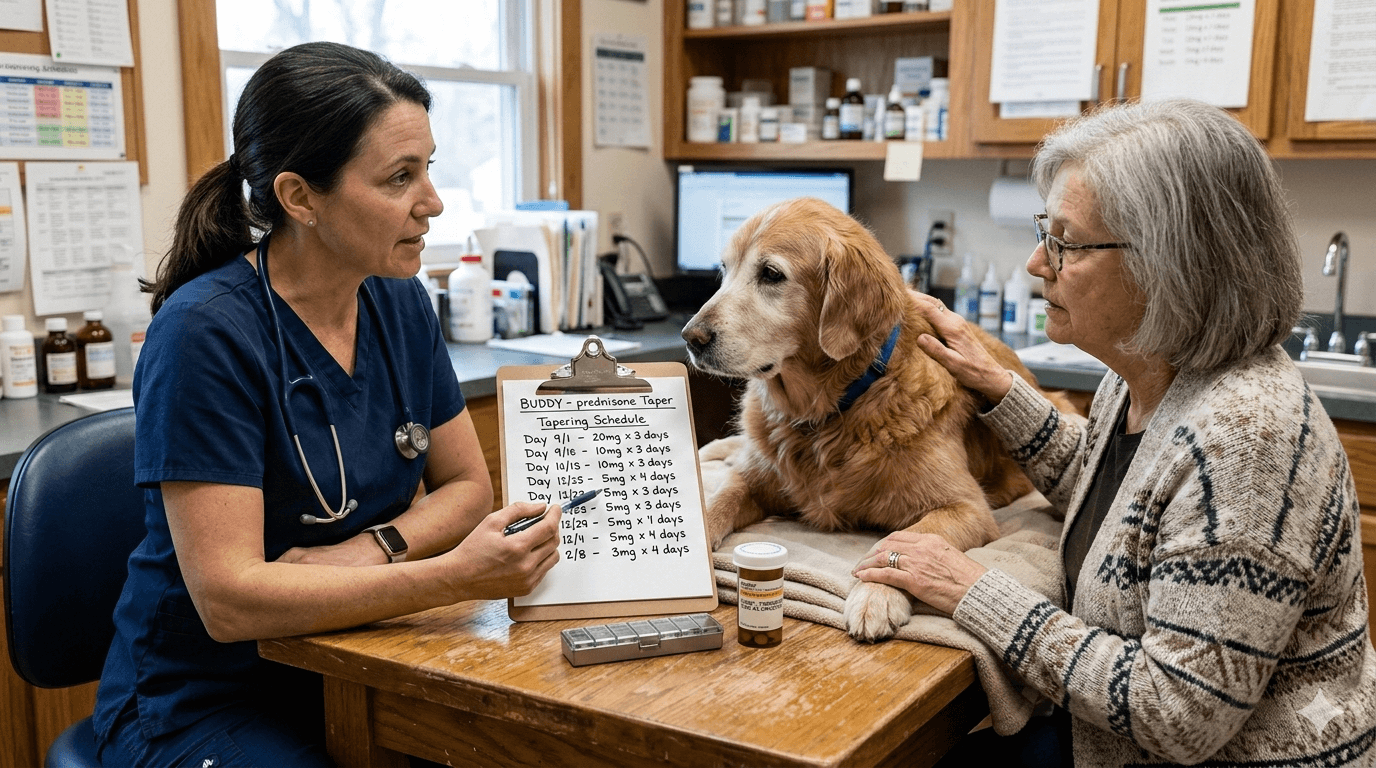
How to Taper Off Prednisone Schedule for Dogs: Best 7 Tips!

How to Taper Off Prednisone Schedule for Dogs: Best 7 Tips! – Learn the safe way to reduce prednisone, recognize withdrawal signs, and keep your dog healthy during the process.

Can a Cat Scratch Give You Rabies? Best 7 Expert Tips!

Can a Cat Scratch Give You Rabies? Best 7 Expert Tips! – Learn how rabies spreads, assess risks from cat scratches, and know when to seek medical help. Stay safe!

Can a Dog Scratch Give You Rabies? Best 7 Expert Tips!

Can a Dog Scratch Give You Rabies? Best 7 Expert Tips! – Learn the risks, symptoms, and steps to take if scratched by a dog. Stay informed and protect yourself from rabies exposure.

Leave a Reply

Your email address will not be published. Required fields are marked *