
Why Is My Cats Skin Pink?
A cat’s skin color can sometimes raise concerns, especially when it appears unusually pink. While some pinkness is normal due to thin fur or natural pigmentation, changes in skin tone may indicate underlying health issues. Understanding the possible causes helps you determine whether your cat needs veterinary attention or if it’s simply a harmless trait.
Common Causes of Pink Skin in Cats
Pink skin in cats can arise from a variety of factors, ranging from natural characteristics to potential health concerns. While some causes are harmless and simply reflect your cat’s unique biology, others may signal underlying issues that require attention. Understanding these possibilities helps you differentiate between normal variations and signs of trouble.
- Natural Pigmentation:
Some cats naturally have lighter or pinkish skin due to their genetic makeup; this is especially common in breeds with white or light-colored fur. - Thin or Sparse Fur:
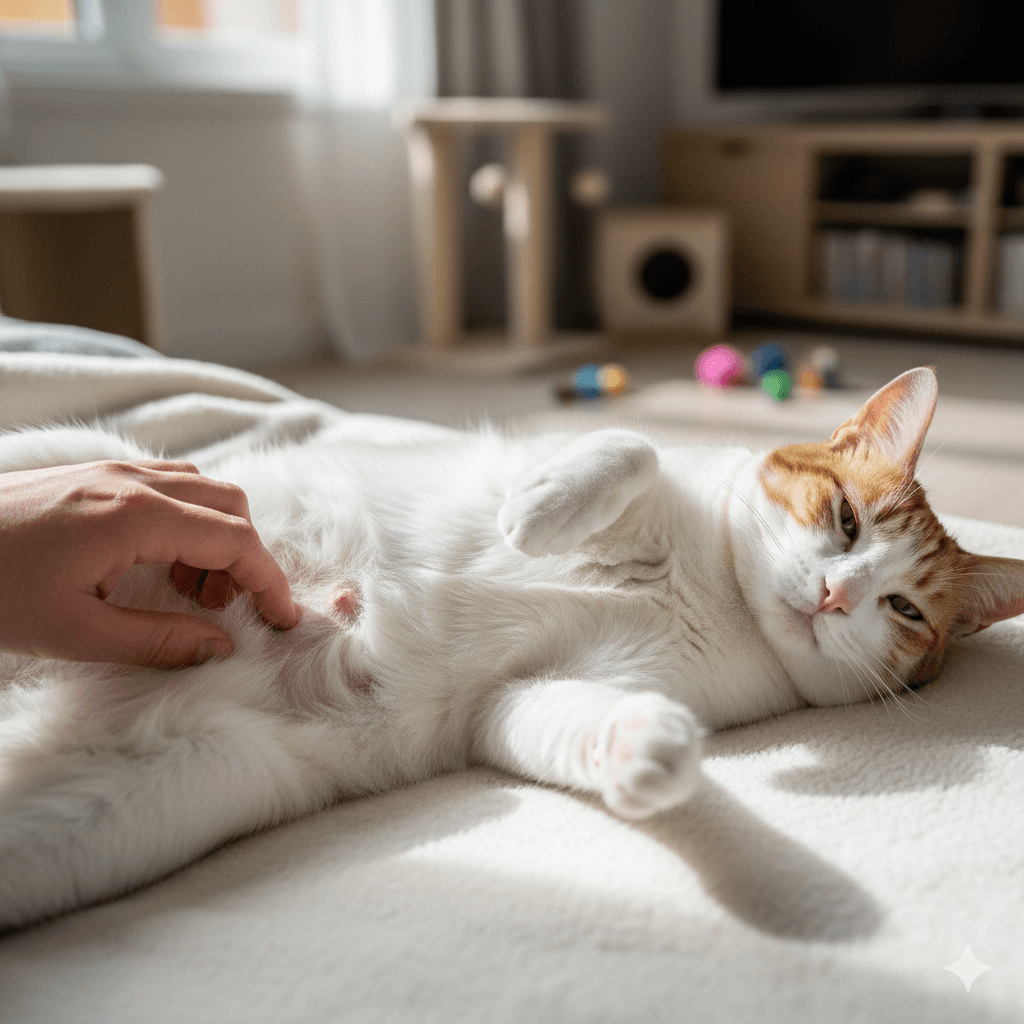
Areas with less fur, such as the belly, ears, or nose, often reveal pink skin underneath; this is normal and not a cause for concern. - Sun Exposure:
Prolonged sun exposure can temporarily redden or irritate a cat’s skin, similar to how humans experience sunburn; this is more common in outdoor cats. - Allergic Reactions:
Skin allergies to food, environmental triggers, or flea bites can cause redness, inflammation, or a pinkish hue; identifying the allergen is key to relief. - Underlying Skin Conditions:
Conditions like dermatitis, fungal infections, or parasites may lead to pink, irritated skin; persistent symptoms should be evaluated by a vet.
While many causes of pink skin are benign, recurring or worsening signs warrant professional evaluation to rule out serious conditions.
Signs Your Cat’s Pink Skin May Indicate a Problem
Not all instances of pink skin are harmless—some may point to underlying health issues that need prompt attention. Observing your cat’s behavior and skin condition closely provides valuable clues about their overall well-being.
- Excessive Scratching or Licking:
If your cat obsessively scratches or licks areas with pink skin, it could indicate irritation, allergies, or an infestation like fleas or mites. - Hair Loss Around Affected Areas:
Patchy fur or bald spots near pink skin often signal conditions like ringworm, mange, or hormonal imbalances requiring treatment. - Swelling or Redness:
Inflamed or swollen areas suggest infections, allergic reactions, or even trauma from injuries that need veterinary care. - Odor or Discharge:
Unusual smells or discharge from pink-skinned areas may indicate bacterial or fungal infections that won’t resolve without intervention. - Behavioral Changes:
Lethargy, loss of appetite, or increased aggression could accompany skin issues, signaling systemic problems affecting your cat’s health.
Early detection of these signs ensures timely treatment, preventing minor issues from escalating into major complications.
Check this guide 👉Understanding Cat Skin Colors: Best 7 Expert Tips!
Check this guide 👉Common Cat Skin Infections: Best 7 Expert Tips!
Check this guide 👉Infected Hole in Cat Skin: Best 7 Expert Tips!
Normal Causes of Pink Skin | Signs of Concern Requiring Vet Attention |
|---|---|
Natural pigmentation (genetics) | Persistent redness or irritation |
Thin or sparse fur revealing skin | Hair loss or bald patches |
Kittens with softer, immature skin | Open sores, scabs, or lesions |
Sun exposure causing temporary redness | Excessive scratching or licking |
Seasonal shedding revealing skin tone | Behavioral changes like lethargy or aggression |
How Genetics Influence Cat Skin Color
A cat’s skin color is heavily influenced by genetics, which determine everything from fur pigmentation to skin tone. Understanding these genetic factors helps explain why some cats naturally have pink or lighter skin compared to others.
- Breed-Specific Traits:
Certain breeds, such as Sphynx or Devon Rex cats, often have pinkish skin due to their lack of dense fur and unique genetic profiles. - Albino or Dilute Gene Expression:
Cats carrying albino or dilution genes may exhibit paler skin tones along with lighter coat colors like gray, cream, or white. - Pattern Variations:
Tortoiseshell, calico, or bicolor cats sometimes display patches of pink skin beneath lighter-colored fur sections. - Age-Related Changes:
Kittens frequently have softer, pinker skin that darkens slightly as they mature into adulthood. - Seasonal Shedding:
During shedding seasons, thinner fur reveals more of the underlying skin, making it appear pinker than usual.
Genetic diversity ensures every cat’s appearance is unique, and most variations are perfectly normal unless accompanied by other symptoms.
Environmental Factors Affecting Cat Skin Health
Environmental influences play a significant role in maintaining healthy skin and coat in cats. Changes in surroundings or habits can impact skin tone and overall condition, sometimes resulting in pink or irritated skin.
- Temperature Fluctuations:
Cold weather can dry out a cat’s skin, while heat may increase blood flow, making it appear redder or pinker than usual. - Humidity Levels:
Low humidity leads to dry, flaky skin, whereas high humidity promotes moisture retention but may also encourage fungal growth. - Exposure to Harsh Chemicals:
Cleaning products, shampoos, or pest repellents containing harsh ingredients can irritate sensitive skin, causing discoloration or inflammation. - Dietary Deficiencies:
Lack of essential fatty acids, vitamins, or minerals weakens skin barriers, leaving it vulnerable to damage and discoloration. - Parasite Infestations:
Fleas, ticks, or mites thrive in certain environments and directly affect skin health, leading to pinkness, scabs, or lesions.
Addressing environmental stressors proactively supports healthier skin and reduces the likelihood of complications.
The Role of Diet in Maintaining Healthy Skin
Nutrition plays a crucial role in keeping your cat’s skin and coat healthy. A balanced diet rich in essential nutrients prevents dryness, irritation, and discoloration, ensuring vibrant skin and shiny fur.
- Omega-3 Fatty Acids:
Found in fish oil or flaxseed, omega-3s reduce inflammation and promote supple, hydrated skin. - Vitamin E:
This antioxidant protects skin cells from oxidative stress, preventing dryness and flakiness. - Zinc Supplementation:
Zinc deficiency can lead to crusting, scaling, and changes in skin pigmentation; supplements restore balance. - Hydration Levels:
Proper water intake keeps skin moisturized from within, reducing the risk of dryness or irritation. - High-Quality Protein Sources:
Protein builds and repairs tissues, including skin cells, supporting overall resilience and health.
Feeding a species-appropriate diet tailored to your cat’s needs fosters long-term skin health and minimizes abnormal discoloration.
When to Consult a Veterinarian About Pink Skin
While occasional pinkness is normal, persistent or severe cases require professional evaluation to rule out serious conditions. Knowing when to seek veterinary care ensures your cat receives timely treatment and avoids unnecessary discomfort.
- Unexplained Hair Loss:
Sudden bald patches or widespread thinning alongside pink skin indicate potential hormonal or immune disorders. - Chronic Itching or Scratching:
Ongoing irritation suggests allergies, parasites, or infections that won’t resolve without medical intervention. - Open Sores or Lesions:
Ulcers, scabs, or wounds on pink skin may result from self-trauma, infections, or systemic diseases like cancer. - Behavioral Shifts:
Changes in activity levels, appetite, or mood often accompany skin issues linked to pain or illness. - Progressive Discoloration:
Gradual darkening, brightening, or mottling of previously normal skin points to underlying metabolic or dermatological problems.
Veterinary expertise provides clarity and peace of mind, guiding you toward effective solutions for your cat’s specific needs.
Preventing Skin Issues in Cats Through Proactive Care
Preventive measures go a long way in maintaining your cat’s skin health and minimizing the risk of pinkness or irritation. Regular grooming, monitoring, and adjustments to their environment or routine foster lasting wellness.
- Routine Grooming Sessions:
Brushing removes loose fur, distributes natural oils, and allows you to inspect skin for early signs of trouble. - Balanced Nutrition:
Feeding high-quality food fortified with vitamins, minerals, and fatty acids supports optimal skin function. - Parasite Prevention:
Monthly flea, tick, and mite treatments protect against infestations that compromise skin integrity. - Safe Sun Exposure:
Limit time outdoors during peak sunlight hours and apply pet-safe sunscreen to prevent sunburn on exposed areas. - Stress Reduction Techniques:
Minimizing anxiety through enrichment activities, predictable routines, and calming aids reduces stress-related skin flare-ups.
Proactive care not only prevents issues but also strengthens the bond between you and your feline companion, ensuring a happy, healthy life together.
“White, ginger, and brown cats will have pink skin, while grey and black cats will have grey skin. Calicos might have patches of both pink and grey skin.”
–Purina Pet Expert Team
Frequently Asked Questions About Pink Skin in Cats
Is it normal for my cat’s skin to be pink?
Yes, some cats naturally have pink skin due to genetics, thin fur, or light pigmentation. However, sudden or widespread pinkness may indicate an issue.
Can sunburn cause pink skin on my cat?
Yes, prolonged sun exposure can redden or irritate a cat’s skin, especially in areas with little fur. Use pet-safe sunscreen to protect them.
Why does my cat’s belly skin look pink?
The belly often has thinner fur and more delicate skin, making it appear pink. This is usually normal unless accompanied by other symptoms.
Why does my cat’s belly skin look pink?
Check for fleas, allergies, or injuries. If irritation persists or worsens, consult your vet to rule out infections or other conditions.
Are certain cat breeds more prone to pink skin?
Yes, hairless breeds like Sphynx or cats with white fur are more likely to have pink skin due to their genetic traits and lack of protective fur.
Supporting Your Cat’s Skin Health
Understanding why your cat’s skin appears pink empowers you to provide the best care possible. Whether it’s a natural trait, a temporary reaction, or a sign of an underlying issue, staying observant ensures your cat remains healthy and comfortable. By addressing potential causes proactively—through proper grooming, nutrition, and veterinary guidance—you create a safe environment where their unique needs are met. Remember, even subtle changes in skin tone or behavior deserve attention, as they often reflect your cat’s overall well-being. With patience, knowledge, and love, you’ll continue to nurture a thriving, happy companion who feels as good as they look.

Is Rawhide Bad for Cats? Best 7 Expert Tips! – Discover the risks, safe alternatives, and expert advice to keep your feline friend healthy and happy.

Is Rawhide Bad for Dogs? Best 7 Expert Tips! – Discover the risks, benefits, and safer alternatives to rawhides for your dog’s chewing needs.

Understanding Anorexia in Cats: Best 7 Expert Tips! – Learn why cats stop eating, spot warning signs, and discover how to help your feline regain appetite safely.

Understanding Anorexia in Dogs: Best 7 Expert Tips! – Learn causes, symptoms, and solutions to help your dog regain appetite and stay healthy.