

Why Is My Cat Suddenly Territorial? Best 7 Expert Tips!

Why Is My Cat Suddenly Territorial? Best 7 Expert Tips!

Why Is My Cat Suddenly Territorial?

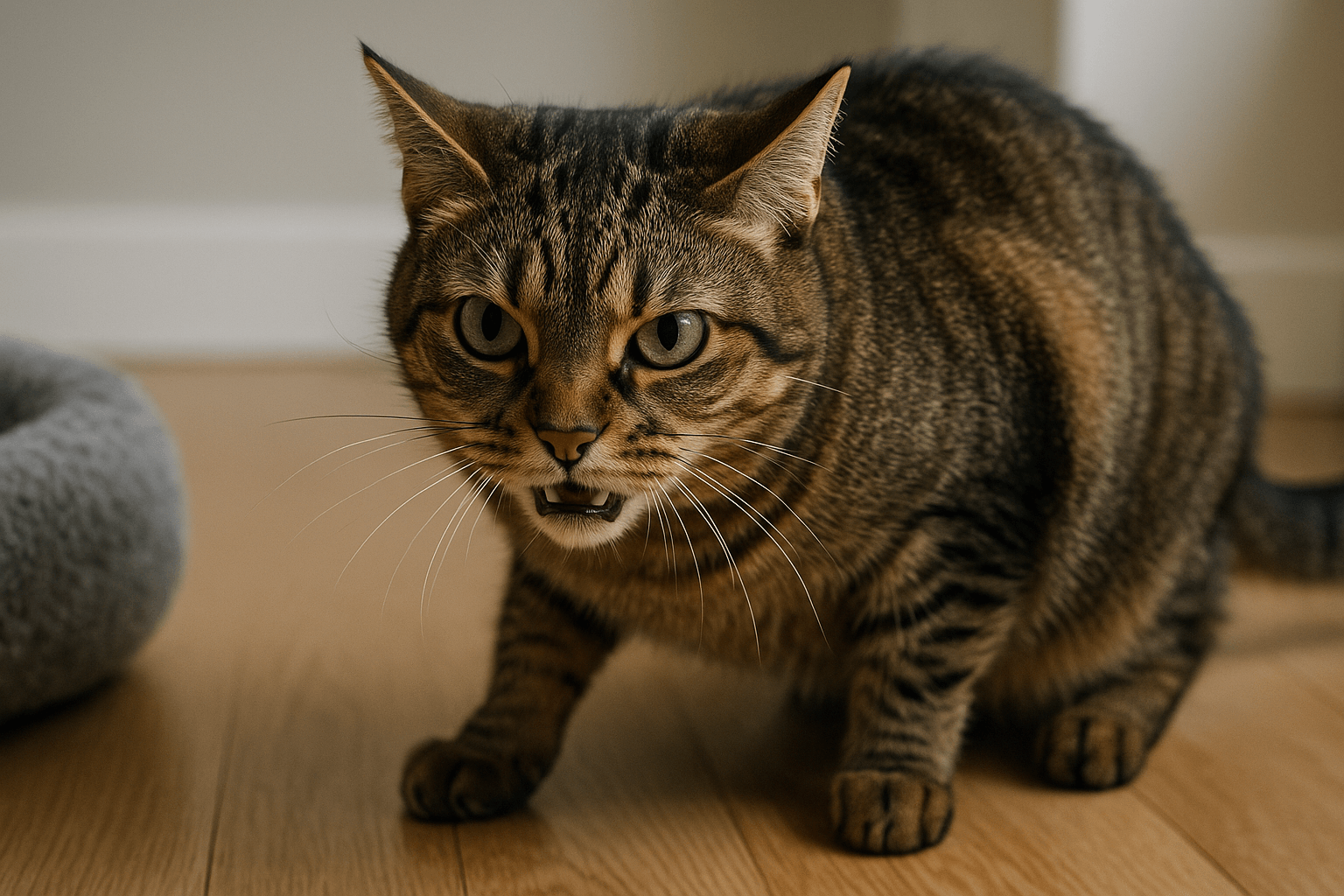
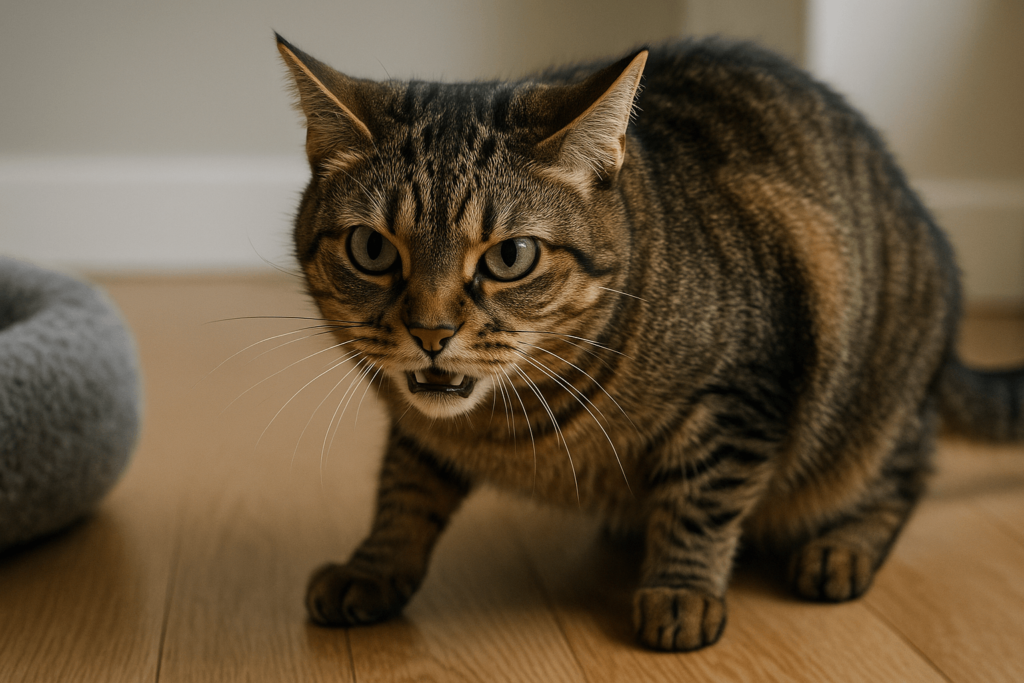
Cats are masters of subtlety, but when their behavior shifts dramatically—especially toward aggression or guarding spaces—it’s impossible to ignore. If your once-calm companion is hissing at visitors, blocking doorways, or swatting at other pets, you’re likely wondering: why is my cat suddenly territorial? This behavior, while unsettling, is rarely random. It’s a response to changes in environment, health, or social dynamics. Understanding the root cause is the first step toward restoring peace—for both your cat and your household.

Common Triggers Behind Sudden Territorial Behavior

Territoriality in cats is instinctual, but a sudden shift usually signals an underlying trigger. Below are the most frequent reasons this behavior emerges unexpectedly.

 
  • Environmental Changes:
    Moving furniture, renovating, or even rearranging a room can disrupt your cat’s sense of security, prompting defensive territorial responses.

  • New People or Pets:
    The arrival of a baby, roommate, dog, or even a visiting relative can be perceived as an invasion of your cat’s domain.

  • Medical Issues:
    Pain, arthritis, hyperthyroidism, or cognitive decline (especially in seniors) can increase irritability and territorial guarding.

  • Outdoor Intruders:
    A neighborhood cat seen through a window or lingering near your yard can trigger intense defensive behavior indoors.

  • Stress or Anxiety:
    Loud noises, inconsistent routines, or lack of stimulation can heighten stress, making your cat more reactive and controlling.


Recognizing these triggers allows you to address the real issue—not just the symptom. With patience and observation, most territorial episodes can be resolved or significantly reduced.

Why Is My Cat Suddenly Territorial? Best 7 Expert Tips!

How Cats Express Territorial Behavior

Territoriality isn’t always loud or aggressive. Cats communicate their boundaries through subtle—and sometimes overt—signals that can easily be misread.

 
  • Blocking Access:
    Your cat may sit in doorways, on stairs, or near favorite furniture to prevent others from entering “their” space.

  • Scent Marking:
    Rubbing cheeks on objects (friendly marking) may increase—but so might urine spraying or scratching in prominent areas.

  • Vocal Aggression:
    Growling, hissing, or yowling at specific people, pets, or even reflections indicates active territorial defense.

  • Resource Guarding:
    Aggression around food bowls, litter boxes, or sleeping spots suggests your cat feels their essential resources are threatened.

  • Staring or Stalking:
    Intense, unwavering eye contact or slow tail flicks while watching another pet are signs of territorial vigilance.


While these behaviors may feel personal, they’re rarely malicious. Your cat isn’t being “bad”—they’re trying to regain control in a world that suddenly feels unpredictable.

Territorial Triggers Typical Feline Responses
New pet in the home Hissing, swatting, or avoiding shared spaces
Outdoor cat visible through window Spraying, vocalizing, or excessive scratching near windows
Household move or renovation Hiding, guarding quiet corners, or eliminating outside the litter box
Owner’s new partner or baby Increased clinginess to one person or aggression toward the newcomer
Medical pain or aging Defensive posturing, reluctance to be touched, or guarding sleeping areas

The Role of Age and Life Stage in Territorial Shifts

A cat’s age significantly influences how and why territorial behavior emerges—especially when it appears “out of the blue.”

 
  • Kittens and Young Adults:
    Territorial behavior may spike during social maturity (around 1–2 years) as they establish identity and hierarchy.

  • Middle-Aged Cats:
    Generally stable, but sudden changes (like a new pet) can trigger strong reactions due to established routines.

  • Senior Cats:
    Cognitive decline, hearing loss, or pain can make older cats more irritable and prone to guarding familiar spaces.

  • Unneutered/Unspayed Cats:
    Hormones dramatically increase territorial instincts—urine marking and aggression are common without sterilization.

  • Recently Adopted Cats:
    Even after weeks of calm, a rescue cat may suddenly act territorial once they feel secure enough to “claim” their space.


Age isn’t destiny—but it’s a powerful lens. Adjusting your expectations and environment to match your cat’s life stage makes a profound difference in managing territoriality.


Medical Conditions That Mimic Territorial Aggression

Before labeling your cat as “territorial,” rule out hidden health issues that can cause identical behaviors.

 
  • Arthritis or Joint Pain:
    A cat in pain may hiss or swat when approached, especially near their resting area, to avoid being touched.

  • Hyperthyroidism:
    This common condition in older cats leads to anxiety, restlessness, and increased aggression.

  • Dental Disease:
    Mouth pain can make cats irritable and defensive—particularly around food or during handling.

  • Urinary Tract Infections (UTIs):
    Discomfort may cause litter box avoidance and guarding of the area, mistaken for territorial marking.

  • Feline Cognitive Dysfunction:
    Similar to dementia, this condition causes confusion, anxiety, and inappropriate territorial reactions.


A sudden behavior shift—even if it looks like classic territoriality—always warrants a veterinary checkup. Pain often speaks through behavior when a cat can’t use words.

How to Reduce Territorial Behavior in Multi-Pet Homes

Living with multiple animals requires careful balance. Territorial tension is common—but manageable—with the right strategies.

 
  • Provide Separate Resources:
    Each cat should have their own food bowl, water station, litter box, and resting spot to reduce competition.

  • Create Vertical Space:
    Cat trees, shelves, and window perches allow cats to establish personal zones without floor-level conflict.

  • Use Gradual Introductions:
    Never force interaction. Use scent swapping, barrier gates, and supervised visits over days or weeks.

  • Employ Feliway Diffusers:
    These synthetic pheromone devices mimic calming signals and reduce stress-related territoriality.

  • Maintain Consistent Routines:
    Predictable feeding, play, and sleep schedules create security, lowering the need for defensive behavior.


In multi-cat households, territory isn’t just physical—it’s emotional. Giving each cat room to exist without competition builds long-term harmony.

Practical Steps to Calm a Suddenly Territorial Cat

Rebuilding your cat’s sense of safety is the fastest path to reducing territorial outbursts.

 
  • Identify and Remove Triggers:
    If a neighbor’s cat is visible through the window, close blinds or apply opaque film to limit sightlines.

  • Avoid Punishment:
    Yelling or physical correction increases fear and worsens territorial aggression—never scold for instinctual behavior.

  • Increase Enrichment:
    Daily play sessions with wand toys simulate hunting, reduce anxiety, and redirect territorial energy.

  • Offer Safe Retreats:
    Provide cozy, elevated hideaways where your cat can observe without feeling exposed or threatened.

  • Respect Their Boundaries:
    If your cat growls when approached, back off. Forcing interaction reinforces their belief that threats are real.


Healing territorial behavior isn’t about dominance—it’s about trust. Every small act of patience rebuilds the bond your cat relies on.

When to Seek Professional Help

Most territorial shifts resolve with environmental adjustments—but some cases need expert intervention.

 
  • Escalating Aggression:
    If your cat bites, attacks without warning, or injures others, consult a veterinary behaviorist immediately.

  • Persistent Spraying:
    Urine marking that continues despite neutering and environmental fixes may require behavioral therapy.

  • Fear-Based Territoriality:
    Cats that hide constantly or tremble when guarding space may need anti-anxiety medication alongside behavior modification.

  • No Improvement After 4–6 Weeks:
    If your strategies yield no change, a professional can uncover hidden causes or refine your approach.

  • Multi-Pet Household Breakdown:
    When pets can’t coexist safely, a certified cat behavior consultant can design a customized reintegration plan.


There’s no shame in asking for help. Seeking support is a sign of responsible, loving care—not failure.

Frequently Asked Questions About Sudden Territorial Behavior

Why is my cat suddenly territorial toward me?

Your cat may associate you with a stressor (like a recent vet visit) or feel their routine has been disrupted. Rebuild trust through calm interactions and treats.

Yes—spaying or neutering significantly lowers hormone-driven aggression and spraying, especially if done before 6 months of age.

Cats don’t experience jealousy like humans, but they do react to perceived threats to their resources or attention—often misinterpreted as jealousy.

Most cats adjust within 2–8 weeks if provided with stability, safety, and consistent routines. Some may take longer, especially rescues or seniors.

No. Punishment increases fear and worsens aggression. Focus on removing triggers, positive reinforcement, and creating safe alternatives.

Restoring Peace Through Understanding

Territorial behavior is your cat’s way of saying the world feels unsafe. Rather than a problem to suppress, it’s a message to listen to. By addressing medical needs, respecting boundaries, and enriching their environment, you transform fear into confidence. A territorial cat isn’t “difficult”—they’re communicating. And with compassion, consistency, and the right support, that message can shift from “stay away” to “welcome home.” Your patience today builds trust that lasts a lifetime.

Is Rawhide Bad for Cats? Best 7 Expert Tips!

Is Rawhide Bad for Cats? Best 7 Expert Tips! – Discover the risks, safe alternatives, and expert advice to keep your feline friend healthy and happy.

Is Rawhide Bad for Dogs? Best 7 Expert Tips!

Is Rawhide Bad for Dogs? Best 7 Expert Tips! – Discover the risks, benefits, and safer alternatives to rawhides for your dog’s chewing needs.

Understanding Anorexia in Cats: Best 7 Expert Tips!

Understanding Anorexia in Cats: Best 7 Expert Tips! – Learn why cats stop eating, spot warning signs, and discover how to help your feline regain appetite safely.

Understanding Anorexia in Dogs: Best 7 Expert Tips!

Understanding Anorexia in Dogs: Best 7 Expert Tips! – Learn causes, symptoms, and solutions to help your dog regain appetite and stay healthy.

Leave a Reply

Your email address will not be published. Required fields are marked *