
Why Is My Cat So Talkative? Decoding Feline Communication
Cats are fascinating creatures, each with their own unique personality. While some cats are quiet and reserved, others seem to have an endless stream of meows, chirps, and purrs. If you’re wondering why your cat is so talkative, you’re not alone. Many cat owners find themselves intrigued by their feline companion’s vocal tendencies. Understanding why your cat communicates so much can deepen your bond and help you meet their needs more effectively. In this blog post, we’ll explore the reasons behind your cat’s chatter and how you can interpret their language.
Common Reasons Why Cats Are Vocal
Cats use vocalizations as a way to express themselves, and there are several common reasons why your cat might be particularly chatty. Below are some key explanations for your cat’s talkative nature:
Attention-Seeking Behavior
Cats often meow to get your attention, whether they want food, playtime, or simply companionship.Hunger or Thirst
A talkative cat might be signaling that it’s time for their next meal or that their water bowl needs refilling.Loneliness or Boredom
If your cat spends long hours alone, they may meow to express their need for interaction or stimulation.Excitement or Anticipation
Cats sometimes vocalize when they’re excited about something, like hearing the sound of a treat bag or seeing a bird outside the window.Health Concerns
Excessive meowing can sometimes indicate underlying health issues, such as pain or cognitive dysfunction in older cats.
Understanding these reasons can help you identify what your cat is trying to communicate. By observing their behavior and responding appropriately, you can strengthen your bond and ensure their well-being.
Breeds Known for Being Talkative
Some cat breeds are naturally more vocal than others. If your cat belongs to one of these breeds, their talkative nature might simply be a characteristic of their genetics. Here’s a look at some breeds known for their chattiness:
Siamese Cats
Siamese cats are famous for their loud and frequent vocalizations. They love to “talk” to their owners and will often follow them around the house while meowing.Bengal Cats
Bengals are energetic and intelligent, and they use their voice to express their curiosity and excitement about the world around them.Maine Coons
Known as “gentle giants,” Maine Coons are friendly and social cats who enjoy communicating with their humans through soft chirps and meows.Oriental Shorthairs
This breed is highly interactive and loves engaging in conversations with their owners, often using a variety of sounds.Sphynx Cats
Sphynx cats are affectionate and demand attention, often expressing themselves through persistent meowing and purring.
If your cat is one of these breeds, their talkativeness is likely a natural trait. However, even mixed-breed cats can inherit or develop a penchant for vocal communication.
Check this guide 👉Why Your Cat Is Wheezing: Best 7 Health Tips!
Check this guide 👉Why Is My Cat Drooling Thick Saliva? Best 7 Expert Tips!
Check this guide 👉Why Is My Cat Eating My Hair? Best 7 Expert Tips!
Reasons for Talkativeness | How to Respond |
|---|---|
Hunger or Thirst | Ensure food and water bowls are always full. |
Loneliness or Boredom | Spend quality time playing or cuddling. |
Attention-Seeking | Acknowledge their needs without overindulging. |
Excitement | Redirect their energy with toys or activities. |
Health Issues | Consult a veterinarian if excessive meowing persists. |
Ways to Manage Your Cat’s Vocalization
If your cat’s talkativeness becomes overwhelming, there are steps you can take to manage their vocal behavior. Here are some practical tips to help you handle a chatty cat:
Establish a Routine
Cats thrive on consistency. Feeding, playing, and sleeping at regular times can reduce unnecessary meowing.Provide Mental Stimulation
Interactive toys, puzzle feeders, and climbing structures can keep your cat entertained and less likely to seek attention through meowing.Ignore Attention-Seeking Meows
Rewarding your cat with attention for meowing can reinforce the behavior. Instead, wait until they’re quiet before giving them what they want.Create a Calming Environment
Stress can make cats more vocal. Use calming scents, music, or pheromone diffusers to create a peaceful atmosphere.Rule Out Medical Issues
Schedule a vet visit to rule out any underlying health problems that could be causing excessive vocalization.
By implementing these strategies, you can encourage healthier communication habits while ensuring your cat feels heard and cared for.
Signs Your Cat Is Trying to Communicate Something Important
While most meowing is harmless, certain signs may indicate that your cat is trying to convey something urgent. Pay attention to these red flags:
Loud or Persistent Meowing
If your cat suddenly starts meowing loudly and won’t stop, it could signal distress or discomfort.Changes in Vocal Patterns
A shift from normal meowing to yowling or growling might indicate pain or confusion.Accompanying Physical Symptoms
Look for signs like limping, lethargy, or changes in appetite, which could point to health issues.Nighttime Vocalization
Older cats experiencing cognitive decline may become more vocal at night due to disorientation.Agitation or Restlessness
If your cat seems restless and vocalizes excessively, they might be trying to tell you they need immediate care.
Being attuned to these signals can help you address potential problems early and ensure your cat stays happy and healthy.
Understanding Your Cat’s Body Language Alongside Vocalizations
While meowing is a primary way cats communicate, their body language often complements their vocal expressions. Observing both can give you a clearer picture of what your cat is trying to convey. Here are some common combinations of vocalizations and body language cues:
Tail Position and Meowing
A raised tail with gentle meowing often indicates happiness or greeting.Flattened Ears and Growling
This combination suggests fear or aggression, signaling that your cat feels threatened.Purring While Kneading
Purring paired with kneading typically reflects contentment and relaxation.Hissing with Arched Back
If your cat hisses while arching its back, it’s likely feeling defensive or scared.Slow Blinks with Soft Chirps
Slow blinking accompanied by soft chirps is a sign of trust and affection.
By paying attention to these subtle signals, you can better interpret your cat’s emotional state and respond accordingly.
Fun Facts About Talkative Cats
Talkative cats have fascinated humans for centuries, and there’s no shortage of interesting tidbits about their vocal behaviors. Below are some fun facts that highlight the uniqueness of chatty felines:
Cats Developed Meowing to Communicate with Humans
Adult cats rarely meow at each other; this behavior is primarily reserved for interacting with people.Each Cat Has a Unique “Voice”
Just like humans, every cat has its own distinct tone, pitch, and style of meowing.Siamese Cats Are Legendary for Their Loud Voices
Siamese cats are known not only for being talkative but also for their ability to project their voices across rooms.Kittens Meow to Get Their Mother’s Attention
Kittens rely heavily on meowing to communicate hunger or distress to their mother.Some Cats Use Trills and Chirps to Express Excitement
These high-pitched sounds are often used when a cat is eager to play or explore.
These fascinating insights remind us just how special our feline companions are and why their vocal quirks are worth celebrating.
Tips for Bonding with a Talkative Cat
If you’re lucky enough to share your home with a talkative cat, strengthening your bond can be incredibly rewarding. Here are some tips to deepen your connection through communication:
Respond to Their Meows
Acknowledge your cat’s vocalizations by talking back or offering a treat—this reinforces positive interaction.Engage in Playtime Regularly
Interactive play sessions help burn off excess energy and reduce unnecessary meowing.Teach Simple Commands
Cats can learn basic commands like “come” or “sit,” which can enhance mutual understanding.Use Positive Reinforcement
Reward quiet moments with praise or treats to encourage calm behavior.Spend Quality Time Together
Whether it’s grooming, cuddling, or simply sitting nearby, quality time strengthens your relationship.
By nurturing your bond, you’ll create an environment where your talkative cat feels loved, understood, and valued—a win-win for both of you!
Frequently Asked Questions About Talkative Cats
Why does my cat meow at me constantly?
Your cat may be seeking attention, food, or companionship. It’s also possible they’re feeling lonely or bored.
Is it normal for cats to meow a lot?
Yes, some cats are naturally more vocal than others, especially certain breeds like Siamese or Bengal.
Can excessive meowing be a sign of illness?
Yes, sudden or extreme changes in vocalization can indicate health issues. Consult a vet if you notice unusual behavior.
How can I stop my cat from meowing too much?
Establish a routine, provide mental stimulation, and avoid rewarding attention-seeking meows.
Do cats meow differently depending on their mood?
Absolutely! Cats adjust their tone, pitch, and frequency based on what they’re trying to communicate.
Embracing Your Cat’s Unique Voice
Living with a talkative cat can be both endearing and challenging. Their meows, chirps, and purrs are part of what makes them such delightful companions. By understanding the reasons behind their vocalizations and responding appropriately, you can build a stronger connection with your feline friend. Remember, every cat is unique, and their communication style reflects their personality and needs. Whether they’re asking for food, expressing excitement, or simply saying “hello,” embracing their chatter is all part of the joy of cat ownership. So the next time your cat strikes up a conversation, take a moment to listen—they might just have something important to share.
How to Check Your Cat for a Fever: Best 7 Expert Tips! – Learn the signs, safe temperature checks, and when to see a vet. Keep your feline healthy and happy!

How to Check Your Dog for a Fever: Best 7 Expert Tips! – Learn the signs, safe temperature checks, and when to see a vet if your dog has a fever.
Hypothyroidism and Its Impact on Cat Skin: Best 7 Tips! – Discover how hypothyroidism affects your cat’s skin, spot symptoms early, and learn effective care strategies to keep your feline healthy.
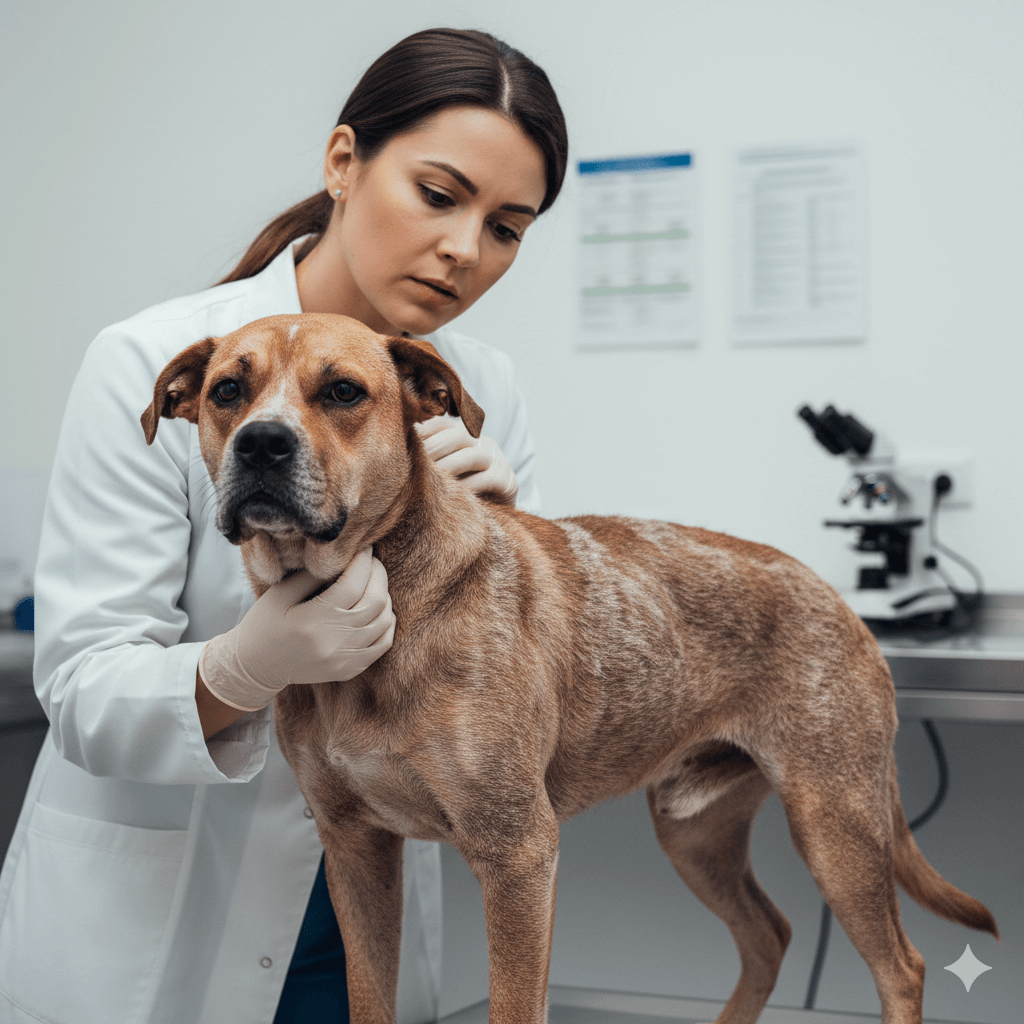
Hypothyroidism and Its Impact on Dog Skin: Best 7 Tips! – Discover how hypothyroidism affects your dog’s skin, spot symptoms early, and learn effective care strategies to restore their health.