
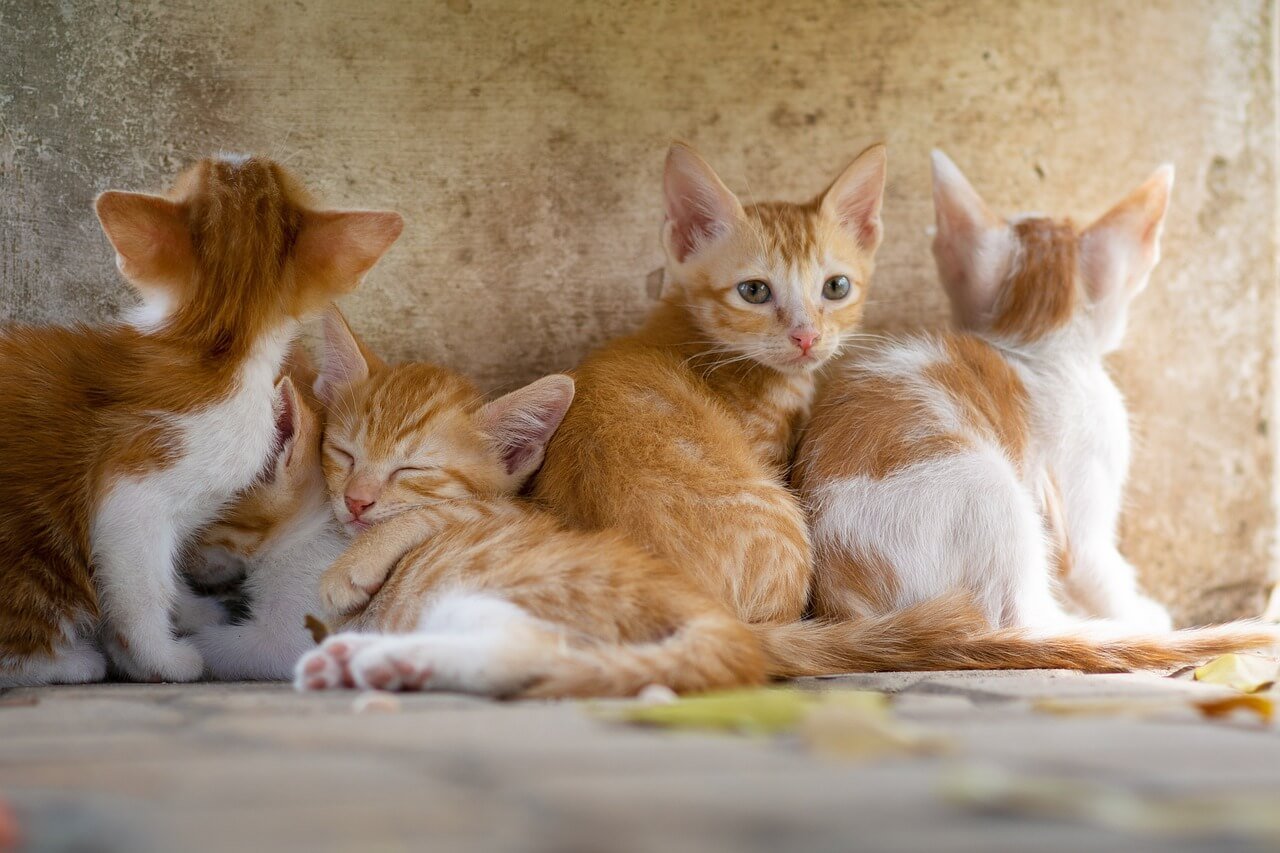


Why Is My Cat So Aggressive? Best 7 Behavior Tips!

Why Is My Cat So Aggressive? Best 7 Behavior Tips!

Why Is My Cat So Aggressive? Understanding Feline Behavior

Aggression in cats can be confusing and concerning for pet owners. Whether your cat is hissing, swatting, or biting, it’s natural to wonder what might be causing this behavior. Cats are complex creatures, and their aggression often stems from a variety of factors, ranging from fear and stress to territorial instincts or unmet needs. Understanding the root cause of your cat’s aggression is the first step toward addressing the issue and fostering a harmonious relationship. In this blog post, we’ll explore why cats exhibit aggressive behavior, how to identify triggers, and what you can do to help your feline friend feel more secure and content. Let’s unravel the mystery behind your cat’s actions and find solutions together.

Common Causes of Aggression in Cats

Cats may display aggression for a variety of reasons, and understanding these causes can help you address the behavior effectively. Here are some common triggers:

 
  • Fear or Anxiety
    Cats often react aggressively when they feel threatened or scared, whether by unfamiliar people, loud noises, or sudden changes in their environment.

     
  • Territorial Instincts
    Cats are naturally territorial animals, and they may become aggressive to defend their space from other pets or perceived intruders.

     
  • Play Aggression
    Young cats, in particular, may engage in rough play that resembles aggression, such as pouncing, chasing, or biting.

     
  • Redirected Aggression
    If a cat is upset by something they can’t reach (like a bird outside), they may redirect their frustration toward nearby humans or pets.

     
  • Pain or Illness
    Underlying medical conditions, such as arthritis or dental pain, can make a cat irritable and prone to lashing out.


Identifying the specific cause of your cat’s aggression is crucial for finding the right solution. Once you understand the trigger, you can take steps to address it and create a calmer environment for your pet.


Signs That Your Cat Is Feeling Aggressive

Recognizing the signs of aggression can help you intervene before the situation escalates. Here are some common behaviors to watch for:

 
  • Hissing or Growling
    These vocalizations are clear warnings that your cat feels threatened or uncomfortable.

     
  • Flattened Ears
    When a cat’s ears are pressed back against their head, it’s a sign they’re feeling defensive or aggressive.

     
  • Puffed-Up Tail
    A tail that’s bushy and held high indicates heightened arousal, often linked to fear or anger.

     
  • Swatting or Biting
    Physical attacks, even if playful, can escalate into more serious aggression if not addressed.

     
  • Staring with Dilated Pupils
    Intense staring combined with wide eyes signals that your cat is on high alert and ready to react.


By paying attention to these signs, you can better anticipate your cat’s behavior and take steps to de-escalate potential conflicts. Early intervention is key to preventing aggressive incidents.

Why Is My Cat So Aggressive? Best 7 Behavior Tips!
Types of Cat Aggression
How to Address It
Fear-Based Aggression
Create a safe, quiet space for your cat
Territorial Aggression
Gradually introduce new pets or changes
Play Aggression
Provide appropriate toys and outlets for energy
Redirected Aggression
Identify and remove the source of frustration
Pain-Induced Aggression
Schedule a vet check-up to rule out illness

How to Calm an Aggressive Cat

Managing your cat’s aggression requires patience and consistency. Here are some practical tips to help calm your feline friend:

 
  • Provide Safe Spaces
    Offer hiding spots, such as cat trees or cozy beds, where your cat can retreat when they feel overwhelmed.

     
  • Use Positive Reinforcement
    Reward calm behavior with treats, praise, or affection to encourage non-aggressive actions.

     
  • Avoid Punishment
    Punishing your cat for aggressive behavior can increase their fear and anxiety, making the problem worse.

     
  • Engage in Regular Play
    Interactive play sessions with toys like wand teasers or laser pointers can help burn off excess energy.

     
  • Consult a Veterinarian
    Rule out underlying health issues that could be contributing to your cat’s aggression.


By implementing these strategies, you can help your cat feel more secure and reduce instances of aggressive behavior. Remember, progress takes time, so be patient and consistent.

Preventing Aggression in Multi-Cat Households

Living with multiple cats can sometimes lead to conflicts and aggression. Here are some tips to maintain harmony in a multi-cat home:

 
  • Introduce Cats Gradually
    Allow new cats to get used to each other’s scent before meeting face-to-face to reduce territorial disputes.

     
  • Provide Separate Resources
    Ensure each cat has their own food bowls, litter boxes, and sleeping areas to prevent competition.

     
  • Neuter or Spay Your Cats
    Altering your cats can reduce hormonal aggression and territorial marking behaviors.

     
  • Monitor Interactions
    Keep an eye on how your cats interact and separate them if tensions arise.

     
  • Use Pheromone Diffusers
    Products like Feliway can help create a calming atmosphere and reduce stress-related aggression.


By taking these steps, you can minimize conflicts and foster a peaceful coexistence among your cats. A little planning goes a long way in preventing aggression.

Common Misconceptions About Cat Aggression

There are several misconceptions about why cats become aggressive, which can lead to misunderstandings and ineffective solutions. Here are some common myths and the truth behind them:

 
  • Myth: Aggressive Cats Are “Bad” Cats
    In reality, aggression is often a response to fear, stress, or discomfort, not a sign of inherent bad behavior.

     
  • Myth: Cats Always Grow Out of Aggression
    While some kittens may outgrow play aggression, unresolved issues can persist into adulthood if not addressed early.

     
  • Myth: Punishment Fixes Aggression
    Punishing an aggressive cat can escalate their fear and anxiety, making the problem worse instead of resolving it.

     
  • Myth: Only Male Cats Are Aggressive
    Both male and female cats can display aggression, though unneutered males may be more prone to territorial disputes.

     
  • Myth: Aggression Is Always Intentional
    Sometimes, cats lash out due to pain or illness without realizing their behavior is perceived as aggressive.


Understanding these misconceptions helps pet owners approach aggression with empathy and patience, leading to more effective solutions.


Fun Facts About Feline Behavior and Aggression

Cats are fascinating creatures, and their behaviors, including aggression, often have intriguing explanations rooted in their biology and instincts. Here are some fun facts about feline behavior:

 
  • Cats Use Aggression to Communicate
    Aggression is one of many ways cats express their needs, boundaries, and emotions to humans and other animals.

     
  • Kittens Learn Bite Inhibition Through Play
    Young cats learn how hard they can bite during play with littermates, which shapes their social interactions later in life.

     
  • Cats Have Incredible Reflexes
    Their quick reflexes allow them to react defensively or aggressively in milliseconds, often surprising their owners.

     
  • Territorial Behavior Dates Back to Their Wild Ancestors
    Domestic cats inherited their territorial instincts from wild ancestors like African wildcats, who needed to defend resources.

     
  • Cats Can Hold Grudges
    While not true grudges, cats can remember negative experiences and may act aggressively if similar situations arise.


These fun facts highlight the complexity of feline behavior and remind us that aggression is often a natural part of their communication and survival instincts.

Tips for Preventing Aggression During Vet Visits

Visiting the veterinarian can be stressful for cats, often triggering fear-based aggression. Here are some tips to make vet visits smoother and reduce the likelihood of aggressive behavior:

 
  • Use a Comfortable Carrier
    Choose a well-ventilated carrier with soft bedding to make your cat feel secure during transport.

     
  • Desensitize Your Cat to the Carrier
    Leave the carrier out at home with treats inside to create positive associations before the visit.

     
  • Bring Familiar Items
    Include a blanket or toy with your scent to comfort your cat in an unfamiliar environment.

     
  • Stay Calm Yourself
    Cats can sense their owner’s anxiety, so staying relaxed can help keep them calm as well.

     
  • Ask for Gentle Handling
    Communicate with the vet staff about your cat’s temperament to ensure they handle your pet gently and patiently.


By preparing your cat and yourself for vet visits, you can minimize stress and prevent fear-based aggression. A little preparation goes a long way in ensuring a positive experience for both you and your feline companion.

Frequently Asked Questions About Cat Aggression

Why does my cat bite me during petting?

This could be overstimulation or discomfort. Pay attention to your cat’s body language and stop petting if they seem agitated.

Yes, many kittens grow out of rough play as they mature, but providing appropriate outlets for energy can help speed up the process.

No, punishment can increase fear and worsen aggression. Focus on positive reinforcement instead.

Look for signs like limping, excessive grooming, or avoiding touch, and consult a vet for a thorough check-up.

Yes, neutering can decrease hormonal aggression and territorial behaviors in many cases.

Building a Peaceful Relationship with Your Cat

Understanding why your cat is aggressive is the first step toward resolving the issue and strengthening your bond. Whether the aggression stems from fear, territorial instincts, or unmet needs, addressing the root cause with patience and care can transform your relationship. By creating a safe, enriching environment and responding to your cat’s unique personality, you can help them feel more secure and content. Remember, every cat is different, and what works for one may not work for another. With time, effort, and compassion, you can build a peaceful and loving relationship with your feline companion. After all, a happy cat makes for a happy home!

Is Rawhide Bad for Cats? Best 7 Expert Tips!

Is Rawhide Bad for Cats? Best 7 Expert Tips! – Discover the risks, safe alternatives, and expert advice to keep your feline friend healthy and happy.

Is Rawhide Bad for Dogs? Best 7 Expert Tips!

Is Rawhide Bad for Dogs? Best 7 Expert Tips! – Discover the risks, benefits, and safer alternatives to rawhides for your dog’s chewing needs.

Understanding Anorexia in Cats: Best 7 Expert Tips!

Understanding Anorexia in Cats: Best 7 Expert Tips! – Learn why cats stop eating, spot warning signs, and discover how to help your feline regain appetite safely.

Understanding Anorexia in Dogs: Best 7 Expert Tips!

Understanding Anorexia in Dogs: Best 7 Expert Tips! – Learn causes, symptoms, and solutions to help your dog regain appetite and stay healthy.

Leave a Reply

Your email address will not be published. Required fields are marked *