
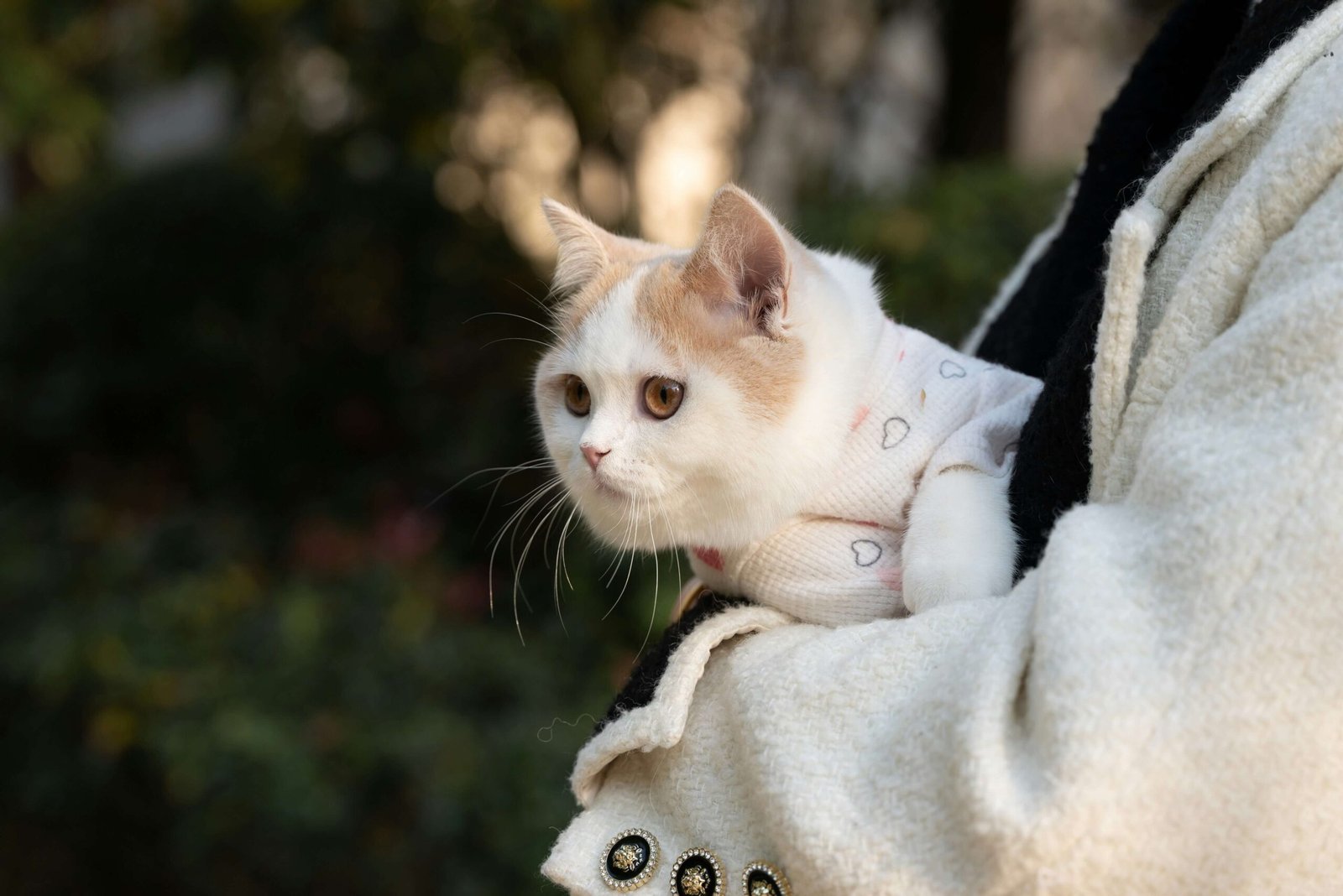
Why Is My Cat Skinny but Always Eating? Unraveling the Mystery
Cats are fascinating creatures, and their behavior often leaves us scratching our heads. One of the most puzzling scenarios for cat owners is when their feline friend remains skinny despite having a hearty appetite. If you’ve noticed that your cat seems to eat nonstop yet isn’t gaining weight, it’s natural to feel concerned. After all, we want our pets to be healthy, happy, and thriving. In this blog post, we’ll explore the possible reasons behind this phenomenon, offer practical advice, and help you better understand your cat’s unique needs. Whether you’re a seasoned cat owner or new to the world of feline companionship, this post will guide you through what might be causing your cat’s slim figure.
Common Reasons Why Your Cat Might Be Skinny Despite Eating Well
If your cat is eating enough but still appears underweight, there could be several explanations. Below, we outline some common causes to consider. Remember, every cat is different, so it’s essential to observe their behavior and consult a vet if needed.
High Metabolism
Some cats simply have a faster metabolism than others. This is especially true for younger cats or specific breeds like the Siamese. Their bodies burn calories quickly, making it challenging to gain weight.Parasites
Intestinal worms or other parasites can rob your cat of essential nutrients. Even if they’re eating well, these unwelcome guests may prevent proper nutrient absorption.Dental Issues
Painful teeth or gums can make eating uncomfortable, leading to inadequate food intake despite appearing hungry. Cats are masters at hiding pain, so dental problems might go unnoticed.Hyperthyroidism
An overactive thyroid gland can cause excessive hunger while simultaneously preventing weight gain. This condition is more common in older cats and requires veterinary attention.Stress or Anxiety
Environmental changes, such as moving homes or introducing new pets, can stress your cat. Stress may affect their appetite and digestion, impacting their weight.
Understanding these potential causes is the first step toward addressing your cat’s health concerns. However, only a professional diagnosis can provide clarity on the underlying issue.
Signs to Watch For: When Should You Worry About Your Skinny Cat?
While occasional fluctuations in weight are normal, certain signs indicate that your cat’s skinniness might signal a deeper problem. Here’s what to look out for:
Visible Ribs and Spine
If you can easily see or feel your cat’s ribs and spine without pressing too hard, they may be underweight. A healthy cat should have a slight layer of fat covering these areas.Lethargy or Weakness
A sudden drop in energy levels or difficulty moving around could point to nutritional deficiencies or an underlying illness.Changes in Coat Condition
A dull, dry, or patchy coat might suggest poor nutrition or health issues. Healthy cats typically have shiny, soft fur.Frequent Vomiting or Diarrhea
Digestive problems can prevent your cat from absorbing nutrients properly, leading to weight loss.Increased Thirst and Urination
These symptoms could indicate diabetes, kidney disease, or hyperthyroidism—all conditions that may contribute to weight loss.
Monitoring these signs closely will help you determine whether your cat needs immediate medical attention. Early intervention is key to ensuring their long-term well-being.
Check this guide 👉Why Is My Cat So Skinny? Best 7 Health Tips!
Check this guide 👉Why Is My Cat Not Eating? Best 7 Expert Tips!
Check this guide 👉Why Is My Cat Not Drinking Water? Best 7 Health Tips!
Possible Causes | What You Can Do |
|---|---|
High Metabolism | Provide calorie-dense food and monitor activity levels. |
Parasites | Schedule regular deworming treatments with your vet. |
Dental Issues | Check for signs of discomfort and schedule a dental exam. |
Hyperthyroidism | Consult your vet for blood tests and treatment options. |
Stress or Anxiety | Create a calm environment and introduce changes gradually. |
How to Support Your Skinny Cat: Practical Tips for Owners
If your cat is struggling to maintain a healthy weight, there are several strategies you can try at home. These tips aim to improve their overall health and ensure they’re getting the nourishment they need.
Switch to High-Calorie Food
Consider switching to a high-calorie, nutrient-dense diet formulated for underweight cats. Wet food is often more calorie-rich than dry kibble.Offer Frequent Small Meals
Instead of two large meals, provide smaller portions throughout the day. This approach mimics how cats naturally eat in the wild.Monitor Portion Sizes
Use a measuring cup to ensure you’re feeding the correct amount of food. Overfeeding or underfeeding can both lead to health issues.Encourage Play and Exercise
Engage your cat in play sessions to stimulate their appetite and build muscle. Toys like feather wands or laser pointers work wonders.Keep Fresh Water Available
Hydration is crucial for digestion and nutrient absorption. Ensure your cat always has access to clean, fresh water.
By implementing these strategies, you can create a supportive environment that promotes healthy weight gain and overall wellness.
When to Visit the Vet: Key Questions to Ask
If your cat’s skinniness persists despite your best efforts, it’s time to consult a veterinarian. Here are some questions to ask during your visit to better understand your cat’s condition.
Could My Cat Have an Underlying Medical Condition?
Ask about potential illnesses like hyperthyroidism, diabetes, or gastrointestinal disorders.Are There Any Recommended Tests?
Inquire about bloodwork, fecal exams, or imaging studies to rule out parasites, infections, or organ dysfunction.What Type of Diet Do You Recommend?
Your vet can suggest specialized diets tailored to your cat’s age, breed, and health status.Should I Consider Supplements?
Find out if supplements like omega-3 fatty acids or probiotics could benefit your cat’s health.How Often Should We Follow Up?
Establish a follow-up schedule to monitor your cat’s progress and adjust treatment plans as needed.
Asking the right questions empowers you to advocate for your cat’s health effectively.
Exploring Behavioral Factors That May Affect Your Cat’s Weight
A cat’s behavior can play a significant role in their ability to maintain a healthy weight. Understanding these factors can help you address any underlying issues that might be contributing to their skinniness. Here are some behavioral aspects to consider:
Picky Eating Habits
Some cats are notoriously picky eaters, refusing certain foods or textures. This can lead to inadequate caloric intake even if they seem interested in meals.Competition with Other Pets
If you have multiple pets, competition for food can cause one cat to eat less than they need. Dominant animals may intimidate others during mealtime.Overgrooming Due to Anxiety
Excessive grooming can sometimes indicate stress, which may also affect eating patterns and nutrient absorption.Changes in Routine
Cats thrive on routine, and disruptions—such as travel, new family members, or altered feeding schedules—can impact their appetite.Preference for Snacking
Some cats prefer grazing throughout the day rather than consuming full meals, which might not provide enough calories for sustained energy.
By observing your cat’s behavior closely, you can identify habits that might be affecting their weight. Addressing these behaviors early can make a big difference in their overall health.
Nutritional Adjustments to Promote Healthy Weight Gain
Making dietary changes is often one of the most effective ways to help a skinny cat gain weight. However, it’s important to approach this process thoughtfully and gradually. Below are some nutritional adjustments you can try:
Increase Protein Intake
Cats are obligate carnivores, meaning they require high levels of animal-based protein. Look for foods rich in quality meat sources like chicken, turkey, or fish.Add Healthy Fats
Foods containing omega-3 fatty acids, such as salmon oil or flaxseed oil, can boost calorie content while supporting skin and coat health.Incorporate Wet Food
Wet food typically contains more moisture and calories than dry kibble, making it an excellent choice for underweight cats.Try Homemade Meals (Under Vet Guidance)
Cooked chicken, beef, or pumpkin mixed with vet-approved supplements can offer variety and additional nutrients—but only after consulting your veterinarian.Avoid Overfeeding Treats
While treats can encourage eating, too many low-nutrient snacks can interfere with balanced meal consumption. Stick to high-quality, nutrient-dense options.
These dietary tweaks can help your cat gain weight safely and effectively. Always monitor their response to new foods and consult your vet before making drastic changes.
Environmental Enrichment to Support Overall Health
Creating a supportive environment goes beyond just addressing diet and behavior—it involves enriching your cat’s surroundings to promote physical and mental well-being. A happy, stimulated cat is more likely to eat properly and maintain a healthy weight. Consider these enrichment ideas:
Provide Vertical Spaces
Cats love climbing and perching. Install shelves, cat trees, or window hammocks to give them opportunities to explore vertically.Introduce Interactive Toys
Toys that mimic prey, like feather wands or automated laser pointers, engage your cat’s hunting instincts and keep them active.Create a Safe Space
Offer cozy hiding spots where your cat can retreat when feeling overwhelmed. This reduces stress and promotes relaxation.Use Puzzle Feeders
Puzzle feeders challenge your cat mentally and physically, encouraging slower, more mindful eating habits.Maintain Consistent Routines
Keep feeding times, play sessions, and bedtime consistent to reduce anxiety and foster a sense of security.
By enriching your cat’s environment, you’re not only supporting their physical health but also nurturing their emotional well-being. A content cat is more likely to thrive and maintain a healthy weight over time.
Frequently Asked Questions About Skinny Cats
Why is my cat eating so much but not gaining weight?
Possible reasons include high metabolism, parasites, dental issues, or underlying medical conditions like hyperthyroidism.
How do I know if my cat is underweight?
Look for visible ribs, spine, or hip bones, along with signs like lethargy or a dull coat.
Can stress cause my cat to lose weight?
Yes, stress can impact appetite and digestion, leading to weight loss.
What kind of food is best for an underweight cat?
High-calorie, nutrient-dense wet food is ideal for helping cats gain weight.
When should I take my cat to the vet?
Schedule a vet visit if your cat shows persistent weight loss, behavioral changes, or other concerning symptoms.
Final Thoughts: Loving Care for Your Skinny Cat
Caring for a skinny cat who eats well requires patience, observation, and sometimes professional guidance. While it’s tempting to worry, remember that many causes of weight loss are treatable or manageable with the right approach. By staying informed, monitoring your cat’s behavior, and seeking veterinary advice when necessary, you’re taking important steps toward ensuring their happiness and longevity. Above all, cherish the bond you share with your feline companion—they rely on you for love, care, and understanding. With dedication and compassion, you can help your cat thrive and enjoy a fulfilling life by your side.

Is Rawhide Bad for Cats? Best 7 Expert Tips! – Discover the risks, safe alternatives, and expert advice to keep your feline friend healthy and happy.

Is Rawhide Bad for Dogs? Best 7 Expert Tips! – Discover the risks, benefits, and safer alternatives to rawhides for your dog’s chewing needs.

Understanding Anorexia in Cats: Best 7 Expert Tips! – Learn why cats stop eating, spot warning signs, and discover how to help your feline regain appetite safely.

Understanding Anorexia in Dogs: Best 7 Expert Tips! – Learn causes, symptoms, and solutions to help your dog regain appetite and stay healthy.