
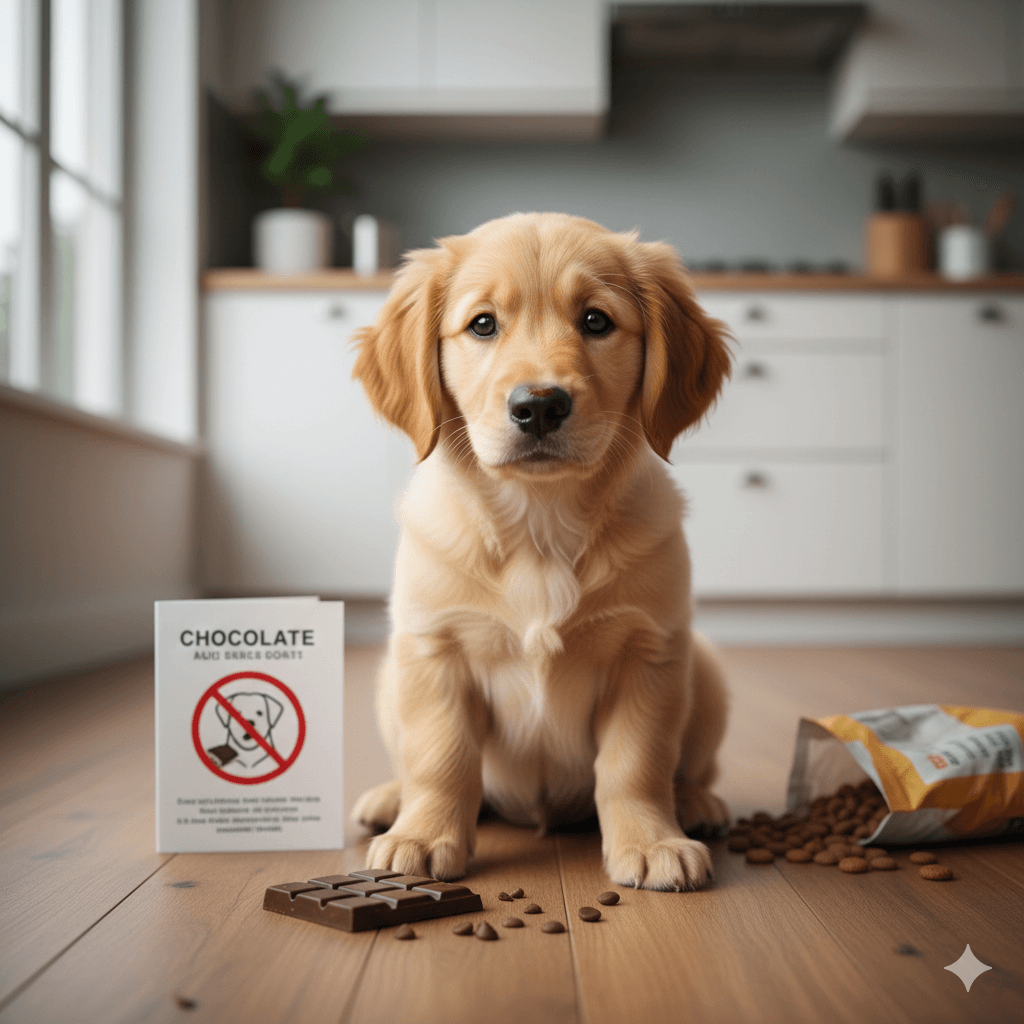

Why Is Chocolate Bad for Dogs: Best 7 Expert Tips!

Why Is Chocolate Bad for Dogs: Best 7 Expert Tips!

Why Is Chocolate Bad for Dogs

Chocolate is one of the most well-known human foods that’s toxic to dogs—but many owners don’t fully understand why. The danger lies in specific compounds that dogs metabolize very differently than humans. Even a small amount can cause anything from mild stomach upset to life-threatening heart or neurological issues. While a bite of dark chocolate poses far greater risk than a lick of milk chocolate, no type is truly safe. Knowing why chocolate harms your dog empowers you to act fast if ingestion occurs and helps prevent accidents before they happen.

Toxic Compounds in Chocolate That Harm Dogs

Chocolate contains substances that are harmless to humans but highly toxic to dogs due to differences in metabolism and body chemistry. These compounds accumulate quickly in a dog’s system and can disrupt vital functions:

 
  • Theobromine:
    This bitter alkaloid is the primary toxin in chocolate for dogs. They process it 10 times slower than humans, allowing it to build up to dangerous levels in the bloodstream.
     
  • Caffeine:
    Also present in chocolate—especially dark varieties—caffeine amplifies the stimulant effects on the dog’s central nervous and cardiovascular systems.
     
  • Methylxanthines:
    Both theobromine and caffeine belong to this chemical family, which increases heart rate, stimulates the brain, and relaxes smooth muscles in dangerous ways for dogs.
     
  • Fat and Sugar Content:
    Even if theobromine weren’t an issue, the high fat and sugar in chocolate can trigger pancreatitis or digestive upset in sensitive dogs.
     
  • Concentration Varies by Type:
    Baking chocolate and dark chocolate contain the highest theobromine levels, while milk chocolate has less—and white chocolate has negligible amounts, though it’s still unsafe.
 

Because toxicity depends on both the chocolate type and your dog’s weight, even a small piece of dark chocolate can be an emergency for a toy breed.

Why Is Chocolate Bad for Dogs: Best 7 Expert Tips!

Signs of Chocolate Poisoning in Dogs

Symptoms typically appear within 6 to 12 hours after ingestion and can escalate quickly. Early recognition is critical—delaying treatment may lead to seizures or cardiac arrest:

 
  • Restlessness or Hyperactivity:
    Dogs often become unusually jittery, pacing or unable to settle due to central nervous system stimulation.
     
  • Vomiting and Diarrhea:
    Gastrointestinal distress is common as the body tries to expel the toxin, sometimes with blood if irritation is severe.
     
  • Rapid Breathing or Panting:
    Increased respiratory rate occurs as the heart works harder and the dog struggles to regulate oxygen.
     
  • Elevated Heart Rate or Arrhythmia:
    Theobromine directly affects heart muscle, potentially causing dangerous irregularities detectable with a stethoscope or ECG.
     
  • Muscle Tremors or Seizures:
    In severe cases, neurological overstimulation leads to shaking, twitching, or full convulsions requiring immediate emergency care.
 

If you suspect your dog ate chocolate—even if no symptoms show yet—contact your vet or a pet poison helpline immediately.

Low-Risk Scenarios
High-Risk Emergencies
Licked a milk chocolate bar (large dog)
Ate any amount of baking chocolate
Ingested trace crumbs
Vomited but remains lethargic
No symptoms after 24 hours
Shows tremors or rapid heartbeat
White chocolate exposure
Small dog ate dark chocolate
Very small amount relative to body weight
Known ingestion within the last 2 hours

What to Do If Your Dog Eats Chocolate

Time is your most valuable resource in a chocolate exposure. Quick, calm action can mean the difference between mild upset and a trip to the ER:

 
  • Identify the Type and Amount:
    Check packaging to determine chocolate type (dark, milk, baking) and estimate how much your dog consumed.
     
  • Call Your Vet or Poison Control Immediately:
    Provide your dog’s weight and the chocolate details—this helps professionals assess risk and guide next steps.
     
  • Do Not Induce Vomiting Without Guidance:
    While vets may recommend hydrogen peroxide to trigger vomiting, it’s dangerous if done incorrectly or if your dog is already symptomatic.
     
  • Monitor Closely While Waiting:
    Keep your dog calm, quiet, and in a safe space. Note any changes in behavior, breathing, or gum color (pale gums = emergency).
     
  • Seek Emergency Care if Needed:
    If symptoms appear or your vet advises it, go to a clinic immediately—activated charcoal or IV fluids may be necessary.
 

Never assume “a little won’t hurt.” When it comes to chocolate, caution is always the safest policy.

How Chocolate Toxicity Is Treated by Veterinarians

Treatment focuses on removing the toxin, supporting vital functions, and preventing complications. The approach depends on how soon after ingestion your dog is seen:

 
  • Decontamination (Within 2 Hours):
    Vets may induce vomiting or administer activated charcoal to bind theobromine in the gut and stop absorption.
     
  • Intravenous Fluids:
    IV therapy helps flush theobromine from the system faster and corrects dehydration from vomiting or diarrhea.
     
  • Heart Monitoring:
    An ECG may be used to watch for arrhythmias, and medications like beta-blockers can stabilize heart rhythm if needed.
     
  • Anti-Seizure Medication:
    In severe neurological cases, drugs like diazepam may be given to control tremors or seizures.
     
  • Hospitalization for Observation:
    Dogs with moderate to severe symptoms often stay 24–48 hours for continuous monitoring and supportive care.
 

With prompt treatment, most dogs recover fully—but prevention is far kinder than emergency intervention.

Common Myths About Chocolate and Dogs

Misinformation can delay life-saving action. It’s important to separate fact from fiction when it comes to chocolate toxicity:

 
  • “A tiny bite won’t hurt”:
    Even small amounts of dark or baking chocolate can be lethal to small dogs—there’s no safe “taste.”
     
  • “If they’re acting fine, they’re okay”:
    Symptoms can take hours to appear. Waiting for signs before calling a vet risks missing the window for effective decontamination.
     
  • “White chocolate is safe”:
    While low in theobromine, it’s high in fat and sugar, which can still cause pancreatitis or GI upset.
     
  • “All chocolate is equally dangerous”:
    Toxicity varies greatly—unsweetened baking chocolate is about 10 times more toxic than milk chocolate by weight.
     
  • “Older dogs handle it better”:
    Age doesn’t protect against theobromine—senior dogs may actually be more vulnerable due to weaker organs or existing health issues.
 

Clearing up these myths helps owners respond appropriately and avoid preventable tragedies.


Preventing Chocolate Exposure in Your Home

Prevention is simple but requires consistency—especially during holidays when chocolate is everywhere. A few smart habits keep your dog safe year-round:

 
  • Store Chocolate Out of Reach:
    Keep all chocolate in high cabinets or sealed containers, not just on countertops—Affenpinschers and other clever breeds can jump or climb.
     
  • Educate Family and Guests:
    Remind everyone—even children—not to share sweets with the dog, no matter how pleading those eyes may be.
     
  • Secure Holiday Decorations:
    Easter baskets, Halloween candy bowls, and Valentine’s gifts should be placed where dogs can’t access them unsupervised.
     
  • Use Dog-Safe Treats for Training:
    Replace chocolate-based human treats with vet-approved dog biscuits to avoid confusion or temptation.
     
  • Train a Solid “Leave-It” Command:
    This essential cue can stop your dog from gobbling dropped food before you even notice it’s gone.
 

A safe home is one where temptation is removed—not just managed in the moment.

Breed, Size, and Age: How Risk Varies Among Dogs

Not all dogs face the same level of danger from chocolate. Toxicity is heavily influenced by individual factors that affect how the body processes theobromine:

 
  • Small Breeds at Highest Risk:
    A 5-pound Chihuahua can be severely poisoned by just one ounce of milk chocolate—where a 50-pound Labrador might only get a stomachache.
     
  • Puppies Are More Vulnerable:
    Their developing organs and lower body mass mean toxins hit harder and faster than in adult dogs.
     
  • Senior Dogs with Health Issues:
    Preexisting heart, liver, or kidney conditions can worsen the effects of theobromine and complicate recovery.
     
  • Brachycephalic Breeds:
    Dogs like Pugs or French Bulldogs may show respiratory distress more quickly due to their compromised airways.
     
  • High-Energy or Anxious Dogs:
    Their elevated heart rates can amplify the stimulant effects, potentially leading to faster symptom onset.
 

Always treat chocolate exposure as a potential emergency—especially for tiny, young, or medically fragile dogs.

“Chocolate, coffee, and caffeine are similar in that their toxicity concerns stem from their methylxanthine concentrations. When ingested by pets, methylxanthines can cause vomiting and diarrhea, panting, excessive thirst and urination, hyperactivity, abnormal heart rhythm, tremors, seizures and even death.” – ASPCA Poison Control Team

Frequently Asked Questions About Chocolate and Dogs

Can a dog die from eating chocolate?

Yes—especially if it’s dark or baking chocolate and the dog is small. Fatalities are rare with prompt treatment but possible without it.

As little as 20 mg of theobromine per kg of body weight can cause symptoms. Baking chocolate contains about 130–450 mg per ounce.

Call a 24/7 pet poison hotline (like ASPCA or Pet Poison Helpline) immediately—they can guide you even when your vet is closed.

Yes—unsweetened cocoa powder is extremely high in theobromine and even more toxic than baking chocolate by weight.

Many dogs recover fully with quick care, but never assume safety—always consult a professional to assess the specific risk.

Protecting Your Dog From a Common but Preventable Danger

Chocolate may be a human delight, but for dogs, it’s a serious hazard hiding in plain sight. The good news? With awareness, preparation, and a few simple household rules, chocolate poisoning is almost entirely preventable. Your vigilance—checking countertops, securing treats, and teaching your family—creates a safer world for your four-legged friend. And if an accident does happen, knowing the signs and acting fast gives your dog the best chance at a full, healthy recovery. In the end, love means keeping the things that harm them out of reach—so you can share many more happy, chocolate-free days together.

Is Rawhide Bad for Cats? Best 7 Expert Tips!

Is Rawhide Bad for Cats? Best 7 Expert Tips! – Discover the risks, safe alternatives, and expert advice to keep your feline friend healthy and happy.

Is Rawhide Bad for Dogs? Best 7 Expert Tips!

Is Rawhide Bad for Dogs? Best 7 Expert Tips! – Discover the risks, benefits, and safer alternatives to rawhides for your dog’s chewing needs.

Understanding Anorexia in Cats: Best 7 Expert Tips!

Understanding Anorexia in Cats: Best 7 Expert Tips! – Learn why cats stop eating, spot warning signs, and discover how to help your feline regain appetite safely.

Understanding Anorexia in Dogs: Best 7 Expert Tips!

Understanding Anorexia in Dogs: Best 7 Expert Tips! – Learn causes, symptoms, and solutions to help your dog regain appetite and stay healthy.

Leave a Reply

Your email address will not be published. Required fields are marked *