
Why Does My Dog Pee When She Sees Me?
It’s not uncommon for dogs to urinate out of excitement or submission when greeted by their owners, but this behavior can be puzzling and frustrating. While it may seem like a lack of control, submissive or excitement urination is often rooted in anxiety, immaturity, or communication signals. Understanding the cause behind this behavior is key to addressing it effectively and strengthening your bond with your furry friend.
Understanding Submissive Urination in Dogs
Submissive urination is a common behavior in dogs, especially in puppies or timid individuals, and often occurs during greetings. This behavior stems from your dog’s instinct to show deference and avoid conflict with perceived authority figures. While it might seem frustrating, submissive urination is not intentional disobedience but rather a natural response rooted in canine communication. Addressing this behavior requires patience, consistency, and an understanding of the underlying causes.
- Rooted in Pack Dynamics:
In wild canine packs, lower-ranking members often display submissive behaviors like crouching, rolling over, or urinating to appease dominant individuals. Your dog may see you as the leader and react accordingly. - Fear or Anxiety Triggers:
Dogs that have experienced harsh treatment or punishment in the past may associate greetings with fear, leading to involuntary urination as a stress response. - Common in Puppies:
Young dogs are more prone to submissive urination because they haven’t yet developed full bladder control or confidence in social situations. - Body Language Cues:
Submissive urination is often accompanied by other signs like cowering, tucking the tail, avoiding eye contact, or rolling onto their back. - Not a Sign of Spite:
It’s important to remember that submissive urination is not a deliberate act of defiance; punishing your dog will only worsen their anxiety and the behavior.
Understanding these triggers helps you approach the situation with empathy and patience, setting the stage for effective training and behavioral modification.
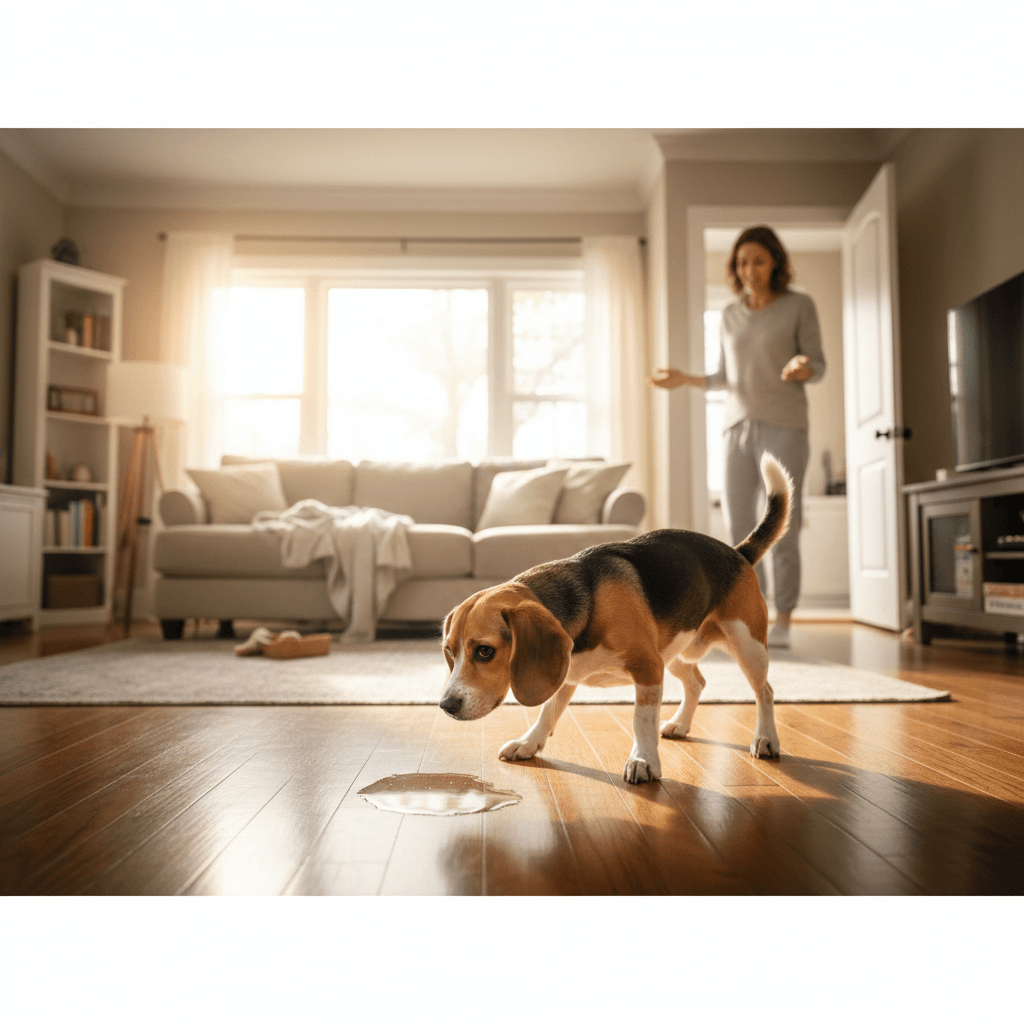
Excitement Urination: A Different Story
Excitement urination occurs when dogs become overwhelmed with joy, often during greetings or playtime. Unlike submissive urination, this behavior isn’t driven by fear but rather by an inability to control their bladder in high-energy moments. While it’s less about hierarchy and more about enthusiasm, excitement urination can still be challenging to manage. Recognizing the differences between the two types of urination ensures you address the issue appropriately.
- Emotional Overflow:
Dogs that struggle with impulse control may lose bladder function when emotions run high, such as during reunions with their owners. - More Common in Puppies:
Younger dogs are more likely to experience excitement urination due to underdeveloped bladder muscles and heightened sensitivity to stimuli. - Triggers Include Movement and Tone:
Fast movements, loud voices, or animated greetings can escalate your dog’s excitement and increase the likelihood of accidents. - No Fear Involved:
Unlike submissive urination, excitement urination doesn’t involve cowering or avoidance behaviors—your dog is simply too thrilled to contain themselves. - Training Requires Calmness:
Teaching your dog to remain calm during greetings is crucial; overly enthusiastic responses can reinforce the behavior instead of resolving it.
By staying calm and consistent, you can help your dog learn to greet you without losing control of their bladder.
Check this guide 👉How Many Times Should a Dog Pee a Day? Best 7 Expert Tips!
Check this guide 👉Is Dog Pee Toxic? Best 7 Health Tips!
Check this guide 👉Dog Peeing Blood but Acting Normal: Best 7 Health Tips!
Tips to Manage Submissive Urination | Strategies to Handle Excitement Urination |
|---|---|
Greet your dog calmly and avoid direct eye contact | Stay calm and avoid overly enthusiastic tones |
Ignore accidents and clean them discreetly | Teach “sit” or “stay” before greeting |
Reward confident, relaxed behavior | Use desensitization techniques for high-energy triggers |
Avoid punishment or scolding | Provide mental stimulation to channel excess energy |
Consult a trainer for severe cases | Rule out medical causes with a vet visit |
Medical Causes of Involuntary Urination
Sometimes, what appears to be submissive or excitement urination may actually be caused by an underlying medical condition. Before assuming the behavior is purely psychological, it’s essential to rule out health-related issues that could contribute to involuntary urination. Consulting your veterinarian ensures you address any physical problems first.
- Urinary Tract Infections (UTIs):
Bacterial infections irritate the bladder, making it difficult for your dog to hold their urine, even during normal activities. - Hormonal Imbalances:
Spayed or neutered dogs sometimes develop urinary incontinence due to reduced hormone levels affecting bladder control. - Bladder Stones or Crystals:
Mineral deposits in the bladder can cause irritation and frequent, uncontrollable urination. - Neurological Issues:
Conditions affecting the spinal cord or brain can impair nerve signals responsible for bladder control. - Age-Related Decline:
Senior dogs may experience weakened muscles or cognitive decline, leading to accidents despite good training and behavior.
Addressing medical causes early prevents unnecessary frustration and ensures your dog receives the care they need.
Training Techniques to Reduce Submissive Urination
Training plays a vital role in addressing submissive urination by building your dog’s confidence and teaching them alternative ways to interact. Consistency, positive reinforcement, and gradual exposure to triggers help your dog overcome their anxiety and stop associating greetings with fear.
- Approach Calmly:
Greet your dog in a low-key manner, avoiding loud voices, fast movements, or direct eye contact initially. - Ignore Greeting Accidents:
Acting neutral when your dog urinates prevents reinforcing the behavior through attention, whether positive or negative. - Reward Calm Behavior:
Praise and treat your dog when they remain calm during greetings, reinforcing self-control and confidence. - Desensitize Triggers:
Gradually expose your dog to greeting scenarios in controlled environments, rewarding them for staying composed. - Avoid Punishment:
Scolding or punishing your dog increases anxiety and worsens submissive urination, creating a cycle of fear and accidents.
With time and effort, these techniques can transform your dog’s greeting behavior into something more manageable and enjoyable.
Managing Excitement Urination Through Routine
Managing excitement urination involves creating predictable routines and teaching your dog to stay calm during interactions. Consistency and structure help your dog feel secure and reduce the likelihood of accidents triggered by overwhelming emotions.
- Establish a Greeting Routine:
Teach your dog to sit or perform another command before receiving attention, redirecting their focus away from excitement. - Limit High-Energy Situations:
Avoid running toward your dog or using overly enthusiastic tones, which can escalate their emotional state. - Use Calming Tools:
Calming aids like pheromone diffusers or anxiety wraps can help soothe nervous dogs prone to excitement urination. - Practice Departures and Arrivals:
Simulate leaving and returning multiple times daily to desensitize your dog to the excitement of reunions. - Encourage Focus Games:
Engage your dog in mentally stimulating activities, such as obedience training or puzzle toys, to channel their energy constructively.
Routine and structure provide clarity and reassurance, helping your dog greet you calmly and confidently.
Emotional Factors Contributing to Urination Issues
Emotional factors like anxiety, insecurity, or lack of socialization can significantly influence urination behaviors in dogs. Understanding how your dog’s emotional state affects their actions allows you to create a supportive environment that fosters confidence and reduces accidents.
- Past Trauma or Neglect:
Dogs with histories of abuse or neglect may struggle with trust, leading to submissive or fearful behaviors like urination. - Lack of Socialization:
Insufficient exposure to people, animals, or environments during puppyhood can result in poor coping mechanisms for stress. - Overwhelming Environments:
Busy households or chaotic settings may heighten your dog’s anxiety, increasing the likelihood of urination incidents. - Owner Behavior Matters:
How you interact with your dog—whether through tone, body language, or consistency—shapes their emotional responses and behaviors. - Building Confidence Takes Time:
Positive experiences, gentle guidance, and patience gradually build your dog’s self-assurance, reducing stress-related accidents.
Addressing emotional needs alongside behavioral training creates lasting improvements in your dog’s overall well-being.
Preventing Future Urination Problems
Prevention is key to ensuring your dog maintains proper bladder control and greets you confidently without accidents. Proactive measures combined with ongoing training minimize the risk of future urination issues, fostering a harmonious relationship between you and your pet.
- Start Early with Puppies:
Teach young dogs basic commands and proper greeting etiquette to establish good habits from the start. - Reinforce Calm Behaviors:
Consistently reward calm, composed actions during greetings to encourage similar responses in the future. - Monitor Health Regularly:
Schedule routine vet check-ups to catch and address potential medical issues before they manifest as behavioral problems. - Create a Safe Space:
Provide a designated area where your dog feels secure and relaxed, reducing overall anxiety levels. - Stay Patient and Positive:
Training and behavior modification take time; maintaining a positive attitude ensures progress without undue stress for you or your dog.
By focusing on prevention and consistency, you set the foundation for a lifetime of confident, accident-free greetings.
“When dogs greet family members after an absence or during vigorous petting, excitement-induced urination can occur because young dogs haven’t yet developed full emotional and bladder control.” – Debra Horwitz, DVM, DACVB
Frequently Asked Questions About Why Dogs Pee When They See You
Why does my dog pee when I greet her?
Dogs may pee during greetings due to excitement, submission, or anxiety. Understanding the context helps determine whether it’s behavioral or medical.
Is submissive urination dangerous for my dog?
No—while not harmful, submissive urination reflects insecurity. Addressing the root cause builds confidence and strengthens your bond.
How can I stop my dog from peeing when excited?
Stay calm during greetings, teach commands like “sit,” and reward calm behavior consistently to reduce overexcitement.
Could my dog’s peeing be a sign of illness?
Yes—urinary tract infections, bladder stones, or hormonal imbalances can cause involuntary urination. Consult your vet to rule out medical issues.
Will my puppy outgrow this behavior?
Many puppies naturally outgrow excitement or submissive urination as they mature and gain better bladder control with training.
Strengthening Your Bond Through Understanding
Dealing with submissive or excitement urination requires patience, empathy, and consistent effort—but the rewards are worth it. By addressing the root causes, whether emotional or medical, you create a supportive environment where your dog feels secure and confident. Training not only resolves the issue but also deepens the trust and connection between you and your furry companion. Remember, every small step you take brings you closer to a harmonious relationship filled with joy and mutual understanding.

Is Rawhide Bad for Cats? Best 7 Expert Tips! – Discover the risks, safe alternatives, and expert advice to keep your feline friend healthy and happy.

Is Rawhide Bad for Dogs? Best 7 Expert Tips! – Discover the risks, benefits, and safer alternatives to rawhides for your dog’s chewing needs.

Understanding Anorexia in Cats: Best 7 Expert Tips! – Learn why cats stop eating, spot warning signs, and discover how to help your feline regain appetite safely.

Understanding Anorexia in Dogs: Best 7 Expert Tips! – Learn causes, symptoms, and solutions to help your dog regain appetite and stay healthy.