
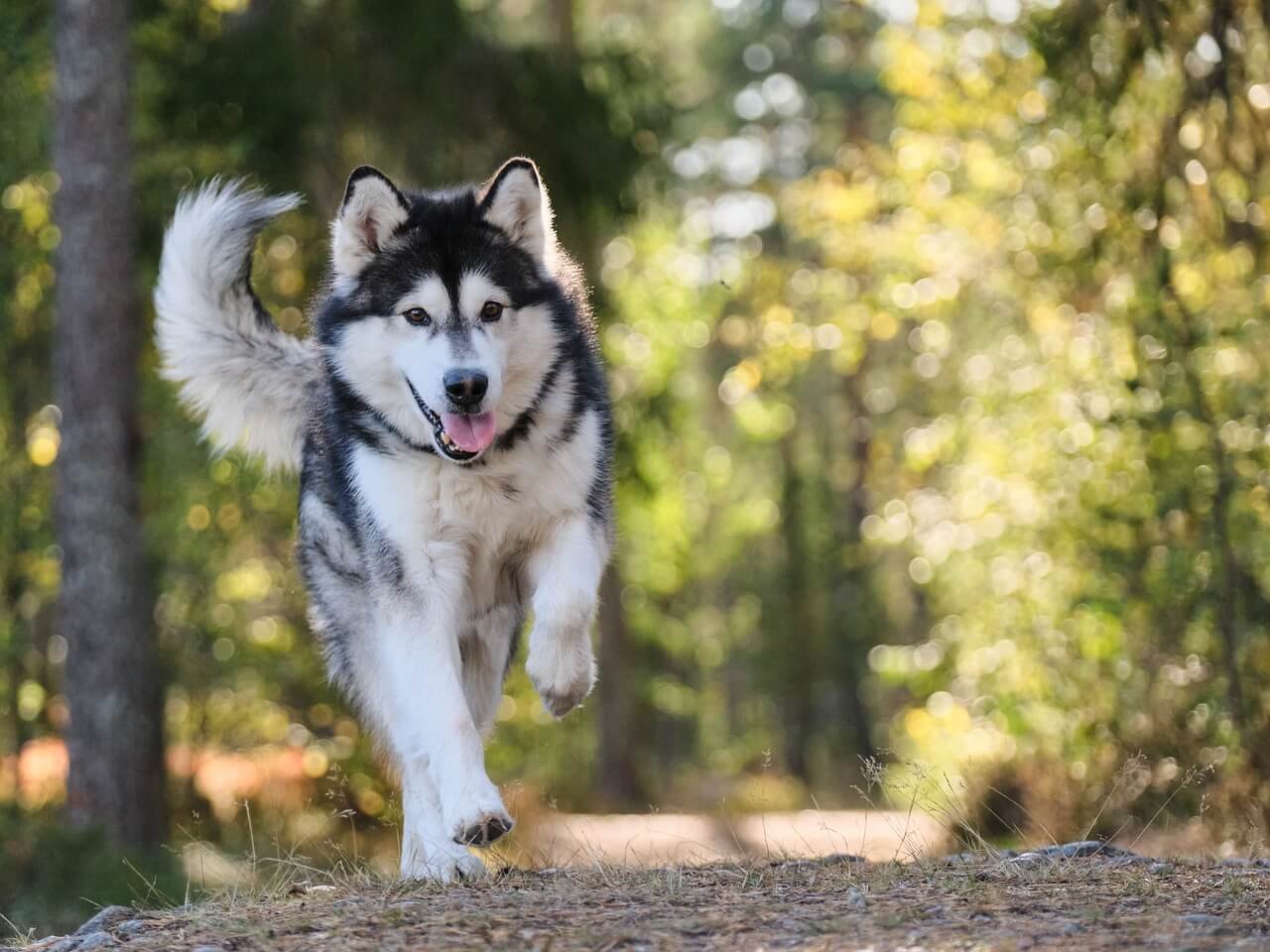
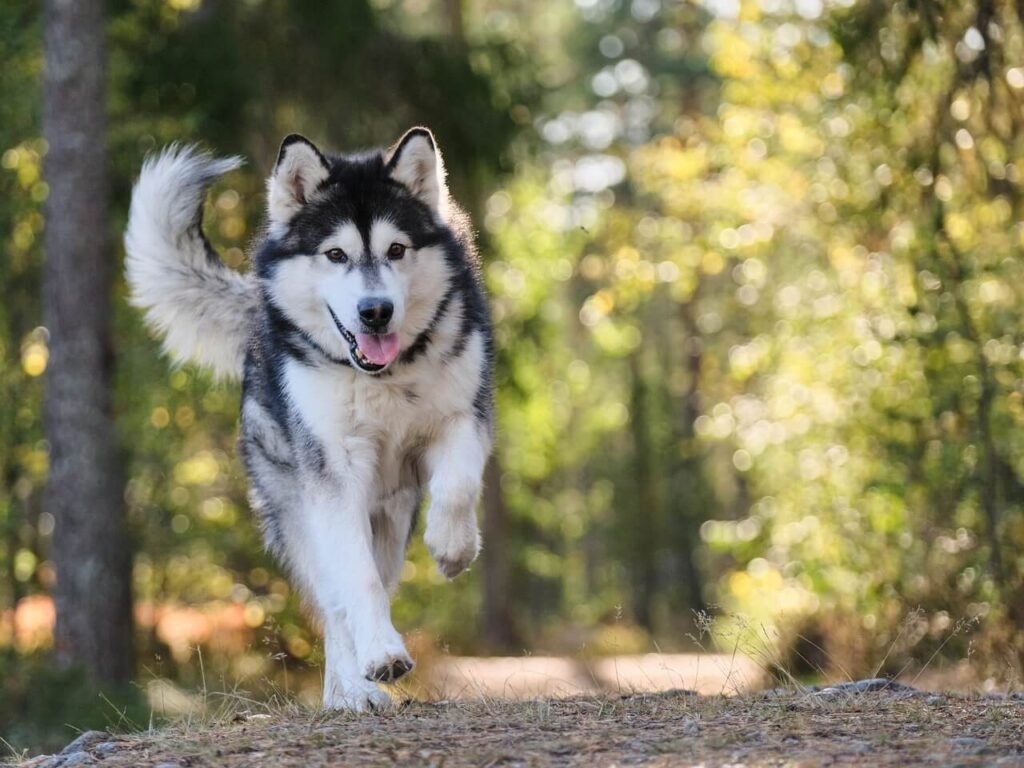

Why Does My Dog Follow Me Everywhere? Best 7 Expert Tips!

Why Does My Dog Follow Me Everywhere? Best 7 Expert Tips!

Why Does My Dog Follow Me Everywhere?


If you’ve ever felt like your dog is practically glued to your side, you’re not alone. Many pet owners find themselves wondering why their furry companions seem to shadow their every move. Whether you’re heading to the kitchen, working at your desk, or even using the bathroom, your dog’s constant presence can be both endearing and puzzling. This behavior is deeply rooted in their instincts, emotions, and the bond they share with you. In this blog post, we’ll explore the reasons behind this adorable yet sometimes overwhelming habit, helping you better understand your loyal companion and strengthen your connection.

The Emotional Bond Between You and Your Dog


Dogs are inherently social animals, and their attachment to their human family members is one of the most heartwarming aspects of owning a pet. Here are some emotional factors that explain why your dog follows you everywhere.

 
  • Pack Mentality:
    Dogs are descendants of wolves, who live in tight-knit packs. In a domestic setting, you and your family become their “pack,” and following you reinforces their sense of belonging.

  • Separation Anxiety:
    Some dogs experience anxiety when separated from their owners, leading them to stay close as a way to feel secure.

  • Love and Affection:
    Dogs naturally form strong bonds with their humans, and following you is often a sign of their deep affection and loyalty.

  • Desire for Attention:
    Your dog may follow you because they crave interaction, whether it’s playtime, cuddles, or simply being noticed.

  • Comfort in Familiarity:
    Being near you provides a sense of safety and familiarity, especially in unfamiliar or stressful situations.


Understanding these emotional drivers can help you nurture your relationship while addressing any underlying needs your dog may have.

Why Does My Dog Follow Me Everywhere? Best 7 Expert Tips!

Instinctual Reasons for Following Behavior


Beyond emotions, there are instinctual reasons why your dog feels compelled to stick by your side. These behaviors stem from their evolutionary history and natural tendencies.

 
  • Guarding Instincts:
    Dogs are protective by nature and may follow you to ensure your safety, viewing you as part of their “territory” to guard.

  • Food Association:
    If your dog associates you with mealtime, they may shadow you in anticipation of being fed.

  • Curiosity About Your Activities:
    Dogs are naturally curious creatures and may follow you to observe what you’re doing, hoping to be part of the action.

  • Learning Through Observation:
    By staying close, dogs can pick up cues about routines, commands, and behaviors, which helps them adapt to their environment.

  • Survival Instincts:
    Historically, staying near their leader (you) ensured survival for wild canines, and this instinct remains ingrained in domesticated dogs today.


These instinctual behaviors highlight how deeply your dog relies on you for guidance, security, and companionship.

Reasons Dogs Follow Their Owners
How to Address Excessive Following
Pack mentality
Provide reassurance during alone time
Separation anxiety
Gradually increase independence training
Desire for attention
Schedule regular play and bonding sessions
Curiosity about daily activities
Involve your dog in household routines
Protective instincts
Reinforce calm behavior in your absence

Signs Your Dog’s Following Behavior May Be Problematic


While following you around is usually harmless, there are times when this behavior might indicate an issue that needs attention. Watch for these signs that your dog’s attachment could be problematic.

 
  • Excessive Whining or Pacing:
    Constant vocalization or restlessness when you’re out of sight may signal separation anxiety or stress.

  • Refusal to Eat Alone:
    If your dog won’t eat unless you’re nearby, it could mean they’re overly dependent on your presence.

  • Destructive Behavior When Left Alone:
    Chewing furniture, excessive barking, or accidents indoors may point to anxiety triggered by your absence.

  • Difficulty Settling Down Without You:
    A dog that can’t relax or sleep unless you’re in the room may lack confidence or self-soothing skills.

  • Overly Clingy Behavior:
    Shadowing you constantly, even during private moments, can disrupt your daily life and indicate an unhealthy level of attachment.


Recognizing these signs allows you to address potential issues early and ensure your dog’s well-being.

Tips for Managing Your Dog’s Following Behavior


If your dog’s constant companionship becomes overwhelming, there are ways to encourage healthy independence without compromising your bond.

 
  • Create a Safe Space:
    Designate a cozy area, like a crate or bed, where your dog feels secure and comfortable spending time alone.

  • Establish a Routine:
    Consistent schedules for feeding, walks, and playtime help your dog feel more confident and less reliant on your constant presence.

  • Teach Independence Gradually:
    Start by leaving the room for short periods and gradually increase the duration to build your dog’s tolerance for being alone.

  • Use Positive Reinforcement:
    Reward calm behavior when your dog stays in their designated space or entertains themselves independently.

  • Provide Mental Stimulation:
    Puzzle toys, chew bones, and interactive games keep your dog engaged and less focused on following you around.


With patience and consistency, you can help your dog develop a healthy balance between companionship and independence.


Common Misconceptions About Following Behavior

Many pet owners misunderstand why their dogs follow them so closely, leading to confusion or frustration. Clearing up these misconceptions can help you respond appropriately.

 
  • My Dog Follows Me Because They’re Bored:
    While boredom can contribute, it’s rarely the sole reason. Emotional and instinctual factors often play a bigger role.

  • Only Anxious Dogs Follow Their Owners:
    Even confident, well-adjusted dogs may follow their owners out of love and curiosity, not just anxiety.

  • Ignoring My Dog Will Make Them Stop:
    Ignoring clingy behavior without addressing its root cause can lead to increased anxiety or destructive habits.

  • All Dogs Naturally Want to Be Alone Sometimes:
    Not all dogs are naturally independent; some breeds are predisposed to forming strong attachments.

  • Following Behavior Means My Dog Doesn’t Trust Me:
    On the contrary, following you is often a sign of trust and reliance, not distrust.


Understanding these truths can help you approach your dog’s behavior with empathy and knowledge.

Breeds Prone to Following Behavior

Certain dog breeds are more likely to exhibit clingy or shadowing behavior due to their temperament and breeding history. Here’s a look at some examples.

 
  • Labrador Retrievers:
    Known for their friendly, people-oriented nature, Labs often seek constant companionship.

  • German Shepherds:
    Highly loyal and protective, German Shepherds tend to stay close to their owners as part of their guarding instincts.

  • Velcro Dogs Like Vizslas:
    Nicknamed “Velcro dogs,” Vizslas form incredibly strong bonds and struggle with being apart from their humans.

  • Border Collies:
    Intelligent and energetic, Border Collies need mental stimulation and often follow their owners to stay engaged.

  • Cavalier King Charles Spaniels:
    Gentle and affectionate, Cavaliers thrive on human interaction and dislike being left alone for long periods.


Knowing your breed’s tendencies can help you tailor your approach to managing their following behavior.

Fun Ways to Redirect Your Dog’s Attention

If your dog’s constant following becomes distracting, redirecting their energy toward fun activities can be a win-win solution.

 
  • Interactive Toys:
    Toys like treat-dispensing puzzles or tug ropes can occupy your dog’s mind and body, giving you a break.

  • Training Sessions:
    Short, focused training sessions teach new commands while providing mental stimulation and strengthening your bond.

  • Playdates with Other Dogs:
    Socializing with other dogs allows your pup to expend energy and develop friendships beyond you.

  • Scavenger Hunts:
    Hide treats around the house or yard to encourage exploration and problem-solving.

  • Chew Treats or Bones:
    Long-lasting chews keep your dog entertained and satisfied, reducing their need to follow you constantly.


Redirecting your dog’s attention in creative ways ensures they stay happy and engaged, even when you’re busy.

FAQ

Is it normal for my dog to follow me everywhere?

Yes, it’s completely normal. Dogs are social animals and often view their owners as part of their pack.


Dogs thrive on routine and may enjoy simply being near you, regardless of whether you’re actively engaging with them.


Gradually train your dog to feel comfortable in their own space using positive reinforcement and consistency.


It’s possible. Sudden changes in behavior should always be discussed with a veterinarian to rule out medical issues.


Breeds like Labrador Retrievers, Golden Retrievers, and German Shepherds are known for their loyalty and tendency to stick close to their humans.

Strengthening the Bond While Encouraging Independence


Your dog’s tendency to follow you everywhere is a testament to the deep connection you share, but it’s important to strike a balance between companionship and independence. By understanding the emotional and instinctual reasons behind this behavior—and addressing any underlying issues—you can foster a healthier, happier relationship with your furry friend. Remember, patience and consistency are key, and with the right approach, you can enjoy quality time together while giving your dog the confidence to thrive on their own.

Understanding Cryptosporidium in Cats: Best 7 Expert Tips!

Understanding Cryptosporidium in Cats: Best 7 Expert Tips! – Spot symptoms, treat safely, and stop parasite spread in your home.

Understanding Cryptosporidium in Dogs: Best 7 Expert Tips!

Understanding Cryptosporidium in Dogs: Best 7 Expert Tips! – Learn symptoms, treatment & prevention for this stubborn gut parasite.
Understanding Syringomyelia in Cats: Best 7 Expert Tips!

Understanding Syringomyelia in Cats: Best 7 Expert Tips! – Recognize signs, manage pain, and support your cat’s neurological health with vet-backed guidance.
Understanding Syringomyelia in Dogs: Best 7 Expert Tips!

Understanding Syringomyelia in Dogs: Best 7 Expert Tips! – Expert insights on symptoms, MRI diagnosis, pain management & quality of life.

Leave a Reply

Your email address will not be published. Required fields are marked *