
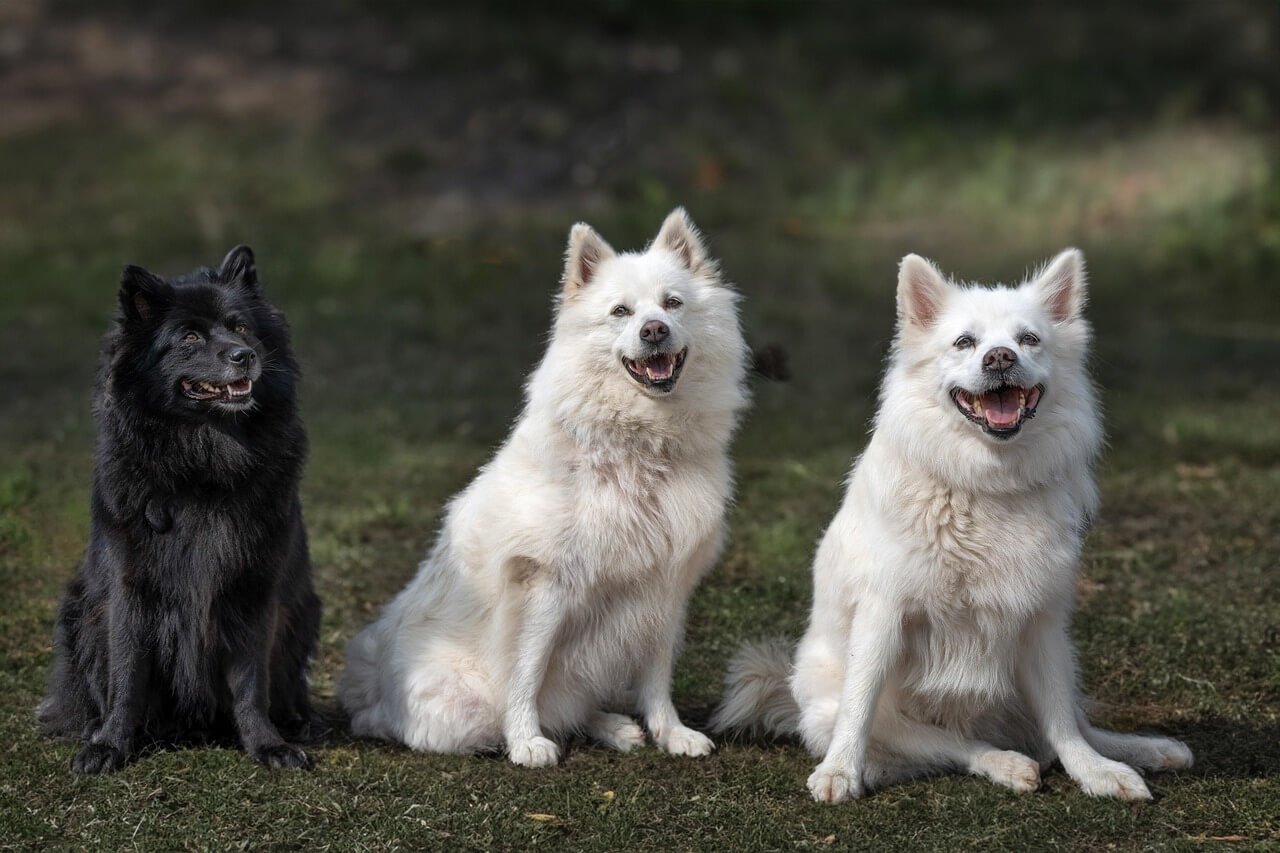
Why Does My Dog Fart So Much? Best 7 Expert Tips!

Why Does My Dog Fart So Much? Best 7 Expert Tips!

Why Does My Dog Fart So Much? Uncovering the Reasons Behind Your Pup’s Gas


If you’ve ever found yourself holding your breath during cuddle time or wondering why your dog seems to have a personal fog machine, you’re not alone. Excessive flatulence in dogs is a common concern for pet owners, but it’s often misunderstood. While occasional gas is normal, frequent or particularly smelly farts can be a sign of underlying issues that need attention. From diet to digestion, there are many factors that contribute to this less-than-pleasant phenomenon.

In this blog post, we’ll explore the reasons behind your dog’s excessive gas, how to address it, and tips to keep your home smelling fresh. By the end, you’ll have all the tools you need to help your furry friend feel more comfortable—and maybe even save your nose from future assaults.

Common Causes of Excessive Flatulence in Dogs


Understanding why your dog farts so much starts with identifying potential causes. Dogs, like humans, produce gas as part of their digestive process. However, certain factors can lead to excessive or smelly flatulence. Here are some common culprits:

 
  • Dietary Choices:
    Certain foods, especially those high in fiber or difficult to digest, can cause gas buildup in your dog’s stomach.

  • Food Intolerances:
    Ingredients like dairy, grains, or artificial additives can trigger digestive issues in sensitive dogs.

  • Eating Too Quickly:
    Gulping down food too fast can lead to swallowing air, which contributes to gas production.

  • Lack of Exercise:
    Physical activity helps stimulate digestion, and a sedentary lifestyle can slow things down, leading to gas.

  • Underlying Health Issues:
    Conditions like gastrointestinal disorders, infections, or parasites can disrupt your dog’s digestive system.


By pinpointing the root cause, you can take steps to reduce your dog’s flatulence and improve their overall well-being.

How to Reduce Your Dog’s Flatulence


Once you understand the causes, you can implement strategies to minimize your dog’s gas. With a few simple adjustments, you can help your pup feel better—and make your home smell fresher. Here are some practical tips:

 
  • Switch to a High-Quality Diet:
    Opt for easily digestible dog food made with natural, wholesome ingredients to support gut health.

  • Avoid Problematic Foods:
    Steer clear of table scraps, dairy, and fatty treats that can upset your dog’s stomach.

  • Use Slow Feeder Bowls:
    These bowls force your dog to eat more slowly, reducing the amount of air they swallow.

  • Incorporate Probiotics:
    Adding probiotics to your dog’s diet can promote healthy digestion and reduce gas.

  • Increase Physical Activity:
    Regular walks and playtime can aid digestion and prevent gas buildup.


With these changes, you’ll likely notice a significant improvement in your dog’s digestive health—and fewer unpleasant odors.

Why Does My Dog Fart So Much? Best 7 Expert Tips!
Cause of Flatulence
Solution
Poor-quality dog food
Switch to a high-quality, easily digestible diet
Eating too quickly
Use a slow feeder bowl to pace meals
Food intolerances or allergies
Identify and eliminate problematic ingredients
Lack of exercise
Incorporate daily walks and playtime
Underlying health conditions
Consult a vet for diagnosis and treatment

Signs Your Dog’s Gas May Indicate a Health Problem


While occasional flatulence is normal, persistent or unusually smelly gas could signal a more serious issue. Here are signs that your dog’s gas might be linked to an underlying health condition:

 
  • Frequent Diarrhea or Vomiting:
    Digestive upset accompanied by gas may indicate food intolerance or infection.

  • Loss of Appetite:
    If your dog stops eating or shows disinterest in food, it could point to discomfort.

  • Abdominal Pain or Swelling:
    A bloated or tender belly might suggest a gastrointestinal blockage or other issue.

  • Unexplained Weight Loss:
    Sudden weight loss alongside gas could indicate malabsorption or a metabolic disorder.

  • Changes in Behavior:
    Lethargy, irritability, or withdrawal may signal physical discomfort caused by gas.


If you notice any of these symptoms, it’s important to consult your veterinarian to rule out or treat potential health problems.

Tips for Managing Flatulence in Multi-Dog Households


If you have multiple dogs, managing flatulence can become even more challenging. Here are some tips to keep the peace—and the air—clean in a multi-dog home:

 
  • Feed Dogs Separately:
    This prevents competition during mealtime, which can lead to faster eating and increased gas.

  • Monitor Individual Diets:
    Each dog has unique dietary needs, so tailor their food choices accordingly.

  • Identify the Culprit:
    If one dog produces more gas than the others, focus on adjusting their diet or habits.

  • Ensure Adequate Space:
    Provide enough room for each dog to eat, rest, and play without feeling crowded.

  • Maintain a Routine:
    Consistent feeding, walking, and play schedules can help regulate digestion for all your pets.


By addressing individual needs and maintaining a harmonious environment, you can minimize flatulence and keep everyone happy.

Understanding Your Dog’s Digestive System

To better manage your dog’s flatulence, it helps to understand how their digestive system works. Dogs have unique dietary needs and sensitivities that can influence gas production. Here are some key points about canine digestion:

 
  • Short Digestive Tract:
    Dogs have a shorter digestive tract compared to humans, which means food moves through quickly but may not always be fully digested.

  • Limited Carbohydrate Processing:
    Unlike humans, dogs don’t produce as many enzymes to break down carbohydrates, leading to potential gas if they consume too many.

  • Microbiome Balance:
    A healthy gut microbiome is essential for proper digestion, and imbalances can lead to excessive gas.

  • Sensitivity to Change:
    Sudden changes in diet or routine can upset your dog’s stomach and increase flatulence.

  • Individual Differences:
    Each dog’s digestive system is unique, so what causes gas in one dog may not affect another.


Understanding these factors can help you tailor your approach to managing your dog’s flatulence effectively.

Foods That Can Help Reduce Gas in Dogs

Certain foods can promote better digestion and reduce gas in dogs. Incorporating these into your dog’s diet may help alleviate the problem. Here are some options to consider:

 
  • Lean Proteins:
    Chicken, turkey, and fish are easy to digest and less likely to cause gas.

  • Pumpkin:
    Plain, canned pumpkin is rich in fiber and can aid digestion while reducing gas.

  • Sweet Potatoes:
    These are a great source of digestible fiber and can help regulate bowel movements.

  • Probiotic-Rich Foods:
    Yogurt (plain and unsweetened) or kefir can introduce beneficial bacteria to your dog’s gut.

  • Herbs Like Parsley:
    Adding small amounts of parsley to your dog’s meals can freshen breath and support digestion.


By incorporating these foods into your dog’s diet, you can help improve their digestive health and minimize flatulence.

Preventing Flatulence During Playtime

Sometimes, flatulence occurs during or after playtime due to excitement or overexertion. Here are ways to prevent this from happening:

 
  • Avoid Feeding Right Before Play:
    Give your dog at least an hour to digest their food before engaging in vigorous activity.

  • Monitor Excitement Levels:
    Overexcited dogs may swallow air while playing, leading to increased gas. Keep play sessions calm and controlled.

  • Use Puzzle Toys Instead of Treats:
    Rewarding your dog with puzzle toys instead of high-calorie treats can reduce the risk of gas-inducing snacks.

  • Encourage Gentle Exercise:
    Activities like walking or swimming are easier on the digestive system than high-intensity games.

  • Observe for Stress Signals:
    Anxiety or stress during play can also contribute to digestive issues, so ensure your dog feels safe and relaxed.


By taking these precautions, you can make playtime more enjoyable for both you and your dog while minimizing unwanted gas.

Frequently Asked Questions About Dog Flatulence

 
Is it normal for my dog to fart occasionally?

Yes, occasional flatulence is normal and usually harmless.

Avoid dairy, beans, fatty foods, and artificial additives, as these can cause digestive issues.

Yes, probiotics can promote a healthy gut and reduce gas production.

Very smelly gas could indicate a dietary issue or underlying health problem, so monitor closely.

ook for additional symptoms like diarrhea, vomiting, or behavioral changes, and consult a vet if concerned.

Final Thoughts: Keeping Your Dog Comfortable and Your Home Fresh


Excessive flatulence in dogs can be both embarrassing and concerning, but it’s usually manageable with the right approach. By identifying the cause, making dietary adjustments, and ensuring your dog gets enough exercise, you can significantly reduce gas and improve their quality of life. Remember, every dog is unique, so what works for one may not work for another. If you’re ever unsure, don’t hesitate to reach out to your veterinarian for guidance. With patience and care, you can help your furry friend feel their best—and keep your home smelling fresh. After all, a happy dog means a happy household!

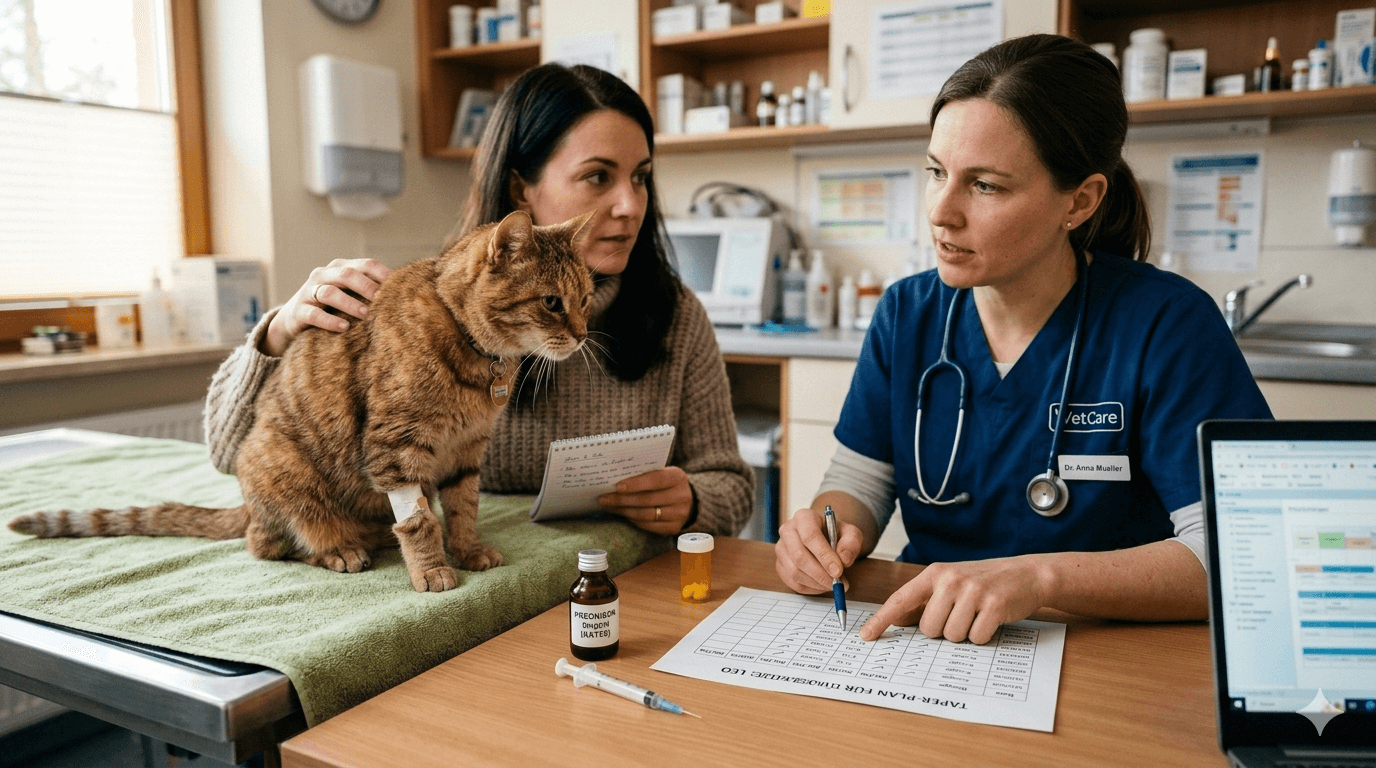
How to Taper Off Prednisone for Cats: Best 7 Expert Tips!

How to Taper Off Prednisone for Cats: Best 7 Expert Tips! – Safely reduce prednisone with vet guidance. Learn now!
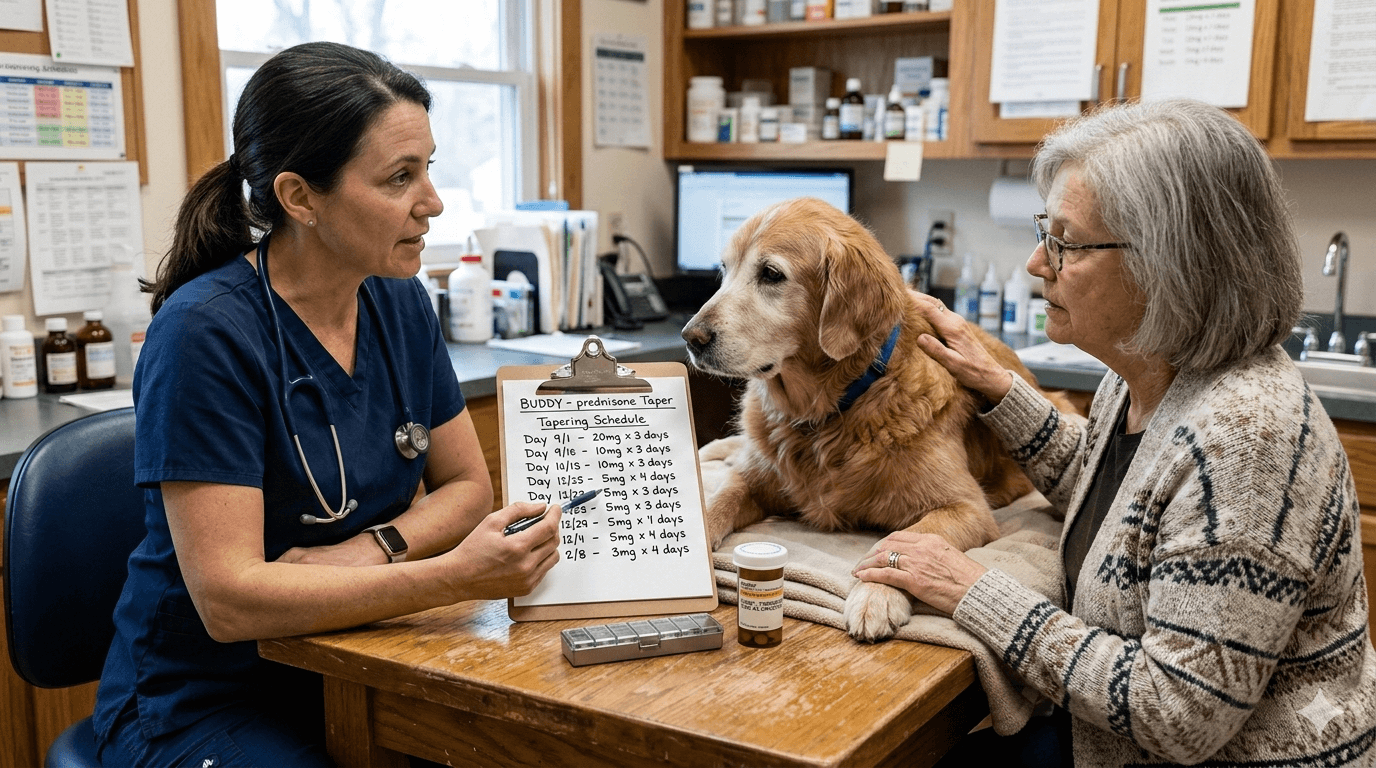
How to Taper Off Prednisone Schedule for Dogs: Best 7 Tips!

How to Taper Off Prednisone Schedule for Dogs: Best 7 Tips! – Learn the safe way to reduce prednisone, recognize withdrawal signs, and keep your dog healthy during the process.

Can a Cat Scratch Give You Rabies? Best 7 Expert Tips!

Can a Cat Scratch Give You Rabies? Best 7 Expert Tips! – Learn how rabies spreads, assess risks from cat scratches, and know when to seek medical help. Stay safe!

Can a Dog Scratch Give You Rabies? Best 7 Expert Tips!

Can a Dog Scratch Give You Rabies? Best 7 Expert Tips! – Learn the risks, symptoms, and steps to take if scratched by a dog. Stay informed and protect yourself from rabies exposure.

Leave a Reply

Your email address will not be published. Required fields are marked *