
Why Does My Cat Pee When She Sees Me?
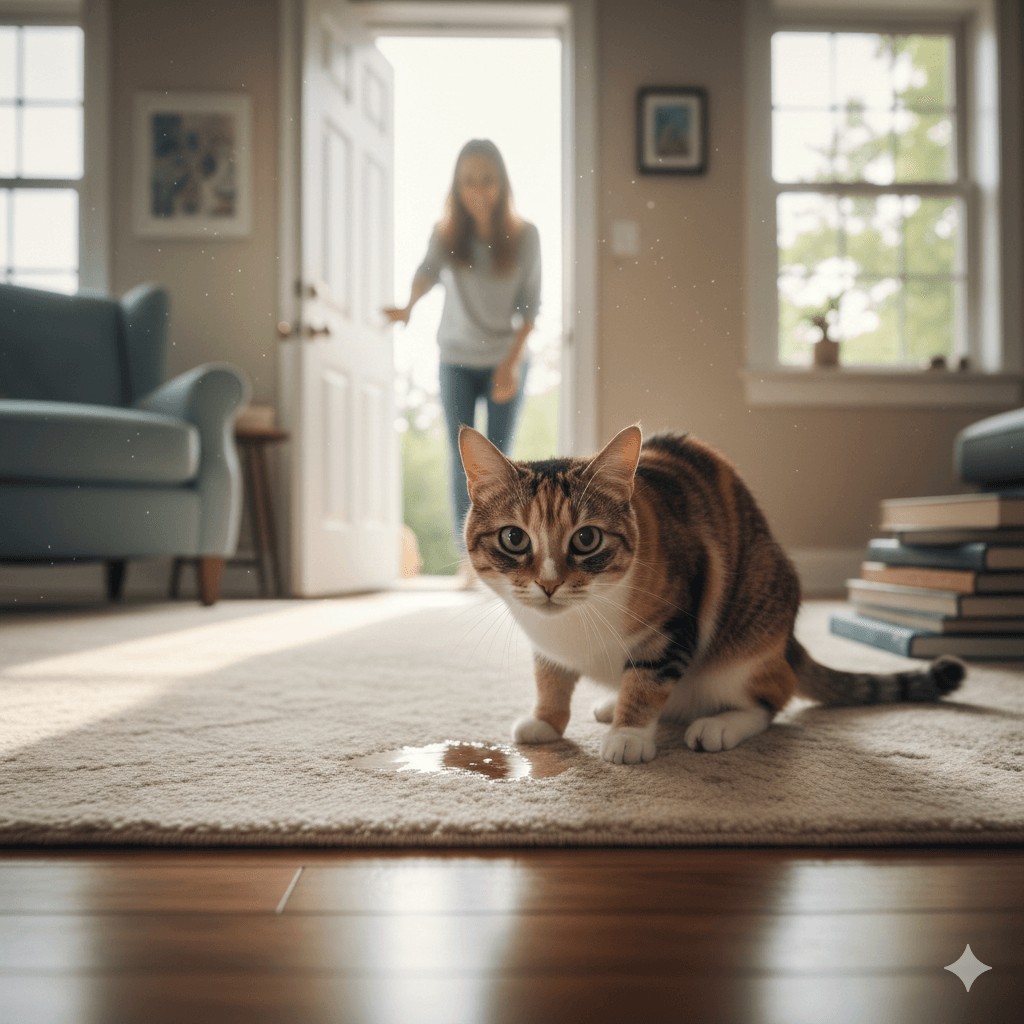
Cats are known for their independent nature, but unexpected behaviors like peeing upon seeing you can be puzzling and concerning. This reaction may stem from excitement, anxiety, or underlying health issues that need attention. Understanding the root cause is key to addressing this behavior and restoring harmony in your home.
Possible Causes of Excitement-Induced Urination
Excitement-induced urination, also known as submissive or greeting urination, is a common reason why cats may pee when they see their owners. This behavior often stems from heightened emotions and can be linked to various triggers. Understanding these causes helps you address the issue effectively.
- Overwhelming Joy or Anticipation:
Cats that are deeply attached to their owners may become so excited upon seeing them that they lose bladder control. This is more common in kittens or cats with strong bonds to their humans. - Lack of Proper Socialization:
Cats that weren’t adequately socialized during their early developmental stages may struggle to regulate their emotions. This can lead to involuntary peeing as a response to intense feelings. - Association with Positive Reinforcement:
If your cat has learned that peeing elicits attention—whether positive or negative—they may repeat the behavior to seek interaction or rewards. - Stress Relief Through Marking:
Some cats use urine as a way to mark their territory or express comfort. Seeing you might trigger this instinctive behavior as a sign of familiarity. - Underlying Anxiety Disorders:
While excitement is the primary cause, anxiety about being separated or left alone can also manifest as peeing when you return. The sight of you may overwhelm them emotionally.
Addressing excitement-induced urination requires patience and consistency. By managing triggers and reinforcing calm behavior, you can help your cat overcome this habit over time.
Signs Your Cat Is Marking Territory
Urine marking is a natural feline behavior used to communicate with other animals. If your cat pees when she sees you, it could be a form of territorial marking rather than a medical issue. Recognizing the signs helps differentiate between marking and other causes.
- Spraying vs. Regular Urination:
Marking typically involves spraying small amounts of urine on vertical surfaces, while regular urination happens on horizontal ones. However, some cats may squat and release urine directly when overly stimulated. - Frequent Urine Deposits in Specific Areas:
Cats often mark near entry points, such as doors or windows, where they perceive threats or competition. Seeing you might trigger this behavior if they associate you with territorial boundaries. - Changes in Household Dynamics:
The arrival of a new pet, visitor, or even changes in your routine can prompt marking behavior. Your presence might remind your cat of these stressors. - Body Language During Marking:
Cats may back up to a surface, quiver their tails, or exhibit tense body language before marking. Observing these cues provides insight into their intentions. - Unneutered Cats Are More Likely to Mark:
Intact males and females are prone to marking due to hormonal influences. Spaying or neutering can reduce this behavior significantly.
Understanding whether your cat’s peeing is related to marking or another cause ensures you take the right steps to address the issue.
Check this guide 👉Does Cat Pee Kill Plants? Best 7 Expert Tips!
Check this guide 👉Cat Peeing Next to Litter Box: Best 7 Expert Tips!
Check this guide 👉Is Cat Pee Toxic? Best 7 Expert Tips!
Possible Causes | Solutions to Try |
|---|---|
Excitement-induced urination | Ignore initial greetings; reward calm behavior |
Territorial marking | Neuter/spay your cat; clean marked areas thoroughly |
Separation anxiety | Establish predictable routines; desensitize arrivals |
Urinary tract infections | Schedule a vet visit; provide fresh water daily |
Environmental stressors | Reduce noise; offer safe spaces for retreat |
Medical Conditions That Could Cause Involuntary Urination
Involuntary urination can sometimes indicate an underlying medical condition. If your cat pees when she sees you, it’s crucial to rule out health-related issues before assuming it’s behavioral.
- Urinary Tract Infections (UTIs):
UTIs irritate the bladder lining, causing frequent urges to urinate. The excitement of seeing you might exacerbate this discomfort, leading to accidents. - Bladder Stones or Crystals:
These painful formations obstruct urine flow and cause inflammation. Excitement or movement can trigger involuntary leakage when the bladder is under pressure. - Diabetes Mellitus:
Diabetic cats produce excessive urine due to high blood sugar levels. Seeing you might coincide with moments of increased activity, resulting in accidental peeing. - Kidney Disease:
Chronic kidney disease reduces the kidneys’ ability to concentrate urine, leading to frequent urination. Emotional stimulation can further disrupt bladder control. - Cognitive Dysfunction Syndrome (CDS):
Older cats with cognitive decline may forget their litter box training or lose bladder control. Your appearance might confuse or overstimulate them.
A veterinary examination is essential to diagnose and treat any potential medical conditions contributing to this behavior.
How Stress and Anxiety Influence Urination
Stress and anxiety play significant roles in feline behavior, including inappropriate urination. If your cat pees when she sees you, it could be a reaction to emotional distress or environmental factors.
- Separation Anxiety:
Cats with separation anxiety may feel overwhelmed by your absence and react strongly when you return. Peeing might serve as a coping mechanism for their stress. - Fear of Punishment:
If your cat associates your presence with punishment, she may urinate out of fear or submission. This creates a cycle of anxiety and unwanted behavior. - Environmental Changes:
Moving homes, rearranging furniture, or introducing new pets can heighten anxiety. Seeing you might remind your cat of these disruptions, triggering peeing episodes. - Hyperattachment to Owners:
Some cats develop an unhealthy level of dependence on their owners. Their excitement or need for reassurance can manifest as involuntary urination. - Noise or Overstimulation:
Loud noises, sudden movements, or chaotic environments increase stress levels. Your arrival might amplify these feelings, leading to accidents.
Managing stress through environmental enrichment and behavioral modification helps alleviate anxiety-related peeing.
Steps to Address Excitement-Induced Urination
If your cat pees out of excitement when she sees you, specific strategies can help curb this behavior. Consistency and patience are key to achieving long-term success.
- Ignore Greeting Behavior Initially:
Avoid making eye contact, speaking, or touching your cat immediately upon entering. Wait until she calms down before acknowledging her presence. - Create a Calm Entry Routine:
Enter the house quietly and avoid dramatic greetings. This reduces the intensity of your cat’s emotional response over time. - Reward Calm Behavior:
Use treats, praise, or toys to reinforce calm interactions. Reward your cat only when she remains composed during greetings. - Desensitize Your Arrival:
Practice leaving and returning multiple times throughout the day without fanfare. Gradually increase the duration of absences to build tolerance. - Provide Mental Stimulation:
Interactive toys, puzzle feeders, and climbing structures keep your cat entertained and reduce pent-up energy that contributes to excitement.
These techniques retrain your cat’s response to your arrival, minimizing the likelihood of accidents.
Preventative Measures to Avoid Future Incidents
Preventing future incidents of peeing when you see your cat requires proactive measures. Creating a stable environment and addressing potential triggers minimizes the risk of recurrence.
- Maintain a Consistent Routine:
Cats thrive on predictability. Stick to regular feeding, play, and grooming schedules to reduce stress and uncertainty. - Neuter or Spay Your Cat:
Altering your cat eliminates hormonal drives that contribute to marking behaviors, reducing the chances of inappropriate urination. - Limit Access to Trigger Zones:
Restrict access to areas where your cat tends to pee, especially during high-energy moments like your arrival. Use baby gates or deterrents temporarily. - Clean Accidents Thoroughly:
Use enzymatic cleaners to remove all traces of urine. Lingering odors encourage repeat marking in the same spot. - Consult a Veterinarian Regularly:
Routine check-ups ensure your cat remains healthy and free of conditions that might affect bladder control.
Proactive prevention fosters a harmonious relationship and reduces the likelihood of future incidents.
When to Seek Professional Help
If your cat continues to pee when she sees you despite implementing behavioral modifications, professional intervention may be necessary. Experts provide tailored guidance to address persistent issues effectively.
- Behavioral Consultations:
Certified animal behaviorists analyze your cat’s habits and environment to identify root causes and recommend solutions. - Veterinary Diagnostics:
Advanced testing, such as blood work, ultrasounds, or urinalysis, uncovers hidden medical conditions contributing to the behavior. - Medication Options:
Anti-anxiety medications or supplements like Zylkene or Solliquin can help manage stress-related peeing. Always consult your vet before starting any treatment. - Environmental Enrichment Plans:
Professionals design customized enrichment plans to reduce boredom and anxiety, promoting healthier outlets for your cat’s energy. - Training Programs:
Structured training programs teach impulse control and reinforce positive behaviors, helping your cat adapt to new routines.
Seeking professional help demonstrates your commitment to resolving the issue and ensuring your cat’s well-being.
“Medical diseases of the urinary tract can cause inappropriate elimination. If elimination is associated with pain or discomfort, the cat may begin to eliminate outside the box.”
— Debra Horwitz, DVM, DACVB
Frequently Asked Questions About Cats Peeing When They See You
Why does my cat only pee when I come home?
This behavior is often linked to excitement, anxiety, or territorial marking. Your arrival may trigger strong emotions that lead to involuntary urination.
Is it normal for cats to pee out of excitement?
Yes, some cats lose bladder control due to overwhelming joy or stress. It’s more common in kittens or overly attached cats but can be addressed with training.
Could a medical issue cause this behavior?
Absolutely. Conditions like urinary tract infections, diabetes, or kidney disease can result in frequent or involuntary urination. A vet check is essential.
How can I stop my cat from peeing when she sees me?
Ignore her initially, create a calm entry routine, and reward calm behavior. Consistency and patience are key to retraining her response.
Should I punish my cat for peeing?
No—punishment increases stress and worsens the behavior. Focus on positive reinforcement and addressing underlying causes instead.
Supporting Your Cat Through Behavioral Challenges
Understanding why your cat pees when she sees you requires patience, empathy, and a willingness to explore all possible causes. Whether it’s excitement, anxiety, or a medical condition, addressing the root issue strengthens your bond and ensures your cat feels safe and secure. By implementing consistent routines, seeking professional guidance when needed, and providing a loving environment, you empower your feline companion to thrive. Remember, every small step you take brings you closer to resolving this challenge—and deepens the trust between you and your beloved pet.

Is Rawhide Bad for Cats? Best 7 Expert Tips! – Discover the risks, safe alternatives, and expert advice to keep your feline friend healthy and happy.

Is Rawhide Bad for Dogs? Best 7 Expert Tips! – Discover the risks, benefits, and safer alternatives to rawhides for your dog’s chewing needs.

Understanding Anorexia in Cats: Best 7 Expert Tips! – Learn why cats stop eating, spot warning signs, and discover how to help your feline regain appetite safely.

Understanding Anorexia in Dogs: Best 7 Expert Tips! – Learn causes, symptoms, and solutions to help your dog regain appetite and stay healthy.