

Why Does My Cat Make Biscuits on My Blanket? Decoding This Quirky Behavior
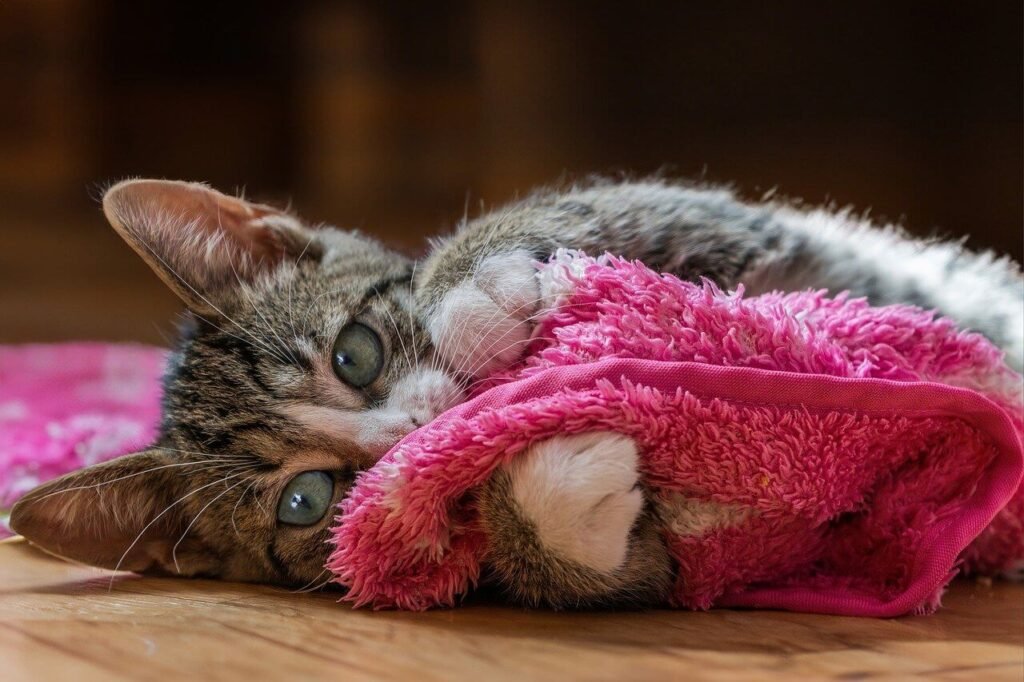
If you’ve ever caught your feline friend rhythmically kneading your blanket, pillow, or even your lap, you’re not alone. This adorable yet puzzling behavior is something many cat owners have witnessed, often accompanied by purring and a look of pure bliss on your cat’s face. But why do cats engage in this activity, and what does it mean? Known as “making biscuits,” this behavior is deeply rooted in your cat’s instincts and past experiences. Whether it’s a sign of comfort, nostalgia, or simply a way to mark their territory, understanding this behavior can strengthen the bond between you and your furry companion.
The Origins of Kneading: A Glimpse into Your Cat’s Past
Kneading is a behavior that dates back to kittenhood, and understanding its origins can shed light on why your cat makes biscuits on your blanket. Here are some key reasons behind this endearing habit:
Mimicking Nursing Behavior
Kittens knead their mother’s belly to stimulate milk flow while nursing. This comforting action becomes associated with feelings of safety and nourishment.Comfort and Security
As adult cats, kneading soft surfaces like blankets or cushions can evoke the same sense of security they felt as kittens.Territorial Marking
Cats have scent glands in their paws, and kneading helps them leave their scent on objects, marking them as part of their territory.Stretching and Relaxation
Kneading can also be a way for cats to stretch their muscles and relieve tension, much like humans might stretch after waking up.Preparing a Soft Spot
In the wild, cats kneaded grass or leaves to create a comfortable resting spot. This instinctual behavior may carry over to domestic settings.
Kneading is a natural behavior that reflects your cat’s instincts and emotional state. Whether it’s a throwback to kittenhood or a way to feel secure, this behavior is both normal and heartwarming.
Emotional Triggers Behind Kneading: What It Says About Your Cat
While kneading is instinctual, it can also be triggered by specific emotions or situations. Understanding these triggers can help you better interpret your cat’s actions. Here’s what might be going through your cat’s mind when they make biscuits:
Affection and Bonding
When your cat kneads you or a blanket while purring, it’s a sign of affection and trust. They feel safe and connected to you.Stress Relief
Cats may knead when they’re feeling anxious or stressed. The repetitive motion can have a calming effect, similar to how humans might fidget when nervous.Happiness and Contentment
If your cat kneads while lounging on your blanket, it could simply mean they’re happy and content in their environment.Seeking Attention
Sometimes, cats knead to get your attention. If they associate kneading with positive interactions, they may use it as a way to engage with you.Preparation for Rest
Before settling down for a nap, cats may knead to create a cozy spot, even if the surface is already soft.
Kneading is more than just a quirky habit—it’s a window into your cat’s emotional world. By observing when and why they knead, you can gain deeper insights into their feelings and needs.
Check this guide 👉Why Do Cats Make Air Biscuits? Best 7 Tips!
Check this guide 👉Why Does My Cat Make Biscuits on Me? Best 7 Expert Tips!
Reasons for Kneading | Other Similar Feline Behaviors |
|---|---|
Mimicking nursing behavior | Purring as a sign of comfort |
Marking territory with scent | Rubbing against objects or people |
Creating a soft resting spot | Scratching furniture or carpets |
Expressing affection | Headbutting or licking |
Relieving stress or anxiety | Hiding or seeking solitude |
How to Respond When Your Cat Makes Biscuits
When your cat starts kneading your blanket—or even you—it’s important to respond in a way that respects their needs and ensures their comfort. Here’s how you can handle this behavior:
Provide Alternative Surfaces
Offer soft blankets, cushions, or designated kneading pads to redirect their behavior away from your lap or furniture.Use Positive Reinforcement
Reward your cat with treats or praise when they knead appropriate surfaces. This encourages them to repeat the behavior where you prefer.Trim Their Claws Regularly
If your cat’s kneading feels uncomfortable due to sharp claws, keep their nails trimmed to prevent scratches.Avoid Punishment
Never scold or punish your cat for kneading, as it’s a natural behavior. Instead, gently redirect them to a more suitable surface.Observe Their Body Language
Pay attention to whether your cat seems relaxed or anxious while kneading. This can help you determine if they need extra comfort or attention.
By responding thoughtfully, you can ensure that kneading remains a positive and enjoyable experience for both you and your cat.
Fun Facts About Kneading: Did You Know?
Kneading isn’t just a random quirk—it’s a fascinating behavior with surprising aspects. Here are some interesting facts about why cats make biscuits:
It’s Often Accompanied by Purring
Many cats combine kneading with purring, which amplifies the message of happiness and relaxation.Some Cats “Nurse” While Kneading
Certain cats suckle on fabric or other soft materials while kneading, a behavior reminiscent of nursing as kittens.Kneading Can Vary by Breed
Some breeds, like Ragdolls and Maine Coons, are more likely to exhibit strong kneading behaviors due to their nurturing personalities.Not All Cats Knead Equally
The frequency and intensity of kneading can vary widely from one cat to another, depending on their personality and upbringing.It’s a Lifelong Habit
While most cats outgrow the need to nurse, the kneading behavior often persists throughout their lives as a comforting ritual.
These fun facts highlight the charm and individuality of kneading, making it an even more special part of your relationship with your cat.
The Science Behind Kneading: What Experts Say
While kneading is undeniably adorable, there’s also a scientific explanation for why cats engage in this behavior. Researchers and animal behaviorists have studied this phenomenon to better understand its purpose. Here’s what they’ve discovered:
Kneading Stimulates Scent Glands
Cats have specialized scent glands in their paws, and kneading helps release pheromones that mark their territory.It’s Linked to Survival Instincts
In the wild, kneading soft surfaces could help cats create a safe and comfortable resting area, ensuring better protection from predators.It May Release Endorphins
The repetitive motion of kneading can trigger the release of endorphins, which promote feelings of happiness and relaxation.Kneading Is a Form of Communication
By kneading, cats may be communicating their emotions, whether it’s trust, affection, or a need for attention.It’s a Behavior That Evolved Over Time
Domestic cats inherited this behavior from their wild ancestors, who used similar motions to prepare nests or soften surfaces.
By understanding the science behind kneading, we can appreciate how deeply ingrained this behavior is in your cat’s biology. It’s not just random—it’s a sophisticated way for them to interact with their world.
Kneading vs. Other Feline Habits: How They Compare
Kneading isn’t the only quirky behavior your cat exhibits, but it stands out as one of the most meaningful. Let’s compare it to other common feline habits to see how it fits into the bigger picture of your cat’s personality.
Kneading vs. Purring
While both behaviors indicate contentment, kneading is often more active and tactile, whereas purring is a vocal expression of comfort.Kneading vs. Scratching
Scratching is primarily about sharpening claws and marking territory, while kneading is more about creating comfort and expressing emotions.Kneading vs. Headbutting
Headbutting is another way cats show affection, but kneading involves more physical interaction and is linked to deeper instincts.Kneading vs. Rolling
Rolling onto their back is a sign of trust, but kneading goes a step further by combining trust with comfort-seeking behavior.Kneading vs. Hiding
Hiding is a response to fear or stress, whereas kneading is typically a sign of relaxation and security.
Each of these behaviors offers unique insights into your cat’s mind, but kneading stands out as a particularly intimate and instinctual act. It’s a reminder of how complex and fascinating our feline friends truly are.
When Kneading Becomes Excessive: What You Should Know
While kneading is generally harmless, there are times when it might become excessive or problematic. Understanding the signs and causes can help you address any underlying issues. Here’s what to look out for:
Frequent Kneading Without Obvious Triggers
If your cat kneads constantly, even when they’re not settling down to rest, it could indicate anxiety or stress.Accompanying Aggressive Behavior
If kneading is paired with biting or scratching that seems aggressive, it may be a cry for attention or a sign of overstimulation.Damage to Furniture or Belongings
Excessive kneading on furniture or blankets can lead to wear and tear, signaling the need for redirection to appropriate surfaces.Signs of Discomfort or Pain
If your cat seems restless or uncomfortable while kneading, it could point to an underlying health issue that requires veterinary attention.Changes in Routine or Environment
Major life changes, such as moving homes or introducing a new pet, can increase kneading as a coping mechanism.
If you notice any of these signs, it’s important to assess your cat’s environment and consult a veterinarian if necessary. Most of the time, kneading is perfectly normal, but being attentive ensures your cat stays happy and healthy.
FAQ
Why does my cat knead my blanket but not me?
Cats often knead soft surfaces like blankets because they provide a similar texture and comfort to what they experienced as kittens. If they don’t knead you, it could simply mean they prefer the blanket for this activity.
Is kneading a sign of affection?
Yes! Kneading is often a sign that your cat feels safe, loved, and bonded with you or their surroundings.
Should I stop my cat from kneading?
No, kneading is a natural behavior. Instead of stopping it, try redirecting it to appropriate surfaces if it becomes inconvenient.
Why does my cat bite while kneading?
Some cats gently nibble or bite while kneading as a remnant of nursing behavior. It’s usually not aggressive but rather a sign of familiarity.
Can kneading indicate health issues?
In rare cases, excessive kneading could signal stress or discomfort. If it’s accompanied by other unusual behaviors, consult your veterinarian.
Celebrating the Charm of Kneading
Your cat’s tendency to make biscuits on your blanket is more than just a cute quirk—it’s a glimpse into their instincts, emotions, and history. From their early days as kittens to their role as cherished companions, kneading is a behavior that speaks volumes about their connection to you and their environment. By embracing and understanding this habit, you can deepen your bond and create a home where your feline friend feels safe, loved, and content. So the next time you catch your cat happily kneading away, take a moment to appreciate the beauty of this timeless feline tradition.

Is Rawhide Bad for Cats? Best 7 Expert Tips! – Discover the risks, safe alternatives, and expert advice to keep your feline friend healthy and happy.

Is Rawhide Bad for Dogs? Best 7 Expert Tips! – Discover the risks, benefits, and safer alternatives to rawhides for your dog’s chewing needs.

Understanding Anorexia in Cats: Best 7 Expert Tips! – Learn why cats stop eating, spot warning signs, and discover how to help your feline regain appetite safely.

Understanding Anorexia in Dogs: Best 7 Expert Tips! – Learn causes, symptoms, and solutions to help your dog regain appetite and stay healthy.