
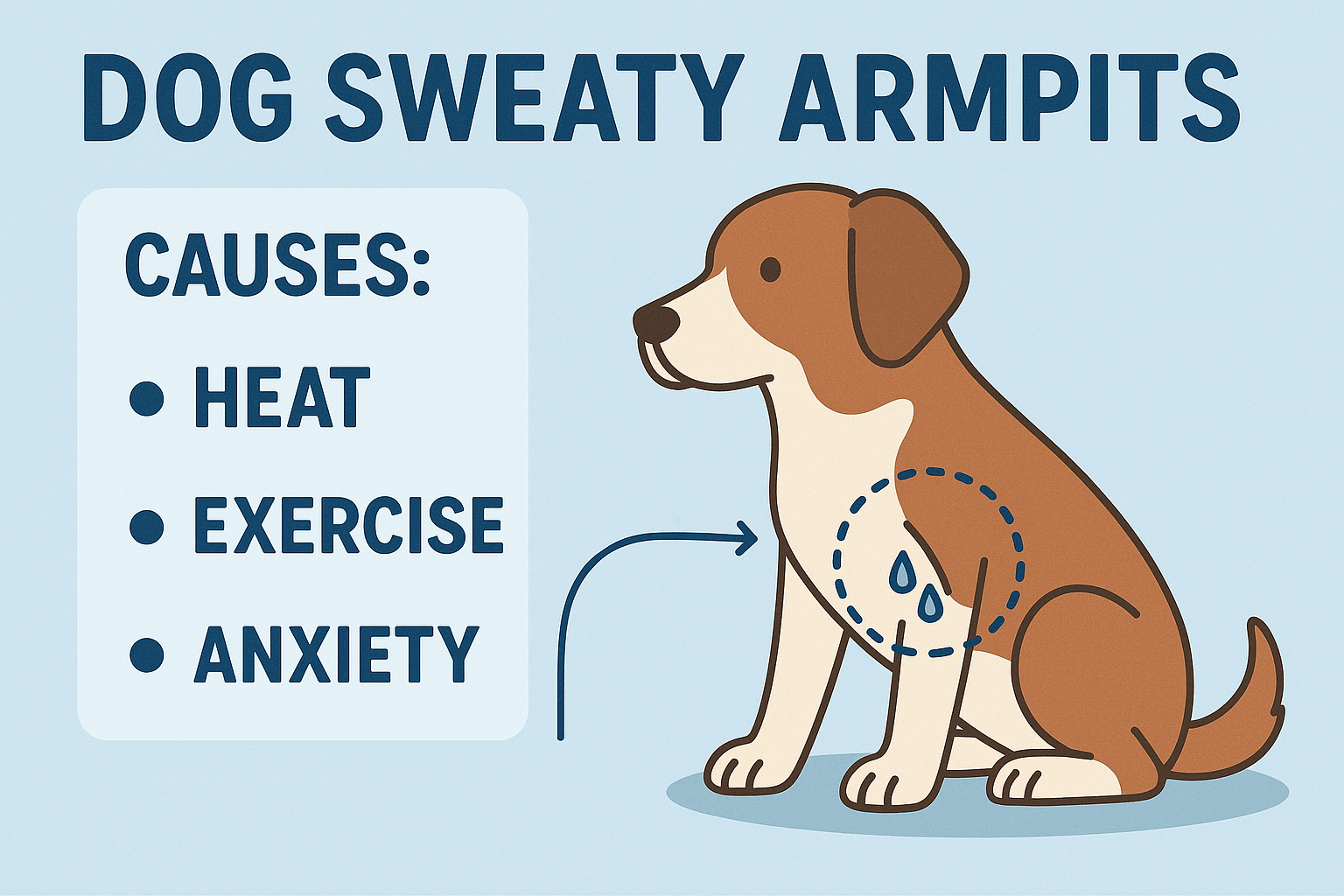

Why Do Dogs Have Sweaty Armpits? Best 7 Expert Tips!

Why Do Dogs Have Sweaty Armpits? Best 7 Expert Tips!

Why Do Dogs Have Sweaty Armpits? Understanding the Causes and Solutions


If you’ve ever noticed your dog’s armpits feeling damp or smelling unusual, you’re not alone. While dogs don’t sweat like humans do, their armpits—specifically the areas where their legs meet their torso—can sometimes become moist due to a variety of reasons. This phenomenon, often referred to as “dog sweaty armpits,” can be caused by factors ranging from overheating to skin conditions. Understanding why this happens is crucial for keeping your furry friend comfortable and healthy. In this blog post, we’ll explore the causes, symptoms, and solutions for sweaty armpits in dogs, helping you address this issue effectively.

Expert Insight: Preventing Overheating in Dogs

“Dogs do not cool down by sweating the way humans do, so care is needed to prevent overheating. Dogs should always have access to shade and cool water when playing outside. In summer, exercise should be kept to early mornings or late evenings when temperatures are lower.”

Virginia LaMon, DVM

Common Causes of Dog Sweaty Armpits


There are several reasons why your dog’s armpits might feel sweaty or damp. Identifying the underlying cause is the first step toward finding the right solution.

 
  • Overheating:
    Dogs regulate their body temperature primarily through panting, but their armpits can also release moisture when they’re too warm.

  • Allergies:
    Environmental or food allergies can irritate your dog’s skin, leading to excessive sweating or dampness in areas like the armpits.

  • Skin Infections:
    Bacterial or fungal infections in the armpit area can cause increased moisture, redness, and discomfort.

  • Excessive Licking:
    Some dogs lick their armpits excessively due to stress, boredom, or irritation, which can make the area damp and prone to infections.

  • Hormonal Imbalances:
    Conditions like hypothyroidism or Cushing’s disease can affect your dog’s skin and lead to unusual sweating or dampness.


By understanding these common causes, you can better pinpoint the reason behind your dog’s sweaty armpits and take appropriate action.

Why Do Dogs Have Sweaty Armpits? Best 7 Expert Tips!

Signs Your Dog Has Sweaty Armpits


Recognizing the signs of sweaty armpits in dogs is essential for addressing the issue promptly. Here are some indicators that your dog may need extra attention.

 
  • Damp Fur:
    If the fur under your dog’s front legs feels consistently wet or sticky, it could indicate sweating or excessive moisture buildup.

  • Unpleasant Odor:
    A strong, unpleasant smell emanating from your dog’s armpits may signal an infection or hygiene issue.

  • Redness or Irritation:
    Check for red, inflamed skin in the armpit area, which could suggest irritation or an allergic reaction.

  • Excessive Scratching or Licking:
    Frequent scratching or licking of the armpits often points to discomfort or an underlying problem.

  • Hair Loss:
    Patchy hair loss around the armpits may indicate a chronic skin condition requiring veterinary care.


Being vigilant about these signs helps ensure your dog stays healthy and comfortable.

Causes of Dog Sweaty Armpits
Solutions to Address the Issue
Overheating
Keep your dog cool with fans or shade
Allergies
Identify and eliminate allergens
Skin infections
Use medicated shampoos or treatments
Excessive licking
Provide mental stimulation to reduce stress
Hormonal imbalances
Consult a vet for diagnosis and treatment

How to Prevent Dog Sweaty Armpits


Prevention is key to avoiding discomfort and potential health issues related to sweaty armpits in dogs. These tips can help keep your pup happy and dry.

 
  • Maintain Proper Hygiene:
    Regularly clean your dog’s armpits with a damp cloth or pet-safe wipes to remove dirt and bacteria.

  • Provide Adequate Ventilation:
    Ensure your dog has access to fresh air and isn’t confined to hot, humid spaces for long periods.

  • Monitor Diet and Allergens:
    Feed your dog a balanced diet and avoid foods or environmental factors that trigger allergies.

  • Encourage Physical Activity:
    Regular exercise helps regulate body temperature and reduces stress-related behaviors like excessive licking.

  • Schedule Routine Vet Checkups:
    Regular visits to the vet can help detect and address any underlying health issues early on.


Taking proactive steps ensures your dog’s armpits stay clean, dry, and irritation-free.

When to See a Veterinarian About Dog Sweaty Armpits


While occasional dampness in your dog’s armpits may not be concerning, certain symptoms warrant professional attention. Knowing when to seek help is vital for your dog’s well-being.

 
  • Persistent Moisture:
    If your dog’s armpits remain constantly damp despite cleaning and care, consult a vet to rule out underlying issues.

  • Foul Odor:
    A persistent bad smell indicates a possible infection that requires medical treatment.

  • Severe Redness or Swelling:
    These symptoms may point to a serious skin condition or allergic reaction needing immediate attention.

  • Behavioral Changes:
    If your dog becomes lethargic or avoids activities they usually enjoy, it could signal discomfort or illness.

  • Unexplained Hair Loss:
    Sudden or patchy hair loss in the armpit area should be evaluated by a veterinarian.


Seeking professional advice ensures your dog receives the care they need to stay healthy and comfortable.

Home Remedies for Dog Sweaty Armpits

If your dog’s sweaty armpits are mild and not caused by a serious condition, home remedies can offer relief. Here are some safe and effective options to try.

 
  • Baking Soda Paste:
    Mix baking soda with water to create a paste and apply it to irritated armpits. Rinse after 10 minutes to soothe the skin.

  • Apple Cider Vinegar Spray:
    Dilute apple cider vinegar with water and spray it on your dog’s armpits to reduce odor and kill bacteria.

  • Aloe Vera Gel:
    Apply a small amount of pure aloe vera gel to calm irritated skin and promote healing.

  • Oatmeal Baths:
    Bathe your dog in a lukewarm oatmeal solution to relieve itching and moisturize dry skin.

  • Coconut Oil:
    Rub a small amount of coconut oil onto the affected area to hydrate the skin and reduce inflammation.


These natural remedies can provide quick relief, but consult your vet if symptoms persist.

Breeds Prone to Sweaty Armpits

Certain dog breeds are more susceptible to sweaty armpits due to their physical characteristics or predispositions. Understanding breed-specific risks can help you take preventive measures.

 
  • Short-Nosed Breeds (e.g., Bulldogs, Pugs):
    These dogs overheat easily, leading to increased moisture in areas like the armpits.

  • Double-Coated Breeds (e.g., Huskies, Golden Retrievers):
    Thick coats trap heat, making these breeds more prone to sweating in hidden areas.

  • Skin-Fold Breeds (e.g., Shar Pei, Basset Hounds):
    Wrinkles and folds create warm, moist environments where bacteria thrive.

  • Active Breeds (e.g., Border Collies, Labradors):
    High-energy dogs generate more body heat, increasing the risk of sweaty armpits.

  • Small Breeds (e.g., Chihuahuas, Yorkies):
    Their compact size makes them more sensitive to temperature changes and skin irritation.


Knowing your breed’s tendencies allows you to tailor your care routine accordingly.

How to Keep Your Dog Cool in Hot Weather

Hot weather can exacerbate sweaty armpits in dogs by causing overheating and dehydration. Here are some tips to keep your dog cool and comfortable during warmer months.

 
  • Provide Access to Water:
    Ensure your dog has constant access to fresh, clean water to stay hydrated.

  • Use Cooling Mats:
    Place cooling mats in your dog’s favorite resting spots to lower their body temperature.

  • Limit Outdoor Time:
    Avoid walks or playtime during peak heat hours (10 a.m. to 4 p.m.) to prevent overheating.

  • Offer Frozen Treats:
    Freeze treats like peanut butter or chicken broth in ice cube trays for a refreshing snack.

  • Create Shade:
    Set up shaded areas in your yard or use portable canopies to protect your dog from direct sunlight.


By implementing these strategies, you can minimize the risk of sweaty armpits and keep your dog cool all summer long.

Frequently Asked Questions About Dog Sweaty Armpits

 
Do dogs actually sweat through their armpits?

No, dogs primarily sweat through their paw pads, but moisture in the armpits can result from overheating, licking, or skin conditions.

No, human products can irritate your dog’s sensitive skin. Always use pet-safe alternatives recommended by a vet.

Clean your dog’s armpits as needed, especially if they appear dirty, smelly, or irritated.

Excessive licking may indicate an allergy, infection, or anxiety. Consult a vet to determine the cause.

While not always dangerous, they can lead to infections or discomfort if left untreated. Address the issue promptly to prevent complications.

Keeping Your Dog Comfortable and Healthy


Sweaty armpits in dogs may seem like a minor issue, but they can indicate larger problems that require attention. By understanding the causes, recognizing the signs, and taking preventive measures, you can ensure your dog remains happy and healthy. Whether it’s maintaining proper hygiene, providing a cool environment, or seeking veterinary care, every step you take contributes to your dog’s overall well-being. Remember, a little effort goes a long way in keeping those furry armpits dry and irritation-free!

Cuterebra Larvae in Cats: Best 7 Expert Tips!

Cuterebra Larvae in Cats: Best 7 Expert Tips! – Expert advice on signs, treatment & prevention of this rare but serious feline parasitic infestation.

Cuterebra Larvae in Dogs: Best 7 Expert Tips!

Cuterebra Larvae in Dogs: Best 7 Expert Tips! – Expert advice on signs, treatment & prevention of this rare but serious parasitic infestation.

Cat Tumor on Paw: Best 7 Expert Tips!

Cat Tumor on Paw: Best 7 Expert Tips! – Expert advice on signs, diagnosis, treatment & care for feline paw tumors.

Panacur Side Effects in Dogs: Best 7 Expert Tips!

Panacur Side Effects in Dogs: Best 7 Expert Tips! – Safe usage, common reactions & when to call the vet.

Leave a Reply

Your email address will not be published. Required fields are marked *

Post Category


