
Why Do Dog Farts Smell So Bad? Best 7 Expert Tips!

Why Do Dog Farts Smell So Bad? Best 7 Expert Tips!

Why Do Dog Farts Smell So Bad? Unpacking the Mystery Behind the Stink


Let’s face it—dog farts are a universal experience for pet owners. Whether you’re cuddling on the couch or enjoying a quiet evening at home, that sudden, unmistakable smell can clear a room faster than anything else. But why do dog farts smell so bad? Is it just a normal part of owning a dog, or could there be something more to it? In this blog post, we’ll dive into the science behind canine flatulence, explore common causes, and offer practical tips to help reduce those unpleasant odors. By the end, you’ll have a better understanding of why your furry friend’s gas is so potent—and what you can do about it.

The Science Behind Dog Farts: Why Are They So Smelly?


To understand why dog farts smell so bad, it’s important to break down the science behind flatulence. Just like humans, dogs produce gas as a natural byproduct of digestion. However, certain factors make their farts particularly pungent. Here’s what you need to know:

 
  • Dietary Composition : Dogs often consume foods rich in sulfur-containing amino acids, which can lead to foul-smelling gas.

  • Digestive Efficiency : Unlike humans, dogs may struggle to fully digest certain ingredients, leading to increased fermentation in the gut.

  • Gut Bacteria : The bacteria in a dog’s digestive system play a significant role in breaking down food, but they can also produce smelly gases like hydrogen sulfide.

  • Protein Overload : High-protein diets, while beneficial for muscle development, can sometimes overwhelm a dog’s digestive system, resulting in stronger-smelling farts.

  • Swallowed Air : Dogs that eat too quickly or chew excessively may swallow air, contributing to gas buildup and release.


Understanding the biological processes behind dog farts can help you identify potential triggers and take steps to minimize their impact.

Common Causes of Smelly Dog Farts


While occasional flatulence is normal, consistently smelly dog farts may indicate an underlying issue. Identifying the root cause is key to addressing the problem effectively. Below are some common culprits:

 
  • Low-Quality Food : Cheap dog food often contains fillers and artificial ingredients that are difficult for dogs to digest.

  • Food Intolerances : Some dogs are sensitive to specific ingredients like grains, dairy, or soy, which can lead to excessive gas.

  • Table Scraps : Feeding your dog human food, especially fatty or spicy items, can upset their stomach and increase flatulence.

  • Lack of Exercise : Physical activity helps stimulate digestion and reduces the likelihood of gas buildup in the intestines.

  • Health Conditions : Conditions like irritable bowel syndrome (IBS) or gastrointestinal infections can cause excessive and smelly gas.


By pinpointing the cause of your dog’s flatulence, you can take targeted steps to improve their digestive health and reduce unpleasant odors.

Why Do Dog Farts Smell So Bad? Best 7 Expert Tips!
Cause of Smelly Dog Farts
How to Address It
Low-Quality Food
Switch to a high-quality, digestible diet.
Food Intolerances
Identify and eliminate trigger ingredients.
Table Scraps
Avoid feeding your dog human food entirely.
Lack of Exercise
Incorporate daily walks and playtime.
Health Conditions
Consult a vet for diagnosis and treatment.

Tips to Reduce Smelly Dog Farts


If your dog’s farts are becoming a nuisance, don’t worry—there are plenty of ways to address the issue. With a few simple changes, you can help your pup (and your nose) breathe easier. Here are some expert-recommended tips:

 
  • Switch to a High-Quality Diet : Opt for dog food made with natural, easily digestible ingredients to reduce gas production.

  • Introduce Probiotics : Probiotic supplements can promote healthy gut bacteria and improve digestion.

  • Feed Smaller Meals : Breaking meals into smaller portions can prevent overeating and reduce swallowed air.

  • Slow Down Eating : Use slow-feed bowls or puzzle feeders to encourage your dog to eat more slowly.

  • Monitor Treats : Limit treats and avoid those containing artificial additives or hard-to-digest ingredients.


By implementing these strategies, you can significantly reduce the frequency and intensity of your dog’s flatulence, creating a more pleasant environment for everyone.

When to See a Veterinarian About Your Dog’s Gas


While occasional flatulence is normal, persistent or extremely smelly gas may signal a more serious issue. Knowing when to consult a veterinarian can ensure your dog stays healthy and comfortable. Here are some signs that warrant a vet visit:

 
  • Excessive Gas : If your dog is farting constantly throughout the day, it could indicate a digestive problem.

  • Changes in Stool : Diarrhea, constipation, or blood in the stool alongside smelly gas may point to gastrointestinal issues.

  • Vomiting : Frequent vomiting accompanied by gas can indicate a food intolerance or obstruction.

  • Weight Loss : Unexplained weight loss combined with excessive flatulence may suggest an underlying health condition.

  • Lethargy : If your dog seems unusually tired or uninterested in activities, it could be a sign of illness.


Don’t hesitate to seek professional advice if you notice any of these symptoms. Early intervention can prevent minor issues from becoming major problems.

Foods That Can Trigger Smelly Dog Farts


Certain foods are notorious for causing excessive gas in dogs. If your furry friend is prone to smelly farts, it’s worth examining their diet for potential culprits. Here are some common offenders:

 
  • Beans and Legumes : These contain sugars that are difficult for dogs to digest, leading to increased gas production.

  • Dairy Products : Many dogs are lactose intolerant, and consuming dairy can result in bloating and flatulence.

  • Fatty Meats : High-fat foods like bacon or fatty cuts of meat can overwhelm a dog’s digestive system.

  • Grains : Wheat, corn, and soy are common allergens that can irritate a dog’s stomach and cause gas.

  • Spicy or Seasoned Foods : Human foods with spices, garlic, or onions can upset a dog’s digestive tract.


By identifying and avoiding these trigger foods, you can help minimize your dog’s gassiness and improve their overall comfort.

Natural Remedies to Combat Smelly Dog Farts


If you’re looking for natural ways to address your dog’s flatulence, there are several remedies you can try at home. These options are safe, effective, and easy to incorporate into your dog’s routine.

 
  • Pumpkin : Adding plain, canned pumpkin to your dog’s meals can aid digestion and reduce gas.

  • Ginger : A small amount of fresh ginger can soothe an upset stomach and decrease bloating.

  • Parsley : This herb acts as a natural deodorizer and can help neutralize odors from your dog’s digestive system.

  • Yogurt : Plain, unsweetened yogurt contains probiotics that promote healthy gut bacteria.

  • Chamomile Tea : Offering cooled chamomile tea can calm your dog’s stomach and ease digestive issues.


These natural remedies can provide relief without the need for harsh medications, making them a great option for pet owners seeking holistic solutions.

Fun Facts About Dog Flatulence


While smelly dog farts can be unpleasant, they’re also a fascinating aspect of canine biology. Learning more about this quirky trait can help you appreciate your dog even more. Here are some fun facts:

 
  • Dogs Fart More Than Humans : On average, dogs produce more gas than humans due to their shorter digestive tracts.

  • Silent but Deadly : Some dogs release silent farts that are surprisingly potent, catching owners off guard.

  • Flatulence Varies by Breed : Certain breeds, like Boxers and Retrievers, are more prone to gassiness than others.

  • Dogs Don’t Feel Embarrassed : Unlike humans, dogs don’t experience shame or embarrassment when they fart.

  • It’s a Sign of Health : Occasional flatulence is a normal part of digestion and indicates your dog’s body is processing food.


Understanding these fun facts can make dealing with your dog’s gas a little more amusing—and less frustrating—knowing it’s just another quirky part of living with a canine companion.

Frequently Asked Questions About Smelly Dog Farts

 
Why do dog farts smell so bad compared to human farts?

Dogs’ digestive systems produce higher levels of sulfur-containing gases, which are naturally more pungent.

Yes, probiotics can help balance gut bacteria and improve digestion, potentially reducing gas.

Yes, brachycephalic breeds like Bulldogs and Pugs are more likely to swallow air, leading to increased flatulence.

Yes, table scraps often contain ingredients that are difficult for dogs to digest and can worsen gas.

Look for additional symptoms like vomiting, diarrhea, or lethargy, and consult a vet if you’re concerned.

Living Harmoniously with Your Gassy Dog


While smelly dog farts may never be completely eliminated, understanding their causes and taking proactive steps can significantly reduce their frequency and intensity. By providing a balanced diet, encouraging regular exercise, and monitoring your dog’s overall health, you can create a happier and healthier environment for both you and your pet. Remember, occasional flatulence is a normal part of life with dogs, but if the problem persists or worsens, don’t hesitate to seek veterinary advice. With patience and care, you can enjoy countless moments of companionship without letting the occasional stink ruin your day.

How to Taper Off Prednisone for Cats: Best 7 Expert Tips!

How to Taper Off Prednisone for Cats: Best 7 Expert Tips! – Safely reduce prednisone with vet guidance. Learn now!
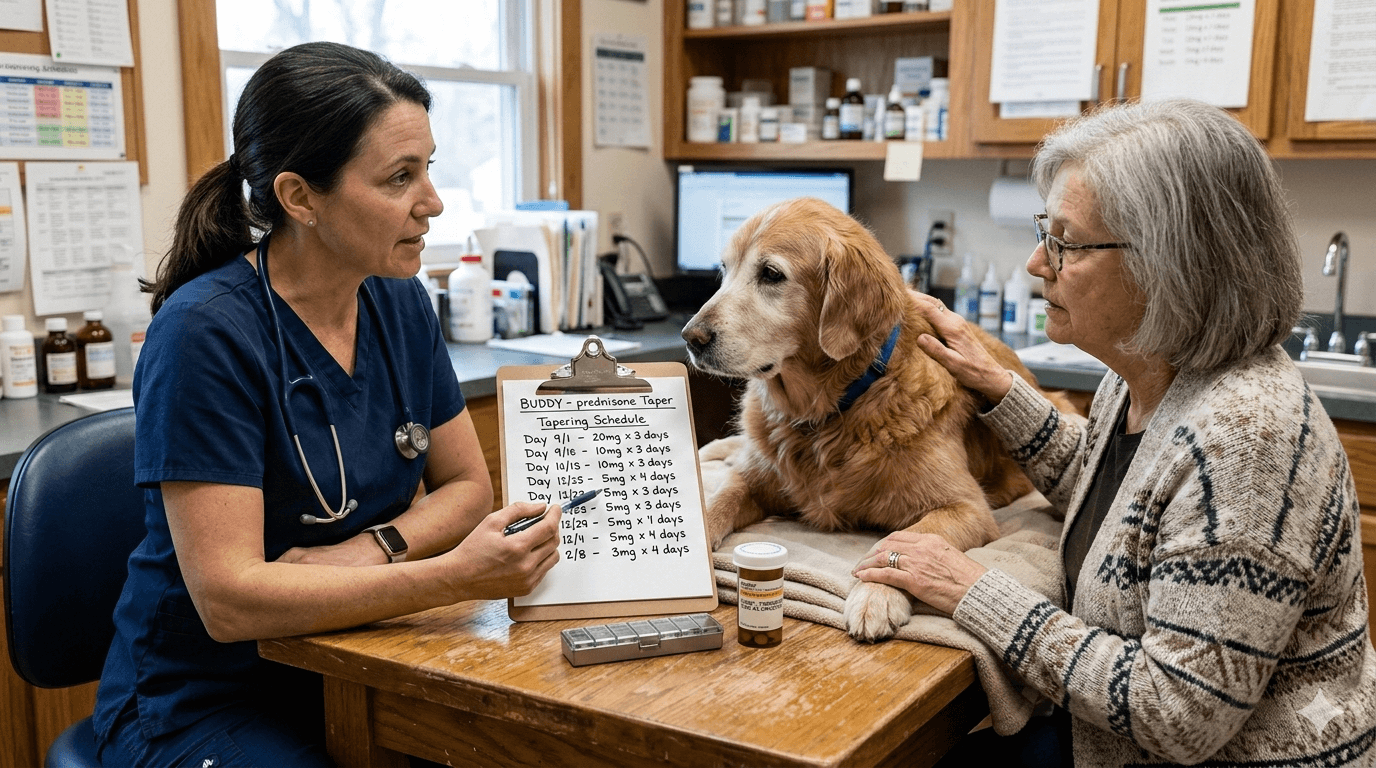
How to Taper Off Prednisone Schedule for Dogs: Best 7 Tips!

How to Taper Off Prednisone Schedule for Dogs: Best 7 Tips! – Learn the safe way to reduce prednisone, recognize withdrawal signs, and keep your dog healthy during the process.

Can a Cat Scratch Give You Rabies? Best 7 Expert Tips!

Can a Cat Scratch Give You Rabies? Best 7 Expert Tips! – Learn how rabies spreads, assess risks from cat scratches, and know when to seek medical help. Stay safe!

Can a Dog Scratch Give You Rabies? Best 7 Expert Tips!

Can a Dog Scratch Give You Rabies? Best 7 Expert Tips! – Learn the risks, symptoms, and steps to take if scratched by a dog. Stay informed and protect yourself from rabies exposure.

Leave a Reply

Your email address will not be published. Required fields are marked *