

Why Do Cats Cross Their Paws? Best 7 Expert Tips!

Why Do Cats Cross Their Paws? Best 7 Expert Tips!

Why Do Cats Cross Their Paws?


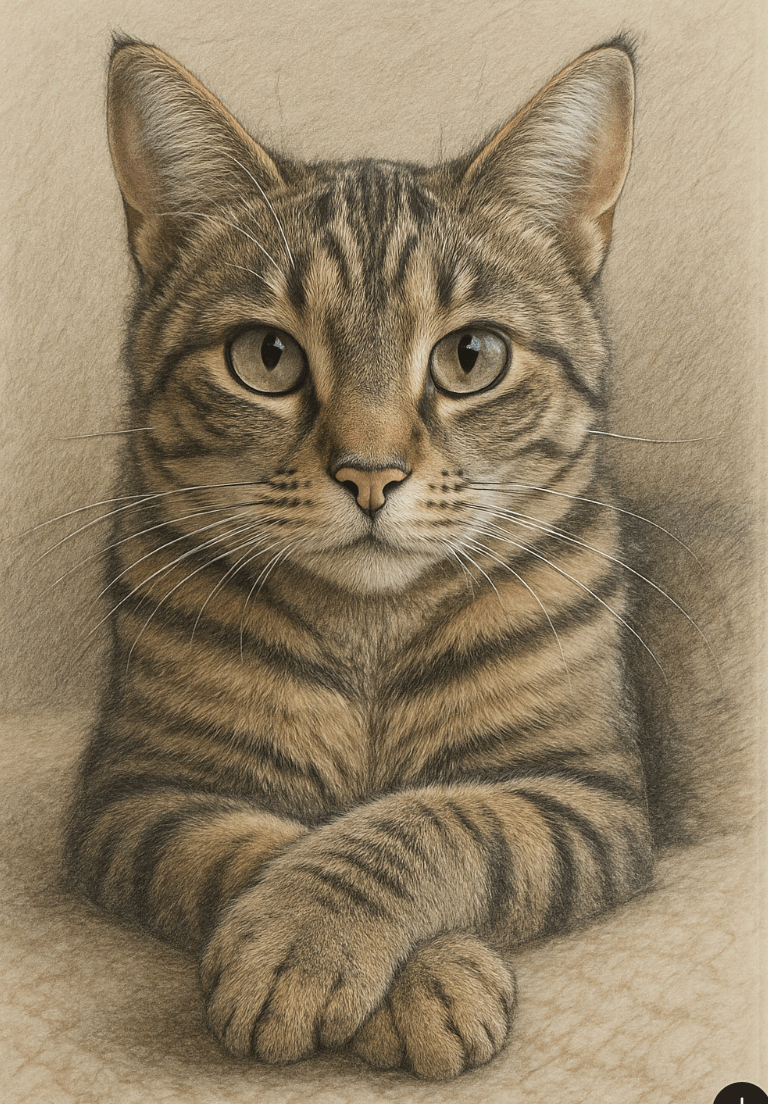
Cats are known for their quirky and adorable behaviors, and one of the most endearing is when they cross their paws. Whether lounging on a windowsill or curling up on your lap, this pose often makes us wonder: Why do cats cross their paws? Is it purely for comfort, or does it carry a deeper meaning? While this behavior may seem simple, it reflects a combination of physical comfort, personality traits, and even evolutionary instincts. In this blog post, we’ll explore the reasons behind this charming habit, what it reveals about your feline friend, and how you can better understand their unique quirks.

Reasons Why Cats Cross Their Paws


Cats cross their paws for a variety of reasons, ranging from practical comfort to emotional expression. Understanding these motivations can deepen your bond with your furry companion.

 
  • Comfort and Relaxation:
    Crossing their paws allows cats to settle into a cozy position, conserving body heat and feeling secure in their environment.

  • Temperature Regulation:
    By tucking their paws close to their body, cats reduce heat loss, especially in cooler environments or during restful moments.

  • Instinctual Behavior:
    Wild ancestors of domestic cats often adopted compact poses to protect vital organs and stay alert while resting.

  • Personality Expression:
    Some cats cross their paws as part of their unique “signature” behavior, showcasing their individuality and charm.

  • Sign of Contentment:
    When a cat crosses their paws while near you, it may indicate trust and relaxation, signaling that they feel safe in your presence.


These reasons highlight how this seemingly simple gesture reflects both physical needs and emotional connections.


Body Language Clues Hidden in Paw-Crossing


While crossing their paws might look cute, it can also reveal subtle insights into your cat’s mood and well-being. Observing this behavior alongside other cues helps you better understand your cat’s state of mind.

 
  • Relaxed Posture:
    A cat lying down with crossed paws and half-closed eyes is likely feeling calm and at ease.

  • Guarded Comfort:
    If paired with tense body language or flattened ears, paw-crossing could indicate mild anxiety or caution.

  • Seeking Attention:
    Some cats cross their paws deliberately when near their owners, hoping to elicit affection or playtime.

  • Health Indicators:
    Excessive paw-crossing combined with lethargy or changes in appetite may signal underlying health issues worth investigating.

  • Territorial Marking:
    Cats sometimes adopt specific poses, including paw-crossing, to subtly mark their territory or assert ownership over a space.


By paying attention to these nuances, you can decode your cat’s body language and respond appropriately to their needs.

Why Do Cats Cross Their Paws? Best 7 Expert Tips!
Physical Reasons for Paw-Crossing
Emotional Reasons for Paw-Crossing
Conserves body heat
Indicates contentment and relaxation
Protects vital organs
Signals trust toward humans
Helps maintain balance
Reflects playful or curious moods
Reduces muscle strain
Shows mild discomfort or hesitation
Supports joint flexibility
Reinforces territorial behavior

How to Encourage Your Cat to Feel Comfortable Enough to Cross Their Paws


If you want to see more of this adorable behavior, creating a safe and inviting environment is key. Here are some tips to encourage your cat to relax and display their natural habits.

 
  • Provide Cozy Spaces:
    Offer soft beds, blankets, or cushions where your cat can lounge comfortably without feeling exposed.

  • Maintain a Quiet Environment:
    Minimize loud noises or sudden disruptions to help your cat feel secure and at ease.

  • Respect Their Personal Space:
    Avoid forcing interaction; allow your cat to approach you on their terms, fostering trust.

  • Use Positive Reinforcement:
    Reward relaxed behaviors with treats or gentle praise to reinforce feelings of safety.

  • Keep Them Warm:
    Ensure your home is warm enough, especially during colder months, to encourage snug poses like paw-crossing.


By nurturing a peaceful atmosphere, you’ll likely see your cat adopting this sweet posture more often.


Misconceptions About Cats Crossing Their Paws


Despite its popularity, there are several misconceptions about why cats cross their paws. Clearing up these myths helps us appreciate the true nature of this behavior.

 
  • It’s Always a Sign of Illness:
    While unusual posture changes can indicate health problems, paw-crossing itself is rarely a cause for concern unless accompanied by other symptoms.

  • Only Certain Breeds Do It:
    All cats, regardless of breed, can exhibit this behavior—it’s not exclusive to any specific type.

  • It Means They’re Plotting Something:
    This humorous belief stems from stereotypes but has no basis in reality; paw-crossing is simply a natural pose.

  • They Only Do It Around Humans:
    Cats often cross their paws alone too—it’s not always an attempt to gain attention.

  • It’s Purely for Show:
    While it looks elegant, paw-crossing serves functional purposes related to comfort and instinct.


Understanding the truth behind these myths ensures we view our cats’ actions with clarity and appreciation.

Other Adorable Cat Poses and What They Mean


Cats have a repertoire of adorable poses beyond paw-crossing, each carrying its own significance. Here’s a closer look at some common ones and what they might reveal.

 
  • The Loaf Position:
    When cats tuck their paws under their bodies like a loaf of bread, it usually means they’re relaxed yet ready to spring into action if needed.

  • The Sphinx Pose:
    Sitting upright with front paws extended forward signifies alertness and curiosity about their surroundings.

  • The Side Stretch:
    Stretching out on their side shows complete vulnerability and deep relaxation, indicating high levels of trust.

  • The Belly-Up Pose:
    While exposing their belly is a sign of trust, it doesn’t always mean they want belly rubs—proceed with caution!

  • The Half-Moon Curl:
    Curled tightly into a ball suggests your cat is trying to conserve warmth or feels slightly insecure.


Each pose tells a story, adding depth to your understanding of your cat’s unique personality.

How to Capture the Perfect Photo of Your Cat Crossing Their Paws


If you’ve ever wanted to capture your cat mid-pose, here are some tips to get that Instagram-worthy shot of them crossing their paws.

 
  • Choose Natural Lighting:
    Opt for soft, indirect light to avoid harsh shadows and enhance the details of their fur.

  • Be Patient and Observant:
    Watch for moments when your cat naturally settles into a comfortable position, such as after meals or naps.

  • Use Treats Strategically:
    Lure your cat into a relaxed pose by placing treats nearby or using toys to distract them momentarily.

  • Avoid Flash Photography:
    Bright flashes can startle your cat; instead, use ambient lighting or adjust camera settings for low-light conditions.

  • Edit Thoughtfully:
    Enhance colors and sharpness lightly to preserve the authenticity of the photo.


With patience and creativity, you’ll soon have a collection of adorable photos showcasing your cat’s charm.

Fun Facts About Cats’ Paws You Didn’t Know


Beyond crossing their paws, feline feet are fascinating in their own right. Here are some intriguing tidbits about your cat’s paws that might surprise you.

 
  • Sweaty Paws:
    Cats sweat through their paw pads, which helps regulate body temperature and leaves scent marks.

  • Built-In Shock Absorbers:
    The thick padding on their paws acts as a shock absorber, aiding in stealthy landings and protecting joints.

  • Unique Whisker Pads:
    Cats have specialized sensory pads on their paws that detect vibrations and textures, enhancing their hunting skills.

  • Left- or Right-Pawed:
    Like humans, cats can favor one paw over the other, showing distinct left- or right-paw dominance.

  • Communication Tools:
    Paw swipes, kneading, and even paw-crossing serve as forms of communication, expressing everything from affection to irritation.


Learning these fun facts adds another layer of admiration for your cat’s incredible anatomy and behavior.

Frequently Asked Questions About Cats Crossing Their Paws

 
Is it normal for cats to cross their paws?

Yes, it’s completely normal and typically indicates relaxation or comfort.

It can be a sign of trust if done in your presence, especially paired with other positive body language.

Not necessarily, but monitor for additional signs of illness or stress and consult a vet if concerned.

Most cats do at some point, though frequency and style vary depending on the individual.

Yes, kittens may start doing this as they grow older and develop their own lounging preferences.


Celebrating the Charm of Cats Crossing Their Paws


The sight of a cat crossing their paws is undeniably heartwarming, offering a glimpse into their world of comfort, trust, and innate grace. Whether it’s a sign of relaxation, a nod to their wild ancestry, or simply a quirk unique to your pet, this behavior reminds us of the joy and mystery cats bring into our lives. By observing and understanding their habits, we strengthen the bond we share with these wonderful creatures. So next time your cat strikes that picture-perfect pose, take a moment to appreciate the beauty and complexity behind their crossed paws.

Newfoundland Dog Personality: Best 7 Expert Tips!

Newfoundland Dog Personality: Best 7 Expert Tips! – Discover the gentle, loyal, and protective nature of this giant breed perfect for families.

Can Hot Pavement Burn Your Cats Paws? Best 7 Expert Tips!

Can Hot Pavement Burn Your Cats Paws? Best 7 Expert Tips! – Learn how to protect your cat’s paws from hot surfaces and prevent painful burns this summer.

Can Hot Pavement Burn Your Dogs Paws? Best 7 Expert Tips!

Can Hot Pavement Burn Your Dogs Paws? Best 7 Expert Tips! – Learn how to protect your dog’s paws from hot surfaces and ensure safe summer walks.

Irish Wolfhound Size: Best 7 Expert Tips!

Irish Wolfhound Size: Best 7 Expert Tips! – Discover the ideal height, weight, and care tips for this majestic giant breed. Learn how to manage their impressive stature responsibly.

Leave a Reply

Your email address will not be published. Required fields are marked *


