
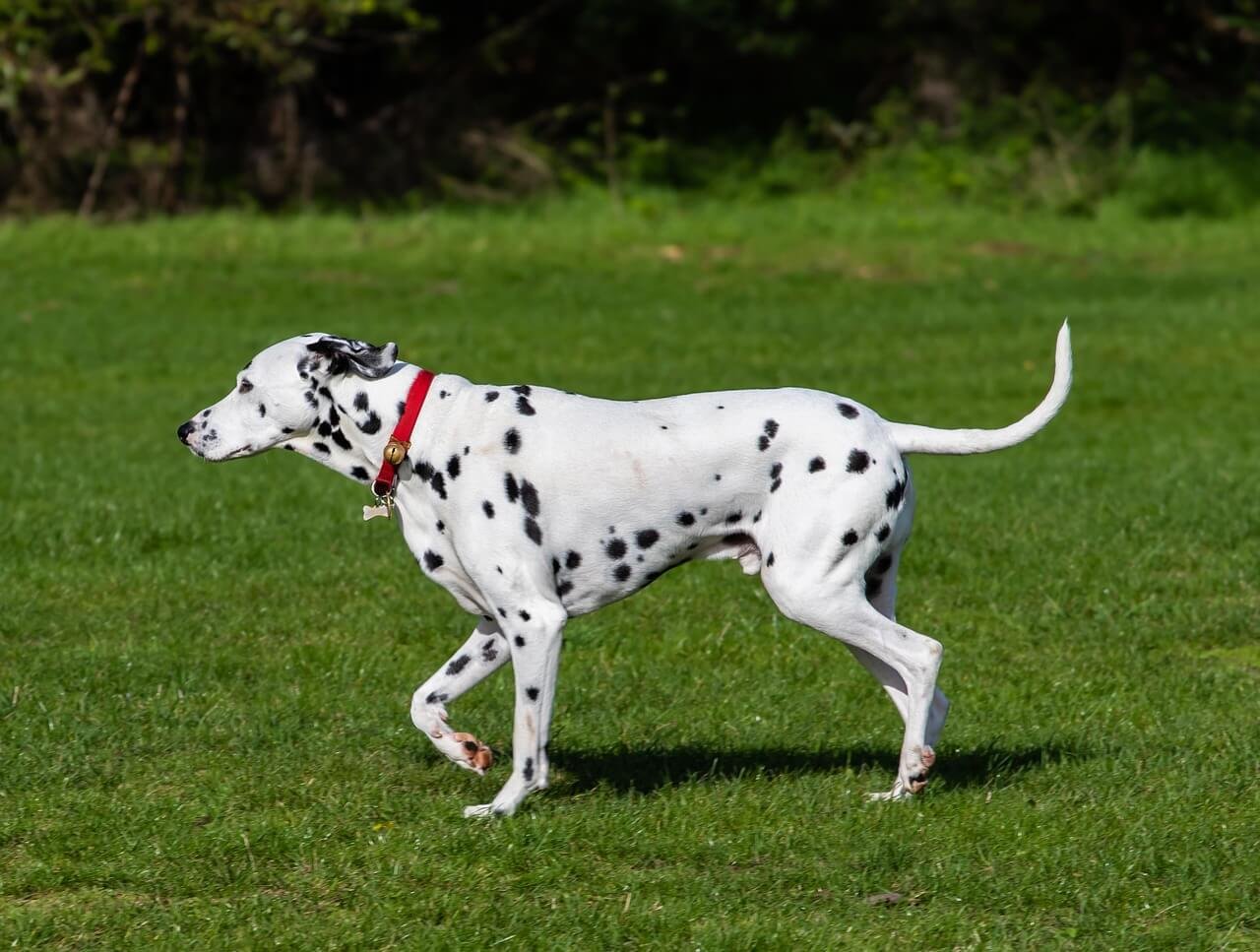

Why Are Dalmatians Fire Dogs? Best 7 Health Tips!

Why Are Dalmatians Fire Dogs? Best 7 Health Tips!

Why Are Dalmatians Fire Dogs? Unpacking the Iconic Connection


When you think of firefighters, images of red trucks, sirens, and heroic rescues likely come to mind. But for many, one more image stands out: the iconic Dalmatian. This spotted breed has long been associated with fire departments, but why exactly are Dalmatians known as “fire dogs”? The answer lies in a fascinating blend of history, functionality, and symbolism. From their early days as carriage companions to their modern role as mascots, Dalmatians have earned their place alongside firefighters.

In this blog post, we’ll explore the origins of this unique bond, the roles Dalmatians played in firefighting history, and why they remain so beloved today. Whether you’re a dog lover or simply curious about this tradition, read on to uncover the story behind why Dalmatians are fire dogs.

The Historical Role of Dalmatians in Firefighting


Dalmatians didn’t become fire dogs by accident. Their journey began centuries ago when their natural traits made them invaluable to horse-drawn carriages, including those used by early fire brigades. Here’s a closer look at how Dalmatians earned their reputation:

 
  • Known for their endurance, Dalmatians could run alongside carriages for long distances without tiring

  • Their protective instincts made them excellent guard dogs, deterring thieves and stray animals from approaching

  • Dalmatians formed strong bonds with horses, calming them during chaotic situations

  • Their striking appearance made them easily recognizable, serving as a visual symbol of authority

  • They were trained to clear paths for fire carriages, ensuring swift movement through crowded streets


These qualities made Dalmatians indispensable to early firefighting efforts. Though modern technology has changed the way fires are fought, their legacy lives on as a testament to their loyalty and utility.

Traits That Make Dalmatians Ideal Fire Dogs


Beyond their historical contributions, Dalmatians possess several traits that make them uniquely suited for the role of fire dogs. These characteristics have cemented their status as the unofficial mascots of firefighting. Below are some key attributes:

 
  • High energy levels allow them to keep up with the fast-paced demands of firefighting

  • Intelligent and trainable, making them quick learners in high-pressure environments

  • Naturally alert, which helps them stay vigilant during emergencies

  • Friendly and sociable, fostering strong relationships with firefighters and the community

  • Distinctive spotted coat makes them stand out, adding to their symbolic value


These traits not only made Dalmatians effective working dogs but also endeared them to firefighters and the public alike. Their combination of physical and behavioral strengths continues to inspire admiration.

Why Are Dalmatians Fire Dogs? Best 7 Health Tips!
Roles of Dalmatians in Firefighting History
Modern-Day Contributions of Dalmatians
Running alongside fire carriages to clear paths
Serving as mascots for fire departments
Guarding equipment and horses from threats
Participating in community outreach events
Calming horses during stressful situations
Raising awareness about fire safety
Alerting people to the presence of fire crews
Appearing at parades and fundraisers
Boosting team morale with their presence
Educating children about emergency services

Symbolism and Pop Culture Influence


Dalmatians have transcended their practical roles to become enduring symbols of firefighting culture. Their association with fire departments has been further amplified by their presence in pop culture. Here’s how they’ve left an indelible mark:

 
  • Featured prominently in movies like 101 Dalmatians , reinforcing their iconic status

  • Often depicted in children’s books and educational materials about firefighting

  • Used in logos and branding for fire departments worldwide

  • Represent resilience and teamwork in firefighting traditions

  • Serve as ambassadors for fire safety campaigns


Through these cultural touchpoints, Dalmatians have become more than just working dogs—they’re symbols of courage, loyalty, and community spirit. Their influence extends far beyond the firehouse.


How Dalmatians Support Modern Fire Departments


While Dalmatians no longer run alongside fire trucks, their role in modern fire departments remains significant. Today, they contribute in ways that honor their historical legacy while adapting to contemporary needs. Here’s how they continue to make a difference:

 
  • Attend community events to promote fire safety education

  • Provide comfort and emotional support to firefighters during stressful times

  • Act as goodwill ambassadors, strengthening ties between departments and the public

  • Raise funds for fire departments through appearances at charity events

  • Inspire pride and camaraderie among firefighting teams


Though their duties have evolved, Dalmatians remain cherished members of the firefighting family. Their presence reminds us of the rich history and values shared by firefighters everywhere.

The Temperament of Dalmatians

Dalmatians are not just visually striking; their temperament also plays a significant role in why they’ve become such beloved fire dogs. Their personality traits make them adaptable, loyal, and highly trainable companions. Here’s a closer look at what makes their temperament so special:

 
  • Known for their playful and energetic nature, Dalmatians thrive in active environments

  • They are highly intelligent, which makes them quick learners and eager to please

  • Dalmatians are fiercely loyal, forming strong bonds with their human companions

  • Their alertness and protective instincts make them excellent watchdogs

  • Despite their high energy, they can be calm and composed when properly trained


These traits have made Dalmatians ideal partners in demanding roles like firefighting. Their balanced temperament continues to endear them to people from all walks of life.

Challenges of Owning a Dalmatian

While Dalmatians are undeniably charming, they come with unique challenges that potential owners should consider. Understanding these aspects can help ensure a harmonious relationship between humans and their spotted companions. Below are some key considerations:

 
  • Dalmatians require extensive daily exercise to prevent destructive behavior

  • They can be sensitive to harsh training methods, responding better to positive reinforcement

  • Early socialization is crucial to prevent timidness or aggression toward strangers

  • Their short coats shed year-round, requiring regular grooming and cleaning

  • Dalmatians are prone to certain health issues, such as deafness and urinary stones


With the right care and commitment, these challenges can be managed effectively. A well-cared-for Dalmatian can bring immense joy and companionship to any household.


Fun Facts About Dalmatians

Beyond their firefighting fame, Dalmatians have a rich history and many intriguing quirks that make them stand out. These fun facts highlight the breed’s uniqueness and charm, offering a deeper appreciation for these iconic dogs:

 
  • Dalmatian puppies are born completely white, developing their spots as they grow older

  • They were once used as guard dogs in stables, protecting horses and carriages

  • Dalmatians have been featured in art dating back to the 1600s, showcasing their long-standing popularity

  • The breed holds the record for the most tattoos on a dog, thanks to their distinctive spotted coat

  • Dalmatians are one of the few breeds that excel in both agility and endurance sports


These fascinating tidbits add to the allure of Dalmatians, making them even more captivating to dog lovers around the world. Their rich history and quirky traits only deepen their appeal.

FAQ

Why are Dalmatians specifically associated with fire departments?

Dalmatians historically ran alongside horse-drawn fire carriages, protecting equipment and calming horses, which led to their iconic connection.

While they no longer perform active roles, they often serve as mascots and participate in community outreach programs.

Besides firefighting, they served as carriage dogs, guard dogs, and even circus performers due to their intelligence and trainability.

Yes, but they require plenty of exercise and mental stimulation due to their high energy levels and intelligence.

The breed is named after the Dalmatia region in Croatia, where they were first documented.


Conclusion: A Legacy of Loyalty and Courage


The bond between Dalmatians and firefighters is a testament to the power of partnership and shared purpose. From their early days as steadfast companions to horse-drawn fire carriages to their modern role as beloved mascots, Dalmatians have left an unforgettable mark on firefighting culture. Their loyalty, intelligence, and striking appearance have made them timeless symbols of bravery and teamwork. While the world of firefighting has evolved, the spirit of the Dalmatian endures, reminding us of the rich history and values that unite communities in times of need. So the next time you see a Dalmatian at a fire station or parade, take a moment to appreciate the legacy of these remarkable “fire dogs.”

Understanding Cryptosporidium in Cats: Best 7 Expert Tips!

Understanding Cryptosporidium in Cats: Best 7 Expert Tips! – Spot symptoms, treat safely, and stop parasite spread in your home.

Understanding Cryptosporidium in Dogs: Best 7 Expert Tips!

Understanding Cryptosporidium in Dogs: Best 7 Expert Tips! – Learn symptoms, treatment & prevention for this stubborn gut parasite.

Understanding Syringomyelia in Cats: Best 7 Expert Tips!

Understanding Syringomyelia in Cats: Best 7 Expert Tips! – Recognize signs, manage pain, and support your cat’s neurological health with vet-backed guidance.

Understanding Syringomyelia in Dogs: Best 7 Expert Tips!

Understanding Syringomyelia in Dogs: Best 7 Expert Tips! – Expert insights on symptoms, MRI diagnosis, pain management & quality of life.

Leave a Reply

Your email address will not be published. Required fields are marked *


