
Understanding Whipworms in Dogs
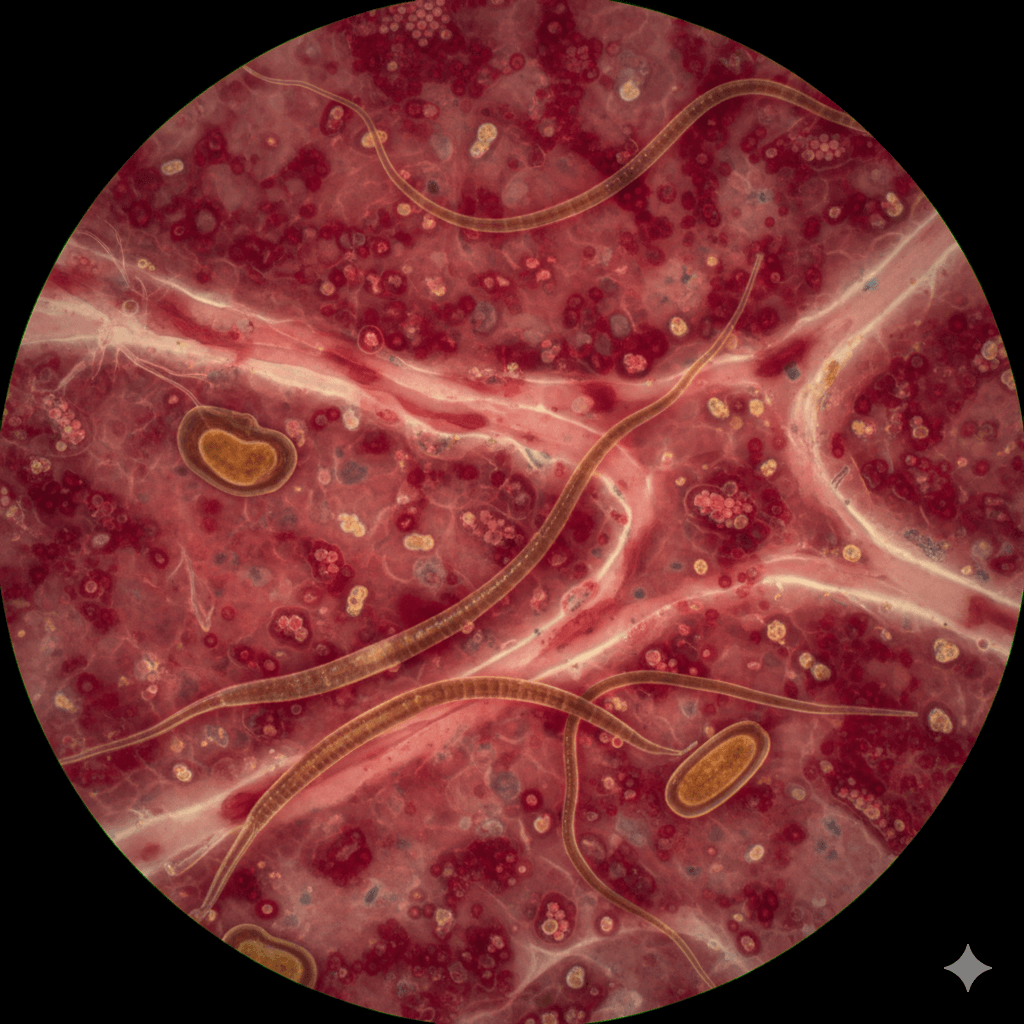
Whipworms are a common intestinal parasite that can infect dogs, causing symptoms like diarrhea, weight loss, and lethargy. These tiny, thread-like worms attach to the lining of the large intestine, leading to irritation and discomfort for your furry companion. Recognizing the signs early and seeking proper treatment is crucial to protect your dog’s health and prevent complications.
How Whipworms Infect Dogs
Whipworms are highly resilient parasites that thrive in warm, moist environments, making them a persistent threat to dogs. These worms are typically contracted when dogs ingest contaminated soil, food, or water containing whipworm eggs. The life cycle of whipworms involves multiple stages, from egg to larvae to adult worms, each posing unique challenges for diagnosis and treatment. Understanding how whipworms infect dogs is the first step toward prevention and effective management.
- Egg Ingestion:
Whipworm eggs are microscopic and can survive in soil for years, making them nearly invisible to pet owners. Dogs often ingest these eggs while sniffing or licking the ground. - Larval Migration:
Once ingested, whipworm larvae hatch in the small intestine and migrate to the large intestine, where they mature into adults. This migration process can irritate the intestinal lining. - Adult Worm Attachment:
Adult whipworms embed their thin, whip-like front ends into the colon’s mucosal lining, feeding on blood and tissue. This attachment causes inflammation and potential bleeding. - Environmental Contamination:
Infected dogs shed whipworm eggs in their feces, contaminating yards, kennels, and public spaces. These eggs then spread to other dogs, perpetuating the cycle. - Resilience of Eggs:
Whipworm eggs are encased in a hard shell, making them resistant to extreme temperatures and disinfectants. This resilience complicates efforts to eliminate them from the environment.
The persistence of whipworm eggs in the environment underscores the importance of regular deworming and hygiene practices to protect your dog from reinfection.
Symptoms of Whipworm Infection in Dogs
While some dogs with whipworms may show no symptoms initially, others exhibit clear signs of gastrointestinal distress as the infection progresses. Recognizing these symptoms early allows for timely intervention and minimizes discomfort for your dog. Chronic infections can lead to severe complications if left untreated, so vigilance is key.
- Diarrhea (Often Bloody):
One of the most common signs, diarrhea occurs due to inflammation caused by whipworms attaching to the colon. Blood may appear in severe cases. - Weight Loss:
Chronic whipworm infections interfere with nutrient absorption, leading to gradual weight loss despite normal food intake. - Lethargy and Weakness:
Dogs may become unusually tired or reluctant to engage in activities due to anemia or overall discomfort from the infection. - Anemia:
Severe infections cause blood loss in the colon, resulting in pale gums, weakness, and fatigue as red blood cell counts drop. - Frequent Straining During Bowel Movements:
Whipworms irritate the colon, causing dogs to strain or vocalize while attempting to defecate, even if stools are minimal.
If you notice any combination of these symptoms, consult your veterinarian promptly to confirm the diagnosis and begin treatment.
Check this guide 👉Can I Get Hookworms from My Dog? Best 7 Expert Tips!
Check this guide 👉Can Heartworms in Dogs Be Cured? Best 7 Expert Tips!
Check this guide 👉How to Know If Your Dog Has Tapeworm: Best 7 Expert Tips!
Lorem ipsum dolor sit amet, consectetur adipiscing elit. Ut elit tellus, luctus nec ullamcorper mattis, pulvinar dapibus leo.
Diagnosis of Whipworms in Dogs
Diagnosing whipworms can be challenging because their eggs are not always present in every stool sample. Veterinarians rely on a combination of clinical signs, fecal tests, and sometimes trial treatments to identify whipworm infections accurately. Understanding the diagnostic process helps pet owners collaborate effectively with their vet.
- Fecal Flotation Test:
This test detects whipworm eggs in stool samples by mixing feces with a solution that causes eggs to float to the surface. However, false negatives are common. - Repeated Testing:
Since whipworm eggs are shed intermittently, multiple fecal tests over several weeks may be necessary to confirm an infection. - Clinical Signs Assessment:
Veterinarians evaluate symptoms like bloody diarrhea, weight loss, and lethargy alongside test results for a comprehensive diagnosis. - Exclusion of Other Conditions:
Conditions like colitis, giardia, or inflammatory bowel disease must be ruled out to ensure accurate identification of whipworms. - Trial Deworming Treatments:
In suspected cases with negative test results, vets may administer dewormers effective against whipworms to observe improvements.
Accurate diagnosis requires patience and collaboration between pet owners and veterinarians to ensure proper care.
Treatment Options for Whipworm Infections
Treating whipworms involves eliminating adult worms and preventing reinfection through environmental management. Effective medications target whipworms specifically, but follow-up care is crucial to address lingering issues and prevent recurrence.
- Anthelmintic Medications:
Drugs like fenbendazole, milbemycin oxime, or praziquantel kill adult whipworms and are administered orally or topically. - Repeat Treatments:
Since whipworm eggs are highly resistant, multiple doses spaced weeks apart are necessary to break the life cycle and prevent reinfection. - Supportive Care:
Dogs with severe symptoms may require IV fluids, iron supplements, or anti-inflammatory medications to manage dehydration and anemia. - Environmental Cleaning:
Thoroughly cleaning your yard, kennel, or dog’s living space reduces the risk of re-exposure to whipworm eggs. - Proactive Deworming Schedules:
Regular deworming every 3–6 months, especially for outdoor dogs, prevents whipworm infections from taking hold.
Consistent treatment and preventive measures ensure long-term protection for your dog’s health.
Preventing Whipworm Infections in Dogs
Prevention is the most effective way to protect your dog from whipworms. By combining good hygiene practices, regular veterinary care, and preventive medications, you can significantly reduce the risk of infection.
- Monthly Heartworm Preventatives:
Many heartworm preventatives also protect against whipworms, offering dual benefits with consistent use. - Clean Living Spaces:
Regularly clean and disinfect areas where your dog spends time, including bedding, crates, and outdoor spaces. - Avoid Contaminated Areas:
Keep your dog away from areas known to harbor whipworm eggs, such as communal dog parks or poorly maintained kennels. - Prompt Fecal Cleanup:
Remove feces immediately to prevent whipworm eggs from spreading into the environment. - Routine Vet Check-Ups:
Schedule annual or biannual fecal exams to detect and treat whipworm infections before they become severe.
Proactive prevention minimizes risks and ensures your dog remains healthy and happy.
Long-Term Effects of Untreated Whipworms
Untreated whipworm infections can lead to chronic health issues that impact your dog’s quality of life. Persistent irritation and blood loss take a toll on their overall well-being, underscoring the importance of timely intervention.
- Chronic Colitis:
Long-term whipworm presence causes ongoing inflammation of the colon, leading to recurring diarrhea and discomfort. - Severe Anemia:
Prolonged blood loss results in dangerously low red blood cell counts, causing weakness, fatigue, and potential organ damage. - Malnutrition:
Inflammation and damage to the intestinal lining impair nutrient absorption, leading to weight loss and muscle wasting. - Secondary Infections:
Weakened immune systems make dogs more susceptible to bacterial or viral infections, compounding their health challenges. - Behavioral Changes:
Chronic pain and discomfort may cause irritability, anxiety, or withdrawal, affecting your dog’s personality and bond with you.
Addressing whipworm infections promptly prevents these long-term effects and restores your dog’s vitality.
Special Considerations for Vulnerable Dogs
Certain dogs are more susceptible to whipworm infections due to age, breed, or lifestyle factors. Tailoring prevention and treatment strategies to their specific needs ensures optimal outcomes.
- Puppies and Senior Dogs:
Immature or weakened immune systems make these groups more vulnerable to severe whipworm infections requiring vigilant care. - Outdoor Dogs:
Dogs spending significant time outdoors face higher exposure risks due to contact with contaminated soil or water sources. - Working or Hunting Breeds:
Active breeds like German Shepherds or Retrievers are prone to whipworm exposure in rural or wooded environments. - Immunocompromised Dogs:
Dogs with underlying conditions like cancer or diabetes struggle to fight off whipworm infections without additional support. - Multi-Dog Households:
Shared spaces increase transmission risks, necessitating strict hygiene protocols and coordinated deworming schedules.
Understanding these vulnerabilities allows for targeted prevention and treatment plans tailored to your dog’s unique needs.
“Whipworm eggs are extremely hardy in the environment, so prevention with monthly parasite prevention is critical.”
– Cornell University College of Veterinary Medicine
Frequently Asked Questions About Whipworms in Dogs
How do I know if my dog has whipworms?
Symptoms like bloody diarrhea, weight loss, and lethargy may indicate whipworms, but fecal tests are needed for confirmation.
Can whipworms infect humans?
No, whipworms are species-specific and cannot infect humans, but maintaining hygiene prevents other zoonotic parasites.
How often should I deworm my dog?
Deworming every 3–6 months is recommended, especially for outdoor or high-risk dogs, to prevent whipworm infections.
Are over-the-counter dewormers effective against whipworms?
Most OTC dewormers target roundworms and hookworms; prescription medications like milbemycin oxime are more effective for whipworms.
What happens if whipworms are left untreated?
Untreated whipworms can lead to chronic colitis, severe anemia, malnutrition, and secondary infections, significantly impacting your dog’s health.
Supporting Your Dog Through Whipworm Prevention and Recovery
Whipworms may be a persistent threat, but with vigilance and proactive care, you can protect your dog from these troublesome parasites. Regular deworming, thorough hygiene practices, and prompt veterinary attention ensure your furry friend remains healthy and happy. Remember, prevention is always easier than treatment—by staying informed and taking preventive measures, you’re safeguarding not only your dog’s well-being but also the bond you share. Whether you’re managing an active infection or simply aiming to prevent one, your dedication makes all the difference in your dog’s quality of life.

Is Rawhide Bad for Cats? Best 7 Expert Tips! – Discover the risks, safe alternatives, and expert advice to keep your feline friend healthy and happy.

Is Rawhide Bad for Dogs? Best 7 Expert Tips! – Discover the risks, benefits, and safer alternatives to rawhides for your dog’s chewing needs.

Understanding Anorexia in Cats: Best 7 Expert Tips! – Learn why cats stop eating, spot warning signs, and discover how to help your feline regain appetite safely.

Understanding Anorexia in Dogs: Best 7 Expert Tips! – Learn causes, symptoms, and solutions to help your dog regain appetite and stay healthy.