
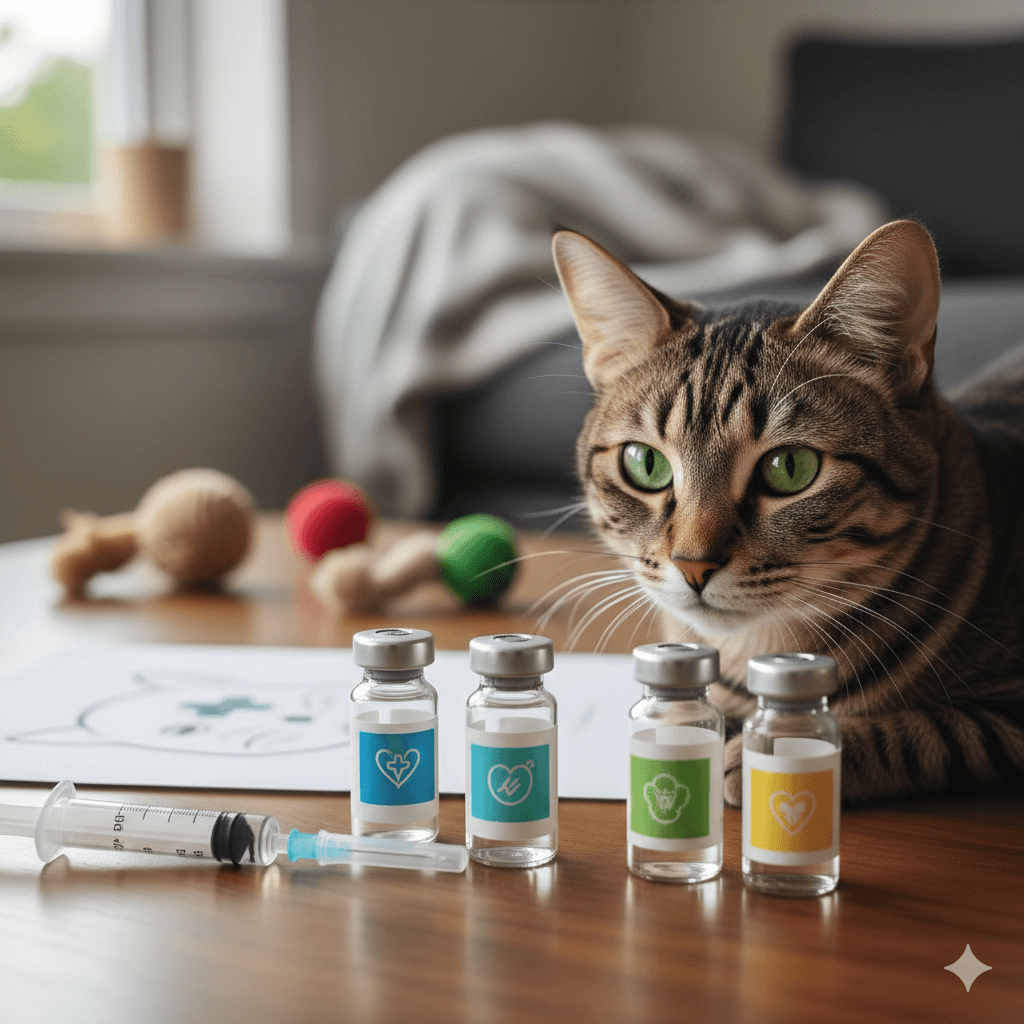

Which Cat Vaccines Are Absolutely Necessary
Vaccinating your cat isn’t just routine—it’s a vital shield against serious, sometimes fatal diseases. But with so many vaccines available, it’s natural to wonder which ones are truly essential. Core vaccines protect against widespread, highly contagious viruses, while non-core options depend on lifestyle and risk. Understanding what’s medically recommended helps you make confident, informed choices for your feline friend’s long-term health and safety.
Core Vaccines Every Cat Needs
Veterinary guidelines classify certain vaccines as “core”—meaning they’re universally recommended for all cats, regardless of whether they live indoors or outdoors. These protect against viruses that are highly contagious, difficult to treat, or potentially deadly. The following five vaccines form the foundation of responsible feline healthcare:
- Feline Panleukopenia (FPV):
Also known as feline distemper, this virus causes severe vomiting, diarrhea, and immune suppression—especially dangerous for kittens. - Feline Calicivirus (FCV):
A leading cause of upper respiratory infections, FCV leads to sneezing, eye/nose discharge, ulcers, and sometimes pneumonia. - Feline Herpesvirus Type 1 (FHV-1):
Responsible for feline viral rhinotracheitis, this herpesvirus triggers chronic respiratory issues and recurring eye infections. - Rabies Virus:
Required by law in most regions, rabies is 100% fatal once symptoms appear and poses a public health risk to humans and animals. - Feline Leukemia Virus (FeLV) for Kittens:
While considered non-core for adults in some guidelines, FeLV is core for all kittens and outdoor cats due to its high fatality rate.
These core vaccines are backed by decades of research and global veterinary consensus to prevent widespread, life-threatening illnesses.
Non-Core Vaccines Based on Lifestyle and Risk
Not every vaccine is essential for every cat. Non-core vaccines are recommended only when your cat’s environment, habits, or health status increases exposure risk. Your vet will assess factors like outdoor access, multi-cat households, or boarding frequency to determine if these are appropriate:
- Feline Leukemia (FeLV) for Adult Indoor Cats:
Low-risk indoor-only adults may discontinue after kittenhood, but outdoor or group-housed cats need ongoing protection. - Chlamydia felis Vaccine:
Used in catteries or shelters where this bacterial cause of conjunctivitis spreads easily among cats. - Bordetella bronchiseptica Vaccine:
Recommended for cats frequently boarded or exposed to dogs, as it can cause severe respiratory disease in stress-prone felines. - Feline Immunodeficiency Virus (FIV):
Rarely used due to limited efficacy and lifestyle management being more effective; not considered essential by most experts. - Feline Infectious Peritonitis (FIP) Vaccine:
Generally not recommended—poor efficacy and the disease stems from a mutated coronavirus already present in many cats.
Always discuss your cat’s specific risk profile with your veterinarian before adding non-core vaccines to their regimen.
Check this guide 👉Cat Vaccine Side Effects: Best 7 Expert Tips!
Check this guide 👉Can I Give My Cat Vaccines Myself? Best 7 Expert Tips!
Check this guide 👉How Much Are Cat Vaccines? Best 7 Health Tips!
Core Vaccines (Essential for All Cats) | Non-Core Vaccines (Situational) |
|---|---|
Feline Panleukopenia (FPV) | Feline Leukemia (FeLV) for select adults |
Feline Calicivirus (FCV) | Chlamydia felis |
Feline Herpesvirus (FHV-1) | Bordetella bronchiseptica |
Rabies | Feline Immunodeficiency Virus (FIV) |
FeLV for kittens | Feline Infectious Peritonitis (FIP) |
Vaccination Schedules for Kittens vs. Adult Cats
Timing matters as much as which vaccines are given. Kittens have developing immune systems and need a series of shots to build lasting protection, while adults require boosters to maintain immunity. Following a proper schedule maximizes effectiveness and minimizes gaps in defense:
- Initial Kitten Series (6–8 weeks):
Start with FPV, FCV, and FHV-1; repeat every 3–4 weeks until 16 weeks of age to overcome maternal antibody interference. - Rabies at 12–16 Weeks:
Given once, then boosted based on local law and vaccine type (1-year or 3-year formulations). - FeLV Testing and Vaccination (8–12 weeks):
Test before vaccinating; give two doses 3–4 weeks apart for kittens with any outdoor exposure risk. - Adult Booster Schedule:
Core vaccines are typically boosted one year after the kitten series, then every 1–3 years based on risk and vaccine duration. - Indoor-Only Adjustments:
Even strictly indoor cats need core vaccines—viruses can enter via clothing, shoes, or accidental escapes.
Sticking to a vet-approved timeline ensures your cat stays protected without over-vaccination.
How Vaccines Work and Why They’re Safe
Vaccines train your cat’s immune system to recognize and fight dangerous pathogens before they cause illness. They contain either inactivated viruses, weakened live strains, or protein fragments that trigger antibody production—without causing disease. Decades of use confirm their safety and life-saving impact:
- Immune Memory Formation:
After vaccination, immune cells “remember” the virus, enabling a faster, stronger response upon real exposure. - Rigorous Safety Testing:
All feline vaccines undergo extensive trials for efficacy and adverse reaction rates before approval. - Rare Side Effects:
Mild lethargy or soreness at the injection site may occur; serious reactions (like anaphylaxis) are extremely uncommon. - Vaccine-Associated Sarcoma (VAS) Risk:
A very rare tumor linked to chronic inflammation; minimized by using non-adjuvanted vaccines and proper injection sites. - Benefits Far Outweigh Risks:
The diseases prevented—like panleukopenia or rabies—are far more dangerous than any vaccine-related complication.
Modern veterinary medicine continues to refine protocols to maximize protection while minimizing unnecessary exposure.
Common Myths About Cat Vaccinations
Misinformation can lead well-meaning owners to skip essential shots. Let’s clear up persistent myths with science-backed facts to support informed decisions about your cat’s health:
- “Indoor Cats Don’t Need Vaccines”:
Viruses can hitchhike indoors on shoes, clothing, or through open windows—plus, escape risks are real. - “Vaccines Cause Autism or Chronic Illness”:
No scientific evidence links cat vaccines to autoimmune disorders or long-term disease; this myth stems from debunked human studies. - “Natural Immunity Is Better”:
Surviving a disease like panleukopenia is often fatal or leaves lasting damage—vaccination is safer and more reliable. - “One Shot Lasts a Lifetime”:
Immunity wanes over time; boosters are necessary to maintain protective antibody levels. - “All Vaccines Are the Same”:
Formulations vary (killed vs. modified-live, adjuvanted vs. non-adjuvanted)—your vet selects the safest option for your cat’s needs.
Trusting veterinary guidance over internet rumors ensures your cat gets the protection they truly need.
Special Considerations for Senior Cats and Those with Health Issues
Older cats or those with chronic conditions like kidney disease, diabetes, or feline immunodeficiency need tailored vaccine plans. Their immune response may be weaker, and over-vaccination could add stress—so decisions should be individualized:
- Titer Testing Option:
Blood tests can measure existing antibody levels to determine if boosters are truly necessary. - Reduced Frequency for Low-Risk Seniors:
Indoor-only seniors with stable health may extend booster intervals under veterinary supervision. - Avoid Vaccinating During Illness:
Never vaccinate a cat who is sick, stressed, or undergoing treatment—wait until they’re fully recovered. - Prioritize Rabies Where Legally Required:
Even frail cats may need rabies vaccination due to public health mandates, but discuss medical exemptions if needed. - Focus on Quality of Life:
The goal is protection without burden—work with your vet to balance immunity and overall well-being.
Personalized care ensures vulnerable cats remain safe without unnecessary medical strain.
What to Expect During and After Vaccination
A vaccine visit is usually quick, but knowing what to anticipate helps reduce stress for both you and your cat. From pre-appointment prep to post-shot monitoring, here’s a realistic overview of the process:
- Pre-Vaccine Health Check:
Your vet will perform a physical exam to ensure your cat is healthy enough to receive vaccines that day. - Minimal Restraint Techniques:
Many clinics use “fear-free” methods—towel wrapping, treats, or quiet rooms—to make the experience calmer. - Immediate Post-Shot Observation:
You’ll wait 10–15 minutes in case of rare allergic reactions, which are treatable if caught early. - Mild Side Effects at Home:
Sleepiness, slight fever, or reduced appetite for 24–48 hours are normal signs of immune activation. - When to Call the Vet:
Contact your clinic if you notice facial swelling, vomiting, difficulty breathing, or a lump that grows or persists beyond 3 weeks.
Most cats tolerate vaccines well and return to their usual selves by the next day.
Frequently Asked Questions About Essential Cat Vaccines
Are rabies vaccines really necessary for indoor cats?
Yes—in most areas, it’s required by law, and accidental escapes or bat encounters indoors make it a real risk.
Can I skip FeLV if my cat never goes outside?
For adult indoor-only cats with no contact with other cats, FeLV may be discontinued after kittenhood—but always confirm with your vet.
How often do adult cats need core boosters?
Typically every 1–3 years, depending on the vaccine type, local disease risk, and your cat’s health status.
Do indoor cats really get upper respiratory infections?
Yes—herpesvirus and calicivirus can be carried in on clothing or shoes, and stress can trigger latent infections.
Is titer testing a reliable alternative to boosters?
It’s useful for FPV and sometimes rabies, but not all clinics offer it, and it doesn’t replace legal rabies requirements.
Protecting Your Cat’s Future with Smart Vaccine Choices
Vaccination is one of the most powerful tools we have to give our cats long, healthy lives. By focusing on the truly necessary core vaccines—and thoughtfully evaluating non-core options based on lifestyle—you strike the perfect balance between protection and prudence. Trust your veterinarian as a partner in this process, and remember that even the most sheltered indoor cat benefits from foundational immunity. In the end, these small, preventive steps today can spare your feline companion from suffering tomorrow—and that’s the deepest form of love we can offer.
Poodle Water Dog: Best 7 Expert Tips! – Discover how Poodles excel in water activities, from swimming to training, and unlock their aquatic potential today.
Salt Poisoning in Cats: Best 7 Expert Tips! – Learn the dangers of salt toxicity, spot symptoms early, and discover how to keep your cat safe from this serious health risk.
Salt Poisoning in Dogs: Best 7 Expert Tips! – Learn the dangers of salt toxicity, recognize symptoms, and discover life-saving steps to protect your dog.
Can Too Much CBD Kill a Cat? Best 7 Expert Tips! – Discover the risks, safe dosages, and signs of CBD toxicity to keep your cat safe and healthy.


