
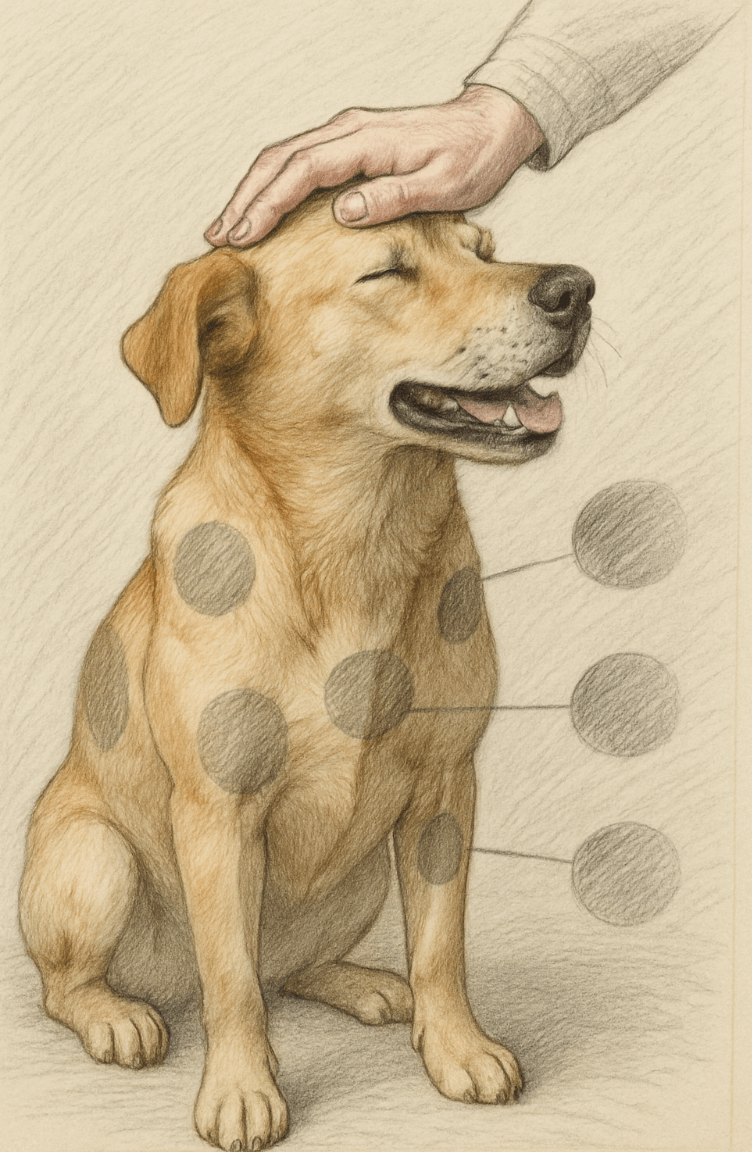

Where to Pet a Dog? Best 7 Expert Tips!

Where to Pet a Dog? Best 7 Expert Tips!

Where to Pet a Dog?


Petting a dog is one of the simplest yet most rewarding ways to bond with our furry friends. However, not all dogs enjoy being touched in the same way—or in the same places. Understanding where and how to pet a dog can make the experience enjoyable for both you and the dog, while also ensuring their comfort and safety.

Whether you’re meeting a new dog or spending time with your own pup, knowing the right spots to touch (and which to avoid) is essential for building trust and strengthening your connection. In this blog post, we’ll explore expert tips on where to pet a dog, how to read their body language, and how to ensure every interaction is positive and respectful.

The Best Places to Pet a Dog


Every dog has preferences when it comes to being petted, but there are some universally loved spots that most dogs enjoy. These areas are safe, non-threatening, and often elicit happy responses like wagging tails and relaxed body language.

 
  • The Chest Area:
    The chest is a favorite spot for many dogs. A gentle rub or scratch here is comforting and easy for them to enjoy without feeling vulnerable.

  • Behind the Ears:
    Many dogs love having the base of their ears gently scratched. This area is hard for them to reach themselves, making it a special treat.

  • The Back Along the Spine:
    A soft stroke along the back, avoiding direct pressure on the spine, is soothing and non-intrusive.

  • Under the Chin:
    Gently scratching under the chin is a great way to show affection without looming over the dog, which can feel intimidating.

  • The Base of the Tail:
    Some dogs enjoy a gentle rub at the base of their tail, though sensitivity varies, so watch for signs of discomfort.


These spots are generally safe and well-received by most dogs, but always pay attention to their reactions to ensure they’re enjoying the interaction.

Areas to Avoid When Petting a Dog


While some areas are beloved by dogs, others can make them uncomfortable, anxious, or even defensive. Respecting these boundaries is crucial for fostering trust and preventing negative experiences.

 
  • The Top of the Head:
    Reaching over a dog’s head to pet them can feel threatening, especially if they don’t know you well.

  • The Paws:
    Most dogs are sensitive about their paws and may pull away or become defensive if touched unexpectedly.

  • The Belly:
    While some dogs love belly rubs, others find it too vulnerable. Only pet the belly if the dog explicitly invites you by rolling over.

  • The Ears:
    Pulling or tugging on a dog’s ears can be painful. Stick to gentle scratches around the base instead.

  • The Tail:
    Grabbing or pulling on a dog’s tail can startle or hurt them. Even playful touches here should be avoided unless the dog clearly enjoys it.


By steering clear of these areas, you can create a more positive and stress-free interaction for the dog.

Where to Pet a Dog? Best 7 Expert Tips!
Dog-Friendly Petting Zones
Areas to Avoid Touching
Chest area (safe and comforting)
Top of the head (can feel threatening)
Behind the ears (hard for them to reach)
Paws (highly sensitive and defensive)
Back along the spine (gentle strokes)
Belly (only if invited by the dog)
Under the chin (non-intimidating)
Ears (avoid pulling or tugging)
Base of the tail (if the dog enjoys it)
Tail (can cause discomfort or pain)

Reading a Dog’s Body Language During Petting


Understanding a dog’s body language is key to knowing whether they’re enjoying the petting session or feeling uncomfortable. Dogs communicate their feelings through subtle cues, and recognizing these signals ensures a positive experience.

 
  • Relaxed Posture:
    A dog lying down with loose muscles or leaning into your hand is a sign they’re enjoying the attention.

  • Wagging Tail:
    A slow, gentle wag typically indicates happiness, while a stiff or fast wag may signal uncertainty or overstimulation.

  • Licking or Yawning:
    Excessive licking or yawning can indicate mild stress or discomfort, even if the dog isn’t outright pulling away.

  • Turning Away or Moving Off:
    If a dog turns their head or moves away, they’re politely asking for space. Respect their wishes.

  • Growling or Snapping:
    These are clear signs of discomfort or fear. Stop immediately and give the dog distance to calm down.


Paying attention to these cues helps you adjust your approach and ensures the dog feels safe and respected.

Tips for Petting a Dog You Don’t Know


Meeting a new dog can be exciting, but it’s important to approach them respectfully and cautiously. Following these guidelines ensures a positive first impression and minimizes the risk of misunderstandings.

 
  • Ask the Owner First:
    Always seek permission from the dog’s owner before approaching or petting their dog.

  • Let the Dog Come to You:
    Allow the dog to sniff your hand before initiating contact. This gives them control over the interaction.

  • Start Slowly:
    Begin with gentle pets in safe areas like the chest or back, avoiding sudden movements or overwhelming gestures.

  • Watch for Warning Signs:
    Look for signs of discomfort, such as lip licking, stiffening, or avoiding eye contact, and adjust accordingly.

  • Respect Boundaries:
    If the dog seems hesitant or uninterested, don’t force the interaction. Some dogs simply prefer their personal space.


Approaching unfamiliar dogs with care and respect builds trust and sets the stage for future positive interactions.

Common Mistakes People Make When Petting Dogs


Even well-meaning individuals can make mistakes when interacting with dogs. Avoiding these common errors ensures a safer and more enjoyable experience for everyone involved.

 
  • Petting Without Permission:
    Approaching a dog without asking the owner first can lead to unexpected reactions, especially if the dog is shy or protective.

  • Ignoring Warning Signals:
    Disregarding signs of discomfort, such as growling or stiffening, can escalate into bites or other defensive behaviors.

  • Overstimulating the Dog:
    Prolonged or overly vigorous petting can overwhelm some dogs, causing stress or irritation.

  • Reaching Over the Dog’s Head:
    This gesture can feel threatening to many dogs, particularly those who are unfamiliar with you.

  • Forcing Interaction:
    Pressuring a reluctant dog to engage can damage trust and create negative associations with humans.


Avoiding these mistakes fosters a more respectful and harmonious relationship with dogs.

How to Introduce Children to Petting Dogs Safely


Teaching children how to interact with dogs is crucial for preventing accidents and ensuring both parties have a positive experience. Here are some tips to guide young ones.

 
  • Supervise All Interactions:
    Always monitor children closely when they’re around dogs to prevent rough handling or unsafe behavior.

  • Teach Gentle Touches:
    Show children how to pet softly using the backs of their fingers rather than grabbing or squeezing.

  • Explain Boundaries:
    Help kids understand which areas are safe to touch and why certain parts, like the face or paws, should be avoided.

  • Encourage Calm Behavior:
    Loud noises or sudden movements can startle dogs, so teach children to remain calm and quiet during interactions.

  • Respect the Dog’s Space:
    Teach children to recognize when a dog wants to be left alone and emphasize the importance of giving them space.


By educating children early, you lay the foundation for lifelong respect and understanding between kids and dogs.

How to Handle Sensitive or Fearful Dogs


Some dogs may be more sensitive or fearful due to past experiences or personality traits. Handling these dogs requires extra care and patience to build trust.

 
  • Move Slowly and Quietly:
    Sudden movements or loud noises can trigger fear in sensitive dogs. Approach them calmly and speak softly.

  • Offer Treats or Toys:
    Positive reinforcement, such as offering treats or engaging with toys, can help create a positive association with human interaction.

  • Use Short Sessions:
    Keep interactions brief to avoid overwhelming the dog. Gradually increase the duration as they become more comfortable.

  • Avoid Direct Eye Contact:
    Staring directly into a dog’s eyes can be perceived as a threat. Instead, use soft glances or look slightly away.

  • Give Them Space:
    Allow the dog to initiate contact and retreat if needed. Forcing interaction can exacerbate fear and anxiety.


With patience and empathy, you can help sensitive dogs feel more secure and open to forming connections.

Frequently Asked Questions About Petting Dogs

 
Why does my dog lean into me when I pet them?

Leaning is a sign of trust and affection, indicating that your dog feels safe and comfortable with you.

Stop immediately, give the dog space, and avoid further contact until they’ve calmed down.

No, not all dogs are comfortable exposing their bellies. Only proceed if the dog rolls over voluntarily and shows clear signs of enjoyment.

Look for relaxed body language, wagging tails, and behaviors like leaning into your touch or closing their eyes contentedly.

Most dogs don’t enjoy hugs as they can feel restrictive. Observe the dog’s reaction—if they seem tense or try to pull away, it’s best to avoid hugging.

Building Trust Through Thoughtful Petting


Knowing where to pet a dog—and where to avoid—is an essential skill for any dog lover. By focusing on safe zones, reading body language, and respecting boundaries, you can create positive, stress-free interactions that strengthen your bond with dogs. Remember, every dog is unique, and what works for one may not work for another. Approach each dog with patience, kindness, and attentiveness, and you’ll be rewarded with wagging tails and happy memories. Whether you’re a seasoned dog owner or just meeting your first furry friend, thoughtful petting is a gift that speaks volumes in the language of trust and love.

Is Rawhide Bad for Cats? Best 7 Expert Tips!

Is Rawhide Bad for Cats? Best 7 Expert Tips! – Discover the risks, safe alternatives, and expert advice to keep your feline friend healthy and happy.

Is Rawhide Bad for Dogs? Best 7 Expert Tips!

Is Rawhide Bad for Dogs? Best 7 Expert Tips! – Discover the risks, benefits, and safer alternatives to rawhides for your dog’s chewing needs.

Understanding Anorexia in Cats: Best 7 Expert Tips!

Understanding Anorexia in Cats: Best 7 Expert Tips! – Learn why cats stop eating, spot warning signs, and discover how to help your feline regain appetite safely.

Understanding Anorexia in Dogs: Best 7 Expert Tips!

Understanding Anorexia in Dogs: Best 7 Expert Tips! – Learn causes, symptoms, and solutions to help your dog regain appetite and stay healthy.

Leave a Reply

Your email address will not be published. Required fields are marked *