

Where Are Cat Chips Placed? Best 7 Expert Tips!

Where Are Cat Chips Placed? Best 7 Expert Tips!

Where Are Cat Chips Placed?

Microchipping is a simple yet effective way to ensure your cat can be identified if they ever get lost. The chip, about the size of a grain of rice, is implanted under the skin in a specific location to maximize comfort and scanning accuracy. Knowing where this chip is placed helps you understand the process and feel confident about your pet’s safety.

Understanding the Placement of Cat Microchips

Microchipping is a critical step in ensuring your cat’s safety and identification if they ever wander off or get lost. The chip itself is a tiny device, about the size of a grain of rice, that stores a unique identification number linked to your contact information. Veterinarians and animal shelters use standardized procedures to ensure the chip is placed correctly for easy scanning. Knowing where and how the chip is implanted provides peace of mind and helps you advocate for your pet’s well-being.
 
  • Standard Location for Implantation:
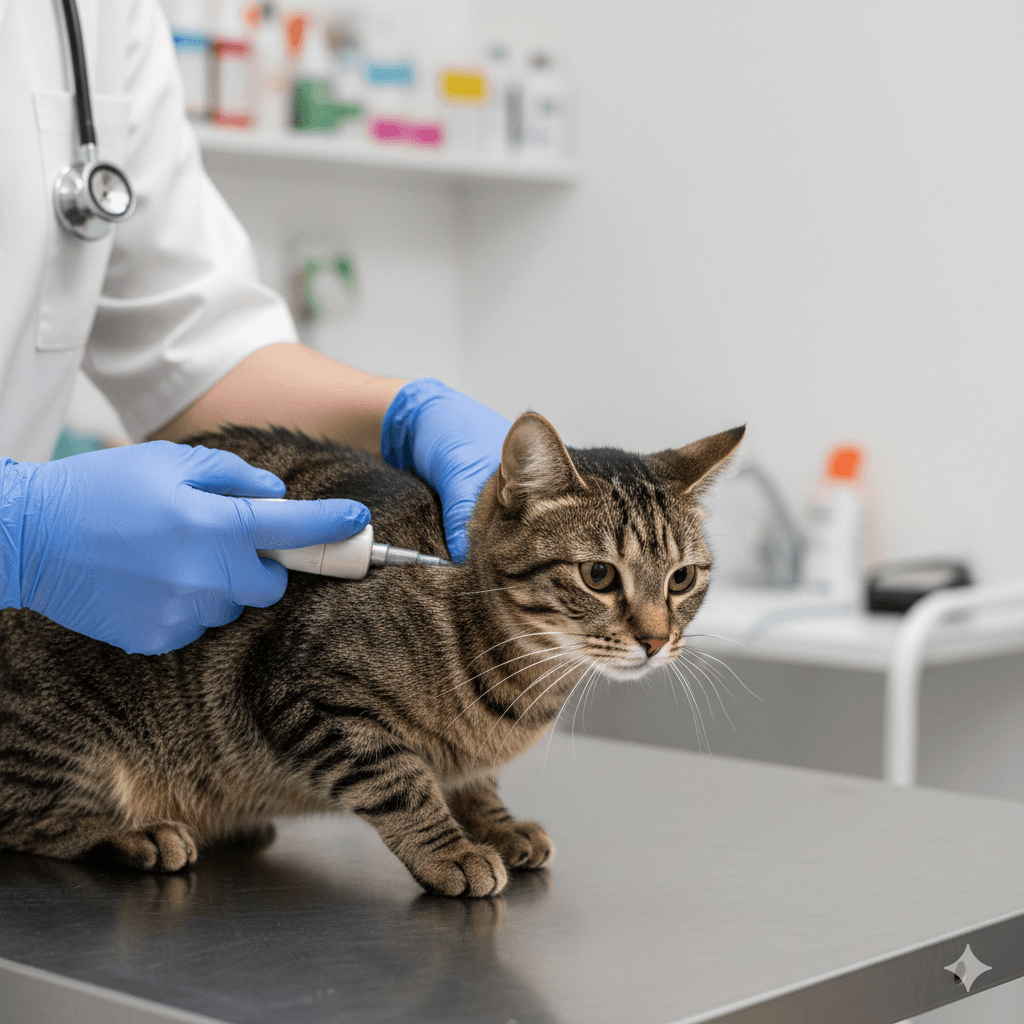
    The microchip is typically placed between the shoulder blades, just under the skin. This area is easily accessible and minimizes discomfort during implantation.
     
  • Why This Spot Is Chosen:
    The space between the shoulder blades reduces the risk of the chip migrating to other parts of the body, ensuring it remains detectable by scanners.
     
  • How the Procedure Works:
    A veterinarian uses a sterile syringe to inject the chip subcutaneously, similar to administering a vaccine. The process is quick, safe, and relatively painless for your cat.
     
  • Scanning for Identification:
    Most animal shelters and veterinarians routinely scan this area when a lost pet is found, making it the most reliable location for chip placement.
     
  • International Standards for Placement:
    The shoulder blade region is recognized globally as the standard placement site, ensuring consistency across countries and organizations.
 
Proper placement ensures the chip functions as intended, providing a reliable way to reunite you with your lost cat.
 
Where Are Cat Chips Placed? Best 7 Expert Tips!

Benefits of Microchipping Your Cat

Microchipping offers numerous advantages beyond simply identifying your cat. It’s a permanent solution that doesn’t rely on external collars or tags, which can fall off or become damaged. Understanding these benefits highlights why microchipping is one of the best investments you can make for your feline companion.
 
  • Permanent Identification:
    Unlike collars, microchips cannot be removed or lost, ensuring your cat’s identity remains intact throughout their life.
     
  • Increased Recovery Rates:
    Studies show that microchipped pets are significantly more likely to be reunited with their owners compared to non-microchipped animals.
     
  • Ease of Use for Shelters:
    Animal shelters and rescues are equipped with universal scanners to read microchips, making identification quick and efficient.
     
  • Peace of Mind for Owners:
    Knowing your cat carries a permanent ID gives you confidence, especially if they are outdoor adventurers or prone to wandering.
     
  • Affordable and Accessible:
    Microchipping is a one-time cost that is widely available at veterinary clinics, shelters, and adoption events.
 
By taking this simple step, you dramatically increase the chances of bringing your beloved pet home safely.
 
Benefits of Microchipping Things to Consider
Permanent identification for life Requires initial registration with accurate info
Increases chances of reunion if lost Rare risk of chip migration (easily checked)
No maintenance needed after implantation Does not replace visible ID tags or collars
Quick and minimally invasive procedure Vet visits needed for scanning and updates
Globally recognized by shelters and vets Privacy concerns addressed through secure databases

Potential Concerns About Microchip Placement

While microchipping is generally safe, some pet owners may have concerns about the procedure or its long-term effects. Addressing these worries helps you make an informed decision and ensures your cat’s comfort and safety.
 
  • Pain During Implantation:
    The injection feels similar to a routine vaccination, causing only mild discomfort that subsides quickly.
     
  • Risk of Migration:
    Though rare, chips can migrate within the body; proper placement reduces this risk, and regular vet checks confirm the chip’s location.
     
  • Allergic Reactions:
    Adverse reactions to microchips are extremely uncommon due to biocompatible materials used in their construction.
     
  • Interference with Health Scans:
    Modern microchips do not interfere with medical imaging like X-rays or MRIs, ensuring no impact on future diagnostics.
     
  • Privacy Concerns:
    Your personal data is stored securely in a database, accessible only to authorized personnel through proper channels.
 
With proper care and understanding, these concerns are minimal compared to the benefits of microchipping.

How to Prepare Your Cat for Microchipping

Preparing your cat for microchipping involves more than just scheduling an appointment. Ensuring they are calm and comfortable makes the process smoother for both you and your pet. Follow these steps to create a stress-free experience.
 
  • Choose a Calm Environment:
    Schedule the appointment during a quiet time at the clinic to minimize anxiety for your cat.
     
  • Feed Them Beforehand:
    A light meal before the visit keeps your cat relaxed without interfering with the procedure.
     
  • Bring Their Favorite Blanket:
    Familiar scents from home provide comfort and reassurance during the visit.
     
  • Stay Calm Yourself:
    Cats pick up on their owner’s emotions; staying relaxed helps them feel secure.
     
  • Ask Questions During the Visit:
    Clarify any doubts about aftercare, registration, or potential side effects with the veterinarian.
 
Preparation ensures the process goes smoothly and strengthens your bond with your cat.
 

What Happens After Microchip Implantation

After the microchip is implanted, there are a few important steps to take to ensure it works effectively. These post-implantation measures guarantee your cat’s chip serves its purpose when needed most.
 
  • Register the Microchip:
    Provide your contact details to the microchip registry so you can be reached if your cat is found.
     
  • Update Information Regularly:
    Notify the registry of any changes to your address or phone number to keep the database current.
     
  • Schedule a Follow-Up Check:
    Your vet can confirm the chip’s placement and functionality during routine visits.
     
  • Educate Family Members:
    Ensure everyone in your household knows about the microchip and its importance in case of emergencies.
     
  • Test the Chip Periodically:
    Ask your vet to scan the chip annually to verify it’s still working and hasn’t migrated.
 
These steps maximize the chip’s effectiveness and safeguard your cat’s future.

Common Misconceptions About Microchips

Despite their widespread use, many misconceptions about microchips persist. Clearing up these myths helps pet owners make informed decisions and appreciate the technology’s value.
 
  • Myth: Microchips Track Your Cat’s Location:
    Microchips do not contain GPS capabilities; they store only an ID number scanned by specialized devices.
     
  • Myth: Chips Cause Cancer:
    Extensive studies show no significant link between microchips and cancer in cats or dogs.
     
  • Myth: Chips Replace Collars and Tags:
    While microchips are permanent, visible ID tags remain essential for quick visual identification.
     
  • Myth: Implantation Is Painful:
    The procedure is minimally invasive and comparable to a routine vaccination shot.
     
  • Myth: Chips Are Expensive to Maintain:
    Once implanted, there are no recurring costs unless you need to update your registration details.
 
Understanding the facts ensures you view microchipping as the valuable tool it truly is.

Long-Term Care for Microchipped Cats

Once your cat is microchipped, ongoing care ensures the chip continues to function properly and remains effective throughout their life. These practices help maintain your cat’s safety and give you peace of mind.
 
  • Annual Veterinary Scans:
    Regular check-ups include scanning the chip to confirm its location and functionality.
     
  • Keep Records Updated:
    Notify the microchip registry immediately if you move, change phone numbers, or adopt a new email address.
     
  • Monitor for Behavioral Changes:
    Rare cases of irritation or discomfort may occur; consult your vet if unusual behavior arises.
     
  • Combine with Visible ID Tags:
    Use collars with updated tags alongside the microchip for added security and faster identification.
     
  • Spread Awareness Among Friends:
    Encourage fellow pet owners to microchip their animals, creating a safer community for all pets.
 
With consistent care, your cat’s microchip becomes a lifelong safeguard against loss or separation.
 

Frequently Asked Questions About Cat Microchips

Where exactly is the microchip placed in cats?

The chip is implanted just under the skin between the shoulder blades, where it’s easily accessible for scanning.

The implantation feels similar to a routine vaccination shot and causes only mild, temporary discomfort.

While rare, chips can migrate; regular vet checks ensure it remains in the correct location.

Yes, registration links your contact information to the chip, making it functional for identification purposes.

Microchips are designed to last a lifetime and do not require replacement or battery changes.

A Lifeline for Lost Cats: The Power of Microchipping

Microchipping your cat is one of the simplest yet most impactful steps you can take to protect them. Knowing that your feline companion carries a permanent ID provides peace of mind, whether they’re indoor cuddlers or outdoor explorers. While collars and tags are helpful, they can fall off or become damaged—microchips ensure your cat’s identity remains intact no matter what. By understanding the placement, benefits, and care required for microchips, you empower yourself to act as your pet’s guardian. Remember, a tiny chip can make a monumental difference in bringing your lost cat safely back home.
Pemphigus Erythematosus in Cats: Best 7 Expert Tips!

Pemphigus Erythematosus in Cats: Best 7 Expert Tips! – Learn to recognize symptoms, manage flare-ups, and improve your cat’s quality of life.

Pemphigus Erythematosus in Dogs: Best 7 Expert Tips!

Pemphigus Erythematosus in Dogs: Best 7 Expert Tips! – Discover causes, symptoms, and treatment options to manage this autoimmune skin condition effectively.

Cat Tympanic Membrane: Best 7 Expert Tips!

Cat Tympanic Membrane: Best 7 Expert Tips! – Learn how to protect your cat’s eardrum, spot issues early, and ensure lifelong auditory health.

Dog Tympanic Membrane: Best 7 Expert Tips!

Dog Tympanic Membrane: Best 7 Expert Tips! – Learn how to protect your dog’s eardrum, spot issues early, and ensure lifelong ear health with expert advice.

Leave a Reply

Your email address will not be published. Required fields are marked *

Post Category


