

What to Do When Your Dogs Tail or Lymph Nodes Are Swollen
Finding a swollen tail or enlarged lymph nodes on your dog can be alarming—and it’s natural to wonder what’s causing it. While some swelling stems from minor injuries or bug bites, other times it signals infection, inflammation, or even more serious conditions. Understanding the difference between normal variation and true concern is the first step toward helping your pet. In this guide, we’ll explore common causes, safe responses, and when to seek urgent veterinary care. Because when it comes to your dog’s health, clarity brings comfort—and faster relief.
Common Causes of Tail Swelling in Dogs
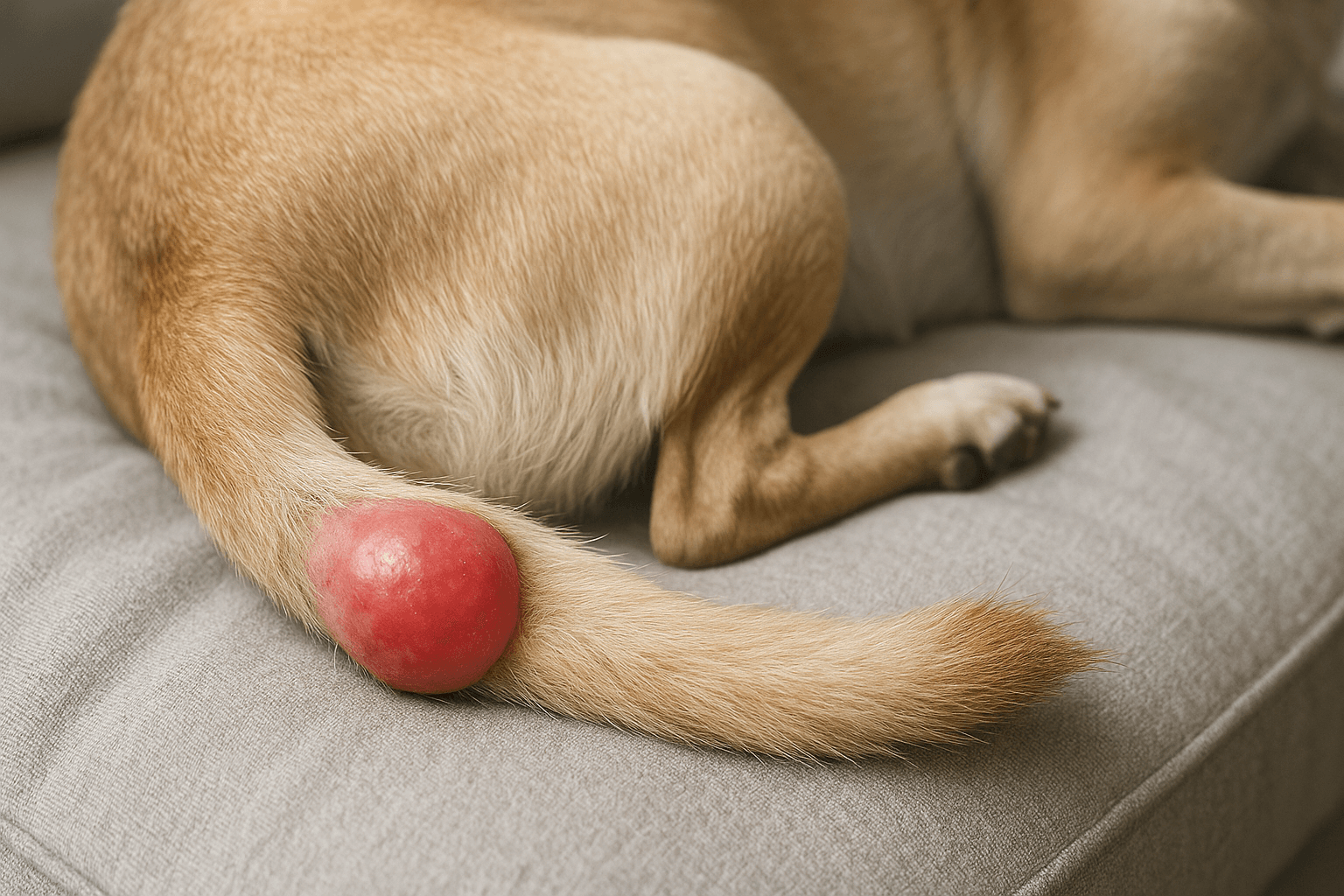
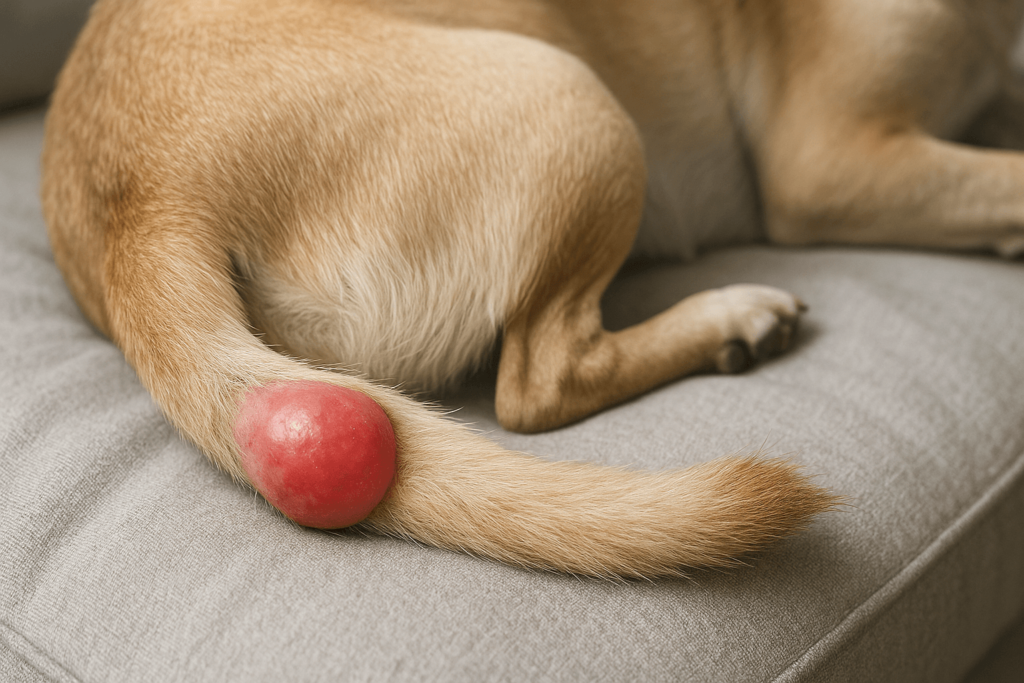
A dog’s tail might swell for reasons ranging from trauma to underlying disease. Since tails contain skin, muscle, blood vessels, and nerves—but no lymph nodes—it’s important to distinguish tail swelling from swollen lymph nodes nearby (like those near the base of the tail).
- Trauma or “happy tail” injury:
Repeatedly hitting the tail against hard surfaces can cause bruising, bleeding under the skin, and significant swelling—common in large, enthusiastic dogs. - Insect stings or bites:
Bees, wasps, or spiders can cause localized swelling, redness, and pain, often near the tip or underside of the tail. - Skin infections or abscesses:
Bacteria entering through a scratch or puncture can lead to hot, painful swellings that may ooze pus. - Allergic dermatitis:
Flea bites, contact irritants, or food allergies can trigger inflammation and swelling along the tail, especially near the base. - Stud tail (tail gland hyperplasia):
An overproduction of oils from sebaceous glands at the tail base can cause greasy, swollen, and sometimes infected skin—more common in intact males.
Most tail swellings are treatable, but accurate identification is key to choosing the right path forward.
Understanding Swollen Lymph Nodes Near the Tail
True lymph nodes aren’t inside the tail—but two important ones sit close by: the sacral and popliteal lymph nodes near the base of the tail and hind legs. When these swell, it often reflects immune activity elsewhere in the body.
- Localized infection:
A skin wound, anal gland infection, or urinary tract issue can cause nearby lymph nodes to enlarge as they fight pathogens. - Parasites or tick-borne diseases:
Conditions like Lyme disease or ehrlichiosis commonly trigger generalized lymph node swelling, including near the tail. - Autoimmune disorders:
Diseces like lupus can cause chronic inflammation and lymphatic response in multiple areas. - Cancer (lymphoma or metastasis):
Persistent, firm, and non-painful lymph node enlargement—especially if multiple nodes are involved—may indicate malignancy. - Vaccination response:
Occasionally, a recent vaccine can cause temporary lymph node swelling as part of normal immune activation.
Unlike tail swelling, enlarged lymph nodes are a systemic signal—requiring deeper investigation if they persist beyond a few days.
Check this guide 👉Dog Tail Bleeding: Best 7 Health Tips!
Check this guide 👉What Does a Broken Dog Tail Look Like? Best 7 Expert Tips!
Check this guide 👉Do Dog Tails Have Bones? Best 7 Expert Tips!
| Tail Swelling Clues | Lymph Node Swelling Clues |
|---|---|
| Often warm, painful, or bruised | Usually firm, smooth, and non-tender |
| May have visible wounds or stings | Typically no surface skin changes |
| Improves with rest and cleaning | Persists or grows without treatment |
| Limited to tail tissue | Often accompanied by other node swelling |
| Common after excitement or injury | May include lethargy or fever |
Safe First Steps at Home
If you notice mild tail swelling with no other symptoms, you can take initial steps while monitoring closely—but never attempt to treat swollen lymph nodes at home without vet guidance.
- Gently examine the tail:
Look for stingers, cuts, or embedded debris—use a flashlight and avoid squeezing swollen areas. - Apply a cool compress:
Wrap an ice pack in a thin towel and hold it to the swollen area for 5–10 minutes to reduce inflammation. - Prevent licking or chewing:
Use a cone or recovery suit to stop your dog from aggravating the area and introducing bacteria. - Keep the area clean:
If there’s a minor wound, clean gently with saline or diluted chlorhexidine (never hydrogen peroxide). - Limit vigorous activity:
Reduce jumping, running, or tail wagging against walls to allow healing.
These measures support comfort—but if swelling worsens, spreads, or lasts more than 24–48 hours, call your vet.
When to Suspect Lymphoma or Serious Illness
While many causes of swollen lymph nodes are benign, certain signs suggest a more serious condition like lymphoma—especially if nodes near the tail are involved.
- Nodes feel hard and immovable:
Unlike reactive nodes (which are soft and mobile), cancerous nodes are often fixed in place. - Swelling lasts longer than two weeks:
Persistent enlargement without clear cause warrants diagnostics like aspiration or bloodwork. - Multiple lymph nodes are enlarged:
Submandibular (neck), prescapular (shoulder), and inguinal (groin) nodes swelling together is a red flag. - Accompanied by weight loss or appetite drop:
Systemic symptoms suggest the body is fighting something significant. - Lethargy or pale gums:
These indicate possible anemia, infection, or internal disease needing urgent evaluation.
Early detection of conditions like lymphoma dramatically improves treatment success—so don’t delay if these signs appear.
What NOT to Do
Well-meaning actions can sometimes delay proper care or worsen the situation. Avoid these common missteps when dealing with tail or lymph swelling.
- Massage or squeeze swollen lymph nodes:
This can spread infection or, in rare cancer cases, encourage metastasis. - Give human anti-inflammatories:
Ibuprofen or aspirin can cause kidney failure or gastric ulcers in dogs—even in tiny doses. - Assume it’s “just an allergy”:
While allergies cause tail irritation, they don’t typically cause true lymph node enlargement. - Ignore changes near the tail base:
This area includes anal glands, lymph nodes, and spine—complex anatomy that needs professional assessment. - Delay care because swelling “seems minor”:
In dogs, subtle changes often mask significant discomfort or illness until it’s advanced.
When in doubt, a vet visit is always safer than a wait-and-see approach.
Diagnostic Tests Your Vet Might Recommend
To pinpoint the cause, veterinarians use a combination of physical exams and targeted tests—especially if lymph nodes are involved.
- Fine needle aspiration (FNA):
A quick, minimally invasive test where cells are extracted from the node or swelling for microscopic analysis. - Bloodwork and urinalysis:
Checks for infection, inflammation, kidney/liver function, and signs of systemic disease. - Tick-borne disease panels:
If you live in an endemic area, tests for Lyme, anaplasmosis, or ehrlichiosis may be run. - Imaging (X-rays or ultrasound):
Helps evaluate internal lymph nodes, tail fractures, or abdominal issues affecting nearby nodes. - Biopsy (if FNA is inconclusive):
A small tissue sample provides definitive diagnosis for suspected cancer or complex inflammation.
These tools help your vet move beyond guesswork to a precise, actionable plan.
Prevention and Long-Term Monitoring
While not all causes are preventable, proactive care reduces risks and ensures early detection if issues arise.
- Regular grooming and skin checks:
Examine your dog’s tail and body weekly—especially near the base—for lumps, redness, or swelling. - Flea and tick prevention year-round:
Reduces risk of bites, allergic dermatitis, and vector-borne diseases that trigger lymphatic response. - Keep anal glands expressed (if needed):
Chronic impaction can lead to infection and reactive lymph node swelling nearby. - Maintain a healthy weight:
Obesity masks subtle changes and increases inflammation throughout the body. - Schedule annual wellness exams:
Vets palpate lymph nodes during routine visits—catching changes before they become obvious at home.
Vigilance and prevention go hand-in-hand in keeping your dog’s tail—and immune system—in top shape.
Frequently Asked Questions
Can a dog’s tail itself have lymph nodes?
No. Lymph nodes are not located inside the tail. Swelling in the tail is usually due to trauma, infection, or skin issues—not lymphatic tissue.
Are swollen lymph nodes near the tail always serious?
Not always. They can enlarge temporarily due to a local infection or bug bite. But if they persist beyond a few days, evaluation is essential.
How fast can lymphoma develop in dogs?
Some forms progress slowly over months; others grow rapidly in days or weeks. Any unexplained, firm lymph node enlargement should be checked promptly.
Will antibiotics reduce lymph node swelling?
Only if the cause is bacterial. Viral, allergic, or cancerous causes won’t respond to antibiotics—so diagnosis comes first.
Should I be worried if only one lymph node is swollen?
It depends. A single reactive node near a wound may be normal. But a single hard, painless node with no clear cause could still signal lymphoma.
Final Thoughts – Trust Your Instincts and Act with Care
Discovering swelling on your dog’s tail or near their lymph nodes can feel unsettling—but your awareness is already your dog’s greatest advantage. By knowing the signs, avoiding common pitfalls, and seeking timely care when needed, you empower your pet to heal quickly and live comfortably. Remember: dogs often hide discomfort until it’s advanced. Your attention to subtle changes—like a slightly thickened tail base or a firm bump near the rump—can lead to early intervention and better outcomes. With compassion, observation, and the right veterinary partnership, you’ll ensure your loyal companion stays healthy, happy, and wagging with confidence.
How Cats Develop Lymphoma: Best 7 Expert Tips! – Learn about causes, symptoms, and prevention to protect your cat from this common cancer.
How Dogs Develop Lymphoma: Best 7 Expert Tips! – Learn causes, symptoms, and prevention strategies to protect your dog from this common cancer.
Diphenhydramine Safe for Dogs? Best 7 Expert Tips! – Learn proper dosing, uses, and precautions to keep your dog safe while using Benadryl.
Is Milk in Cat Food Safe? Best 7 Expert Tips! – Discover the truth about milk in cat food, its risks, and how to keep your feline healthy and happy.


