
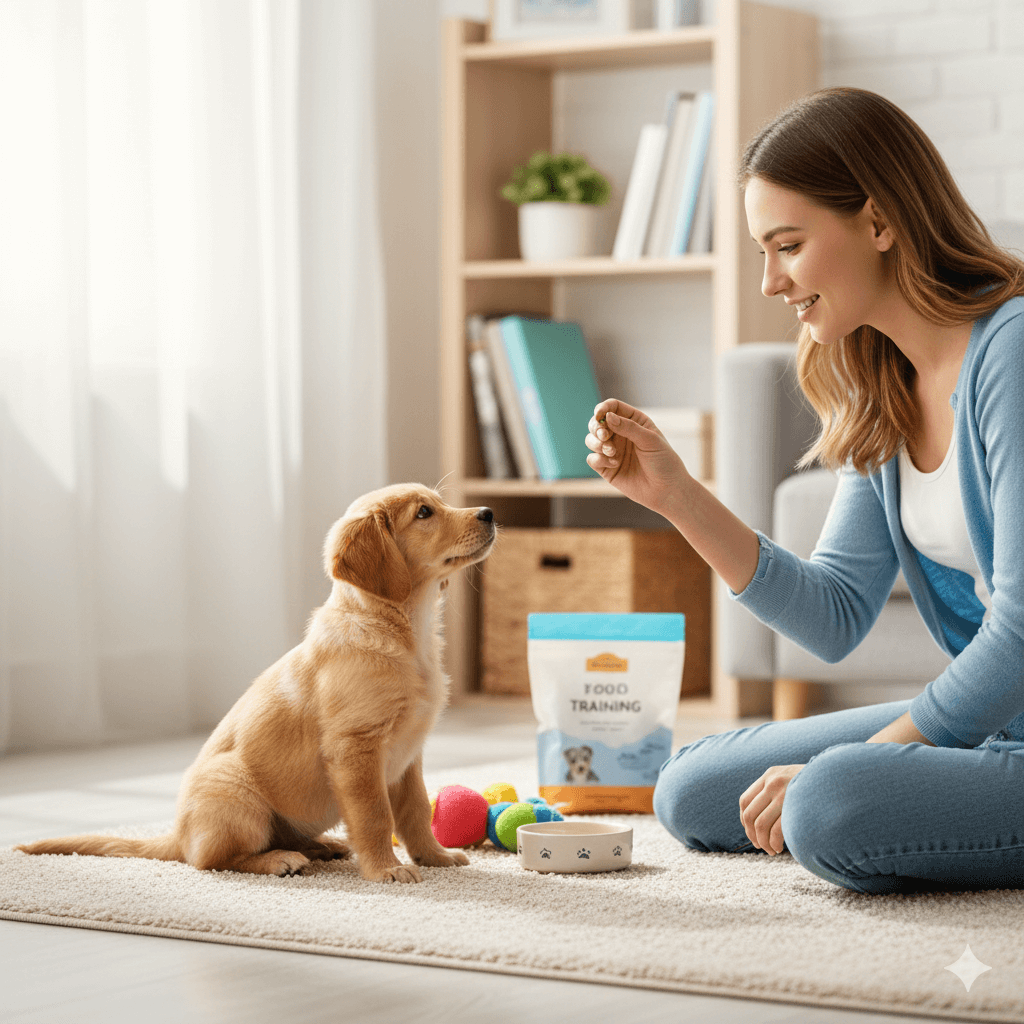

When to Start Training a Puppy: Best 7 Expert Tips!

When to Start Training a Puppy: Best 7 Expert Tips!

When to Start Training a Puppy

The moment you bring a new puppy home, training has already begun—even if you don’t realize it. Puppies are constantly learning from their environment, your reactions, and daily routines. Starting training early sets the foundation for a well-behaved, confident dog who understands boundaries and feels secure in your home. While formal obedience commands can wait a few weeks, foundational lessons in house manners, bite inhibition, and social cues should begin right away. With gentle consistency and positive methods, even an 8-week-old pup can start mastering the basics of being your trusted companion.

Why Early Training Matters for Puppies

Puppies go through critical developmental windows during their first few months—especially between 3 and 16 weeks—when their brains are primed to absorb new experiences. Early training isn’t about perfection; it’s about shaping behavior before unwanted habits take root. These early lessons influence how your dog will respond to the world for the rest of their life:

 
  • Brain Plasticity Peaks Early:
    A puppy’s brain is most adaptable before 16 weeks, making this the ideal time to introduce routines, cues, and social exposure.
     
  • Prevents Problem Behaviors:
    Chewing, nipping, barking, and house soiling are normal puppy behaviors—but early redirection helps channel them appropriately.
     
  • Builds Trust and Communication:
    Consistent, kind interactions teach your puppy that you’re a safe, reliable leader they can depend on.
     
  • Sets Household Expectations:
    Rules like “no jumping” or “paws off counters” are easier to teach from day one than to correct later.
     
  • Eases Future Learning:
    Puppies who learn basic focus and reward-based responses early adapt faster to advanced training as they grow.
 

Starting training early isn’t about pressure—it’s about giving your puppy the gift of clarity, confidence, and connection from the very beginning.

When to Start Training a Puppy: Best 7 Expert Tips!

The Ideal Timeline: When to Begin Each Training Phase

While you can—and should—start gentle guidance the day your puppy comes home, different skills are best introduced at specific ages based on physical and cognitive development. Timing matters more than intensity:

 
  • 8–10 Weeks: Foundational Socialization & House Rules:
    Begin crate training, potty routines, name recognition, and gentle handling (paws, ears, mouth).
     
  • 10–12 Weeks: Basic Cues & Bite Inhibition:
    Introduce “sit,” “come,” and “leave it” using treats and praise; teach soft mouthing through yelping and withdrawal during play.
     
  • 12–16 Weeks: Social Exposure & Leash Introduction:
    Safely expose your pup to new people, sounds, surfaces, and vaccinated dogs; practice short, positive leash walks indoors or in quiet yards.
     
  • 4–6 Months: Focus, Impulse Control & Polite Manners:
    Work on “stay,” “wait,” and “drop it”; reduce jumping and counter-surfing through consistent redirection.
     
  • 6+ Months: Refinement and Real-World Practice:
    Practice cues in distracting environments, add duration to commands, and reinforce calm behavior around triggers like bikes or visitors.
 

Training isn’t a one-time event—it’s a progressive journey that grows with your puppy’s abilities and confidence.

Early Foundations (8–16 Weeks)
Ongoing Skills (4+ Months)
Name response & attention
Reliable recall in distractions
Potty training consistency
Solid “leave it” and “drop it”
Gentle handling tolerance
Calm greetings (no jumping)
Short crate comfort
Leash walking without pulling
Positive social experiences
Impulse control around food/guests

Core Training Principles for Puppies

Success with puppy training hinges less on tricks and more on your approach. Puppies thrive when training is positive, predictable, and playful. These principles ensure you build cooperation—not fear or confusion:

 
  • Use Positive Reinforcement Only:
    Reward desired behaviors immediately with treats, praise, or play—never punish mistakes, which erode trust.
     
  • Keep Sessions Extremely Short:
    Puppies under 12 weeks have attention spans of 1–3 minutes; aim for 3–5 tiny sessions per day rather than one long lesson.
     
  • Be Consistent with Cues and Rules:
    Use the same word (“sit,” not “sit down” or “bum down”) and ensure all family members enforce the same boundaries.
     
  • End on a Success:
    Always finish a session after a correct response to build confidence and enthusiasm for next time.
     
  • Manage the Environment:
    Prevent unwanted behaviors by puppy-proofing your space—don’t expect a pup to “resist” temptation without help.
 

When training feels like a game, your puppy will eagerly participate—and that’s where real learning begins.

Essential First Commands to Teach a Puppy

While your puppy may not master complex tricks right away, a few foundational cues lay the groundwork for safety and cooperation. Focus on practical, everyday commands that improve life at home:

 
  • Name Recognition:
    Teach your puppy to look at you when you say their name—it’s the first step to all future communication.
     
  • “Sit”:
    This polite default behavior prevents jumping, helps with greetings, and is easy to reward with a treat held above their head.
     
  • “Come” (Recall):
    Start indoors with zero distractions; always reward generously to build a strong, reliable return response.
     
  • “Leave It”:
    Vital for safety, this cue stops pups from grabbing trash, toys, or dangerous items—begin with low-value objects.
     
  • “Crate” or “Kennel”:
    Pair a verbal cue with treats tossed into the crate to create positive associations with this safe space.
 

These commands aren’t just about obedience—they’re tools that help your puppy navigate the human world safely and calmly.

Socialization: The Hidden Half of Puppy Training

Training isn’t just about commands—it’s equally about helping your puppy feel comfortable in the world. Proper socialization prevents fear, aggression, and anxiety later in life. The window for this is narrow but crucial:

 
  • Start Before 12 Weeks:
    The primary socialization period ends around 14–16 weeks; delay beyond this increases long-term behavioral risks.
     
  • Expose Gradually and Positively:
    Introduce new sights, sounds, surfaces, people (hats, uniforms, children), and vaccinated dogs—always at your pup’s pace.
     
  • Avoid Overwhelming Situations:
    Flooding (forcing interaction) creates fear; instead, let your puppy observe from a safe distance and approach voluntarily.
     
  • Pair New Experiences with Rewards:
    Give treats during car rides, vet visits, or meeting strangers to build positive emotional associations.
     
  • Continue Beyond 16 Weeks:
    While the critical window closes, ongoing gentle exposure throughout adolescence reinforces confidence.
 

A well-socialized puppy isn’t just friendly—they’re resilient, adaptable, and emotionally secure in an unpredictable world.

Common Mistakes to Avoid When Training a Puppy

Even loving owners can unknowingly sabotage early training with well-intentioned errors. Awareness helps you stay on track during those chaotic first months:

 
  • Waiting Too Long to Start:
    Thinking “they’re just a baby” delays crucial learning—puppies absorb lessons from day one, good or bad.
     
  • Using Punishment or Scolding:
    Yelling, rubbing noses in accidents, or physical corrections create fear and damage your bond.
     
  • Inconsistent Boundaries:
    Allowing jumping on Tuesday but not Thursday confuses your pup—clarity prevents frustration.
     
  • Skipping Socialization Due to Vaccines:
    While avoiding high-risk areas (dog parks) is wise, controlled, safe exposure is essential and encouraged by vets.
     
  • Expecting Too Much Too Soon:
    Puppies lack impulse control; patience and repetition are more effective than demanding perfection.
 

Gentle correction, consistency, and empathy—not speed or strictness—create a truly well-trained dog.

Signs Your Puppy Is Ready for More Advanced Training

As your puppy matures, their ability to focus, control impulses, and retain information improves. Watch for these readiness cues before progressing to complex skills or group classes:

 
  • Holds Eye Contact Voluntarily:
    Your pup looks to you for guidance in new situations—a sign of trust and focus.
     
  • Responds Reliably to Basic Cues:
    “Sit,” “come,” and “leave it” work consistently in low-distraction settings at home.
     
  • Shows Calmness During Handling:
    They tolerate nail trims, brushing, or vet-style exams without fear or resistance.
     
  • Recovers Quickly from Distractions:
    A loud noise or passing dog may startle them, but they refocus on you within seconds.
     
  • Enjoys Training Sessions:
    Their tail wags, they offer behaviors eagerly, and they seek interaction—never cower or shut down.
 

When these signs appear (often around 5–6 months), your puppy is ready for puppy kindergarten, trick training, or real-world practice walks.

“Puppies start learning from birth, so training should begin immediately with handling and socialization.”
– Ellen Lindell, VMD, DACVB

Frequently Asked Questions About When to Start Training a Puppy

When should I start potty training my puppy?

Begin immediately—even 8-week-old puppies can learn a routine. Take them out after eating, sleeping, and playing, and reward success instantly.

Yes! Avoid high-risk public areas, but safe socialization (carrying your pup, visiting vaccinated friends, quiet outdoor spaces) is encouraged and vital.

Not at all—while early training is ideal, dogs learn at any age. Adolescence (6–18 months) just requires more patience and consistency.

Absolutely. Food rewards are the fastest, clearest way to mark correct behavior—use small, soft treats and phase them out gradually as cues become reliable.

For puppies under 12 weeks: 1–3 minutes. Between 3–6 months: 5–10 minutes. Always prioritize quality and fun over duration.

Building a Lifelong Bond Through Early Training

Starting puppy training early isn’t about creating a perfect pet—it’s about building a relationship rooted in trust, understanding, and mutual respect. Every gentle correction, every rewarded “sit,” every calm walk together weaves a deeper connection that lasts a lifetime. The time you invest in those first few months pays dividends in confidence, safety, and joy for years to come. Remember, your puppy isn’t trying to be difficult—they’re simply learning how to exist in your world. By guiding them with patience, positivity, and consistency from day one, you’re not just training a dog—you’re raising a beloved family member who feels secure, understood, and deeply loved.

Is Rawhide Bad for Cats? Best 7 Expert Tips!

Is Rawhide Bad for Cats? Best 7 Expert Tips! – Discover the risks, safe alternatives, and expert advice to keep your feline friend healthy and happy.

Is Rawhide Bad for Dogs? Best 7 Expert Tips!

Is Rawhide Bad for Dogs? Best 7 Expert Tips! – Discover the risks, benefits, and safer alternatives to rawhides for your dog’s chewing needs.

Understanding Anorexia in Cats: Best 7 Expert Tips!

Understanding Anorexia in Cats: Best 7 Expert Tips! – Learn why cats stop eating, spot warning signs, and discover how to help your feline regain appetite safely.

Understanding Anorexia in Dogs: Best 7 Expert Tips!

Understanding Anorexia in Dogs: Best 7 Expert Tips! – Learn causes, symptoms, and solutions to help your dog regain appetite and stay healthy.

Leave a Reply

Your email address will not be published. Required fields are marked *