
When Is a Cat Fully Vaccinated?
Vaccinations are a critical part of your cat’s health care, protecting them from serious and potentially life-threatening diseases. A fully vaccinated cat has received all core vaccines and any necessary boosters according to the recommended schedule. Understanding this timeline ensures your feline companion stays safe and healthy throughout their life.
Core Vaccines for Cats: The Foundation of Protection
Core vaccines are essential for all cats, regardless of lifestyle or environment, as they protect against highly contagious and potentially fatal diseases. These vaccines form the backbone of a cat’s vaccination schedule and are administered in stages to ensure maximum immunity. Understanding the purpose and timing of these vaccines helps you stay informed about your cat’s health journey.
- Feline Panleukopenia (FPV):
Also known as feline distemper, this virus attacks the gastrointestinal tract, immune system, and bone marrow. Kittens are particularly vulnerable, making early vaccination crucial for survival. FPV is highly resistant and can survive in the environment for years, increasing exposure risks. - Feline Herpesvirus (FHV-1):
This virus causes upper respiratory infections and eye inflammation. While not curable, vaccination reduces symptom severity and minimizes the risk of chronic issues like nasal congestion or recurring flare-ups. Stress or illness can reactivate the virus, even in vaccinated cats. - Feline Calicivirus (FCV):
Another major cause of upper respiratory infections, FCV leads to symptoms like sneezing, oral ulcers, and pneumonia. Vaccination significantly lowers transmission rates but does not guarantee complete immunity due to the virus’s many strains. - Rabies Vaccine:
Required by law in many areas, the rabies vaccine protects against this deadly zoonotic disease. Rabies poses a risk to humans and animals alike, making it a public health priority. Even indoor cats should receive this vaccine, as bats or other wildlife may enter homes. - Timing of Core Vaccinations:
Core vaccines are typically started at 6–8 weeks of age, with boosters given every 3–4 weeks until the kitten is 16–20 weeks old. This staggered approach ensures maternal antibodies don’t interfere with vaccine efficacy while building long-term immunity.
Core vaccines provide lifelong protection, but some require periodic boosters to maintain immunity. Staying up-to-date with your veterinarian’s recommendations is vital for your cat’s ongoing health.
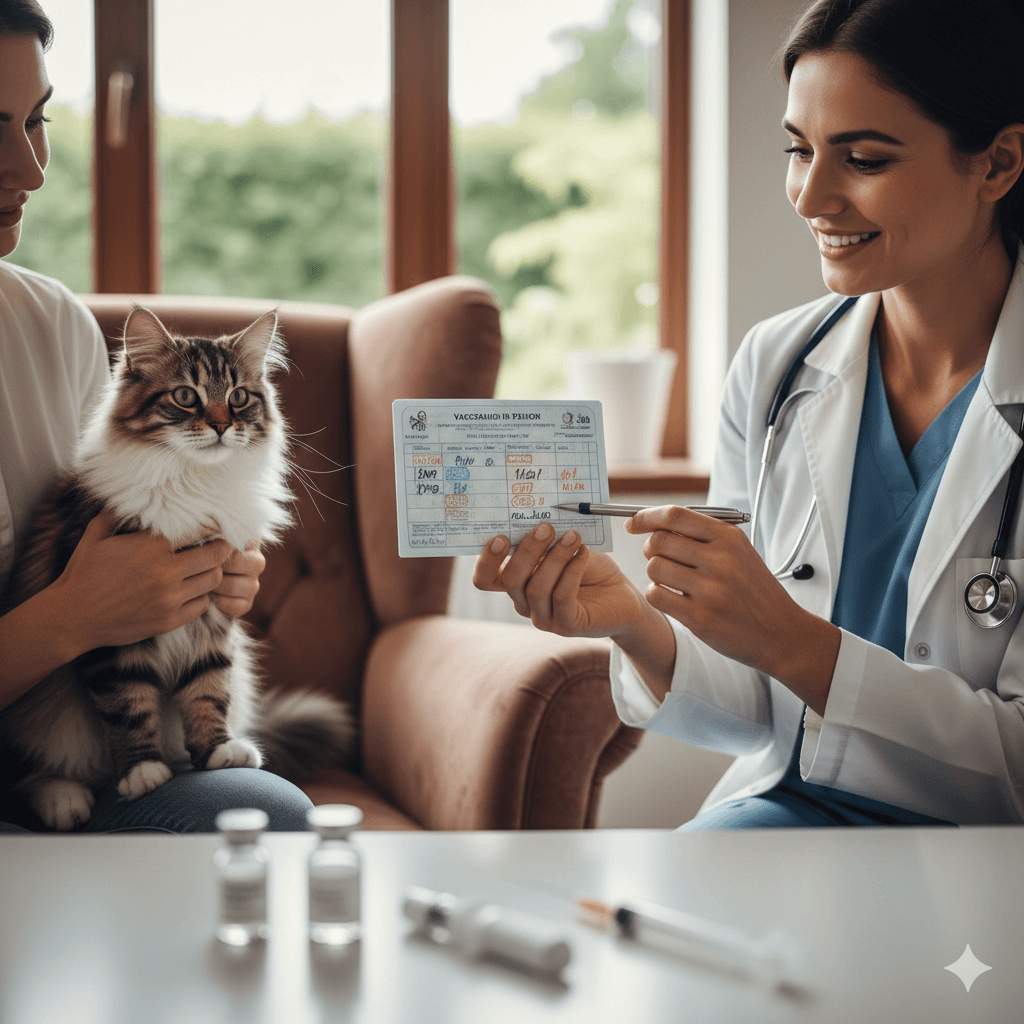
Non-Core Vaccines: Tailoring Protection to Your Cat’s Lifestyle
Non-core vaccines are optional and depend on your cat’s environment, habits, and potential exposure risks. These vaccines address specific conditions that may not affect all cats but are significant in certain situations. Understanding which non-core vaccines your cat might need ensures tailored protection.
- Feline Leukemia Virus (FeLV):
FeLV weakens the immune system, leading to cancers, anemia, and secondary infections. Outdoor cats or those exposed to infected felines benefit most from this vaccine. Kittens are especially susceptible, so early vaccination is recommended for high-risk individuals. - Chlamydophila felis Vaccine:
This vaccine targets a bacterial infection causing conjunctivitis and respiratory issues. It’s rarely used unless outbreaks occur in multi-cat households or shelters, as its necessity is debated among veterinarians. - Bordetella bronchiseptica Vaccine:
Similar to kennel cough in dogs, Bordetella causes respiratory infections in cats. Cats attending boarding facilities or living in crowded environments may benefit from this nasal spray vaccine. - Feline Immunodeficiency Virus (FIV) Vaccine:
Though available in some regions, the FIV vaccine is controversial due to limited efficacy and interference with diagnostic testing. It’s reserved for outdoor cats at high risk of bite wounds from infected felines. - Decision Factors for Non-Core Vaccines:
Your veterinarian considers your cat’s age, health status, lifestyle, and local disease prevalence before recommending non-core vaccines. Over-vaccination carries risks, so only necessary options should be pursued.
Non-core vaccines enhance protection for at-risk cats, but their use requires careful evaluation to balance benefits and potential side effects.
Check this guide 👉Which Cat Vaccines Are Absolutely Necessary: Best 7 Tips!
Check this guide 👉Cat Vaccine Side Effects: Best 7 Expert Tips!
Check this guide 👉How Much Are Cat Vaccines? Best 7 Health Tips!
Core Vaccines Every Cat Needs | Non-Core Vaccines Based on Risk |
|---|---|
Feline Panleukopenia (FPV) – Protects against feline distemper | Feline Leukemia Virus (FeLV) – For outdoor or high-risk cats |
Feline Herpesvirus (FHV-1) – Prevents respiratory infections | Bordetella bronchiseptica – For boarding or multi-cat households |
Feline Calicivirus (FCV) – Reduces upper respiratory issues | Chlamydophila felis – Targets bacterial conjunctivitis outbreaks |
Rabies – Required by law in many regions | Feline Immunodeficiency Virus (FIV) – For cats exposed to infected animals |
Administered at 6–8 weeks, boostered annually or triennially | Optional vaccines based on lifestyle, environment, and vet advice |
The Vaccination Timeline: From Kittenhood to Adulthood
A cat’s vaccination journey begins in kittenhood and continues throughout their life. The timeline is carefully structured to build immunity gradually while accounting for maternal antibodies and developmental stages. Understanding this process helps you anticipate vet visits and stay organized.
- Kitten Vaccinations (6–16 Weeks):
Kittens receive their first core vaccines at 6–8 weeks, followed by boosters every 3–4 weeks until they’re 16–20 weeks old. This schedule ensures coverage once maternal antibodies wane naturally. - First Booster Shots (1-Year Mark):
Around one year of age, kittens return for booster shots to reinforce immunity established during their initial series. This visit often includes revaccination for rabies and other core diseases. - Adult Maintenance Vaccinations (Every 1–3 Years):
After the first booster, adult cats typically receive core vaccines every 1–3 years, depending on manufacturer guidelines and local regulations. Rabies boosters follow legal requirements, which vary by region. - Titer Testing as an Alternative:
Some owners opt for antibody titer tests instead of routine boosters. These blood tests measure existing immunity levels, potentially reducing unnecessary vaccinations. However, not all clinics offer titers, and results aren’t universally accepted. - Senior Cat Considerations:
Older cats may have weakened immune systems, requiring closer monitoring. Veterinarians assess individual needs to determine whether adjustments to the vaccination schedule are necessary.
The vaccination timeline evolves with your cat’s age and health, ensuring optimal protection without overburdening their system.
Why Vaccination Timing Matters
Proper timing of vaccinations is crucial to ensure effectiveness and minimize risks associated with incomplete immunity. Skipping or delaying doses can leave your cat vulnerable to preventable diseases. Understanding why timing matters highlights the importance of adhering to the recommended schedule.
- Maternal Antibody Interference:
Newborn kittens rely on maternal antibodies passed through colostrum. While protective initially, these antibodies can neutralize vaccines if given too early, rendering them ineffective. - Immune System Development:
Young kittens’ immune systems mature gradually. Vaccinating at appropriate intervals allows their bodies to respond effectively and build lasting immunity. - Disease Exposure Risks:
Delaying vaccines increases exposure risks, especially for outdoor kittens or those in multi-cat households. Timely vaccination prevents outbreaks and protects vulnerable populations. - Legal Requirements for Rabies:
Missing rabies vaccine deadlines can result in fines or quarantine orders. Staying compliant avoids legal complications and ensures public safety. - Booster Timing for Long-Term Immunity:
Skipping boosters compromises immunity over time. Regular updates maintain protection against evolving pathogens and reduce disease resurgence risks.
Adhering to the vaccination timeline safeguards your cat’s health and contributes to broader community well-being.
Signs Your Cat May Need Additional Vaccines
Even fully vaccinated cats may require additional vaccines under certain circumstances. Recognizing these signs ensures you address emerging risks promptly. Changes in lifestyle, environment, or health status influence vaccination needs.
- Transitioning to Outdoor Access:
Cats newly allowed outdoors face higher exposure risks to FeLV, FIV, and other infectious agents. Updating their vaccines provides added protection against these threats. - Joining Multi-Cat Households:
Moving into homes with multiple cats increases disease transmission risks. Ensuring up-to-date vaccinations prevents outbreaks and keeps everyone healthy. - Exposure to Infected Animals:
Contact with stray or sick cats necessitates reassessment of vaccination status. Immediate action reduces infection risks and limits spread within the household. - Travel or Boarding Plans:
Cats traveling or staying in boarding facilities may need Bordetella or other non-core vaccines to comply with facility requirements and reduce respiratory risks. - Health Changes or Immune Suppression:
Cats diagnosed with chronic illnesses or undergoing treatments like chemotherapy may require adjusted vaccination plans to accommodate compromised immune systems.
Proactive evaluation of your cat’s situation ensures they remain protected against evolving risks.
Potential Side Effects of Vaccinations
While generally safe, vaccines can sometimes cause mild to moderate side effects. Monitoring your cat after vaccination helps identify and address any adverse reactions promptly. Awareness of potential side effects prepares you for what to expect and when to seek help.
- Mild Reactions (Common):
Soreness at the injection site, lethargy, or mild fever are typical responses as the immune system builds immunity. These symptoms usually resolve within 24–48 hours. - Allergic Reactions (Rare):
Facial swelling, hives, vomiting, or difficulty breathing indicate an allergic response. Immediate veterinary care is required to manage severe reactions effectively. - Injection-Site Sarcomas (Very Rare):
Certain cats develop aggressive tumors at vaccination sites, though advancements in vaccine formulation and administration techniques have reduced this risk significantly. - Gastrointestinal Upset:
Some cats experience temporary appetite loss or digestive issues following vaccination. Offering bland food and fresh water supports recovery. - When to Contact Your Vet:
Persistent symptoms, worsening conditions, or unusual behavior post-vaccination warrant prompt veterinary attention to rule out complications.
Most cats tolerate vaccines well, but vigilance ensures any issues are addressed swiftly and appropriately.
Keeping Track of Your Cat’s Vaccination Records
Maintaining accurate vaccination records is essential for managing your cat’s health and complying with legal requirements. Organized documentation simplifies vet visits and proves compliance during travel or relocation. Here’s how to stay on top of your cat’s vaccination history.
- Digital Record Keeping:
Many veterinary clinics offer online portals where you can access digital records anytime. Downloading these documents ensures you always have a backup copy. - Physical Copies for Emergencies:
Printed records are handy for emergencies, boarding check-ins, or grooming appointments. Store them in a secure location alongside other pet-related paperwork. - Vaccine Reminder Systems:
Set calendar alerts or use apps designed for pet care to track upcoming vaccine due dates. Automated reminders prevent missed appointments and lapses in coverage. - Understanding Expiration Dates:
Each vaccine has a specific duration of immunity. Knowing expiration dates helps plan timely boosters and avoid gaps in protection. - Sharing Records with New Vets:
If switching veterinarians, provide complete vaccination records to ensure continuity of care. Missing information may lead to redundant or delayed vaccines.
Well-maintained records empower you to advocate for your cat’s health and streamline interactions with veterinary professionals.
“A kitten will not be fully protected until seven to ten days after completing the vaccination series.”
— Malcolm Weir, DVM, MSc, MPH
Frequently Asked Questions About Cat Vaccinations
When is a cat considered fully vaccinated?
A cat is fully vaccinated after completing their initial core vaccine series, typically by 16–20 weeks of age, followed by booster shots at one year and then every 1–3 years as needed.
Can indoor cats skip vaccinations?
Indoor cats still require core vaccines like rabies and FPV, as they may encounter wildlife or escape outdoors unexpectedly. Non-core vaccines depend on individual risk factors.
What happens if my cat misses a vaccine booster?
Missing a booster may leave your cat vulnerable to diseases. Consult your vet to determine if restarting the series or administering a single dose is appropriate.
Are vaccines safe for senior cats?
Yes, but older cats may need tailored vaccination plans based on their health status. Veterinarians assess risks and benefits before recommending boosters.
How much do cat vaccinations cost?
Costs vary by location and clinic but typically range from $50–$150 for core vaccines. Non-core vaccines and annual boosters may incur additional fees.
Safeguarding Your Cat’s Future Through Vaccination
Ensuring your cat is fully vaccinated is one of the most important steps you can take to protect their health and well-being. By adhering to the recommended vaccination schedule, you shield them from preventable diseases and contribute to broader community safety. While the process may seem complex, partnering with a trusted veterinarian simplifies decision-making and ensures your cat receives tailored care. Remember, vaccination isn’t just about compliance—it’s about giving your feline companion the best chance at a long, happy, and healthy life. Stay proactive, keep records organized, and celebrate each milestone in your cat’s journey to full immunity.

Is Rawhide Bad for Cats? Best 7 Expert Tips! – Discover the risks, safe alternatives, and expert advice to keep your feline friend healthy and happy.

Is Rawhide Bad for Dogs? Best 7 Expert Tips! – Discover the risks, benefits, and safer alternatives to rawhides for your dog’s chewing needs.

Understanding Anorexia in Cats: Best 7 Expert Tips! – Learn why cats stop eating, spot warning signs, and discover how to help your feline regain appetite safely.

Understanding Anorexia in Dogs: Best 7 Expert Tips! – Learn causes, symptoms, and solutions to help your dog regain appetite and stay healthy.