
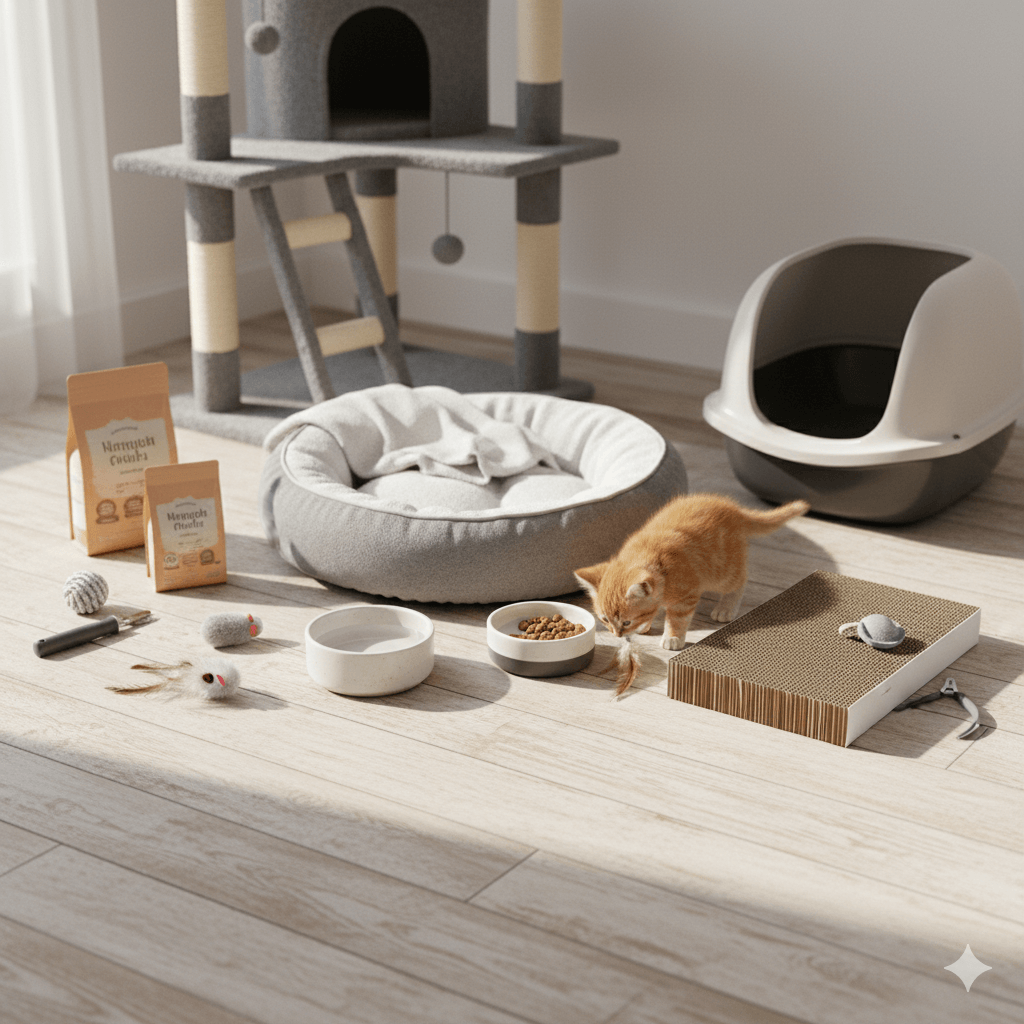

What to Get for a New Cat: Best 7 Expert Tips!

What to Get for a New Cat: Best 7 Expert Tips!

What to Get for a New Cat: Best 7 Expert Tips!

Bringing home a new cat is an exciting milestone filled with cuddles, curiosity, and quiet moments of connection. But before your feline friend arrives, being prepared makes all the difference in helping them feel safe and settled. From cozy hideaways to essential health tools, the right supplies ease the transition and build trust from day one. Thoughtful preparation shows your cat they belong—and sets the stage for a happy life together. Here’s everything you truly need (and what you can skip) when welcoming your new companion.

Essential Supplies for Your New Feline Friend

Before your cat steps through the door, gather these core items to ensure comfort, safety, and smooth adjustment. These aren’t just “nice-to-haves”—they’re foundational to your cat’s well-being in a new environment:

 
  • Sturdy, Quiet Litter Box:
    Choose an open, low-sided box for easy access, especially for kittens or seniors, and place it in a quiet, private area away from food and high-traffic zones.
     
  • High-Quality Cat Litter:
    Opt for unscented, clumping litter that’s gentle on paws and effective at odor control—many cats reject heavily perfumed or dusty types.
     
  • Comfortable Bed or Hideaway:
    Cats seek security; provide a soft bed, covered cave, or even a cardboard box lined with a blanket to give them a safe retreat.
     
  • Food and Water Bowls:
    Use shallow, wide bowls (preferably stainless steel or ceramic) to prevent whisker fatigue and keep food fresh—avoid plastic due to bacteria buildup.
     
  • Nutritionally Balanced Cat Food:
    Select age-appropriate food (kitten, adult, or senior) from a trusted brand; sudden diet changes can cause stomach upset, so transition slowly if needed.
 

Having these basics ready reduces stress and helps your cat feel at home from the very first hour.

What to Get for a New Cat: Best 7 Expert Tips!

Safety and Comfort Must-Haves

Cats explore with curiosity and speed—so your home must be both inviting and hazard-free. These items protect your new companion while supporting their emotional security during this big life change:

 
  • Cat-Proofed Living Space:
    Remove or secure loose cords, toxic plants (like lilies or pothos), small choking hazards, and open windows without screens.
     
  • Scratching Posts or Pads:
    Provide at least two scratching surfaces (vertical and horizontal) to satisfy natural instincts and protect your furniture.
     
  • Quiet, Low-Traffic Introduction Room:
    Confine your cat to one calm room initially (with litter, food, water, and bed) to prevent overwhelm before exploring the whole home.
     
  • Soft Blankets with Familiar Scents:
    If possible, bring a blanket from the shelter or previous home—it carries comforting smells that ease anxiety in unfamiliar surroundings.
     
  • Nightlight or Dim Lighting:
    Cats navigate better in low light; a soft glow helps them feel secure moving around during their naturally active twilight hours.
 

Creating a safe, predictable space reassures your cat that this new place is truly theirs.

New Cat Essentials
Optional (But Helpful) Extras
Litter box and unscented litter
Cat water fountain (encourages hydration)
Age-appropriate food and bowls
Interactive puzzle feeders
Scratching post or pad
Window perch for bird-watching
Quiet sleeping area
Calming pheromone diffuser (e.g., Feliway)
Breakaway collar with ID tag
Grooming brush (especially for longhairs)

Toys and Enrichment for Mental Stimulation

Cats need mental and physical engagement to thrive—not just entertainment. The right toys prevent boredom, reduce stress-related behaviors, and build confidence in shy or nervous newcomers:

 
  • Simple Wand Toys:
    Feathers or fabric on a string mimic prey and encourage natural hunting behavior—great for bonding and exercise.
     
  • Crinkle Balls or Kickeroos:
    Small, lightweight toys let cats pounce, bat, and carry—ideal for solo play when you’re not available.
     
  • Cardboard Boxes and Paper Bags:
    Free, recyclable, and irresistible—cats love tunnels, hideouts, and the crinkly sounds of paper exploration.
     
  • Puzzle Feeders or Treat Balls:
    These slow down eating and stimulate problem-solving, especially helpful for indoor or food-motivated cats.
     
  • Catnip or Silvervine Toys (If Over 6 Months):
    Many cats enjoy these safe botanicals—they can spark play or relaxation, though not all respond to them.
 

Toys aren’t just fun—they’re vital tools for emotional health, confidence-building, and preventing destructive habits.

Grooming and Health Care Basics

Even before your first vet visit, having a few health and grooming tools on hand shows attentive care and helps you monitor your cat’s well-being from day one:

 
  • Soft-Bristle Brush or Comb:
    Regular brushing reduces shedding, prevents mats (especially in medium/long coats), and strengthens your bond.
     
  • Nail Clippers Designed for Cats:
    Trim nails every 2–3 weeks to avoid overgrowth and accidental scratches—start gently to build tolerance.
     
  • Pet-Safe Toothbrush and Toothpaste:
    Dental health starts early; use enzymatic toothpaste (never human fluoride) to prevent gum disease long-term.
     
  • First-Aid Kit for Pets:
    Include gauze, saline solution, tweezers, and your vet’s contact info—keep it accessible but out of paw’s reach.
     
  • Carrier for Safe Transport:
    Invest in a hard-sided, well-ventilated carrier labeled with your contact info—it’s essential for vet visits and emergencies.
 

Proactive care builds trust and catches small issues before they become serious problems.

What to Avoid Buying Right Away

Not every “cat product” is necessary—or even helpful. Skipping these common impulse buys saves money and prevents frustration during your cat’s adjustment period:

 
  • Expensive Furniture or Cat Trees (Initially):
    Wait to see your cat’s preferences—some ignore elaborate towers but love a simple cardboard scratcher.
     
  • Collars with Bells or Decorations:
    Bells can stress sensitive cats; if used, choose a breakaway collar without noise or dangling parts.
     
  • Automatic Feeders (Unless Medically Needed):
    Hand-feeding builds trust early on; automated systems can wait until routines are established.
     
  • Strong-Scented Cleaners or Air Fresheners:
    Cats have powerful noses—avoid ammonia, citrus, or synthetic fragrances near their space.
     
  • Too Many Toys at Once:
    Overstimulation can backfire; introduce 2–3 toys gradually and rotate them to maintain interest.
 

Less is often more when it comes to welcoming a new cat—focus on simplicity, safety, and consistency.

Special Considerations for Kittens, Seniors, or Rescue Cats

Your cat’s age and background shape their immediate needs. Tailoring your setup shows empathy and speeds up emotional recovery, especially for those coming from uncertain situations:

 
  • Kittens Under 6 Months:
    Need extra warmth (heating pad on low under half the bed), smaller litter boxes, and kitten-formula food for growth support.
     
  • Senior Cats (7+ Years):
    Benefit from orthopedic beds, ramps to favorite spots, and easy-access litter boxes with low entry points.
     
  • Rescue or Feral-Origin Cats:
    May hide for days—offer food near their hiding spot, avoid forced interaction, and use calming pheromones to ease fear.
     
  • Cats with Medical Histories:
    Follow vet instructions precisely for medications, diet, or monitoring—keep records easily accessible.
     
  • Multi-Cat Household Introductions:
    Prepare separate supplies for each cat initially and use scent-swapping (blankets, towels) before face-to-face meetings.
 

Meeting your cat where they are—physically and emotionally—builds the trust that lasts a lifetime.

Expert Tips for a Smooth Transition with Your New Cat

Introducing a new cat to your home is more than just unpacking supplies—it’s about creating a calm, predictable rhythm that builds confidence. These expert-backed strategies help your feline feel secure faster and reduce common stress-related behaviors during those crucial first weeks:

 
  • Stick to a Consistent Daily Routine:
    Cats thrive on predictability—feed, clean the litter box, and offer playtime at the same times each day to create a sense of safety.
     
  • Use Calming Pheromone Products:
    Diffusers like Feliway mimic natural feline facial pheromones and can reduce anxiety, especially during the first 1–2 weeks in a new space.
     
  • Let Your Cat Initiate Contact:
    Avoid forcing cuddles or picking them up early on; instead, sit quietly nearby and let them approach you on their own terms.
     
  • Limit Initial Exploration to One Room:
    Confining your cat to a quiet, fully equipped room (with litter, food, water, and hiding spots) prevents overwhelm and builds territorial confidence.
     
  • Monitor Eating, Litter Use, and Behavior Closely:
    Track whether they’re eating, using the litter box, and showing curiosity—lack of these within 24–48 hours may signal high stress or illness.
 

These thoughtful practices don’t just ease the transition—they lay the groundwork for a trusting, lifelong bond.

“We recommend purchasing high-quality, brand-name kitten or cat food. Your veterinarian will be able to assess your new cat or kitten and determine the best diet.” — ASPCA Veterinary Team

Frequently Asked Questions About What to Get for a New Cat

Should I buy a collar for my indoor cat?

Yes—even indoor cats should wear a breakaway collar with an ID tag in case they escape; microchipping is also highly recommended.

Follow the “n+1” rule: one box per cat, plus one extra, placed in different quiet locations to reduce stress.

Not without thorough cleaning—unfamiliar scents can cause anxiety or territorial behavior; start with fresh, neutral items.

Not essential, but many cats prefer running water and drink more from fountains, supporting kidney and urinary health.

Within 3–5 days of arrival for a wellness check, even if your cat seems healthy—early exams catch hidden issues and establish care records.

Building a Forever Home, One Thoughtful Choice at a Time

Welcoming a new cat isn’t just about buying supplies—it’s about crafting a space where they feel seen, safe, and loved. Every item you choose, from the quietest litter box to the softest blanket, sends a message: “You belong here.” And as your cat relaxes into their new rhythm—napping in sunbeams, chasing toys, or curling beside you at night—you’ll know your preparation was worth it. Because in the end, what your cat truly needs isn’t a mountain of gadgets, but your patience, presence, and promise of a gentle home. That’s the real foundation of a lifetime together.

Is Rawhide Bad for Cats? Best 7 Expert Tips!

Is Rawhide Bad for Cats? Best 7 Expert Tips! – Discover the risks, safe alternatives, and expert advice to keep your feline friend healthy and happy.

Is Rawhide Bad for Dogs? Best 7 Expert Tips!

Is Rawhide Bad for Dogs? Best 7 Expert Tips! – Discover the risks, benefits, and safer alternatives to rawhides for your dog’s chewing needs.

Understanding Anorexia in Cats: Best 7 Expert Tips!

Understanding Anorexia in Cats: Best 7 Expert Tips! – Learn why cats stop eating, spot warning signs, and discover how to help your feline regain appetite safely.

Understanding Anorexia in Dogs: Best 7 Expert Tips!

Understanding Anorexia in Dogs: Best 7 Expert Tips! – Learn causes, symptoms, and solutions to help your dog regain appetite and stay healthy.

Leave a Reply

Your email address will not be published. Required fields are marked *