What to Do When Your Dog Has an Open Cyst: Best 7 Tips!

What to Do When Your Dog Has an Open Cyst: Best 7 Tips!

What to Do When Your Dog Has an Open Cyst

Discovering an open cyst on your dog can be alarming—especially if it’s oozing, red, or causing discomfort. While many cysts are benign and slow-growing, an open one introduces risks like infection, pain, or delayed healing. Knowing how to respond safely can make a big difference in your dog’s recovery and well-being. This guide walks you through what an open cyst really means, when it’s serious, and how to care for it properly—without making things worse. Because your dog deserves gentle, informed care when their skin isn’t at its best.

Understanding What a Cyst Is—and Why It Opens


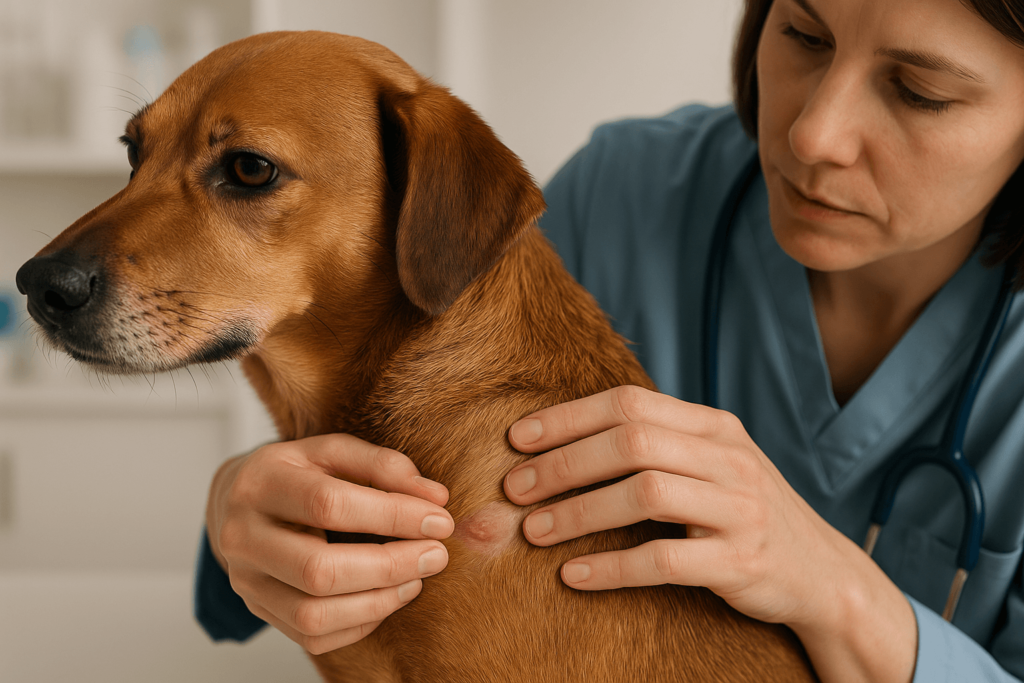
Not all lumps are tumors, and not all cysts are dangerous. A cyst is a closed sac beneath the skin, often filled with fluid, keratin, or semi-solid material. But when it ruptures or gets scratched open, it becomes an open wound that needs careful management.

 
  • Sebaceous cysts are most common:
    These form when oil glands get blocked, creating a slow-growing bump that may eventually burst.
     
  • Trauma causes rupture:
    Dogs often scratch, bite, or rub cysts due to itchiness or irritation, leading to an open sore.
     
  • Infection can accelerate opening:
    If bacteria enter a cyst, pressure builds from pus, increasing the chance it will drain on its own.
     
  • Hair follicle involvement:
    Some cysts originate from damaged or inflamed hair follicles, especially in breeds with dense coats.
     
  • Age and skin health play roles:
    Older dogs or those with hormonal imbalances (like Cushing’s) are more prone to cyst development and rupture.
 

While an open cyst isn’t always an emergency, it’s a signal that your dog needs monitoring—and possibly veterinary support.

What to Do When Your Dog Has an Open Cyst: Best 7 Tips!

Signs That an Open Cyst Needs Immediate Veterinary Attention


Most open cysts aren’t life-threatening, but some signs indicate infection, malignancy, or systemic illness. Don’t assume it’s “just a cyst”—certain red flags demand prompt care.

 
  • Foul-smelling discharge:
    A rotten or sour odor suggests bacterial infection that may require antibiotics.
     
  • Rapid swelling or heat around the area:
    This indicates active inflammation or cellulitis spreading under the skin.
     
  • Your dog is lethargic or running a fever:
    Systemic signs mean the issue has moved beyond a local skin problem.
     
  • Bleeding that won’t stop:
    Persistent oozing or spurting blood needs professional assessment.
     
  • The cyst keeps reopening or growing:
    Recurrent or enlarging lesions may be tumors mistaken for benign cysts.
 

When in doubt, a vet visit is always the safer choice—early treatment prevents complications.

Safe Home Care Steps When to See a Vet
Gently clean with saline solution Pus, foul odor, or red streaks
Apply a light antiseptic (vet-approved) Cyst refills within days
Prevent licking with an e-collar Dog is lethargic or not eating
Keep the area dry and exposed Bleeding doesn’t stop in 10 minutes
Monitor daily for changes Multiple new lumps appear

How to Clean and Care for an Open Cyst at Home


If your vet confirms the cyst is benign and minor, you may manage it at home—with strict hygiene and caution. Never treat an open cyst like a routine scrape.

 
  • Use sterile saline or diluted chlorhexidine:
    Clean the area 1–2 times daily to remove debris and reduce bacterial load—never use hydrogen peroxide or alcohol.
     
  • Pat dry—don’t rub:
    Gently dab the area with a clean gauze pad to avoid irritating new tissue.
     
  • Avoid ointments unless prescribed:
    Greasy creams can trap bacteria; many vets prefer open-air healing for draining cysts.
     
  • Use an Elizabethan collar:
    Even well-behaved dogs will lick or scratch, delaying healing and introducing infection.
     
  • Watch for granulation tissue:
    Healthy healing shows pink, bumpy tissue; yellow slough or black edges signal trouble.
 

Consistent, gentle care supports natural closure—but stop and call your vet if things worsen.

Common Mistakes Pet Owners Make with Open Cysts


Good intentions can backfire. These common errors often turn a minor issue into a bigger problem.

 
  • Squeezing or “popping” the cyst:
    This forces bacteria deeper and can cause abscesses or scarring.
     
  • Applying human topical meds:
    Neosporin, triple-antibiotic creams, or essential oils may be toxic if licked.
     
  • Ignoring recurring cysts in the same spot:
    This often means the cyst sac wasn’t fully removed—surgical excision may be needed.
     
  • Assuming all lumps are cysts:
    Mast cell tumors, lipomas, or infected cysts can look identical to the untrained eye.
     
  • Delaying care to “see if it heals”:
    Open skin is a gateway for infection—proactive care prevents escalation.
 

When it comes to skin lesions, less handling and more professional insight usually leads to better outcomes.

Breeds Most Prone to Cysts (and Why)


Some dogs are simply more likely to develop cysts due to genetics, coat type, or skin structure.

 
  • Boxers and Bulldogs:
    Thick skin folds and overactive sebaceous glands increase cyst risk.
     
  • Cocker Spaniels:
    Prone to sebaceous gland tumors and cysts due to genetic predisposition.
     
  • Schnauzers (Miniature and Standard):
    Often develop comedones and follicular cysts along the back.
     
  • Poodles and Bichons:
    Dense, curly coats trap oils and dead skin, clogging pores and glands.
     
  • Senior dogs of any breed:
    Aging skin loses elasticity and regenerative ability, making cysts more common.
 

Knowing your dog’s risk helps you spot early changes—and act before rupture occurs.

Veterinary Treatment Options for Persistent or Infected Cysts


When home care isn’t enough, your vet has several tools to restore your dog’s skin health.

 
  • Antibiotics (oral or topical):
    Prescribed if infection is present or likely, especially with redness, heat, or pus.
     
  • Complete surgical removal:
    The gold standard for recurring cysts—removing the entire sac prevents regrowth.
     
  • Fine-needle aspiration:
    Used to sample fluid and rule out cancer, though it rarely cures the cyst itself.
     
  • Laser or cryotherapy:
    Less invasive options for small, superficial cysts in sensitive areas.
     
  • Culture and sensitivity testing:
    If infection is resistant, this identifies the exact bacteria and best antibiotic.
 

Professional treatment not only heals the current issue but also prevents frustrating repeat episodes.

Preventing Future Cysts in Your Dog


While you can’t eliminate all risk, smart grooming and skin care reduce the chances of new cysts forming.

 
  • Brush regularly to distribute oils:
    Prevents pore clogging, especially in double-coated or curly-haired breeds.
     
  • Bathe with gentle, dog-specific shampoos:
    Medicated shampoos with benzoyl peroxide can help dogs prone to follicular issues.
     
  • Maintain a healthy weight:
    Obesity increases skin fold friction and poor circulation, contributing to cysts.
     
  • Feed a high-quality diet with omega fatty acids:
    Supports skin barrier integrity and reduces inflammation.
     
  • Schedule annual skin checks with your vet:
    Early detection of abnormal lumps leads to simpler, less invasive solutions.
 

Prevention is about consistency—not perfection—and your dog’s skin will thank you.

Frequently Asked Questions

Is it normal for a cyst to ooze clear or yellow fluid?

Yes. Clear fluid is serum; yellow, thick discharge is often keratin or pus. If it smells bad or your dog seems unwell, call your vet.

Absolutely not. Saliva introduces bacteria and delays healing. Always use an e-collar.

With proper care, surface healing takes 5–10 days—but deeper cysts may take weeks or require surgery to fully resolve.

No. Cysts are not infectious—they’re a result of blocked glands or follicles, not a transmissible agent.

Not necessarily. Only problematic, infected, or recurrent cysts need removal. Your vet will advise based on location, size, and behavior.

Final Thoughts – Gentle Care, Better Outcomes


An open cyst on your dog may seem minor, but it’s a window into their overall skin health and comfort. By responding with cleanliness, caution, and care—not panic—you help your companion heal safely and avoid unnecessary suffering. Remember: your vigilance, paired with veterinary guidance, turns a messy situation into a manageable one. And in the end, that’s what responsible, loving pet ownership looks like—one thoughtful decision at a time.

Understanding Bone Supplement for Cats: Best 7 Expert Tips!

Understanding Bone Supplement for Cats: Best 7 Expert Tips! – Safe, vet-approved guidance for strong feline bones & balanced nutrition.

Bone Supplement for Dogs: Best 7 Expert Tips!

Bone Supplement for Dogs: Best 7 Expert Tips! – Expert guide to calcium, collagen & bone health for every life stage.

Understanding Can Cats Get Sunburn: Best 7 Expert Tips!

Understanding Can Cats Get Sunburn: Best 7 Expert Tips! – Protect your feline from UV damage with vet-backed prevention strategies.

How to Train a Seizure Alert Dog: Best 7 Expert Tips!

How to Train a Seizure Alert Dog: Best 7 Expert Tips! – Learn expert-backed steps to nurture natural instincts into reliable, life-saving seizure alerts.

Understanding Bone Supplement for Cats: Best 7 Expert Tips!

Understanding Bone Supplement for Cats: Best 7 Expert Tips! – Safe, vet-approved guidance for strong feline bones & balanced nutrition.

Bone Supplement for Dogs: Best 7 Expert Tips!

Bone Supplement for Dogs: Best 7 Expert Tips! – Expert guide to calcium, collagen & bone health for every life stage.

Understanding Can Cats Get Sunburn: Best 7 Expert Tips!

Understanding Can Cats Get Sunburn: Best 7 Expert Tips! – Protect your feline from UV damage with vet-backed prevention strategies.

How to Train a Seizure Alert Dog: Best 7 Expert Tips!

How to Train a Seizure Alert Dog: Best 7 Expert Tips! – Learn expert-backed steps to nurture natural instincts into reliable, life-saving seizure alerts.

Leave a Reply

Your email address will not be published. Required fields are marked *