
What to Do If Your Dog Licked Insecticide
Insecticides are highly toxic chemicals, and if your dog comes into contact with them, it can lead to serious health complications. Immediate action is crucial to minimize absorption and prevent long-term damage. Understanding the risks and symptoms ensures you respond effectively to protect your furry friend.
Common Symptoms of Insecticide Poisoning in Dogs
Insecticides contain harmful chemicals that can wreak havoc on your dog’s system if ingested or licked. Recognizing the symptoms early is critical for prompt intervention and treatment. These signs often appear within minutes to hours after exposure, depending on the type and amount of insecticide involved. Some symptoms are mild and temporary, while others indicate severe toxicity requiring immediate veterinary care. Understanding these warning signs helps you act quickly and appropriately to safeguard your dog’s health.
- Excessive Drooling:
Dogs may produce large amounts of saliva as their bodies attempt to flush out the toxin; this is often one of the first visible signs. - Vomiting and Diarrhea:
Gastrointestinal upset occurs as the body tries to expel the poison; vomit may contain traces of the insecticide or food it was mixed with. - Tremors or Seizures:
Neurological symptoms like muscle twitching, shaking, or full-blown seizures signal that the insecticide is affecting the nervous system. - Difficulty Breathing:
Labored breathing or wheezing indicates respiratory distress, often caused by swelling or paralysis of respiratory muscles. - Lethargy or Collapse:
Extreme weakness, inability to stand, or unresponsiveness reflects systemic poisoning and requires urgent medical attention.
If your dog exhibits any of these symptoms after licking insecticide, contact your veterinarian or an emergency clinic immediately.
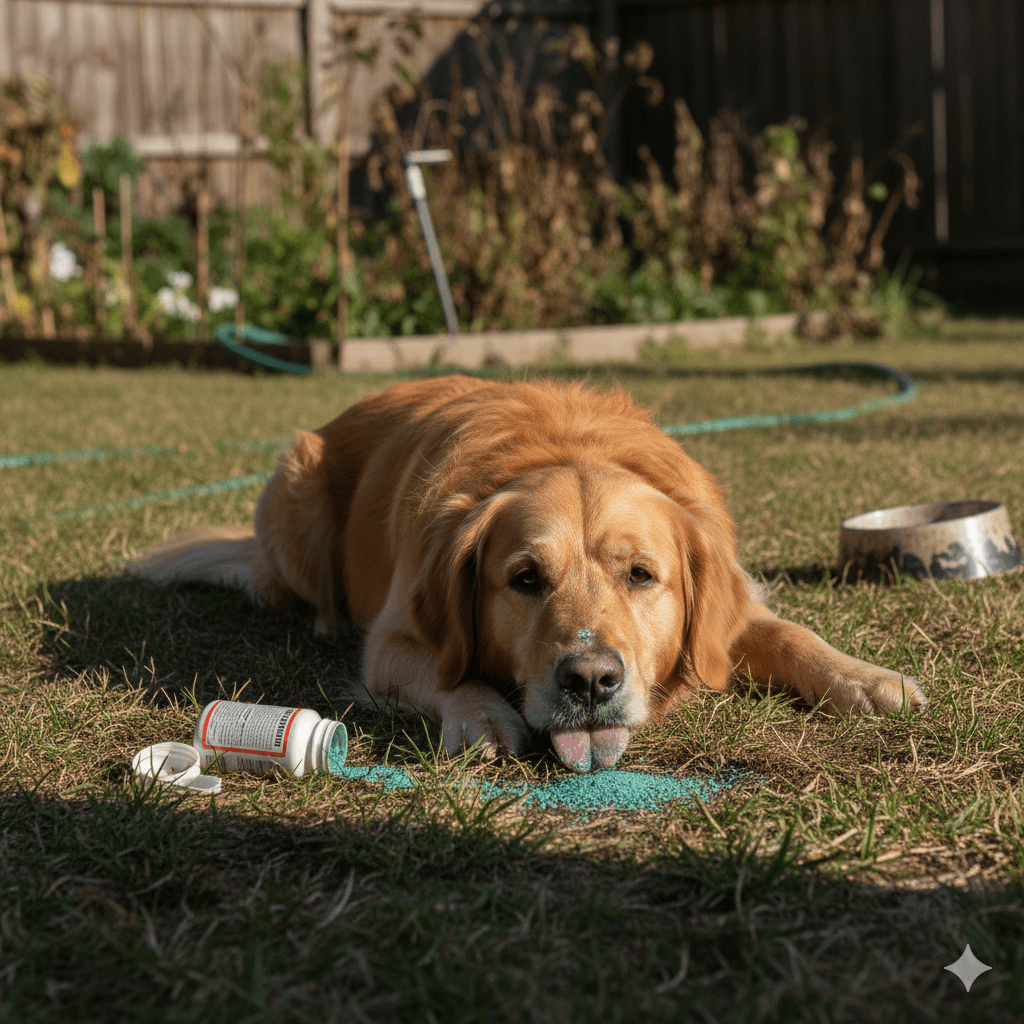
Types of Insecticides and Their Risks
Not all insecticides are created equal—some are more toxic than others, and their effects vary based on chemical composition. Understanding the types of insecticides and their potential risks helps you identify the severity of the situation and respond accordingly. Always check product labels for active ingredients to provide accurate information to your vet.
- Organophosphates and Carbamates:
These chemicals disrupt nerve function, causing excessive salivation, tremors, and even paralysis; they are highly toxic to dogs. - Pyrethroids:
Commonly found in flea treatments, pyrethroids cause tremors, seizures, and skin irritation; cats are more sensitive, but dogs can also be affected. - Boric Acid and Borates:
Often used in ant baits, these substances irritate the stomach and intestines, leading to vomiting, diarrhea, and dehydration. - Rodenticides (with Insecticidal Properties):
Some rat poisons double as insecticides; ingestion can lead to internal bleeding, kidney failure, or neurological damage. - Herbicides with Insecticidal Additives:
Combination products may include glyphosate or other chemicals, causing gastrointestinal upset and potential liver damage.
Knowing the specific type of insecticide your dog encountered allows veterinarians to tailor treatment and improve outcomes significantly.
Check this guide 👉Do Dog Licks Heal Human Wounds? Best 7 Expert Tips!
Check this guide 👉Dog Licking Red Bump on Paw: Best 7 Expert Tips!
Check this guide 👉Why Does My Dog Lick My Knees? Best 7 Expert Tips!
Early Warning Signs | Immediate Actions to Take |
|---|---|
Excessive drooling or foaming at the mouth | Rinse your dog’s mouth with water immediately |
Vomiting or diarrhea | Avoid inducing vomiting without veterinary advice |
Tremors, seizures, or muscle twitching | Call a pet poison helpline or vet for guidance |
Difficulty breathing or wheezing | Keep your dog calm and restrict movement |
Lethargy or collapse | Transport your dog to an emergency clinic promptly |
First Aid Steps If Your Dog Licked Insecticide
Immediate action minimizes the amount of toxin absorbed into your dog’s system and reduces the risk of severe complications. Follow these steps carefully until you can reach a veterinarian, but avoid home remedies unless explicitly advised by a professional.
- Rinse the Mouth Thoroughly:
Use lukewarm water to gently rinse your dog’s mouth, ensuring no residue remains on their tongue, gums, or teeth. - Do Not Induce Vomiting Without Advice:
Forcing your dog to vomit can worsen irritation or lead to aspiration pneumonia unless instructed by a vet. - Offer Fresh Water:
Encourage hydration to help dilute the toxin and support kidney function, but do not force your dog to drink excessively. - Call a Pet Poison Helpline:
Experts provide tailored guidance based on the type of insecticide, the amount consumed, and your dog’s size and breed. - Prepare for Emergency Care:
Bring the insecticide packaging or label to the vet for accurate identification and dosage assessment during treatment.
Quick, informed decisions protect your dog’s health and prevent further complications from developing.
Treatment Options for Insecticide Poisoning
Veterinarians use various methods to manage insecticide poisoning, focusing on stabilizing your dog and preventing long-term damage. Early intervention improves outcomes significantly, so prompt veterinary care is essential.
- Activated Charcoal Administration:
Charcoal binds to toxins in the stomach, reducing absorption into the bloodstream and aiding detoxification. - IV Fluid Therapy:
Intravenous fluids support hydration, flush toxins from the body, and stabilize blood pressure during treatment. - Anticonvulsant Medications:
Drugs like diazepam or phenobarbital control seizures and tremors caused by neurotoxic insecticides. - Oxygen Therapy:
Supplemental oxygen alleviates respiratory distress and ensures adequate oxygenation of tissues. - Blood Tests and Monitoring:
Complete blood counts and chemistry panels detect organ damage, anemia, or other complications requiring ongoing care.
Each case varies, but modern veterinary care offers excellent chances of recovery with timely and appropriate treatment.
Long-Term Effects of Insecticide Exposure
While many dogs recover fully with prompt treatment, some cases result in lingering effects that require ongoing management. Understanding these possibilities prepares you for long-term care needs and helps you monitor your dog’s health effectively.
- Chronic Neurological Issues:
Severe exposure can lead to persistent tremors, weakness, or behavioral changes due to nerve damage. - Liver or Kidney Damage:
Toxin processing strains these organs, necessitating regular monitoring through blood work and dietary adjustments. - Respiratory Complications:
Damage to lung tissue or airways may cause chronic coughing, wheezing, or susceptibility to infections. - Behavioral Changes:
Some dogs become more anxious or cautious after traumatic health episodes, requiring patience and reassurance. - Increased Veterinary Visits:
Frequent check-ups ensure early detection of complications or underlying issues related to past exposure.
Early recognition and consistent care mitigate long-term impacts, allowing your dog to thrive despite past challenges.
Preventing Future Insecticide Exposure
Prevention is key to safeguarding your dog’s health. Simple precautions reduce the risk of accidental ingestion and ensure a safer environment for your furry companion.
- Secure Storage of Chemicals:
Keep insecticides, rodenticides, and other toxic substances in locked cabinets or high shelves out of reach. - Restrict Access to Treated Areas:
Block off rooms or outdoor spaces recently treated with insecticides until they are completely dry and safe. - Use Pet-Safe Alternatives:
Opt for natural pest control methods like diatomaceous earth or vinegar-based sprays that are non-toxic to pets. - Educate Family Members:
Ensure everyone in the household understands the dangers of insecticides and how to store them safely. - Train “Leave It” Commands:
Teaching your dog this command prevents them from investigating or consuming unknown substances.
Proactive measures minimize risks and promote a healthier, happier life for your furry companion.
How Different Breeds React to Insecticides
Some dog breeds are more vulnerable to insecticide toxicity due to genetic predispositions or smaller body sizes. Understanding breed-specific sensitivities helps you assess risk levels and respond appropriately in emergencies.
- Small Breeds:
Smaller dogs metabolize toxins less efficiently, making them more susceptible to severe reactions from even minimal exposure. - Brachycephalic Breeds:
Flat-faced dogs like Bulldogs or Pugs struggle with respiratory distress, worsening symptoms caused by insecticide inhalation. - Japanese Breeds:
Akitas, Shiba Inus, and similar breeds are prone to hemolytic anemia, increasing their sensitivity to certain insecticides. - Herding Breeds:
Collies and Australian Shepherds often carry the MDR1 gene mutation, affecting how they process chemicals and increasing toxicity risks. - Senior Dogs:
Older dogs with preexisting health conditions are less resilient to poisoning, requiring tailored care and closer monitoring.
Recognizing these nuances ensures you take extra precautions and seek prompt veterinary assistance when needed.
“Because there is such a huge variety of insecticide classes, chemical names, and brand names, the best thing to do if your pet is exposed to an insecticide or any other lawn and garden product is to call the Pet Poison Helpline at 855-764-7661 or the ASPCA Animal Poison Control Center at 888-426-4435 for help in determine what your pet has been exposed to and if you need to seek emergency veterinary care.”
— Dr. Veronica Higgs, DVM
Frequently Asked Questions About Insecticide Poisoning in Dogs
What should I do if my dog licks insecticide?
Rinse their mouth with water, call your vet or a pet poison helpline, and monitor for symptoms like vomiting or tremors.
How long does it take for symptoms to appear?
Symptoms can appear within minutes to hours, depending on the type and amount of insecticide ingested.
Is activated charcoal safe for dogs?
Yes, but only administer it under veterinary supervision to ensure proper dosage and timing.
Can insecticides cause long-term damage?
In severe cases, they can lead to chronic issues like liver or kidney damage, requiring ongoing care.
Are certain breeds more sensitive to insecticides?
Yes—small breeds, brachycephalic dogs, and herding breeds with the MDR1 gene mutation are more vulnerable.
Supporting Your Dog Through Recovery
Discovering that your dog licked insecticide is undoubtedly alarming, but staying calm and informed makes all the difference. By recognizing symptoms early, acting swiftly, and working closely with your veterinarian, you give your dog the best chance at recovery. Prevention remains the cornerstone of safety, so take proactive steps to minimize risks in the future. Remember, your vigilance and quick thinking are the ultimate safeguards against accidental poisoning—and the foundation of a lifetime of love and trust.

Is Rawhide Bad for Cats? Best 7 Expert Tips! – Discover the risks, safe alternatives, and expert advice to keep your feline friend healthy and happy.

Is Rawhide Bad for Dogs? Best 7 Expert Tips! – Discover the risks, benefits, and safer alternatives to rawhides for your dog’s chewing needs.

Understanding Anorexia in Cats: Best 7 Expert Tips! – Learn why cats stop eating, spot warning signs, and discover how to help your feline regain appetite safely.

Understanding Anorexia in Dogs: Best 7 Expert Tips! – Learn causes, symptoms, and solutions to help your dog regain appetite and stay healthy.