
What to Do If Your Cat Licked Insecticide
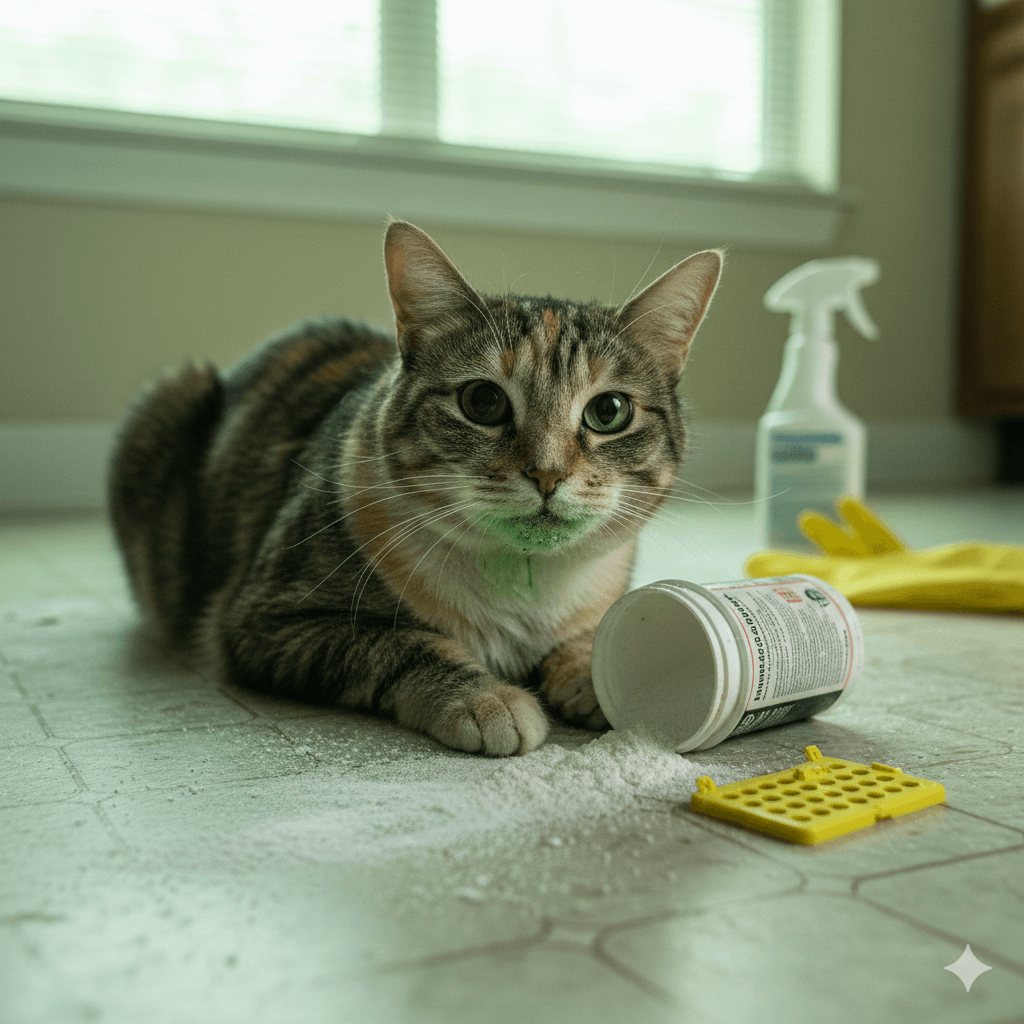
Insecticides are highly toxic to cats, and even a small amount ingested through licking can lead to serious health complications. Immediate action is crucial to minimize the effects of poisoning and prevent long-term damage. Understanding the signs of toxicity and knowing how to respond can save your cat’s life in this emergency situation.
Common Symptoms of Insecticide Poisoning in Cats
Cats that lick or come into contact with insecticides often exhibit a range of symptoms depending on the type and amount ingested. These signs can appear within minutes to hours and worsen rapidly if untreated. Recognizing these symptoms early allows you to act quickly and seek veterinary care before severe complications arise.
- Excessive Drooling:
Drooling is one of the first signs of oral irritation caused by toxic chemicals; your cat may also paw at their mouth due to discomfort. - Vomiting and Diarrhea:
Insecticides irritate the gastrointestinal tract, leading to vomiting or diarrhea, which may contain blood if the toxicity is severe. - Tremors or Seizures:
Neurological symptoms like muscle tremors, twitching, or full-blown seizures indicate that the toxin is affecting the nervous system. - Lethargy or Weakness:
Your cat may become unusually sleepy, unresponsive, or unable to stand as the poison affects their overall energy levels. - Difficulty Breathing:
Labored breathing, wheezing, or rapid panting signals respiratory distress, often caused by chemical irritation or paralysis of respiratory muscles.
If your cat shows any combination of these symptoms after licking insecticide, treat it as an emergency and contact your vet immediately.
Types of Insecticides That Are Toxic to Cats
Not all insecticides are created equal—some are more dangerous to cats than others. Understanding the types of insecticides commonly found in households helps you identify potential risks and respond appropriately.
- Organophosphates and Carbamates:
These chemicals disrupt nerve function, causing tremors, drooling, and difficulty breathing; they’re often found in flea treatments and garden sprays. - Pyrethroids:
Commonly used in dog flea products, pyrethroids are highly toxic to cats and cause excessive salivation, seizures, and muscle spasms. - Rodenticides (Rat Poison):
While not directly an insecticide, rodenticides are often stored near insecticides and pose similar risks, including internal bleeding and neurological issues. - Boric Acid and Borates:
Found in ant baits and household cleaners, these substances irritate the stomach and can lead to vomiting, diarrhea, and kidney damage. - Neonicotinoids:
Used in plant-based insecticides, neonicotinoids affect the nervous system and may cause lethargy, tremors, or loss of appetite in cats.
Knowing which insecticides are present in your home enables you to take preventive measures and act decisively if exposure occurs.
Check this guide 👉Can I Eat Something My Cat Licked? Best 7 Expert Tips!
Check this guide 👉Why Is My Cat Licking Everything? Best 7 Expert Tips!
Check this guide 👉Why Does My Cat Lick Me and Not My Husband? Best 7 Tips!
Early Warning Signs | Immediate Actions to Take |
|---|---|
Excessive drooling or foaming at the mouth | Rinse your cat’s mouth with lukewarm water |
Vomiting or diarrhea, possibly with blood | Call your veterinarian or a pet poison hotline |
Tremors, twitching, or seizures | Keep your cat calm and restrict movement |
Lethargy or inability to stand | Prepare for immediate transport to the vet |
Labored breathing or wheezing | Avoid inducing vomiting without professional advice |
Immediate First Aid Steps for Insecticide Exposure
If your cat licks insecticide, immediate action can make a significant difference in their prognosis. Follow these steps carefully while preparing to visit the vet.
- Do Not Induce Vomiting Without Advice:
Forcing your cat to vomit without professional guidance can worsen irritation or cause aspiration pneumonia. - Rinse Their Mouth Thoroughly:
Use lukewarm water to gently rinse your cat’s mouth, ensuring no residue remains on their tongue or gums. - Provide Fresh Water:
Encourage your cat to drink small amounts of water to dilute the toxin but avoid forcing them to consume large quantities. - Call a Pet Poison Helpline:
Experts can guide you through specific actions based on the type of insecticide and your cat’s weight or symptoms. - Keep Your Cat Calm and Restrict Movement:
Stress exacerbates symptoms; keep your cat in a quiet, confined space until you reach the vet.
Quick, informed decisions during this critical time can prevent further absorption of toxins and improve recovery chances.
How Insecticides Affect a Cat’s Body
Insecticides wreak havoc on a cat’s delicate system, targeting multiple organs and systems simultaneously. Understanding how these chemicals work sheds light on the severity of poisoning and the importance of prompt treatment.
- Nervous System Disruption:
Many insecticides block acetylcholinesterase, an enzyme essential for nerve function, leading to overstimulation and seizures. - Gastrointestinal Irritation:
The harsh chemicals irritate the stomach lining, causing vomiting, diarrhea, and dehydration if left untreated. - Liver and Kidney Damage:
Toxin metabolism strains these vital organs, potentially resulting in long-term dysfunction or failure. - Respiratory Compromise:
Chemical inhalation or ingestion can paralyze respiratory muscles, making breathing difficult or impossible without intervention. - Blood Coagulation Issues:
Some insecticides interfere with clotting mechanisms, increasing the risk of internal bleeding or hemorrhage.
The widespread effects of insecticides highlight the importance of keeping these substances far out of your cat’s reach.
Treatment Options for Insecticide Poisoning
Veterinarians use various methods to manage insecticide toxicity, focusing on stabilizing your cat and reversing the effects of the poison. Early intervention significantly improves outcomes and reduces the risk of permanent damage.
- Activated Charcoal Administration:
Charcoal binds to toxins in the stomach, preventing further absorption into the bloodstream and aiding detoxification. - IV Fluid Therapy:
Intravenous fluids support hydration, flush toxins from the body, and maintain organ function during recovery. - Anticonvulsant Medications:
Seizures caused by neurotoxicity are treated with medications like diazepam or phenobarbital to stabilize the nervous system. - Oxygen Therapy:
Supplemental oxygen alleviates respiratory distress and ensures adequate oxygen delivery to vital organs. - Hospitalization for Monitoring:
Severe cases require extended observation to address complications like liver damage, kidney failure, or secondary infections.
Modern veterinary care offers excellent recovery prospects when treatment begins promptly and follows through consistently.
Preventing Future Insecticide Exposure
Prevention is key to protecting your cat from accidental insecticide poisoning. Simple precautions ensure a safer environment and reduce risks significantly.
- Secure Storage Practices:
Store insecticides in locked cabinets or high shelves inaccessible to curious pets exploring their surroundings. - Use Pet-Safe Alternatives:
Opt for natural pest control methods like diatomaceous earth or essential oils approved for feline safety. - Restrict Access During Application:
Keep your cat away from treated areas until products dry completely; even residual chemicals can pose hazards. - Educate Family Members:
Ensure everyone in the household understands the dangers of insecticides and follows proper handling protocols. - Regularly Inspect Your Home:
Check for hidden sources of toxins, such as old containers, spills, or improperly discarded packaging.
Proactive measures safeguard your cat’s health and provide peace of mind knowing they’re protected from preventable emergencies.
Long-Term Effects of Insecticide Poisoning
While many cats recover fully with prompt treatment, some experience lingering effects that require ongoing management. Understanding these possibilities prepares you for potential challenges and ensures continued care for your feline companion.
- Chronic Neurological Issues:
Seizure disorders or tremors may persist in cases of severe neurotoxicity, necessitating lifelong medication adjustments. - Liver or Kidney Dysfunction:
Prolonged toxin exposure can impair these organs, requiring regular blood tests and dietary modifications to support recovery. - Behavioral Changes:
Cats may develop anxiety or fearfulness following traumatic poisoning episodes, impacting their quality of life. - Increased Veterinary Costs:
Frequent check-ups, medications, and specialized treatments add financial strain but are essential for maintaining health. - Heightened Sensitivity to Chemicals:
Survivors of insecticide poisoning may become more vulnerable to future exposures, demanding stricter preventive measures.
Early detection and consistent care mitigate long-term impacts, allowing your cat to thrive despite past challenges.
“Cats are very sensitive to pyrethrins and pyrethroids because they’re unable to metabolize (break down) these agents quickly and efficiently due to their peculiar liver metabolism. Life-threatening signs may be seen in cats with even a small exposure to products containing pyrethroids.” — Renee Schmid, DVM, DABT, DABVT
Frequently Asked Questions About Insecticide Poisoning in Cats
What should I do if my cat licks insecticide?
Rinse their mouth with water, keep them calm, and call your vet or a pet poison hotline immediately for guidance.
How long does it take for symptoms to appear?
Symptoms can appear within minutes to hours, depending on the type of insecticide and the amount ingested.
Is there an antidote for insecticide poisoning?
Some types of insecticides have specific antidotes (e.g., atropine for organophosphate toxicity), but treatment varies based on the chemical involved.
Can cats recover fully from insecticide poisoning?
With prompt veterinary care, many cats recover completely, though some may experience long-term effects like liver or neurological damage.
Are natural insecticides safe for cats?
Not necessarily—many “natural” products still contain ingredients that are toxic to cats, so always verify safety before use.
A Lifeline in Every Moment of Crisis
Discovering that your cat has licked insecticide is undoubtedly terrifying, but staying calm and informed makes all the difference. By recognizing symptoms early, acting swiftly, and working closely with your veterinarian, you give your feline companion the best chance at recovery. Prevention remains the cornerstone of safety—securing harmful chemicals, using pet-safe alternatives, and educating your household minimizes risks and ensures a safer environment for your beloved pet. Remember, your quick thinking and dedication are the ultimate safeguards against accidental poisoning—and the foundation of a lifetime of love and trust.

Is Rawhide Bad for Cats? Best 7 Expert Tips! – Discover the risks, safe alternatives, and expert advice to keep your feline friend healthy and happy.

Is Rawhide Bad for Dogs? Best 7 Expert Tips! – Discover the risks, benefits, and safer alternatives to rawhides for your dog’s chewing needs.

Understanding Anorexia in Cats: Best 7 Expert Tips! – Learn why cats stop eating, spot warning signs, and discover how to help your feline regain appetite safely.

Understanding Anorexia in Dogs: Best 7 Expert Tips! – Learn causes, symptoms, and solutions to help your dog regain appetite and stay healthy.