
What to Do If a Dog Attacks You: Best 7 Expert Tips!
Facing a dog attack can be terrifying—but staying calm and knowing the right steps may save your life. While most dogs are friendly, unpredictable aggression can happen due to fear, territorial behavior, or poor socialization. Understanding how to react in those critical seconds gives you the best chance of avoiding serious injury. These expert-backed strategies empower you to protect yourself without escalating the situation. You’re not helpless—knowledge is your first line of defense.
Immediate Actions to Take During a Dog Attack
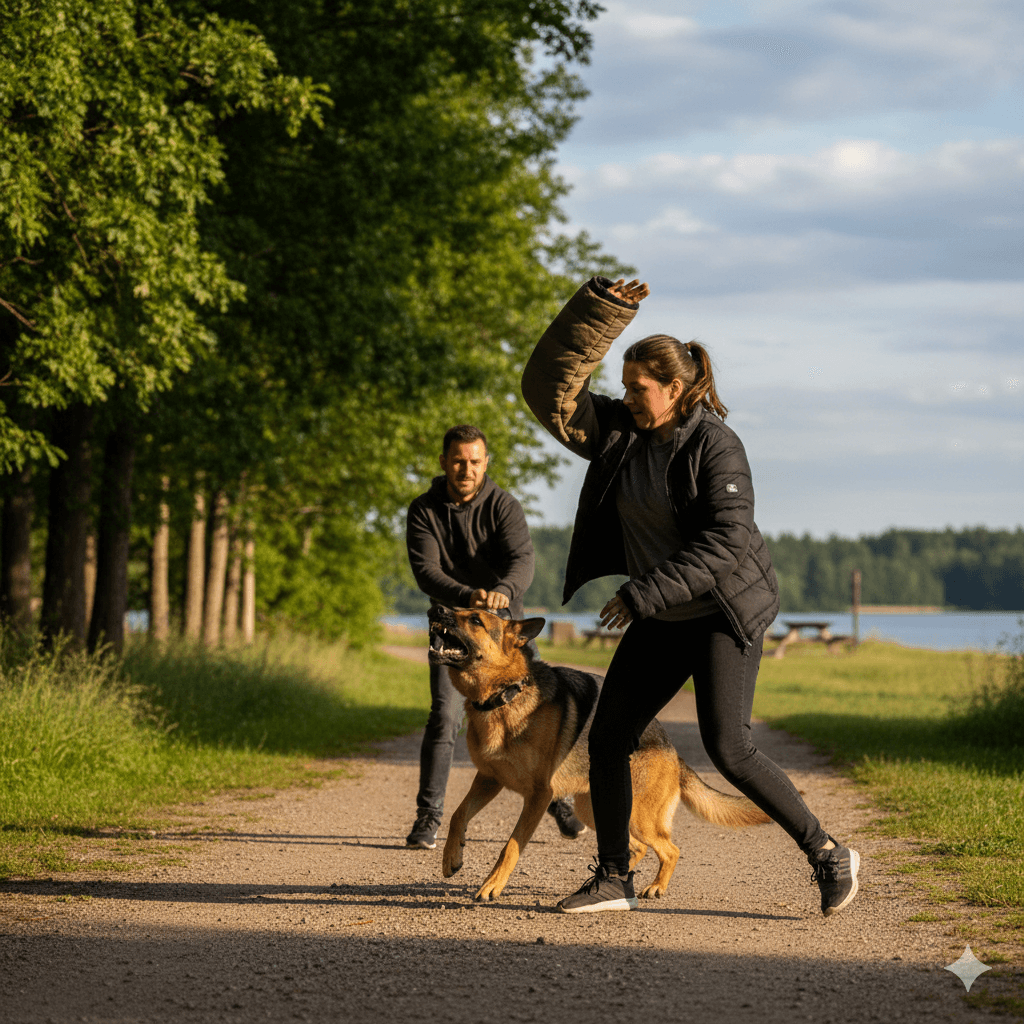
When a dog lunges or bites, your response in the first few seconds is crucial. Panic can worsen the situation, so focus on controlled, deliberate actions that prioritize safety and de-escalation. Follow these key steps to protect yourself:
- Stay Calm and Avoid Direct Eye Contact:
Screaming, running, or staring directly into the dog’s eyes can trigger predatory or defensive aggression—remain still and look slightly away. - Use a Barrier If Possible:
Place anything between you and the dog—backpack, purse, jacket, or bike—to absorb bites and create distance without direct contact. - Do Not Run or Turn Your Back:
Running may activate the dog’s chase instinct; instead, back away slowly while facing the dog, keeping your body sideways to appear less threatening. - Command Firmly, Don’t Plead:
Use strong, authoritative commands like “Back!” or “Stop!” in a deep, steady voice—avoid high-pitched or fearful tones. - Protect Vital Areas If Bitten:
If contact is unavoidable, shield your face, neck, and throat with your arms; curl into a ball if knocked down and cover your head.
Remaining composed and using these techniques can significantly reduce injury severity and create an opportunity to escape safely.
Warning Signs a Dog Might Attack
Most dog attacks aren’t truly “sudden”—they’re preceded by clear behavioral cues often missed by unaware individuals. Learning to read canine body language helps you avoid danger before it escalates. Watch for these red flags:
- Stiff, Forward-Pointing Body Posture:
A rigid stance with weight shifted forward signals high alertness and potential aggression, not playfulness. - Intense Staring or “Hard Eyes”:
Fixed, unblinking eye contact combined with narrowed pupils often precedes an attack, especially if the dog doesn’t blink. - Raised Hackles and Ears Forward:
Hair standing up along the back (piloerection) and ears pinned forward indicate arousal, fear, or territorial defense. - Low, Rapid Growling or Snarling:
Unlike playful barks, guttural, continuous growls are serious warnings—do not ignore or try to “comfort” the dog. - Lip Licking, Yawning, or Whale Eye:
These are subtle stress signals; if ignored, they may quickly escalate to snapping or lunging as the dog feels trapped.
Recognizing these signs early gives you time to create space and avoid triggering a defensive or predatory response.
Check this guide 👉Dog Attacked by Porcupine: Best 7 Health Tips!
Check this guide 👉Understanding Your Rights After a Dog Attack: Best 7 Tips!
Check this guide 👉Dog Traumatized by Attack: Best 7 Expert Tips!
De-escalation Do’s | Dangerous Don’ts |
|---|---|
Speak calmly and slowly | Yell, scream, or make sudden movements |
Back away without turning | Run or cycle away rapidly |
Offer non-food objects as distractions | Reach toward the dog or make direct eye contact |
Stand sideways to appear smaller | Face the dog head-on with chest out |
Call for help in a steady voice | Kick, punch, or hit the dog preemptively |
What to Do After a Dog Attack
Even minor bites require serious attention—both for physical safety and legal documentation. Your actions post-attack affect healing, infection risk, and potential liability. Follow these critical steps immediately after escaping:
- Seek Medical Help Right Away:
Dog bites can cause deep tissue damage and carry bacteria like Capnocytophaga—even small wounds need professional cleaning. - Report the Incident to Authorities:
Contact animal control or local police; reporting ensures the dog is evaluated for rabies and prevents future attacks. - Gather Witness Information:
Collect names and contact details from bystanders—they can support your account if legal issues arise. - Document Injuries and Scene:
Take clear photos of wounds, torn clothing, and the location; this evidence is vital for insurance or legal claims. - Avoid Contact with the Dog’s Owner Initially:
Emotions run high; let authorities mediate while you focus on medical care and your own well-being.
Prompt, thorough follow-up protects your health and ensures accountability—never assume a “one-time” bite means it’s over.
Preventing Dog Attacks During Walks or Encounters
Many attacks happen during everyday situations—jogging, walking, or even entering a yard. Proactive habits dramatically lower your risk of confrontation with unfamiliar or reactive dogs:
- Never Approach a Tethered or Confined Dog:
Dogs on chains or behind fences feel trapped and are more likely to bite to defend their perceived territory. - Ask Permission Before Petting Any Dog:
Even friendly-looking dogs may be in pain, scared, or poorly socialized—always let the owner initiate contact. - Avoid Direct Routes Past Guarding Dogs:
Cross the street or give wide berth to dogs barking from driveways or yards to avoid triggering territorial behavior. - Teach Children “Be a Tree” Around Loose Dogs:
Stand still, hands folded, eyes down—this neutral posture reduces excitement and predatory chase responses. - Carry a Deterrent (Legally and Responsibly):
Citronella sprays or air horns can interrupt aggression—practice safe use and check local regulations first.
Prevention isn’t about fear—it’s about respectful awareness that keeps both you and dogs safer in shared spaces.
Legal and Emotional Aftermath of a Dog Attack
Beyond physical wounds, dog attacks often leave psychological scars and complex legal implications. Knowing your rights and coping strategies supports full recovery on every level:
- Understand Your Legal Rights:
In most areas, dog owners are liable for injuries—even if the dog has never bitten before (“strict liability” laws). - Seek Counseling if Needed:
Post-attack anxiety, fear of dogs, or PTSD symptoms are common; professional support helps you regain confidence. - Preserve All Medical and Police Records:
Keep every bill, report, and note—these form the foundation of any insurance claim or legal action. - Know Breed-Specific Laws (If Applicable):
Some regions have restrictions on certain breeds; this may impact liability but doesn’t override owner responsibility. - Support Responsible Dog Ownership:
Advocate for proper training, socialization, and leash laws—community safety starts with prevention, not punishment.
Healing takes time, but with the right resources, you can move forward with resilience and renewed awareness.
Special Considerations for Children, Cyclists, and Delivery Workers
High-risk groups face unique challenges during dog encounters. Kids, cyclists, and service personnel are more vulnerable due to size, movement patterns, or job requirements—tailored strategies are essential:
- Children Under 12:
Teach them never to hug, kiss, or disturb dogs while eating or sleeping—most bites to kids occur during seemingly “friendly” interactions. - Joggers and Cyclists:
Sudden motion triggers chase instincts; if a dog approaches, stop moving, dismount your bike, and use it as a barrier. - Mail Carriers and Delivery Staff:
Use official protocols like waiting for owner control or using parcel drop boxes—never enter a yard with a loose dog. - Elderly or Mobility-Impaired Individuals:
Carry a personal alarm and avoid routes with known loose dogs; consider using a walking pole as a non-aggressive barrier. - Dog Walkers or Pet Sitters:
Always assess client dogs for reactivity beforehand and carry break-stick tools or spray only if professionally trained.
Awareness of these scenarios empowers high-risk individuals to stay safe while doing everyday tasks.
Essential Tools and Items to Carry for Dog Encounter Safety
Being prepared can make all the difference if you frequently walk, run, or work in areas with loose or unfamiliar dogs. Carrying a few simple, legal tools gives you peace of mind and practical options during tense encounters. Choose items that deter without causing lasting harm, and always know how to use them responsibly:
- Citronella Spray or Air Horn:
These non-lethal deterrents startle aggressive dogs without inflicting injury—ideal for creating a window to retreat safely. - Sturdy Walking Stick or Umbrella:
A firm barrier can block lunges and signal dominance without provoking further attack; extend an umbrella suddenly to disorient the dog. - High-Visibility Vest or Bag (for Workers):
Mail carriers and delivery staff benefit from gear that makes them appear larger and more official, reducing curiosity-based approaches. - Personal Safety Alarm:
Loud, piercing alarms not only scare off dogs but also alert nearby people that you need help—small and easy to attach to keys. - Phone with Emergency Contacts Ready:
Keep your phone accessible with quick-dial numbers for local animal control or a trusted contact in case of an incident.
Having the right tools on hand doesn’t mean you expect danger—it means you respect both your safety and the dog’s well-being enough to be ready.
“If you have a dog or small child with you, if you can avoid picking them up, that will just cause the dog to start jumping up at your face, you want to be very still, quiet and calm and put something between you and that dog, a car, a fence, space, anything that you can calmly do to get away from these attacking dogs and call for help if you can.”
— Lisa Tynan
Frequently Asked Questions About Dog Attacks
Can I kick a dog if it’s attacking me?
Only as an absolute last resort to escape—target the nose or ribs, but never continue once the dog disengages, as this could lead to legal consequences.
Should I play dead during a dog attack?
No—unlike with bears, playing dead often encourages continued biting; instead, protect your neck and try to create distance.
What if the dog is a service animal?
Even service dogs can become aggressive under stress—prioritize your safety first, then report the incident to authorities for evaluation.
Do dog whistles or ultrasonic devices work?
Evidence is mixed; they may startle some dogs but fail with others—rely on proven de-escalation over untested gadgets.
How long do I have to report a dog bite?
Report immediately—most jurisdictions require bites to be documented within 24 hours for rabies tracking and legal purposes.
Rebuilding Confidence and Community Safety After an Attack
A dog attack can shake your sense of security—but with knowledge, support, and proactive measures, you can reclaim your peace of mind. Remember, most dogs are not inherently dangerous; attacks usually stem from fear, poor training, or miscommunication. By responding with both caution and compassion, you contribute to a safer environment for humans and dogs alike. Use this experience to educate others, advocate for responsible ownership, and carry yourself with quiet confidence. You’ve survived a frightening moment—now, you’re equipped to prevent, handle, and heal from it with strength and wisdom.

Is Rawhide Bad for Cats? Best 7 Expert Tips! – Discover the risks, safe alternatives, and expert advice to keep your feline friend healthy and happy.

Is Rawhide Bad for Dogs? Best 7 Expert Tips! – Discover the risks, benefits, and safer alternatives to rawhides for your dog’s chewing needs.

Understanding Anorexia in Cats: Best 7 Expert Tips! – Learn why cats stop eating, spot warning signs, and discover how to help your feline regain appetite safely.

Understanding Anorexia in Dogs: Best 7 Expert Tips! – Learn causes, symptoms, and solutions to help your dog regain appetite and stay healthy.