
What Is Toxic to Cats: A Guide to Keeping Your Feline Safe
Cats are curious creatures, but their natural curiosity can sometimes lead them into danger. Many common household items, plants, and foods that seem harmless can be highly toxic to cats. Understanding what substances pose a risk is the first step in creating a safe environment for your feline companion.
Common Household Items Toxic to Cats
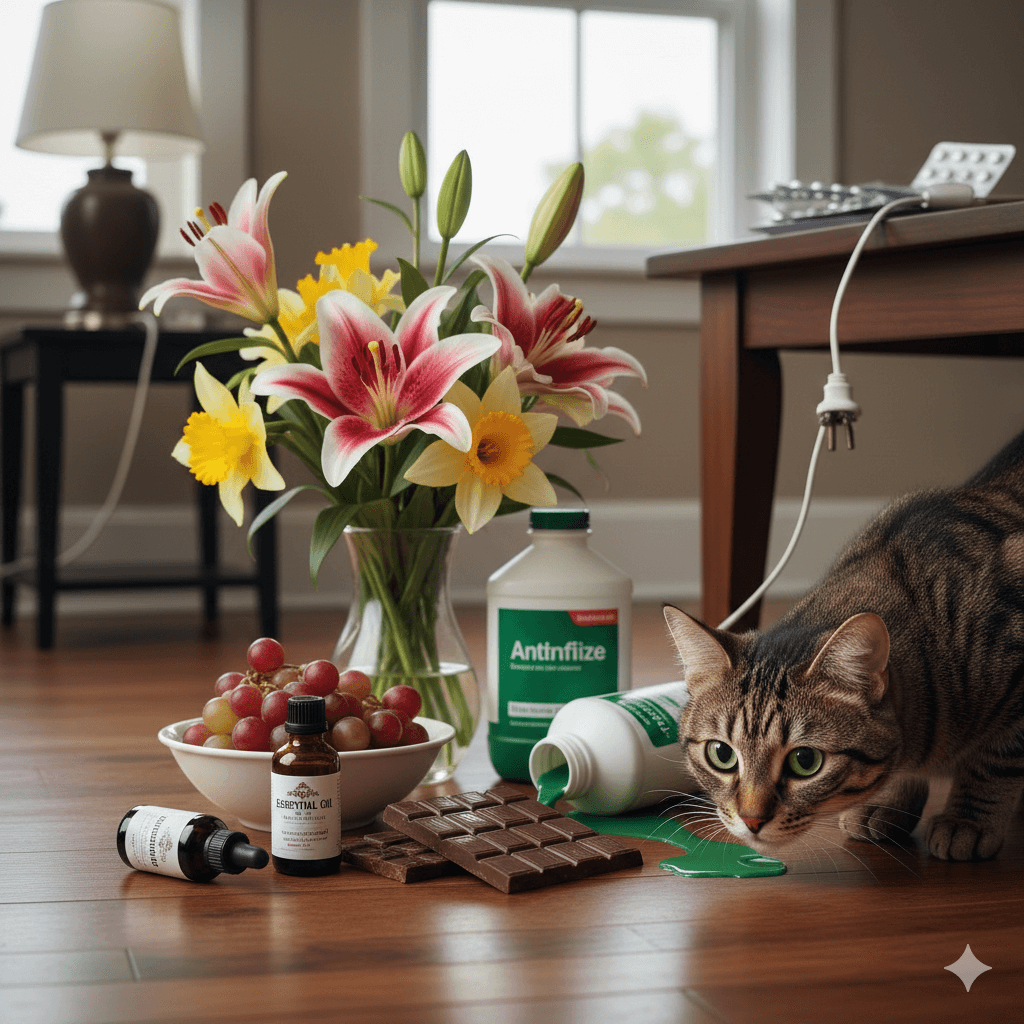
Many everyday household items can pose significant risks to cats if ingested or inhaled. Cats are naturally curious and may investigate small objects, cleaning products, or medications left within reach. These substances can cause a range of symptoms, from mild irritation to life-threatening conditions. Being aware of these hazards helps you create a safer home environment for your feline friend.
- Cleaning Products:
Household cleaners like bleach, ammonia, and disinfectants can irritate your cat’s skin, eyes, and respiratory system. Ingestion or prolonged exposure may lead to chemical burns or poisoning. - Essential Oils:
Oils such as tea tree, eucalyptus, and cinnamon are highly toxic to cats. Inhalation or topical application can cause liver damage, seizures, or respiratory distress. - Medications:
Common human medications like ibuprofen, acetaminophen, and antidepressants are extremely dangerous for cats. Even small doses can lead to kidney failure, ulcers, or death. - Plastic Bags and Small Objects:
Cats may chew on plastic bags or swallow small items like rubber bands, leading to choking hazards or intestinal blockages that require surgery. - Antifreeze and Chemical Solvents:
Antifreeze contains ethylene glycol, which is sweet-tasting but deadly to cats. Ingesting even a small amount can cause kidney failure within hours.
By identifying and securing these household hazards, you significantly reduce the risk of accidental poisoning or injury to your cat.
Toxic Foods That Can Harm Your Cat
While cats are obligate carnivores, they sometimes nibble on human foods out of curiosity. Unfortunately, many common foods are toxic to cats and can cause severe health issues. Knowing which foods to avoid ensures your cat stays safe during meal prep or snack time.
- Onions, Garlic, and Chives:
These vegetables damage red blood cells, leading to anemia. Even small amounts in cooked dishes can accumulate over time and harm your cat. - Chocolate and Caffeine:
Theobromine and caffeine stimulate the nervous system and heart, causing vomiting, seizures, or even death in severe cases. Dark chocolate is particularly dangerous. - Alcohol and Yeast Dough:
Alcohol depresses the central nervous system, while raw yeast dough expands in the stomach, causing bloating and potential rupture. Both are life-threatening. - Grapes and Raisins:
Though more commonly associated with dogs, grapes and raisins can also harm cats by causing kidney failure or gastrointestinal upset. - Milk and Dairy Products:
Contrary to popular belief, most adult cats are lactose intolerant. Consuming milk or cheese often leads to diarrhea and digestive discomfort.
Avoiding these foods entirely eliminates unnecessary risks and keeps your cat’s diet species-appropriate and healthy.
Check this guide 👉Permethrin Cat Toxicity: Best 7 Expert Tips!
Check this guide 👉Non-Toxic Cat Toys: Best 7 Expert Tips!
Check this guide 👉Is Aspirin Toxic to Cats: Best 7 Expert Tips!
| Common Toxins | Symptoms to Watch For |
|---|---|
| Lilies (all parts) | Vomiting, lethargy, kidney failure |
| Chocolate | Hyperactivity, seizures, rapid breathing |
| Antifreeze | Drunken behavior, vomiting, seizures |
| Onions/Garlic | Weakness, red urine, vomiting |
| Essential Oils | Drooling, tremors, respiratory distress |
Toxic Plants That Pose Risks to Cats
Indoor plants add beauty to our homes, but many popular varieties are toxic to cats. Cats may chew on leaves or stems out of curiosity, leading to serious health consequences. Identifying and removing hazardous plants protects your feline companion from harm.
- Lilies (All Varieties):
Lilies are among the most dangerous plants for cats. Ingesting even a small piece of leaf or pollen can cause acute kidney failure and death without immediate treatment. - Pothos and Philodendron:
These common houseplants contain insoluble calcium oxalates, which irritate the mouth, throat, and digestive tract, causing drooling, vomiting, and difficulty swallowing. - Aloe Vera:
Despite its medicinal uses for humans, aloe vera contains saponins that can cause vomiting, diarrhea, and tremors in cats. - Sago Palm:
Every part of this plant is toxic, especially the seeds. Ingestion leads to liver failure, vomiting, and seizures, often requiring intensive veterinary care. - Dieffenbachia (Dumb Cane):
This plant causes intense oral irritation, swelling, and difficulty breathing if chewed, making it a significant hazard for curious cats.
Replacing toxic plants with pet-safe alternatives ensures your home remains beautiful and safe for your feline family member.
Signs of Toxicity in Cats
Recognizing the signs of toxicity early allows you to seek prompt veterinary care, potentially saving your cat’s life. Symptoms vary depending on the substance ingested but often include noticeable behavioral or physical changes.
- Vomiting and Diarrhea:
Gastrointestinal upset is one of the first signs of poisoning, often accompanied by lethargy or loss of appetite. - Excessive Drooling or Foaming at the Mouth:
Irritation of the mouth or throat from toxic plants or chemicals may cause excessive salivation or foaming. - Difficulty Breathing or Coughing:
Inhalation of fumes or ingestion of certain toxins can affect the respiratory system, leading to labored breathing or coughing fits. - Seizures or Tremors:
Neurological symptoms indicate severe poisoning, often caused by exposure to medications, essential oils, or insecticides. - Jaundice or Pale Gums:
Liver or kidney damage from toxins like lilies or antifreeze results in yellowing of the skin or gums, signaling advanced stages of toxicity.
Acting quickly when you notice these signs improves your cat’s chances of recovery and minimizes long-term effects.
How to Prevent Poisoning in Cats
Prevention is the best way to protect your cat from toxic substances. Simple precautions and proactive measures significantly reduce the risk of accidental exposure.
- Secure Hazardous Substances:
Store medications, cleaning supplies, and chemicals in locked cabinets or high shelves inaccessible to curious cats. - Use Pet-Safe Cleaning Products:
Opt for non-toxic, enzyme-based cleaners that won’t harm your cat if they accidentally come into contact with treated surfaces. - Educate Family Members:
Ensure everyone in the household knows which foods, plants, and substances are unsafe for cats to prevent accidental sharing or spills. - Supervise Outdoor Time:
If your cat goes outside, monitor their activities to prevent access to toxic plants, standing water, or rodent bait stations. - Create a Cat-Friendly Garden:
Plant pet-safe varieties like spider plants, Boston ferns, or catnip to provide enrichment without risking exposure to harmful flora.
Taking these steps fosters a safer environment where your cat can thrive without unnecessary risks.
Immediate Actions If Your Cat Is Exposed to Toxins
Quick response is critical if you suspect your cat has been exposed to a toxic substance. Acting calmly and decisively minimizes harm and ensures timely treatment.
- Identify the Toxin:
Determine what your cat ingested, inhaled, or touched. Collect packaging, plant samples, or residue for veterinary analysis. - Call a Pet Poison Helpline:
Experts provide immediate advice based on the toxin type and quantity involved, guiding you through first aid steps until professional help arrives. - Do Not Induce Vomiting Without Advice:
Forcing vomiting can worsen irritation or aspiration risks unless explicitly instructed by a veterinarian. - Rinse Off Topical Exposure:
If your cat comes into contact with a toxic substance on their fur or skin, rinse them thoroughly with lukewarm water to remove residue. - Transport to the Vet Safely:
Keep your cat calm and secure during transport, bringing any relevant information about the toxin for accurate diagnosis and treatment.
Swift action and clear communication with professionals save lives and reduce complications.
Long-Term Effects of Toxic Exposure in Cats
Some toxins leave lasting impacts on a cat’s health, requiring ongoing management and monitoring. Understanding these potential outcomes prepares you for long-term care needs.
- Chronic Kidney Disease:
Toxins like lilies or antifreeze can permanently damage kidney function, necessitating dietary adjustments and regular vet check-ups. - Liver Damage:
Substances like sago palm or certain medications impair liver function, increasing vulnerability to future health issues. - Respiratory Complications:
Inhaled toxins or chemical fumes may cause chronic breathing difficulties, requiring oxygen therapy or medication. - Neurological Disorders:
Severe poisoning from pesticides or heavy metals can result in permanent neurological deficits, such as tremors or seizures. - Behavioral Changes:
Cats recovering from traumatic experiences may exhibit anxiety, fear, or altered habits, requiring patience and reassurance from owners.
Early detection and consistent care mitigate long-term impacts, allowing your cat to live comfortably despite past challenges.
“Both true lilies (Lilium species) and daylilies (Hemerocallis species) can cause kidney failure in cats. Small ingestions of the petals or leaves – even the pollen or water in the vase – can result in severe, potentially irreversible kidney failure.” — Renee Schmid, DVM, DABT, DABVT
Frequently Asked Questions About What Is Toxic to Cats
What should I do if my cat eats something toxic?
Contact your veterinarian or a pet poison helpline immediately. Provide details about the substance and follow their guidance closely.
How long does it take for symptoms of poisoning to appear?
Symptoms can appear within minutes to hours, depending on the toxin. Some substances, like lilies, cause delayed reactions up to 24–72 hours later.
Are all plants toxic to cats?
No, not all plants are toxic, but many common varieties, such as lilies, pothos, and philodendrons, pose significant risks. Always verify before bringing new plants home.
Can essential oils harm my cat?
No, not all plants are toxic, but many common varieties, such as lilies, pothos, and philodendrons, pose significant risks. Always verify before bringing new plants home.
Is milk really bad for cats?
Yes, most adult cats are lactose intolerant. Consuming milk or dairy products often leads to digestive upset, including vomiting and diarrhea.
Protecting Your Cat from Toxins: A Lifeline for Every Feline
Understanding what is toxic to cats empowers you to create a safer, healthier environment for your beloved feline companion. By identifying hazards, preventing exposure, and acting swiftly in emergencies, you ensure your cat’s well-being for years to come. Remember, curiosity is part of what makes cats so endearing—but it’s our responsibility to protect them from hidden dangers. With vigilance and love, you can provide a lifetime of happiness and security for your furry friend.

Is Rawhide Bad for Cats? Best 7 Expert Tips! – Discover the risks, safe alternatives, and expert advice to keep your feline friend healthy and happy.

Is Rawhide Bad for Dogs? Best 7 Expert Tips! – Discover the risks, benefits, and safer alternatives to rawhides for your dog’s chewing needs.

Understanding Anorexia in Cats: Best 7 Expert Tips! – Learn why cats stop eating, spot warning signs, and discover how to help your feline regain appetite safely.

Understanding Anorexia in Dogs: Best 7 Expert Tips! – Learn causes, symptoms, and solutions to help your dog regain appetite and stay healthy.