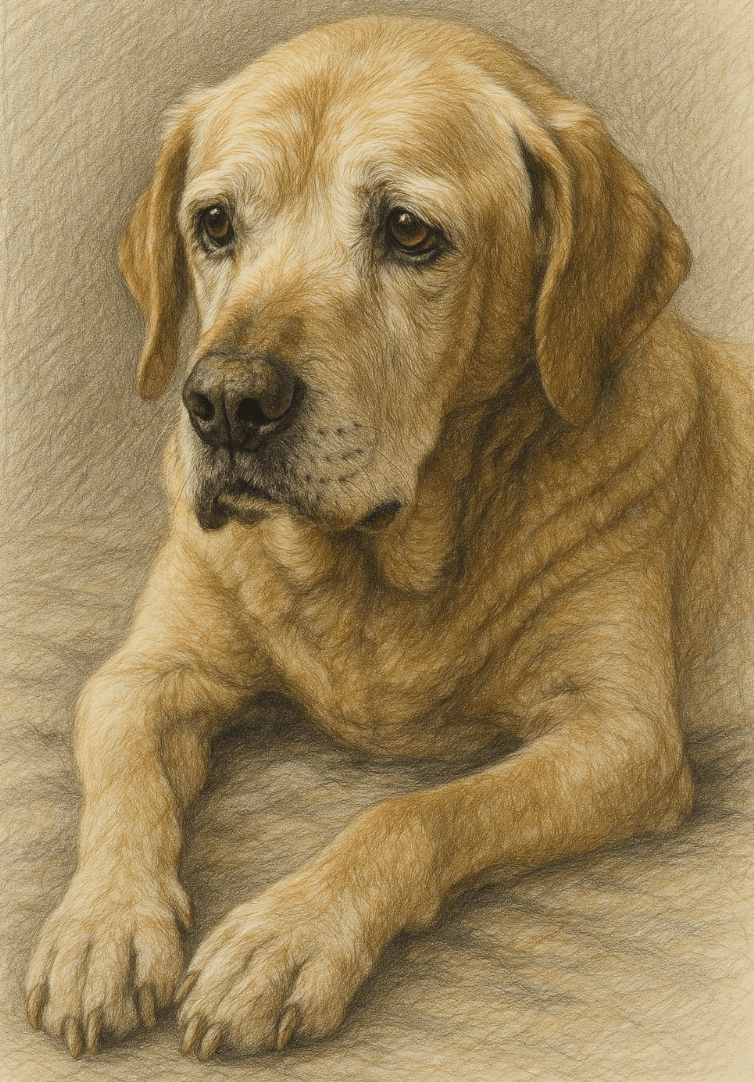

What Is Old Dog Syndrome? Best 7 Expert Tips!

What Is Old Dog Syndrome? Best 7 Expert Tips!

What Is Old Dog Syndrome?


As our beloved canine companions age, they often experience changes in their behavior, mobility, and overall health. One term that frequently arises when discussing senior dogs is “Old Dog Syndrome.” While not a medical diagnosis in itself, this phrase encompasses a range of age-related conditions and symptoms that affect older dogs. From cognitive decline to physical ailments, understanding Old Dog Syndrome is crucial for pet owners who want to provide the best care for their aging furry friends. In this blog post, we’ll explore the signs, causes, and management strategies for Old Dog Syndrome, helping you ensure your dog’s golden years are as comfortable and joyful as possible.

Signs and Symptoms of Old Dog Syndrome


Old Dog Syndrome manifests in various ways, affecting both the physical and mental well-being of senior dogs. Recognizing these signs early can help you address potential issues promptly.

 
  • Decreased Mobility:
    Older dogs may struggle to stand up, climb stairs, or go for long walks due to joint pain or arthritis.

  • Cognitive Decline:
    Confusion, disorientation, or forgetfulness can indicate canine cognitive dysfunction, similar to dementia in humans.

  • Changes in Appetite:
    A loss of interest in food or difficulty eating may signal dental problems, digestive issues, or other health concerns.

  • Increased Sleep Patterns:
    Senior dogs often sleep more than usual, sometimes appearing lethargic or less engaged during waking hours.

  • Behavioral Changes:
    Irritability, anxiety, or withdrawal from social interactions can be signs of discomfort or cognitive challenges.


Understanding these symptoms allows you to take proactive steps in managing your dog’s health and improving their quality of life.

Common Causes of Old Dog Syndrome


Several factors contribute to the development of Old Dog Syndrome, ranging from natural aging processes to underlying medical conditions. Identifying the root causes can guide treatment and care decisions.

 
  • Arthritis and Joint Degeneration:
    Wear and tear on joints over time lead to stiffness, pain, and reduced mobility in senior dogs.

  • Canine Cognitive Dysfunction (CCD):
    Similar to Alzheimer’s in humans, CCD affects memory, learning, and awareness in aging dogs.

  • Dental Disease:
    Poor oral health can cause pain, infections, and difficulty eating, significantly impacting a dog’s well-being.

  • Organ Decline:
    Aging organs, such as the kidneys or liver, may function less efficiently, leading to systemic health issues.

  • Sensory Loss:
    Vision and hearing impairments are common in older dogs, contributing to confusion and behavioral changes.


By addressing these underlying causes, you can tailor your care approach to meet your dog’s specific needs.

What Is Old Dog Syndrome? Best 7 Expert Tips!
Physical Symptoms of Old Dog Syndrome
Behavioral Symptoms of Old Dog Syndrome
Stiffness or limping due to arthritis
Increased anxiety or irritability
Difficulty standing or walking
Disorientation or wandering aimlessly
Loss of appetite or weight loss
Reduced interest in play or socialization
Frequent urination or incontinence
Restlessness or pacing at night
Visible dental issues like tartar buildup
Forgetting commands or routines

Managing Old Dog Syndrome Effectively


While Old Dog Syndrome cannot be reversed, there are many ways to manage its effects and improve your dog’s quality of life. These strategies focus on comfort, health, and emotional well-being.

 
  • Provide Joint Support:
    Supplements like glucosamine and chondroitin can help alleviate arthritis symptoms and improve mobility.

  • Maintain a Balanced Diet:
    High-quality, nutrient-rich food supports overall health and addresses specific dietary needs of senior dogs.

  • Schedule Regular Vet Checkups:
    Routine examinations allow early detection and treatment of age-related conditions.

  • Create a Comfortable Environment:
    Soft bedding, non-slip flooring, and easy access to essentials reduce stress and prevent accidents.

  • Engage in Mental Stimulation:
    Puzzle toys, short training sessions, and interactive play keep your dog’s mind sharp and engaged.


With these measures, you can help your aging dog live comfortably and happily during their later years.

Preventing or Delaying Old Dog Syndrome


While aging is inevitable, certain practices can slow the progression of Old Dog Syndrome and promote longevity. Prevention starts with proactive care throughout your dog’s life.

 
  • Encourage Regular Exercise:
    Moderate physical activity maintains muscle strength, joint flexibility, and cardiovascular health.

  • Prioritize Dental Hygiene:
    Brushing your dog’s teeth and providing dental chews prevents periodontal disease and related complications.

  • Feed an Age-Appropriate Diet:
    Switching to senior-specific formulas ensures proper nutrition tailored to your dog’s changing needs.

  • Monitor Weight Carefully:
    Obesity exacerbates joint problems and other age-related conditions, so maintaining a healthy weight is essential.

  • Foster Mental Health:
    Engaging your dog in stimulating activities reduces stress and delays cognitive decline.


By implementing these preventive measures, you can extend your dog’s vitality and delay the onset of Old Dog Syndrome.

Daily Care Tips for Senior Dogs


Caring for a senior dog requires adjustments to your daily routine. These tips will help you provide the best possible care for your aging pup.

 
  • Establish a Consistent Schedule:
    Predictable routines reduce stress and help dogs with cognitive decline feel secure.

  • Monitor Water Intake:
    Ensure your dog stays hydrated, especially if they’re taking medications or experiencing kidney issues.

  • Groom Regularly:
    Gentle brushing keeps their coat healthy and provides an opportunity to check for lumps or skin issues.

  • Offer Gentle Exercise:
    Short, low-impact walks or light play sessions maintain fitness without straining aging joints.

  • Use Calming Techniques:
    Products like pheromone diffusers or calming music can soothe anxious or restless senior dogs.


Incorporating these practices into your daily routine enhances your dog’s comfort and well-being.

Nutritional Needs of Aging Dogs


Aging dogs require a diet tailored to their changing metabolism and health conditions. Here’s how to meet their nutritional needs effectively.

 
  • Increase Protein Intake:
    High-quality protein supports muscle maintenance and overall energy levels.

  • Add Omega-3 Fatty Acids:
    These reduce inflammation and support joint and brain health.

  • Limit Sodium Content:
    Low-sodium diets are essential for dogs with heart or kidney issues.

  • Include Fiber-Rich Foods:
    Fiber aids digestion and helps manage weight by promoting satiety.

  • Avoid Harmful Ingredients:
    Steer clear of artificial additives, fillers, and excessive fats that strain aging organs.


Proper nutrition plays a vital role in managing Old Dog Syndrome and enhancing longevity.


Recognizing When It’s Time to Say Goodbye


One of the hardest aspects of caring for a senior dog is knowing when to let go. These signs can guide you through this difficult decision.

 
  • Unmanageable Pain:
    If medications and treatments no longer alleviate your dog’s suffering, it may be time to consider euthanasia.

  • Severe Mobility Issues:
    Inability to stand, walk, or perform basic functions indicates a diminished quality of life.

  • Loss of Interest in Life:
    Withdrawal from family, refusal to eat, or lack of joy in favorite activities suggests deep unhappiness.

  • Frequent Medical Emergencies:
    Repeated hospitalizations or invasive procedures can prolong suffering unnecessarily.

  • Your Veterinarian’s Guidance:
    Trust your vet’s expertise and advice when evaluating your dog’s condition and prognosis.


Making this decision is never easy, but prioritizing your dog’s comfort and dignity ensures a loving farewell.

Frequently Asked Questions About Old Dog Syndrome

 
At what age does Old Dog Syndrome typically start?

Symptoms usually appear in dogs aged 7 years or older, but the exact timing depends on breed and size.

Not exactly—while cognitive decline is a component, Old Dog Syndrome includes physical and behavioral symptoms too.

Yes, medications for pain relief, joint support, and cognitive enhancement can improve symptoms significantly.

Use rugs to prevent slipping, elevate food bowls, and minimize obstacles to ensure easy navigation.

Larger breeds tend to experience joint issues earlier, while smaller breeds may face dental problems sooner.

Embracing the Golden Years with Love and Care


Old Dog Syndrome is an inevitable part of the aging process, but it doesn’t have to define your dog’s later years. By recognizing the signs, addressing underlying causes, and implementing supportive care strategies, you can ensure your senior dog remains happy, comfortable, and cherished. Remember, every wag of the tail and gentle nuzzle is a testament to the bond you share. With patience, compassion, and dedication, you can give your aging companion the gift of a peaceful and joyful retirement.

Understanding Cryptosporidium in Cats: Best 7 Expert Tips!

Understanding Cryptosporidium in Cats: Best 7 Expert Tips! – Spot symptoms, treat safely, and stop parasite spread in your home.

Understanding Cryptosporidium in Dogs: Best 7 Expert Tips!

Understanding Cryptosporidium in Dogs: Best 7 Expert Tips! – Learn symptoms, treatment & prevention for this stubborn gut parasite.

Understanding Syringomyelia in Cats: Best 7 Expert Tips!

Understanding Syringomyelia in Cats: Best 7 Expert Tips! – Recognize signs, manage pain, and support your cat’s neurological health with vet-backed guidance.

Understanding Syringomyelia in Dogs: Best 7 Expert Tips!

Understanding Syringomyelia in Dogs: Best 7 Expert Tips! – Expert insights on symptoms, MRI diagnosis, pain management & quality of life.

Leave a Reply

Your email address will not be published. Required fields are marked *