
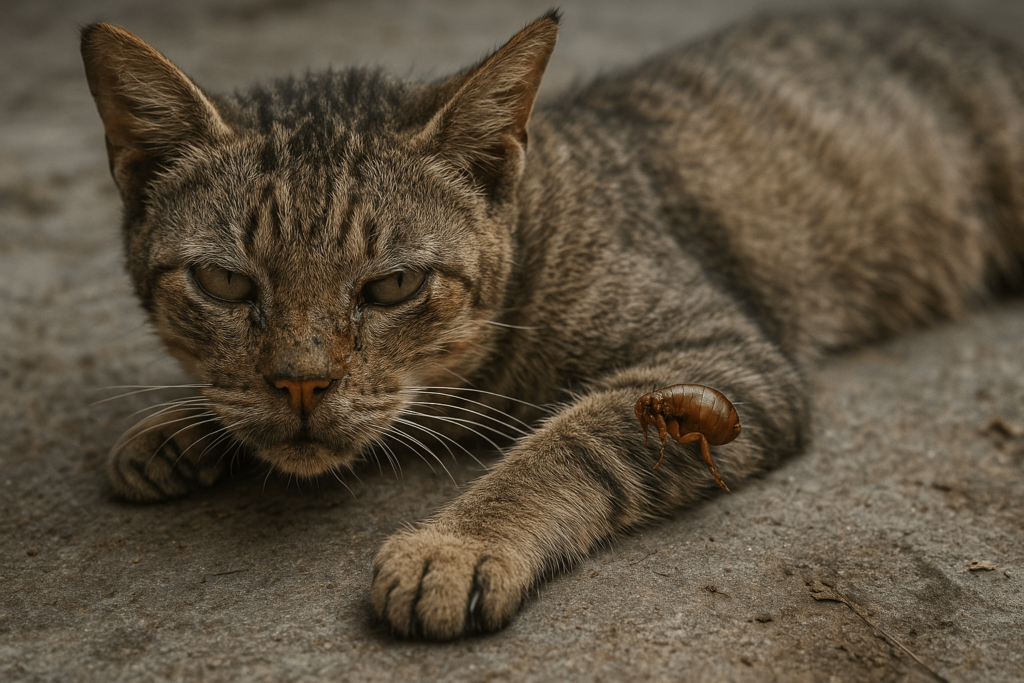

What Is Cat Flea Typhus? Understanding This Hidden Threat
Cat flea typhus—also known as murine typhus or endemic typhus—is a bacterial infection caused by Rickettsia typhi, primarily transmitted through infected fleas that feed on rats, cats, and other small mammals. Though often overlooked, this disease poses a real risk to both pets and people, especially in warm, urban environments. While cats themselves rarely show severe symptoms, they can carry infected fleas into your home, unknowingly becoming a bridge for human exposure. Recognizing the signs, understanding transmission, and taking preventive action are key to keeping your feline friend—and your family—safe.
How Cat Flea Typhus Spreads: The Role of Fleas and Hosts
Cat flea typhus isn’t passed directly from cat to human. Instead, it relies on a complex cycle involving fleas, rodents, and sometimes cats as incidental hosts. The primary vector is the oriental rat flea (Xenopsylla cheopis), but the common cat flea (Ctenocephalides felis) can also carry and transmit the bacteria under certain conditions.
Infected Flea Feces:
The bacteria are shed in flea feces. When a person scratches a flea bite, they can accidentally rub infected feces into the wound.Rodent Reservoirs:
Rats and other wild rodents are the main reservoirs. Fleas become infected when feeding on these animals, then jump to cats or humans.Indoor Exposure Risk:
Even indoor-only cats can bring infected fleas inside if rodents nest near vents, garages, or attics.Geographic Hotspots:
Cat flea typhus is more common in southern U.S. states like Texas, California, and Hawaii, especially during warmer months.Environmental Factors:
Overgrown yards, unsecured trash, and dense urban housing increase rodent and flea populations—and disease risk.
Understanding this transmission chain is the first step toward breaking it. Prevention begins long before symptoms appear.
Signs and Symptoms in Cats: What to Watch For
Cats infected with Rickettsia typhi often show mild or no symptoms at all, which makes detection challenging. However, subtle signs may indicate an underlying issue—especially if flea infestation is present.
Lethargy or Reduced Activity:
Your cat may seem unusually tired or reluctant to play.Mild Fever:
A slight elevation in body temperature (often unnoticed without a thermometer).Decreased Appetite:
Temporary disinterest in food, especially during peak flea season.Enlarged Lymph Nodes:
Swelling near the neck or limbs may occur in some cases.Flea Evidence:
Visible fleas, flea dirt (black specks), or excessive scratching are strong indirect indicators.
While cats rarely become seriously ill from flea typhus, their silent role in the transmission cycle makes vigilance essential. If you see fleas, assume potential exposure—and act quickly.
Check this guide 👉Cat Flea vs Human Flea: Best 7 Expert Tips!
Check this guide 👉Symptoms of Flea Treatment Poisoning in Cats: Best 7 Tips!
Check this guide 👉How Often Can You Flea Treat a Cat? Best 7 Expert Tips!
| Risk Factors for Cat Flea Typhus | Preventive Measures |
|---|---|
| High flea infestation in pets | Use vet-approved monthly flea preventives |
| Proximity to rodent activity | Seal entry points and secure trash bins |
| Living in endemic regions | Stay informed about local outbreaks |
| Outdoor or free-roaming cats | Keep cats indoors or supervise outdoor time |
| Warm, humid climate | Maintain yard hygiene and reduce debris |
Human Symptoms: When Cat Fleas Pose a Public Health Risk
Though cats rarely suffer severely, humans are more susceptible to clinical illness from cat flea typhus. Symptoms typically appear 6–14 days after exposure and can mimic other illnesses—leading to misdiagnosis if flea exposure isn’t reported.
High Fever and Chills:
Often the first sign, lasting several days.Severe Headache:
Usually frontal or behind the eyes, and resistant to over-the-counter painkillers.Rash:
A faint, spotted rash may appear on the torso, spreading to arms and legs (not always present).Muscle and Joint Pain:
Generalized aches, similar to flu-like symptoms.Nausea or Confusion (in severe cases):
Rare, but possible in elderly or immunocompromised individuals.
Prompt medical attention and mentioning potential flea exposure can lead to accurate diagnosis and effective treatment with antibiotics like doxycycline.
Diagnosing and Treating Flea Typhus in Cats
Diagnosis in cats is rarely pursued because clinical signs are minimal. However, if your veterinarian suspects rickettsial infection—especially in high-risk areas—they may run specific blood tests.
Serology Testing:
Detects antibodies against Rickettsia typhi, though cross-reactivity with other rickettsial diseases can occur.PCR Testing:
More accurate; identifies bacterial DNA in blood or tissue samples.Empirical Treatment:
If typhus is suspected, vets often prescribe doxycycline as a precaution—even without confirmation.Supportive Care:
Fluids, rest, and flea control are usually sufficient for recovery.No Vaccine Available:
Prevention through flea control remains the only reliable defense.
Early intervention ensures a swift recovery and reduces the chance of your cat becoming a vector in the transmission cycle.
Flea Prevention: Your Best Defense Against Typhus
The single most effective way to prevent cat flea typhus is consistent, year-round flea control. Fleas are active even in winter indoors, so seasonal gaps in treatment increase risk.
Topical or Oral Preventives:
Use veterinarian-recommended products like selamectin, fluralaner, or spinosad—never over-the-counter sprays or dog products.Environmental Treatment:
Vacuum frequently, wash pet bedding weekly, and use flea sprays or foggers only if infestation is confirmed.Yard Maintenance:
Keep grass short, remove leaf litter, and discourage stray animals or rodents.Multi-Pet Households:
Treat all pets—dogs, rabbits, etc.—since fleas move freely between animals.Regular Vet Checkups:
Annual exams include parasite screening and updated prevention plans.
Consistency is key. One missed dose can open the door to infestation—and potential disease.
When to Call the Vet: Red Flags for Typhus Exposure
While many flea-related issues are benign, certain signs warrant immediate veterinary attention—especially if you live in a typhus-endemic area.
Persistent Lethargy:
If your cat remains listless for more than 48 hours.Neurological Changes:
Seizures, disorientation, or difficulty walking are rare but serious.High Fever Unresponsive to Care:
Rectal temperature above 103.5°F (39.7°C) needs evaluation.Known Rat or Opossum Activity Nearby:
Wildlife increases exposure risk—even without visible fleas.Human Illness in Household:
If someone develops typhus-like symptoms, inform both your doctor and vet.
Proactive communication between healthcare providers can help trace the source and protect everyone involved.
Environmental Control: Reducing Flea and Rodent Risk Around Your Home
Even the best flea prevention can be undermined if your home environment is attractive to fleas or their rodent hosts. Taking proactive steps outdoors and indoors significantly lowers the chance of Rickettsia typhi exposure.
Seal Entry Points:
Inspect your home for cracks, gaps around pipes, or broken screens that rodents could use to enter.Manage Trash Securely:
Use sealed bins and avoid leaving pet food outdoors overnight, which can attract rats and opossums.Reduce Outdoor Clutter:
Piles of wood, leaves, or unused containers create ideal nesting sites for rodents—and their fleas.Treat Yard Areas:
In high-risk zones, consider outdoor flea and tick yard sprays (pet-safe formulations) near patios or under decks.Limit Wildlife Access:
Install motion-activated lights or deterrents to discourage stray animals from lingering near your home.
A clean, controlled environment is your silent ally in preventing cat flea typhus—because stopping disease starts long before it reaches your cat’s fur.
Frequently Asked Questions About Cat Flea Typhus
Can my cat give me typhus directly?
No. Transmission requires infected flea feces entering a bite wound or mucous membrane—your cat is a carrier of the vector, not the disease itself.
Are indoor cats at risk?
Yes, especially if rodents access your home. Fleas can hitchhike on clothing, shoes, or other pets.
How long does flea typhus last in humans?
With proper antibiotic treatment, symptoms improve within 48 hours. Full recovery takes 1–2 weeks.
Is cat flea typhus the same as cat scratch fever?
No. Cat scratch fever is caused by Bartonella henselae and spread through scratches or bites—not fleas.
Can typhus be fatal?
Rarely. With timely treatment, mortality is extremely low. Untreated cases can lead to complications like pneumonia or encephalitis.
Protect Your Home, Your Cat, and Your Family
Cat flea typhus is a silent but manageable threat. While your feline companion may never show signs of illness, their role in the flea lifecycle makes them a potential link in a chain that can reach your family. By committing to rigorous flea prevention, monitoring your environment, and staying informed, you break that chain before it tightens. Remember: a flea-free cat isn’t just a comfortable pet—it’s a cornerstone of a healthier, safer home for everyone.
Dog Tapeworm Life Cycle: Best 7 Expert Tips! – Learn how tapeworms infect dogs, spot symptoms, and break the cycle with expert prevention strategies.
Anxious Cat Body Language: Best 7 Expert Tips! – Learn to spot signs of stress, understand triggers, and help your cat feel safe and relaxed.
Anxious Dog Body Language: Best 7 Expert Tips! – Learn to spot signs of anxiety, respond effectively, and help your dog feel safe and secure.
Is Breeding Dogs Bad? Best 7 Expert Tips! – Explore the ethics, benefits, and risks of dog breeding to make informed decisions for a better future.


