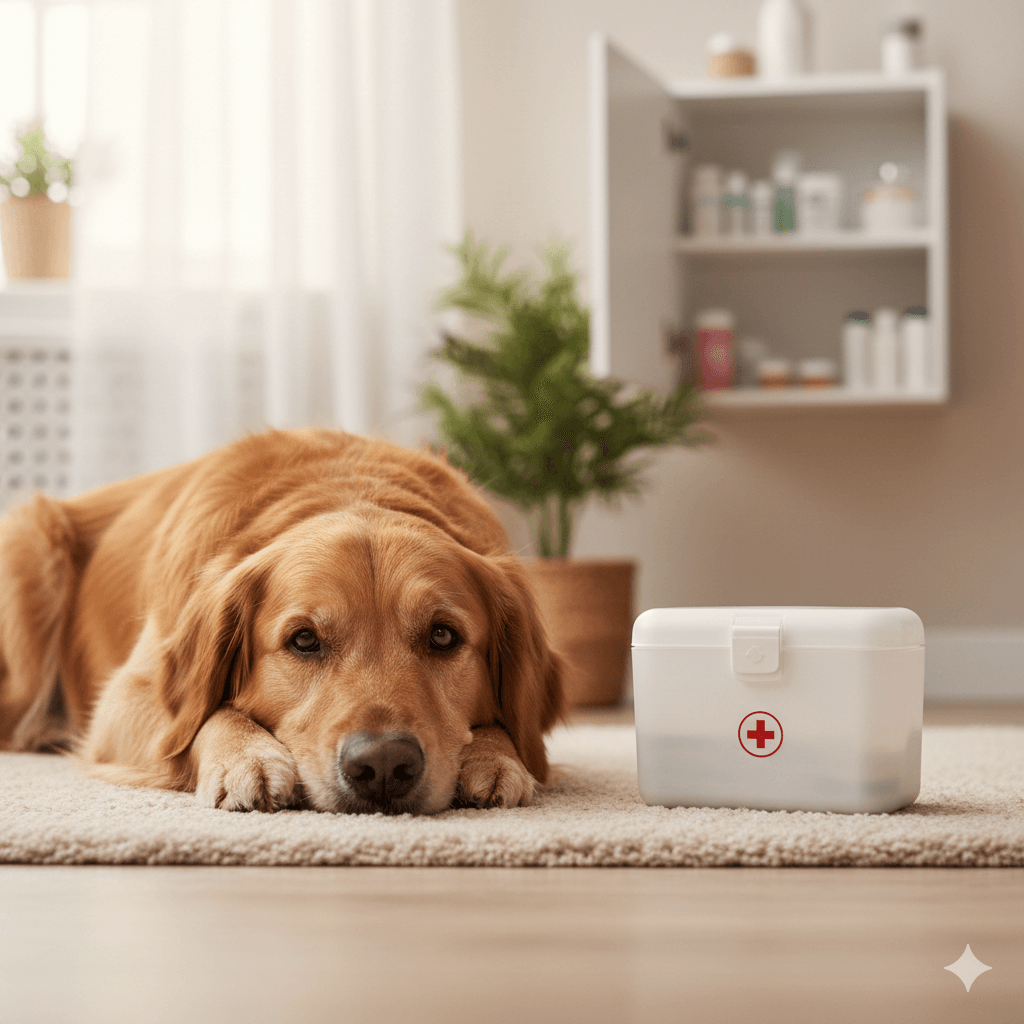

What Human Pain Medicine Can I Give My Dog
It’s natural to want to ease your dog’s discomfort when they’re in pain—but not all human medications are safe for pets. In fact, many common over-the-counter pain relievers can be toxic or even fatal to dogs. While your instinct may be to reach for your medicine cabinet, it’s crucial to understand which substances are dangerous and what safer alternatives exist. Always consult your veterinarian before giving any medication, even in small doses. Your dog’s health depends on informed, cautious choices—not well-meaning guesses.
Why Most Human Pain Medicines Are Dangerous for Dogs
Human pain relievers are formulated for our metabolism and physiology, which differ significantly from a dog’s. What’s safe for you can cause severe organ damage or life-threatening complications in your pet. Even a single tablet can trigger irreversible harm. Never assume a “small dose” is harmless—here’s why:
- NSAIDs Like Ibuprofen and Naproxen:
These common drugs (e.g., Advil, Aleve) can cause stomach ulcers, kidney failure, or liver damage in dogs—even in tiny amounts. - Acetaminophen (Tylenol):
Extremely toxic to dogs; it reduces oxygen in the blood, damages the liver, and can lead to methemoglobinemia, a life-threatening blood disorder. - Aspirin—Use with Extreme Caution:
While sometimes prescribed by vets in specific doses, over-the-counter aspirin can cause gastrointestinal bleeding and is unsafe without professional guidance. - Combination Cold or Flu Medicines:
Many contain hidden painkillers, decongestants, or caffeine—all of which are hazardous to dogs and can cause seizures or heart issues. - Delayed or Silent Toxicity:
Symptoms may not appear for hours or days, but internal damage (like kidney injury) can be progressing silently during that time.
Because of these risks, no human pain medicine should ever be given to a dog without explicit veterinary approval.
Safe, Vet-Approved Alternatives for Canine Pain Relief
If your dog is in pain, your veterinarian can recommend treatments specifically designed for their biology and condition. These are far safer and more effective than human medications:
- Prescription NSAIDs for Dogs:
Medications like carprofen (Rimadyl), meloxicam (Metacam), or grapiprant (Galliprant) are formulated for canine use and closely monitored by vets. - Non-Drug Pain Management:
Options include physical therapy, laser therapy, acupuncture, or therapeutic massage to reduce inflammation and improve mobility. - Joint Supplements:
Glucosamine, chondroitin, omega-3 fatty acids, and green-lipped mussel can support joint health and ease chronic pain from arthritis. - Weight Management Plans:
Excess weight strains joints; a tailored diet and gentle exercise can significantly reduce pain in overweight dogs. - Prescription Gabapentin or Tramadol:
For nerve pain or post-surgical discomfort, vets may prescribe these medications under strict dosing protocols.
Always use these treatments under veterinary supervision—never self-prescribe, even with “pet-safe” labels.
Check this guide 👉Dog Pain Relief: Best 7 Expert Tips!
Check this guide 👉Understanding the Dog Pain Scale: Best 7 Expert Tips!
Check this guide 👉Can Dogs Have Tylenol for Pain? Best 7 Expert Tips!
Human Medications to NEVER Give Dogs | Safe, Vet-Supervised Pain Options |
|---|---|
Ibuprofen (Advil, Motrin) | Carprofen (Rimadyl) |
Acetaminophen (Tylenol) | Meloxicam (Metacam) |
Naproxen (Aleve) | Gabapentin (for nerve pain) |
Aspirin (without vet approval) | Joint supplements (glucosamine, omega-3s) |
Cold/flu multi-symptom pills | Physical therapy or laser treatment |
Signs Your Dog Is in Pain and Needs Help
Dogs often hide discomfort, so subtle behavioral changes may be your only clue. Recognizing these signs early allows for faster, more effective intervention:
- Changes in Mobility:
Limping, reluctance to jump, climb stairs, or rise from lying down—especially in older dogs—can signal joint or muscle pain. - Altered Behavior or Mood:
Whining, restlessness, hiding, or uncharacteristic aggression may indicate your dog is hurting and seeking relief. - Loss of Appetite or Energy:
A dog in pain may eat less, sleep more, or stop engaging in favorite activities like walks or playtime. - Excessive Licking or Chewing:
Focusing on one body area (like a paw or joint) could mean localized pain or irritation. - Changes in Posture or Gait:
A hunched back, stiff walk, or shifting weight away from a limb are physical signs of discomfort.
If you notice any of these, contact your vet—do not attempt to treat with human medicine.
Common Scenarios Where Owners Consider Human Pain Meds
Many well-meaning pet parents reach for human pills during emergencies like post-injury pain, arthritis flare-ups, or after surgery. However, these situations require professional assessment, not improvisation:
- After a Fall or Injury:
Swelling or limping needs diagnosis—pain meds might mask a fracture or ligament tear that requires immediate care. - Arthritis in Senior Dogs:
Chronic pain needs long-term management; human NSAIDs can cause cumulative organ damage over time. - Post-Surgical Discomfort:
Vets provide tailored pain protocols; adding human meds can interfere with recovery or prescribed drugs. - Dental Pain:
Toothaches often lead owners to give Tylenol—but this can worsen liver stress, especially if infection is present. - “Just One Pill” Myth:
Even a fraction of a human dose can be toxic; dogs metabolize drugs differently, and there’s no safe “trial” amount.
Your vet can offer same-day pain relief options that are both safe and effective—always call first.
What to Do If Your Dog Accidentally Ingests Human Pain Medicine
If your dog swallows any human medication—even a crumb—act immediately. Time is critical in preventing severe outcomes:
- Call Your Vet or Pet Poison Control:
Contact the ASPCA Animal Poison Control Center (888-426-4435) or Pet Poison Helpline (855-764-7661) right away—don’t wait for symptoms. - Do Not Induce Vomiting Unless Instructed:
Some substances cause more harm coming back up; only do so if a professional directs you. - Provide Exact Details:
Note the drug name, dose, time ingested, and your dog’s weight—this helps determine risk and treatment. - Go to an Emergency Clinic If Advised:
Activated charcoal, IV fluids, or blood tests may be needed to protect organs and support recovery. - Keep Medications Secure:
Store all pills in locked cabinets—dogs can chew through bottles or find dropped tablets in seconds.
Quick action can mean the difference between a full recovery and permanent damage.
Preventing Pain Medication Emergencies in the Future
Proactive habits keep your dog safe from accidental exposure and ensure they receive appropriate care when discomfort arises:
- Never Self-Medicate Your Dog:
Even if a friend or online source recommends it, human meds are not safe without veterinary oversight. - Create a Pet First-Aid Plan:
Know your nearest emergency vet and keep poison control numbers saved in your phone. - Use Only Vet-Prescribed Medications:
If your dog has chronic pain, stick to the treatment plan your vet created—including dosage and frequency. - Educate All Household Members:
Ensure everyone—especially children and guests—understands that human medicine is off-limits for pets. - Dispose of Expired Medications Safely:
Use pharmacy take-back programs instead of tossing pills in the trash where curious dogs might find them.
Prevention is far easier—and kinder—than managing a poisoning crisis.
Special Considerations for Puppies, Seniors, and Small Breeds
Certain dogs face higher risks from pain medication exposure due to size, age, or health status. Extra caution is essential for these vulnerable groups:
- Puppies Under One Year:
Their livers and kidneys aren’t fully developed, making them far more susceptible to drug toxicity. - Senior Dogs:
Age-related decline in organ function means even small doses can overwhelm their systems or worsen existing conditions. - Toy or Small Breeds (Under 10 lbs):
A tiny amount of medication can be a massive overdose relative to their body weight. - Dogs with Preexisting Conditions:
Those with kidney disease, liver issues, or stomach ulcers are at extreme risk from NSAIDs or acetaminophen. - Brachycephalic Breeds (e.g., Bulldogs, Pugs):
Their unique anatomy can complicate recovery if respiratory or cardiovascular side effects occur.
For these dogs, any medication decision must involve your veterinarian—never guess or assume.
Frequently Asked Questions About Human Pain Medicine and Dogs
Can I give my dog baby aspirin for pain?
Only if explicitly directed by your veterinarian—over-the-counter aspirin can cause stomach ulcers or bleeding, even in low doses.
Is there any human painkiller that’s safe for dogs?
No. All human pain medications carry significant risks. Use only veterinary-approved alternatives.
What if my dog ate a Tylenol pill—what do I do?
Call your vet or a pet poison hotline immediately. Acetaminophen is highly toxic and requires urgent treatment.
Are natural remedies like turmeric safe for dog pain?
Some supplements may help, but always consult your vet first—natural doesn’t always mean safe, and interactions can occur.
How quickly do symptoms of poisoning appear?
They can show within 30 minutes or take up to 24 hours. Don’t wait—seek help as soon as ingestion is suspected.
Choosing Compassion Over Convenience in Your Dog’s Care
When your dog is hurting, your heart aches too—but true compassion means choosing safety over speed. Reaching for a human pill may feel like a quick fix, but it can lead to devastating consequences. Instead, trust your veterinarian as your partner in pain management. With their guidance, you can provide real relief through proven, pet-safe methods that honor your dog’s unique biology. Remember: the best medicine isn’t the one that’s easiest to grab—it’s the one that heals without harm. By staying informed and resisting shortcuts, you give your loyal companion the gift of both comfort and safety.
Dog Seizure Symptoms: Best 7 Expert Tips! – Learn to spot signs, respond effectively, and manage seizures in dogs for a healthier, happier life.
Carprofen Dosage for Cats: Best 7 Expert Tips! – Learn safe dosing, risks, and alternatives to manage pain and inflammation in cats effectively.
Africanis Dog Breed: Best 7 Expert Tips! – Explore the resilience, loyalty, and adaptability of this ancient African breed, perfect for diverse lifestyles.
Cruciate Ligament Injury Symptoms in Dogs: Best 7 Tips! – Discover key signs like limping, swelling, and joint instability to ensure prompt treatment.