What Human Pain Medicine Can I Give My Cat: Best 7 Tips!

What Human Pain Medicine Can I Give My Cat: Best 7 Tips!

Understanding What Human Pain Medicine Can I Give My Cat

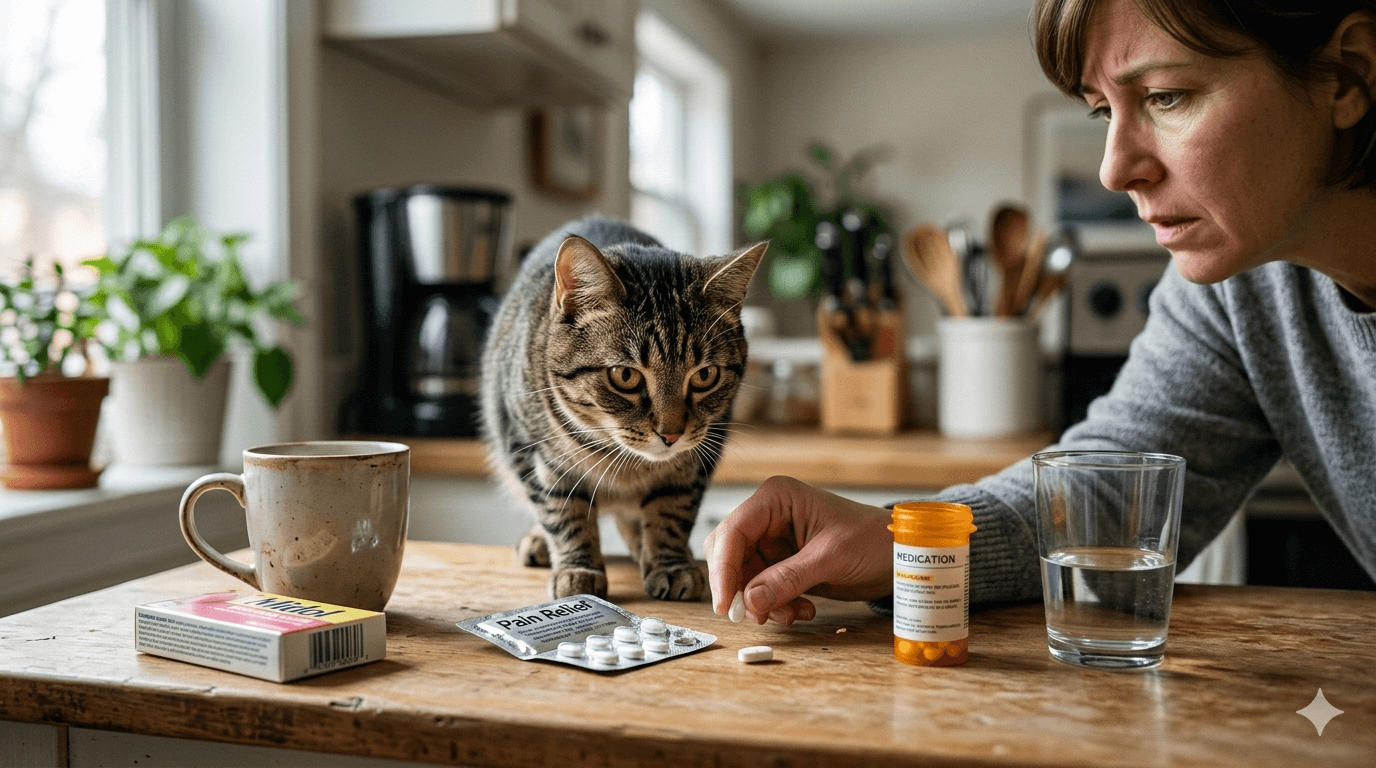
Watching your cat in pain can be heartbreaking—but reaching for your own medicine cabinet is one of the most dangerous impulses you could act on. Most human pain relievers are highly toxic to cats, even in tiny doses, and can cause irreversible organ damage or death. Unlike dogs or humans, cats lack specific liver enzymes needed to process common medications safely. This makes seemingly harmless pills like aspirin or ibuprofen extremely hazardous. While your instinct is to help, the safest path always begins with veterinary guidance. Knowing which medicines are off-limits—and why—could save your cat’s life.

Common Human Pain Medications and Their Risks for Cats

Many over-the-counter and prescription painkillers used by humans are strictly forbidden for feline use. Cats’ unique metabolism turns even small amounts into life-threatening toxins. Recognizing these dangers is the first step in protecting your pet:

 
  • Acetaminophen (Tylenol):
    This common fever and pain reducer is extremely toxic to cats—even a single tablet can cause fatal red blood cell damage and liver failure within hours.
     
  • Ibuprofen (Advil, Motrin):
    Ibuprofen can lead to severe stomach ulcers, kidney failure, and neurological issues in cats due to their inability to metabolize it properly.
     
  • Aspirin:
    While occasionally used in very controlled doses under vet supervision, aspirin can cause vomiting, bleeding disorders, and kidney damage if misused.
     
  • Naproxen (Aleve):
    Just one dose can result in acute kidney injury or gastrointestinal perforation in cats, often with rapid and irreversible consequences.
     
  • Opioids like Codeine or Hydrocodone:
    These may be prescribed by vets in rare cases, but human formulations often contain acetaminophen or other additives that are deadly to cats.
 

Never assume a “small dose” is safe—what’s therapeutic for you can be lethal for your cat. Always consult your veterinarian before giving any medication.

What Human Pain Medicine Can I Give My Cat: Best 7 Tips!

Why Cats Are Especially Vulnerable to Human Medications

Cats aren’t just small humans—their biology processes drugs very differently. This heightened sensitivity stems from evolutionary traits that affect how their bodies handle toxins and medications:

 
  • Lack of Glucuronosyltransferase Enzymes:
    Cats cannot effectively detoxify many drugs through the liver, causing substances like acetaminophen to accumulate to toxic levels.
     
  • Slow Metabolic Rate for Certain Compounds:
    Their systems break down medications much slower than dogs or humans, increasing exposure time and damage risk.
     
  • High Sensitivity to NSAIDs:
    Non-steroidal anti-inflammatory drugs (NSAIDs) disrupt kidney function and stomach lining protection more severely in cats than in other species.
     
  • Grooming Behavior Increases Exposure:
    If a pill crumbles or residue gets on their fur, cats may ingest it while grooming, leading to accidental overdose.
     
  • Limited Safe Alternatives:
    Very few human pain medicines have feline-safe equivalents, making veterinary-prescribed options the only reliable choice.
 

This biological uniqueness means that “human logic” doesn’t apply—what eases your headache could end your cat’s life.

Human Pain Meds (Never Safe)
Vet-Approved Alternatives for Cats
Acetaminophen (Tylenol)
Buprenorphine (oral or transmucosal)
Ibuprofen (Advil)
Meloxicam (low-dose, short-term use only)
Naproxen (Aleve)
Gabapentin (for chronic or nerve-related pain)
Aspirin (without vet guidance)
Robenacoxib (Onsior®, for post-op inflammation)
Cold/flu combos with painkillers
FDA-approved feline-specific NSAIDs under strict protocols

Safe Pain Management Options Prescribed by Veterinarians

When your cat is in pain, your vet has several safer, feline-tested tools at their disposal. These medications are formulated specifically for cats’ physiology and come with precise dosing protocols:

 
  • Buprenorphine:
    A mild opioid often given as a liquid absorbed through the gums—ideal for post-surgical or acute pain with minimal side effects.
     
  • Gabapentin:
    Used for chronic pain (like arthritis) or anxiety-related discomfort, it’s well-tolerated and can be compounded into flavored liquids.
     
  • Meloxicam (Metacam):
    An NSAID approved for one-time use in cats after surgery; repeated dosing is risky and only done under strict monitoring.
     
  • Robenacoxib (Onsior):
    A newer NSAID with a better safety profile, approved for up to three days of use to control inflammation and pain.
     
  • Non-Pharmaceutical Support:
    Warmth, gentle massage, joint supplements (like glucosamine), and environmental modifications (ramps, soft beds) also aid comfort.
 

These options are only safe when prescribed and monitored by a veterinarian—never self-administer based on online advice.

What to Do If Your Cat Accidentally Ingests Human Pain Medicine

Accidental exposure requires immediate action. Time is critical, as symptoms may be delayed while internal damage progresses silently:

 
  • Call Your Vet or Pet Poison Control Immediately:
    Provide the medication name, dose, and time of ingestion—do not wait for symptoms to appear.
     
  • Do Not Induce Vomiting Unless Instructed:
    Some toxins cause more harm coming back up; only act on professional guidance.
     
  • Bring the Medication Bottle:
    This helps the vet identify ingredients quickly, especially in multi-symptom or combination pills.
     
  • Monitor for Early Warning Signs:
    Look for lethargy, drooling, vomiting, pale gums, difficulty breathing, or swelling of the face—especially with acetaminophen.
     
  • Seek Emergency Care Without Delay:
    Even if your cat seems fine, internal organ damage may already be underway—prompt treatment can be lifesaving.
 

Quick response dramatically improves outcomes, so keep your vet’s and poison control’s numbers easily accessible.

Preventing Accidental Medication Exposure at Home

Keeping your cat safe starts with simple, consistent habits that minimize access to dangerous substances:

 
  • Store All Medications Securely:
    Use child-proof containers in locked cabinets—cats can open drawers or knock over bottles with surprising dexterity.
     
  • Never Leave Pills Unattended:
    Even a pill dropped on the floor can be ingested before you notice—clean up spills immediately.
     
  • Avoid Taking Medication Near Your Cat:
    Pills can crumble, and residue on hands or clothing may transfer to their fur or paws.
     
  • Educate All Household Members:
    Ensure children, guests, and co-owners understand that no human medicine is safe for cats.
     
  • Use Pet-Specific Medications Only:
    Never assume a “natural” or “gentle” human remedy is safe—always verify with your vet first.
 

Prevention is far safer and less traumatic than emergency treatment—make your home a medication-safe zone.


Special Considerations for Senior Cats and Chronic Pain

Older cats often suffer silently from arthritis or dental pain, making appropriate relief essential for quality of life. However, their aging organs increase medication risks:

 
  • Reduced Liver and Kidney Function:
    Even approved drugs must be used at lower doses or avoided entirely if organ values are compromised.
     
  • Need for Regular Blood Work:
    Biannual screenings help detect early organ changes before medications cause harm.
     
  • Preference for Non-Drug Therapies:
    Heated beds, raised food bowls, and omega-3 supplements can reduce reliance on pharmaceuticals.
     
  • Behavioral Signs Over Obvious Limping:
    Cats may stop jumping, groom less, or hide—subtle clues that shouldn’t be ignored.
     
  • Multimodal Pain Plans:
    Vets often combine low-dose meds, supplements, and environmental aids for safer, more effective relief.
 

For senior cats, comfort and safety must go hand in hand—always tailor treatment to their current health status.


Essential Safety Reminders for Cat Owners Considering Pain Relief

Managing your cat’s pain requires extra caution—what seems like a caring gesture can quickly become a medical emergency. Always prioritize feline-specific solutions and avoid assumptions based on human or even canine medicine. Keep these critical safety principles in mind whenever discomfort arises:

 
  • Never Use Leftover Human Medications:
    Even if prescribed to you or another pet, human painkillers are not safe for cats and can cause rapid, irreversible harm.
     
  • Avoid “Natural” Remedies Without Vet Approval:
    Essential oils, herbal supplements, or CBD products marketed for humans may contain compounds toxic to cats—always verify safety first.
     
  • Read Labels on Pet Products Carefully:
    Some over-the-counter pet pain supplements may still include unsafe ingredients; choose only vet-recommended or veterinary-formulated brands.
     
  • Store All Medications Out of Reach:
    Cats are curious climbers—secure pills, liquids, and even topical creams in locked cabinets, not just high shelves.
     
  • Trust Your Instincts—but Verify with a Professional:
    If your cat seems uncomfortable, don’t guess or delay. A quick call to your vet can prevent tragedy and provide real relief.
 

When it comes to pain management, your caution is your cat’s greatest protection—because love means choosing safety over convenience, every single time.

Frequently Asked Questions About Human Pain Medicine and Cats

Can I give my cat a tiny piece of Tylenol for pain?

No—acetaminophen is lethal to cats even in minuscule amounts. Never give Tylenol under any circumstances.

No. While historically used in rare veterinary cases, aspirin has a very narrow safety margin and can cause severe bleeding or kidney damage.

Contact your vet or a pet poison helpline immediately—even a lick can deliver a toxic dose depending on the medication.

None. There are no safe over-the-counter human pain medications for cats. Always wait for veterinary advice.

Look for hiding, reduced grooming, reluctance to jump, changes in litter box habits, vocalizing, or aggression when touched.

Prioritizing Your Cat’s Safety and Comfort

Your love for your cat drives your desire to ease their pain—but true compassion means resisting the urge to use human remedies and trusting veterinary science instead. Cats rely entirely on us to make safe choices, especially when they can’t voice their suffering clearly. By understanding the dangers of common painkillers and embracing vet-approved alternatives, you honor your role as their protector and advocate. Remember, the fastest route to relief isn’t always the nearest pill bottle—it’s a call to your veterinarian, who can offer solutions that heal without harming. In the quiet moments of care, your caution speaks louder than any quick fix ever could.

Newfoundland Dog Personality: Best 7 Expert Tips!

Newfoundland Dog Personality: Best 7 Expert Tips! – Discover the gentle, loyal, and protective nature of this giant breed perfect for families.

Can Hot Pavement Burn Your Cats Paws? Best 7 Expert Tips!

Can Hot Pavement Burn Your Cats Paws? Best 7 Expert Tips! – Learn how to protect your cat’s paws from hot surfaces and prevent painful burns this summer.

Can Hot Pavement Burn Your Dogs Paws? Best 7 Expert Tips!

Can Hot Pavement Burn Your Dogs Paws? Best 7 Expert Tips! – Learn how to protect your dog’s paws from hot surfaces and ensure safe summer walks.

Irish Wolfhound Size: Best 7 Expert Tips!

Irish Wolfhound Size: Best 7 Expert Tips! – Discover the ideal height, weight, and care tips for this majestic giant breed. Learn how to manage their impressive stature responsibly.

Leave a Reply

Your email address will not be published. Required fields are marked *