What Essential Oils Are Bad for Dogs: Best 7 Expert Tips!

What Essential Oils Are Bad for Dogs: Best 7 Expert Tips!

What Essential Oils Are Bad for Dogs

Many pet owners turn to essential oils for natural home remedies—but not all are safe for dogs. In fact, several common oils can be toxic, even in small amounts, causing anything from mild irritation to life-threatening reactions. Because dogs have a far more sensitive sense of smell and different metabolic pathways than humans, what’s soothing for you might harm them. Knowing which oils to avoid is crucial for keeping your canine companion safe. This guide highlights the most dangerous essential oils and offers practical steps to protect your dog.

Common Essential Oils That Are Toxic to Dogs

While aromatherapy may enhance your well-being, certain essential oils pose serious risks to dogs due to their chemical composition. Always keep these out of reach—and never apply them directly to your pet’s skin or diffuse them in shared spaces without veterinary approval:

 
  • Tea Tree Oil (Melaleuca):
    Even small amounts—especially undiluted—can cause vomiting, lethargy, tremors, or even organ failure in dogs.
     
  • Peppermint Oil:
    Contains menthol, which can irritate the respiratory tract and digestive system, leading to drooling, diarrhea, or difficulty breathing.
     
  • Eucalyptus Oil:
    Highly toxic if inhaled or ingested; symptoms include weakness, confusion, and seizures due to its neurotoxic compounds.
     
  • Cinnamon Oil:
    Concentrated cinnamon oil can cause low blood sugar, liver disease, and severe mouth irritation in dogs.
     
  • Citrus Oils (Lemon, Orange, Grapefruit):
    Contain d-limonene and linalool, which may trigger vomiting, skin burns, or photosensitivity, especially in small or sensitive breeds.
 

Even natural doesn’t always mean safe—these oils should never be used around dogs without explicit guidance from a veterinarian trained in integrative medicine.

What Essential Oils Are Bad for Dogs: Best 7 Expert Tips!

How Dogs Are Exposed to Harmful Essential Oils

Toxicity can occur through multiple routes, and many pet owners unknowingly put their dogs at risk during everyday routines. Understanding exposure pathways helps you create a safer home environment:

 
  • Inhalation from Diffusers:
    Aerosolized oils linger in the air and can overwhelm a dog’s sensitive respiratory system, especially in small or poorly ventilated rooms.
     
  • Direct Skin Application:
    Rubbing oils on collars, paws, or fur—even “diluted” versions—can lead to rapid absorption and systemic poisoning.
     
  • Ingestion from Licking:
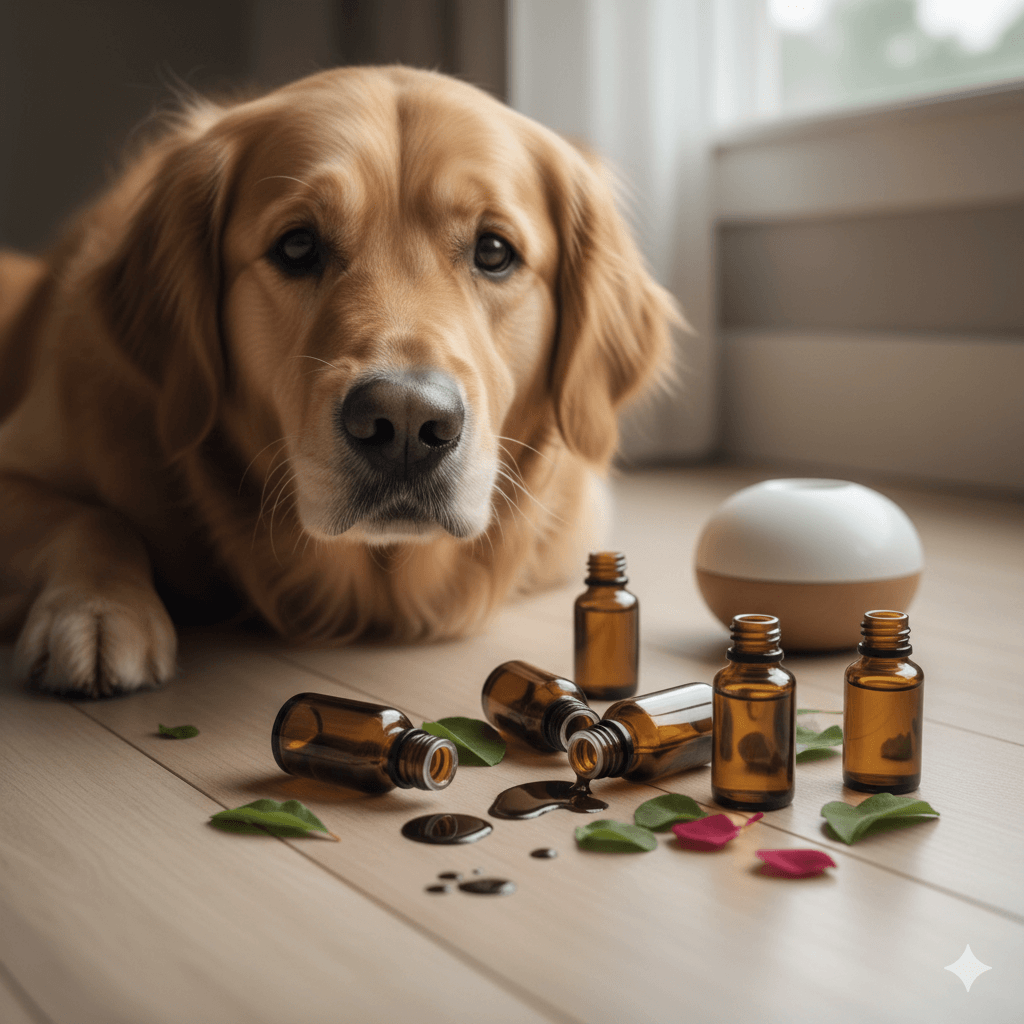
    Dogs may lick oil off their skin, furniture, or floors, leading to concentrated internal exposure and gastrointestinal distress.
     
  • Contact with Contaminated Surfaces:
    Oils on countertops, beds, or hands can transfer to your dog’s coat and be ingested during grooming.
     
  • Use in Cleaning Products:
    Many natural cleaners contain essential oils; residue left on floors or bowls can be hazardous if your dog licks or walks through it.
 

Prevention starts with awareness—assume any essential oil is unsafe unless confirmed otherwise by a trusted vet.


High-Risk Oils to Avoid
Safer Alternatives (Vet-Approved Only)
Tea Tree (Melaleuca)
None—avoid entirely
Peppermint
Diluted lavender (in extreme caution)
Eucalyptus
Chamomile hydrosol (not essential oil)
Cinnamon
None—steer clear
Citrus (lemon, orange)
Plain water-based sprays for freshening

Signs of Essential Oil Poisoning in Dogs

Symptoms can appear within minutes or hours of exposure, depending on the oil, concentration, and route of contact. Early recognition could save your dog’s life—watch for these warning signs:

 
  • Respiratory Distress:
    Coughing, wheezing, or labored breathing may occur if your dog inhors irritating vapors like eucalyptus or peppermint.
     
  • Neurological Changes:
    Tremors, disorientation, weakness, or seizures are red flags—especially with tea tree or pennyroyal oil exposure.
     
  • Gastrointestinal Upset:
    Vomiting, diarrhea, excessive drooling, or loss of appetite often follow ingestion of toxic oils.
     
  • Skin Reactions:
    Redness, burns, itching, or hair loss can develop where oils contacted the skin—common with undiluted applications.
     
  • Behavioral Shifts:
    Lethargy, hiding, or unusual agitation may indicate your dog is feeling unwell but can’t communicate it clearly.
 

If you suspect poisoning, remove your dog from the source, wipe off any oil with mild soap and water, and call your vet or a pet poison helpline immediately.

Safe Practices for Homes with Dogs and Essential Oils

You don’t need to eliminate essential oils entirely—but you must use them responsibly. These strategies minimize risk while respecting your dog’s health:

 
  • Never Use Topical Applications on Dogs:
    Even “natural” or “pet-safe” labeled oils can be dangerous; skip DIY remedies unless formulated by a veterinary professional.
     
  • Diffuse with Extreme Caution:
    If you must diffuse, do so in a room your dog cannot access, for short periods, with strong ventilation afterward.
     
  • Store Oils Securely:
    Keep all essential oils in locked cabinets or high shelves—bottles can leak, and curious dogs may chew through caps.
     
  • Read Labels on All Products:
    Check shampoos, sprays, and cleaners for hidden essential oils; opt for pet-specific formulations instead.
     
  • Consult Your Veterinarian First:
    Always ask before introducing any new scent or product into your home—especially if your dog has asthma, liver issues, or is a puppy/senior.
 

A truly pet-friendly home prioritizes safety over scent—and your dog’s well-being over convenience.

Breeds and Life Stages at Higher Risk

While all dogs can be affected, some are far more vulnerable due to size, age, or genetics. Extra caution is essential for these groups:

 
  • Brachycephalic Breeds (e.g., Bulldogs, Pugs):
    Their compromised airways make them more prone to respiratory distress from inhaled oils.
     
  • Toy and Small Breeds (e.g., Chihuahuas, Yorkies):
    Lower body weight means even tiny amounts of oil can cause overdose-level toxicity.
     
  • Puppies:
    Immature livers and kidneys can’t process toxins efficiently, increasing the risk of severe reactions.
     
  • Senior Dogs:
    Age-related organ decline heightens susceptibility to liver or kidney damage from toxic compounds.
     
  • Dogs with Preexisting Conditions:
    Those with epilepsy, liver disease, or respiratory ailments may experience worsened symptoms from exposure.
 

For these dogs, the safest choice is to avoid essential oils altogether in shared living spaces.

What to Do If Your Dog Is Exposed

Immediate action can reduce absorption and improve outcomes. Follow these steps calmly but quickly if exposure occurs:

 
  • Remove from Source:
    Take your dog to fresh air immediately if oils were diffused or spilled nearby.
     
  • Wash Skin or Fur Thoroughly:
    Use mild dish soap (like Dawn) and lukewarm water to remove oil residue—do not use harsh solvents or more essential oils.
     
  • Do Not Induce Vomiting:
    Unless instructed by a vet or poison control, vomiting can worsen irritation or cause aspiration.
     
  • Call a Professional Right Away:
    Contact your veterinarian or the ASPCA Animal Poison Control Center (888-426-4435) for guidance.
     
  • Bring the Oil Bottle:
    If you go to the clinic, take the product with you—ingredients and concentration help determine treatment.
 

Time is critical: never wait to see if symptoms “get better” on their own after essential oil exposure.

Frequently Asked Questions About Essential Oils and Dogs

Is lavender oil safe for dogs?

Highly diluted lavender may be used under strict veterinary supervision, but undiluted or diffused lavender can still cause nausea or sedation—never use it without professional advice.

Avoid it. Residues can linger on bedding or clothing, leading to skin contact or inhalation. Choose fragrance-free, pet-safe detergents instead.

No—they continuously release oil into the air and pose ingestion risks if your dog knocks them over and licks the liquid.

Many are unregulated and lack scientific backing. Always verify ingredients and consult your vet before using any such product.

Depending on ventilation, particles can linger for hours—especially in carpets, curtains, or furniture—posing ongoing risk to sensitive dogs.

Creating a Truly Safe and Calm Home for Your Dog

Your dog’s health depends on more than just love—it requires mindful choices about the products you bring into your shared space. While essential oils offer benefits for humans, their risks to dogs are real and often underestimated. By avoiding toxic oils, securing your supplies, and opting for dog-safe alternatives, you create a home that’s not only peaceful but genuinely protective. In the end, your dog doesn’t need scented air to feel calm—they need your presence, routine, and a toxin-free environment. And that’s the safest kind of natural care there is.

Dog Seizure Symptoms: Best 7 Expert Tips!

Dog Seizure Symptoms: Best 7 Expert Tips! – Learn to spot signs, respond effectively, and manage seizures in dogs for a healthier, happier life.

Carprofen Dosage for Cats: Best 7 Expert Tips!

Carprofen Dosage for Cats: Best 7 Expert Tips! – Learn safe dosing, risks, and alternatives to manage pain and inflammation in cats effectively.

Africanis Dog Breed: Best 7 Expert Tips!

Africanis Dog Breed: Best 7 Expert Tips! – Explore the resilience, loyalty, and adaptability of this ancient African breed, perfect for diverse lifestyles.

Cruciate Ligament Injury Symptoms in Dogs: Best 7 Tips!

Cruciate Ligament Injury Symptoms in Dogs: Best 7 Tips! – Discover key signs like limping, swelling, and joint instability to ensure prompt treatment.

Leave a Reply

Your email address will not be published. Required fields are marked *

Post Category