
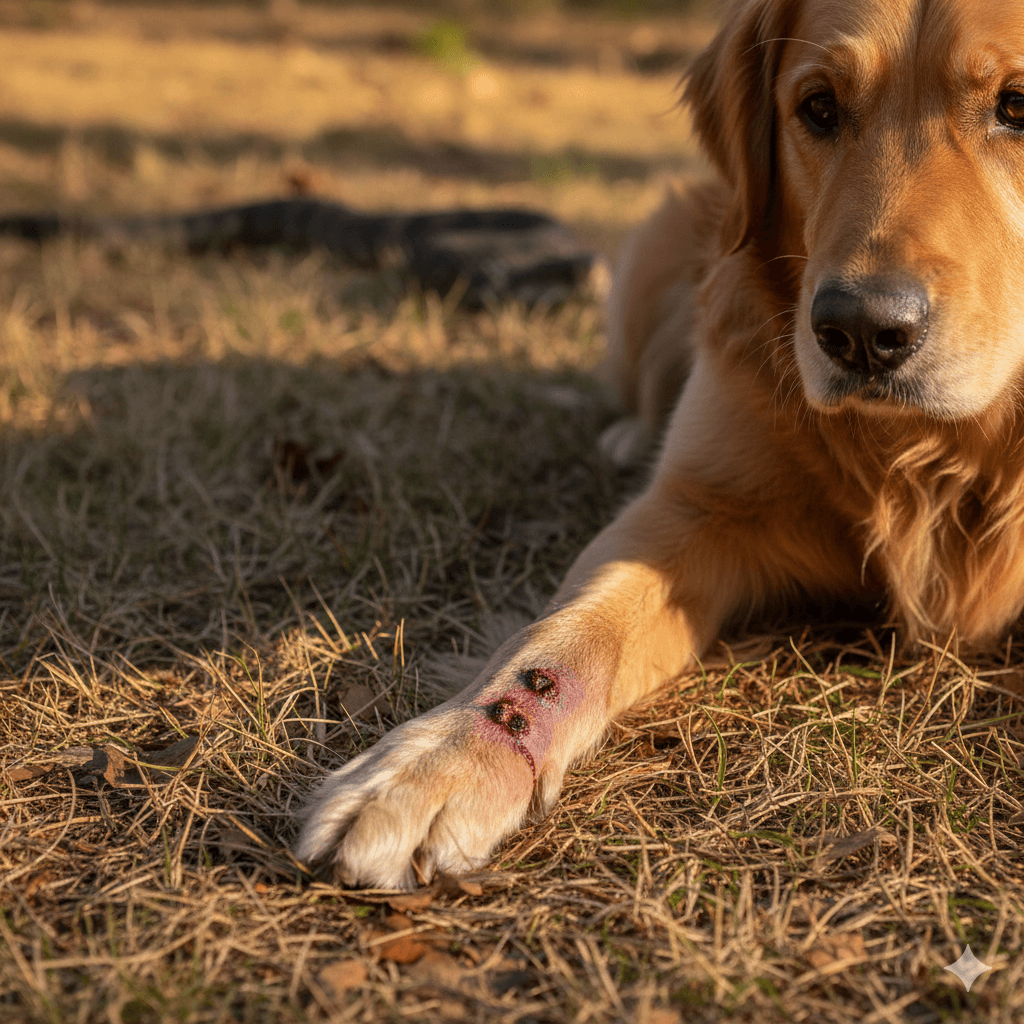

What Does a Snake Bite Look Like on a Dog
Discovering a mysterious wound on your dog can be alarming—especially if you suspect a snake bite. These injuries vary widely depending on whether the snake was venomous, the bite location, and your dog’s size and health. Early recognition can be life-saving, as venomous bites often require urgent veterinary care. While not all snake bites leave obvious marks, knowing what to look for helps you act fast. Stay calm, observe closely, and understand the subtle and dramatic signs that distinguish a snake bite from other injuries.
Common Visual and Physical Signs of a Snake Bite
Snake bites on dogs may not always show dramatic fang marks—especially in the early minutes. Instead, look for a combination of localized and systemic clues that suggest envenomation or trauma. These signs typically appear within minutes to hours after the encounter:
- Paired Puncture Wounds:
Two small, deep holes close together—often from fangs—but may be hard to see in fur or on dark skin. - Rapid Swelling at the Site:
Facial, leg, or neck bites often cause fast, dramatic swelling within 15–30 minutes if venom was injected. - Discoloration or Bruising:
The area may turn red, purple, or blue as tissue reacts to venom or trauma, sometimes spreading quickly. - Bleeding or Oozing Fluid:
Some bites leak clear fluid, blood, or serum; venom can interfere with normal clotting mechanisms. - Pain and Sensitivity:
Your dog may whine, flinch, or guard the area, especially when touched or moved.
While non-venomous bites may leave minor marks that heal quickly, venomous bites demand immediate action—swelling alone can become life-threatening if near the airway.
When to Suspect a Venomous vs. Non-Venomous Bite
Not all snakes are dangerous, but in regions with rattlesnakes, copperheads, or cottonmouths, assuming the worst is safest. Key differences help guide your urgency and response:
- Fang Mark Clarity:
Venomous snakes often leave clear, spaced fang punctures; non-venomous bites may show multiple small scratches or no visible marks. - Speed of Symptom Onset:
Venomous bites cause rapid changes—within minutes—not hours. Delayed swelling may indicate a dry bite or non-venomous contact. - Neurological or Systemic Signs:
Weakness, trembling, vomiting, dilated pupils, or collapse strongly suggest envenomation, not just a scratch. - Location of the Bite:
Bites on the face or neck are especially dangerous due to potential airway obstruction from swelling. - Dog’s Behavior Post-Incident:
Sudden yelping, retreating, or pawing at a body part during a walk may signal a recent bite, even before marks appear.
If you’re in a snake-prone area and your dog acts strangely after being outside, treat it as an emergency until proven otherwise.
Check this guide 👉Rattlesnake Bite Dog Symptoms: Best 7 Health Tips!
Check this guide 👉Are Garter Snakes Poisonous to Dogs? Best 7 Expert Tips!
Check this guide 👉Copperhead Snake Bite in Dogs: Best 7 Health Tips!
Signs of Venomous Bite | Indicators of Non-Venomous or Dry Bite |
|---|---|
Rapid, severe swelling | Mild or no swelling |
Two distinct deep punctures | Multiple shallow scratches or none |
Drooling, weakness, collapse | Normal energy and behavior |
Bleeding that won’t stop | Minor surface wound, scabbing quickly |
Vomiting or difficulty breathing | No systemic symptoms |
Immediate First Aid Steps After a Suspected Bite
Your actions in the first 10–15 minutes can significantly impact your dog’s outcome. Stay calm, limit movement, and prepare for emergency transport:
- Restrict Your Dog’s Movement:
Carry small dogs; leash and gently guide larger ones to minimize venom spread through circulation. - Do NOT Cut, Suck, or Ice the Wound:
These outdated methods can worsen tissue damage or delay proper care—avoid them entirely. - Remove Collars if Bite is on Neck/Face:
Prevent choking if swelling obstructs the airway; keep airways clear during transport. - Call Your Vet or Emergency Clinic En Route:
Alert them so they can prepare antivenom or supportive care before you arrive. - Note Time and Location of Bite:
If safe, remember where and when it happened—this helps vets assess snake species and risk level.
Never wait to “see if it gets better”—venom effects can escalate silently and suddenly.
How Veterinarians Diagnose and Treat Snake Bites
There’s no simple test for snake bites, so diagnosis relies on history, signs, and response to treatment. Your vet will act swiftly to stabilize and reverse damage:
- Physical and Blood Work Assessment:
Checks for clotting disorders, organ stress, and electrolyte imbalances caused by venom. - Antivenom Administration:
The gold standard for venomous bites—most effective when given early and matched to regional snake types. - IV Fluids and Pain Management:
Supports circulation, flushes toxins, and keeps your dog comfortable during recovery. - Wound Care and Antibiotics:
Prevents secondary infection, especially if tissue damage is significant. - Hospitalization for Monitoring:
Many dogs need 24–72 hours of observation for delayed complications like kidney failure or swelling rebound.
Recovery varies—some dogs go home in a day; others need intensive care, especially after severe envenomation.
Prevention Strategies for Snake-Prone Areas
While you can’t eliminate all risks, smart habits greatly reduce the chance of a bite during hikes, yard time, or rural living:
- Stick to Clear, Open Trails:
Avoid tall grass, rocky crevices, or woodpiles where snakes hide—especially in warm months. - Use a Short Leash:
Keeps your dog close and prevents curious sniffing under logs or bushes where snakes rest. - Consider Rattlesnake Vaccination:
Available in high-risk regions; doesn’t prevent bites but may reduce severity and buy time. - Train a “Leave-It” Command:
A reliable recall or avoidance cue can literally save your dog’s life near a coiled snake. - Yard Snake Deterrents:
Remove rodent attractants (bird feeders, open compost), seal sheds, and mow regularly to reduce hiding spots.
Prevention isn’t about fear—it’s about empowering you and your dog to explore safely.
Breed, Size, and Age Factors That Influence Outcomes
A snake bite’s danger isn’t equal for all dogs. Smaller, younger, or medically fragile dogs face higher risks from the same amount of venom:
- Small or Toy Breeds:
Less body mass means venom spreads faster and hits harder—bites can be fatal within hours. - Puppies:
Immature immune and organ systems struggle to handle toxin load; require aggressive early treatment. - Senior Dogs:
Preexisting heart, kidney, or liver issues can worsen rapidly under venom stress. - Brachycephalic Breeds:
Facial swelling from a head/neck bite can critically compromise their already narrow airways. - Dogs with Allergies or Bleeding Disorders:
May have exaggerated reactions or uncontrollable bleeding even from mild envenomation.
If your dog falls into a high-risk category, always assume the worst and act instantly.
Breed, Size, and Age Factors That Influence Outcomes
A snake bite’s danger isn’t equal for all dogs. Smaller, younger, or medically fragile dogs face higher risks from the same amount of venom:
- Small or Toy Breeds:
Less body mass means venom spreads faster and hits harder—bites can be fatal within hours. - Puppies:
Immature immune and organ systems struggle to handle toxin load; require aggressive early treatment. - Senior Dogs:
Preexisting heart, kidney, or liver issues can worsen rapidly under venom stress. - Brachycephalic Breeds:
Facial swelling from a head/neck bite can critically compromise their already narrow airways. - Dogs with Allergies or Bleeding Disorders:
May have exaggerated reactions or uncontrollable bleeding even from mild envenomation.
If your dog falls into a high-risk category, always assume the worst and act instantly.
“Typically, there will be swelling and bruising in the area around the bite. You may be able to see a pair of puncture wounds created by the fangs.”
Frequently Asked Questions About Snake Bites in Dogs
How long after a snake bite do symptoms appear?
Venomous bites often show swelling or pain within 15–30 minutes; non-venomous bites may take hours or show no signs.
Can a dog survive a rattlesnake bite without treatment?
Some do, but survival is far less likely—untreated bites have high fatality rates, especially in small dogs.
Do all snake bites bleed?
Not necessarily—some leave dry punctures, while others ooze due to venom’s effect on blood vessels.
What if I didn’t see the snake?
You don’t need to—vets treat based on symptoms and location, not snake identification.
Should I carry antivenom when hiking?
No—antivenom requires refrigeration, IV administration, and professional monitoring; focus on rapid transport instead.
Protecting Your Dog from Hidden Dangers in the Wild
A snake bite is a terrifying emergency—but your awareness, swift action, and preventive habits turn fear into preparedness. Most dogs recover fully when treated quickly, and many bites are avoidable with mindful outdoor habits. Trust your instincts: if your dog yelps, swells suddenly, or acts strange after being outside, don’t hesitate. In the wild, seconds count—and your calm, informed response is their best defense. By understanding what a snake bite looks like, you’re not just watching for wounds; you’re honoring your role as your dog’s guardian in every season, on every trail.
Is Rawhide Bad for Cats? Best 7 Expert Tips! – Discover the risks, safe alternatives, and expert advice to keep your feline friend healthy and happy.

Is Rawhide Bad for Dogs? Best 7 Expert Tips! – Discover the risks, benefits, and safer alternatives to rawhides for your dog’s chewing needs.

Understanding Anorexia in Cats: Best 7 Expert Tips! – Learn why cats stop eating, spot warning signs, and discover how to help your feline regain appetite safely.

Understanding Anorexia in Dogs: Best 7 Expert Tips! – Learn causes, symptoms, and solutions to help your dog regain appetite and stay healthy.