

What Does a Snake Bite Look Like on a Cat: Best 7 Tips!

What Does a Snake Bite Look Like on a Cat: Best 7 Tips!

What Does a Snake Bite Look Like on a Cat: Best 7 Expert Tips!


If your feline friend has encountered a snake, recognizing the signs of a bite quickly can be life-saving. Snake bites on cats may not always be obvious—swelling, puncture marks, or sudden weakness can all be clues. Early identification and urgent care dramatically improve outcomes, especially with venomous species. While not every snake is dangerous, it’s crucial to know what to look for and how to react. In this guide, we’ll walk you through the key visual and behavioral indicators so you can act fast and protect your cat’s health.

Common Visual Signs of a Snake Bite on a Cat


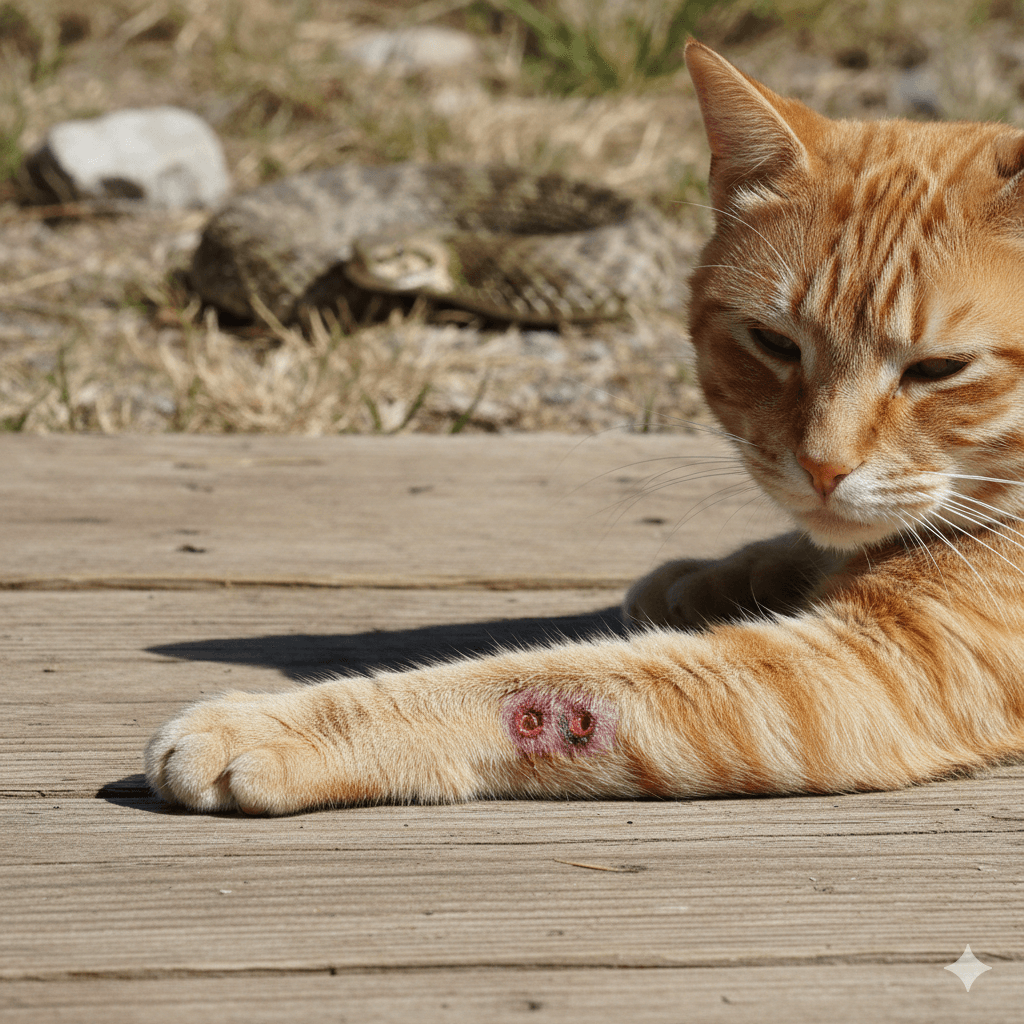
When a cat is bitten by a snake, the appearance can vary depending on the snake species, bite location, and whether venom was injected. However, certain physical clues often appear within minutes to hours. Look carefully—especially around the face, paws, or neck, common bite sites during curious encounters:

 
  • Paired Puncture Wounds:
    Two small, distinct holes close together often indicate fangs, though they may be hard to see in fur or if swollen.
     
  • Swelling and Redness:
    The area around the bite typically becomes inflamed, warm to the touch, and visibly puffy within 30–60 minutes.
     
  • Bleeding or Oozing Fluid:
    Minor bleeding or clear/yellowish discharge may occur from the wound site, especially if the cat licks it.
     
  • Bruising or Discoloration:
    Darkening of the skin—purple, blue, or black—can develop due to tissue damage or internal bleeding.
     
  • Hair Loss at the Site:
    Your cat may excessively lick or scratch the area, leading to matted fur or a bald patch that reveals the injury.
 

While some bites show clear marks, others—especially from non-venomous snakes—may leave only subtle traces, making behavior just as important as appearance.

What Does a Snake Bite Look Like on a Cat: Best 7 Tips!

Behavioral Changes That Signal a Snake Bite


Cats often hide pain, but a snake bite usually triggers unmistakable shifts in behavior. These signs may appear before or alongside physical marks and should never be ignored, especially in snake-prone areas:

 
  • Sudden Lethargy or Collapse:
    Your normally active cat may lie still, seem disoriented, or be unable to stand—signs of systemic venom effects.
     
  • Rapid or Labored Breathing:
    Difficulty breathing, open-mouth breathing, or unusually fast chest movement can signal neurotoxic venom impact.
     
  • Dilated or Unequal Pupils:
    Nervous system disruption from venom may cause pupils to stay wide or appear mismatched.
     
  • Vomiting or Drooling:
    Nausea, excessive salivation, or retching can occur due to pain, shock, or venom toxicity.
     
  • Weakness in Hind Legs:
    Some venoms cause paralysis starting in the back legs, making walking wobbly or impossible.
 

These behavioral red flags often escalate quickly—minutes matter when venom is involved, so treat any suspicion as an emergency.

Immediate Physical Clues
Critical Behavioral Alerts
Twin puncture marks
Sudden inability to jump or climb
Localized swelling
Unusual quietness or hiding
Bleeding or oozing
Muscle tremors or twitching
Red or purple skin discoloration
Loss of bladder or bowel control
Warmth at bite site
Cold extremities or pale gums

Venomous vs. Non-Venomous Bites: How to Tell the Difference


Not all snake bites are equally dangerous, but distinguishing between them in the moment is challenging—even for experts. Still, certain patterns can offer clues about the potential risk to your cat:

 
  • Fang Mark Depth and Spacing:
    Venomous snakes (like vipers or cobras) often leave deeper, wider-set punctures; non-venomous bites may show multiple small scratches.
     
  • Speed of Symptom Onset:
    Venomous bites usually cause rapid swelling (under 1 hour), while non-venomous bites may only show mild redness or none at all.
     
  • Presence of Systemic Signs:
    Vomiting, paralysis, or collapse strongly suggest envenomation; non-venomous bites rarely cause whole-body effects.
     
  • Snake Identification (If Seen):
    Note color, pattern, and head shape—but never risk another encounter. Photos from a distance can help vets assess risk.
     
  • Geographic Location:
    Knowing local snake species (e.g., rattlesnakes in the U.S. Southwest, adders in Europe) informs likelihood of venom exposure.
 

Even if you suspect a non-venomous bite, always consult a vet—secondary infection or allergic reaction is still possible.

First Aid Steps to Take Before Reaching the Vet


What you do in the first 10–15 minutes after a suspected snake bite can influence your cat’s outcome. Avoid myths (like cutting the wound or sucking venom) and focus on safe, vet-approved actions:

 
  • Stay Calm and Restrict Movement:
    Keep your cat as still as possible to slow venom spread—carry them instead of letting them walk.
     
  • Do Not Wash or Suck the Wound:
    Cleaning may remove evidence needed for antivenom decisions; mouth suction is ineffective and dangerous.
     
  • Remove Collars or Tight Items:
    Swelling can restrict breathing, especially if the bite is near the neck—loosen or remove collars gently.
     
  • Note the Time of the Bite:
    This helps vets determine treatment urgency and antivenom dosing windows.
     
  • Call Your Vet Immediately:
    Alert them you’re coming—some clinics need time to prepare antivenom or emergency protocols.
 

Never delay transport for home remedies. Minutes count—your fastest route to professional care is the best first aid.


When to Seek Emergency Veterinary Care


Time is the most critical factor in snake bite treatment. Even if your cat seems fine initially, venom effects can be delayed or subtle at first. Seek emergency care if:

 
  • Any Puncture Wounds Are Found in Snake-Active Areas:
    Don’t wait for symptoms—some venoms cause delayed paralysis.
     
  • Swelling Develops Rapidly:
    Especially around the head or neck, which can obstruct airways within hours.
     
  • Your Cat Becomes Weak or Disoriented:
    Neurological signs mean venom is affecting the nervous system—this is a true emergency.
     
  • You Witness the Bite or See a Snake Nearby:
    Assume envenomation until proven otherwise, regardless of immediate symptoms.
     
  • Symptoms Worsen Over 1–2 Hours:
    Even mild signs that progress warrant urgent intervention to prevent organ damage.
 

Most vets consider all snake bites in cats a medical emergency due to their small size and high vulnerability.

Prevention Tips to Reduce Snake Encounter Risks


While you can’t eliminate all wildlife risks, smart environmental management significantly lowers the chance of a dangerous encounter in your yard or neighborhood:

 
  • Keep Grass and Shrubs Trimmed:
    Snakes seek cover in tall grass, woodpiles, or dense ground cover—maintain open, tidy landscaping.
     
  • Seal Gaps in Fences or Foundations:
    Block entry points that snakes might use to access your garden or home perimeter.
     
  • Supervise Outdoor Time:
    Use a catio or leash-walk your cat in snake-prone regions, especially during dawn/dusk when snakes are active.
     
  • Remove Food and Water Sources:
    Don’t leave pet bowls outside—rodents (and the snakes that hunt them) are attracted to them.
     
  • Install Motion-Activated Sprinklers:
    These can startle snakes and deter them from entering your yard without harming wildlife.
 

Prevention is far safer than treatment—especially since cats are naturally curious and may not avoid snakes instinctively.

Special Considerations for Indoor vs. Outdoor Cats


Risk level and response strategy differ significantly based on your cat’s lifestyle, but even indoor cats aren’t entirely safe—snakes can enter homes through open doors or cracks:

 
  • Outdoor Cats Face Higher Exposure:
    They roam territories where snakes nest, hunt, or sunbathe—regular checks after outings are essential.
     
  • Indoor Cats May Encounter Snakes Indoors:
    Especially in rural or warm climates where snakes seek cool, dark spaces inside homes.
     
  • Indoor-Only Cats Show Faster Decline:
    Their lack of natural exposure may mean less resilience to venom if bitten unexpectedly.
     
  • Supervised Outdoor Access Reduces Risk:
    Enclosed patios or harness walks allow enrichment without uncontrolled roaming.
     
  • Know Local Snake Seasons:
    In many regions, snakes are most active in spring and fall—heighten vigilance during these times.
 

Regardless of lifestyle, all cat owners in snake habitats should know the signs and have an emergency plan ready.

“puncture wounds on the skin which may show signs of swelling, redness, or bruising,”

-Lori Gardner

Frequently Asked Questions About Snake Bites on Cats

Can a cat survive a venomous snake bite without treatment?

Survival is possible but rare—without antivenom and supportive care, mortality rates are high, especially in small cats.

Yes. Even “dry” bites can cause infection, allergic reactions, or tissue damage that needs professional assessment.

With venomous snakes, signs often begin within 15–60 minutes, but some neurotoxic venoms may take 6–12 hours to show effects.

No—commercial kits (suction devices, tourniquets) are not recommended for pets and can worsen injury. Immediate vet care is the only reliable treatment.


With prompt veterinary care—including antivenom when needed—survival rates exceed 80–90% in many regions.

Protecting Your Feline Friend from Hidden Dangers


A snake bite can strike in an instant, but your awareness and quick action can turn a life-threatening moment into a full recovery. While the marks may be small—two tiny punctures hidden in fur—the impact on your cat’s fragile system can be enormous. Trust your instincts: if something seems off after time outdoors, assume the worst and act fast. Beyond emergency response, creating a safer environment and understanding local wildlife risks are acts of love that speak louder than words. Your cat depends on you to be their eyes, voice, and shield in a world full of quiet dangers. Stay alert, stay prepared, and never underestimate the power of prevention paired with prompt care.

Is Rawhide Bad for Cats? Best 7 Expert Tips!

Is Rawhide Bad for Cats? Best 7 Expert Tips! – Discover the risks, safe alternatives, and expert advice to keep your feline friend healthy and happy.

Is Rawhide Bad for Dogs? Best 7 Expert Tips!

Is Rawhide Bad for Dogs? Best 7 Expert Tips! – Discover the risks, benefits, and safer alternatives to rawhides for your dog’s chewing needs.

Understanding Anorexia in Cats: Best 7 Expert Tips!

Understanding Anorexia in Cats: Best 7 Expert Tips! – Learn why cats stop eating, spot warning signs, and discover how to help your feline regain appetite safely.

Understanding Anorexia in Dogs: Best 7 Expert Tips!

Understanding Anorexia in Dogs: Best 7 Expert Tips! – Learn causes, symptoms, and solutions to help your dog regain appetite and stay healthy.

Leave a Reply

Your email address will not be published. Required fields are marked *