

What Does a Mouse Bite Look Like on a Dog?
Dogs are curious creatures, and their adventurous nature often leads them to explore their surroundings—sometimes in ways that put them at risk. One such scenario is encountering small rodents like mice, which can bite if they feel threatened. While mouse bites on dogs are relatively rare, they can still occur, especially in rural or outdoor environments. Understanding what a mouse bite looks like, how to identify it, and the potential risks involved is crucial for ensuring your dog’s health and safety. In this blog post, we’ll delve into everything you need to know about mouse bites on dogs, from recognizing the signs to preventing future incidents.
How to Identify a Mouse Bite on a Dog
Mouse bites on dogs may not always be obvious, but there are specific signs to look for that can help you determine whether your dog has been bitten. Familiarizing yourself with these indicators ensures you can act quickly if needed.
Small Puncture Marks:
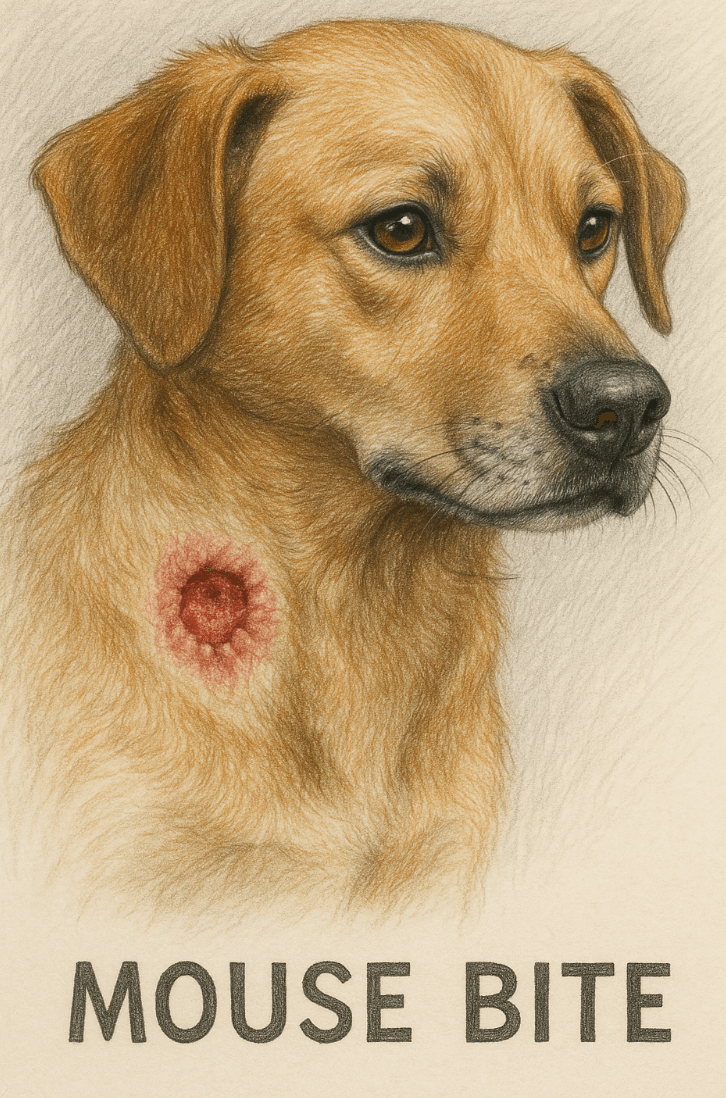
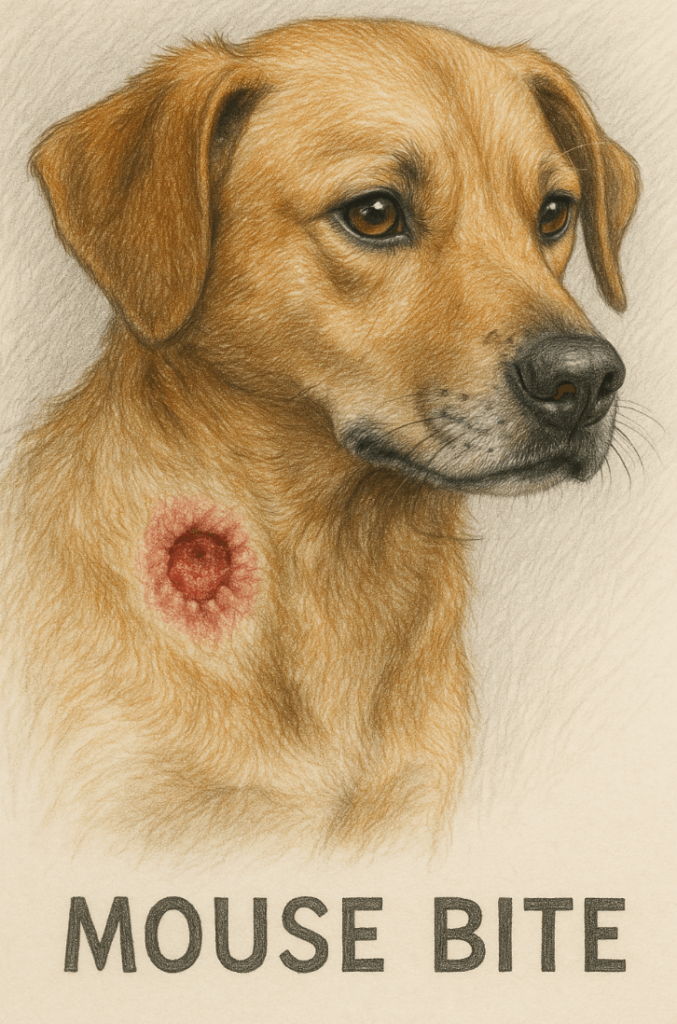
Mouse bites typically appear as tiny puncture marks, often grouped closely together due to the rodent’s sharp incisors.Redness and Swelling:
The area around the bite may become red, inflamed, or slightly swollen as the body reacts to the injury.Localized Pain or Sensitivity:
Your dog may show signs of discomfort, such as licking, chewing, or pawing at the affected area.Broken Skin or Bleeding:
Depending on the severity of the bite, you might notice broken skin or minor bleeding where the teeth penetrated.Behavioral Changes:
A normally energetic dog may seem lethargic or irritable after being bitten, signaling pain or stress.
By recognizing these signs early, you can take prompt action to address any potential complications and ensure your dog receives proper care.
Potential Risks of a Mouse Bite on a Dog
While mouse bites may seem minor, they can pose several risks to your dog’s health. Understanding these dangers helps you stay vigilant and seek veterinary advice when necessary.
Infection Risk:
Mouse bites can introduce bacteria into the wound, leading to infections such as cellulitis or abscesses if left untreated.Transmission of Diseases:
Rodents can carry diseases like leptospirosis or hantavirus, which may be transmitted through their saliva.Allergic Reactions:
Some dogs may develop an allergic reaction to the bite, resulting in itching, swelling, or more severe symptoms.Parasite Exposure:
Mice can harbor parasites like fleas or ticks, which may transfer to your dog during contact.Stress and Anxiety:
The experience of being bitten by a small animal can cause emotional distress, especially in timid or anxious dogs.
Being aware of these risks allows you to monitor your dog closely and take preventive measures to protect their well-being.
Check this guide 👉Rattlesnake Bite Dog Symptoms: Best 7 Health Tips!
Check this guide 👉What Happens If My Dog Bites a Possum? Best 7 Health Tips!
Check this guide 👉Dog Bite Antibiotic Prophylaxis: Best 7 Health Tips!
Signs of a Mouse Bite | Steps to Take After a Mouse Bite |
|---|---|
Small puncture marks | Clean the wound with mild soap and water |
Redness and swelling | Apply a pet-safe antiseptic ointment |
Licking or chewing the area | Monitor for signs of infection |
Broken skin or minor bleeding | Contact your veterinarian for advice |
Behavioral changes (lethargy) | Keep the dog calm and comfortable |
How to Treat a Mouse Bite on a Dog
If you suspect your dog has been bitten by a mouse, prompt treatment is essential to prevent complications. Follow these steps to care for the wound effectively.
Assess the Wound:
Examine the bite carefully to determine its severity. Look for signs of infection, excessive bleeding, or foreign debris.Clean the Area:
Gently wash the wound with lukewarm water and a mild pet-safe soap to remove dirt and bacteria.Apply Antiseptic:
Use a veterinarian-recommended antiseptic ointment to disinfect the area and promote healing.Prevent Licking:
Use an Elizabethan collar (cone) to stop your dog from licking or biting the wound, which could worsen the injury.Consult Your Vet:
Even if the bite seems minor, schedule a check-up with your vet to rule out infections or underlying issues.
Taking these steps ensures your dog receives the care they need while minimizing the risk of further complications.
Preventing Mouse Bites on Dogs
Prevention is key to keeping your dog safe from potential encounters with mice and other small rodents. Implementing these strategies reduces the likelihood of bites.
Keep Your Home Rodent-Free:
Use traps, repellents, or professional pest control services to eliminate mice from your home and yard.Supervise Outdoor Playtime:
Always keep an eye on your dog during outdoor activities, especially in areas where rodents are common.Store Food Properly:
Avoid leaving pet food or human food exposed, as it can attract mice and other pests.Secure Trash Cans:
Use tightly sealed trash bins to prevent rodents from accessing food scraps.Train Recall Commands:
Teach your dog reliable recall commands to call them away from potentially dangerous situations.
By taking proactive measures, you can create a safer environment for your dog and reduce the chances of unwanted encounters.
Common Mistakes to Avoid When Dealing with Mouse Bites
When treating a mouse bite, certain mistakes can worsen the situation or delay healing. Avoid these pitfalls to ensure your dog recovers quickly.
Ignoring the Bite:
Assuming the wound is minor without proper cleaning or veterinary consultation can lead to infections.Using Human Medications:
Products like hydrogen peroxide or alcohol-based solutions can irritate your dog’s skin and should be avoided.Skipping Veterinary Care:
Failing to visit the vet can result in undiagnosed complications, such as bacterial infections or disease transmission.Allowing Continued Licking:
Letting your dog lick the wound increases the risk of contamination and delays healing.Neglecting Pest Control:
Ignoring a rodent problem in your home raises the likelihood of future bites or exposure to harmful pathogens.
Avoiding these errors ensures your dog receives the best possible care after a mouse bite.
Alternative Ways to Prevent Rodent Encounters
Beyond basic precautions, there are additional methods to minimize your dog’s exposure to rodents and their associated risks.
Install Fencing:
Secure your yard with fencing to keep rodents and other wildlife out of your dog’s play area.Use Natural Repellents:
Peppermint oil, vinegar, or cedar chips can deter rodents without harming pets or humans.Eliminate Hiding Spots:
Remove piles of debris, wood, or clutter where rodents might nest near your home.Regularly Inspect Outdoor Spaces:
Check sheds, garages, and gardens for signs of rodent activity and address issues promptly.Adopt a Cat:
Cats are natural predators of mice and can help keep rodent populations under control.
These strategies create a safer environment for your dog while deterring unwanted visitors.
Understanding Why Dogs Chase Mice
Dogs’ natural instincts often drive them to chase small animals like mice, which can lead to bites if they catch one. Understanding their behavior helps you manage their interactions better.
Predatory Instincts:
Many breeds have a strong prey drive, compelling them to pursue fast-moving creatures like mice.Curiosity and Exploration:
Dogs explore the world with their noses and paws, making them more likely to encounter rodents accidentally.Playful Behavior:
For some dogs, chasing mice is simply a form of entertainment rather than aggression.Territorial Nature:
Dogs may view rodents as intruders in their space, prompting them to investigate or confront the animals.Lack of Training:
Without proper training, dogs may not understand boundaries or recognize the dangers of interacting with wild animals.
By addressing these behaviors through training and environmental management, you can reduce the risk of bites and keep your dog safe.
Frequently Asked Questions About Mouse Bites on Dogs
Are mouse bites dangerous for dogs?
While most mouse bites are minor, they can lead to infections or transmit diseases, so it’s important to monitor the wound closely.
What should I do if my dog gets bitten by a mouse?
Clean the wound, apply antiseptic, and consult your veterinarian to ensure proper care and treatment.
Can mice transmit rabies to dogs?
Mice rarely carry rabies, but it’s still wise to have your dog vaccinated and monitored for unusual symptoms.
How can I tell if a mouse bite is infected?
Signs of infection include increased redness, swelling, pus discharge, or fever-like symptoms in your dog.
Should I use antibiotics for a mouse bite?
Only administer antibiotics prescribed by your veterinarian, as improper use can lead to resistance or side effects.
Staying Vigilant to Protect Your Dog
Mouse bites on dogs may not be a common occurrence, but they are a reminder of the importance of vigilance and preventive care. By understanding how to identify, treat, and prevent these bites, you can ensure your furry friend stays healthy and happy. Whether it’s keeping your home free of rodents or supervising your dog during playtime, every precaution makes a difference. Remember, your dog relies on you to keep them safe—so staying informed and proactive is the best way to show your love and commitment to their well-being.
Dog Tapeworm Life Cycle: Best 7 Expert Tips! – Learn how tapeworms infect dogs, spot symptoms, and break the cycle with expert prevention strategies.
Anxious Cat Body Language: Best 7 Expert Tips! – Learn to spot signs of stress, understand triggers, and help your cat feel safe and relaxed.
Anxious Dog Body Language: Best 7 Expert Tips! – Learn to spot signs of anxiety, respond effectively, and help your dog feel safe and secure.
Is Breeding Dogs Bad? Best 7 Expert Tips! – Explore the ethics, benefits, and risks of dog breeding to make informed decisions for a better future.


