

What Does a Dog Chip Do
If you’ve ever wondered how lost dogs find their way home, the answer often lies in a tiny microchip implanted beneath their skin. A dog chip is a safe, permanent form of identification that stores your contact details in a secure database. Unlike collars or tags, it can’t fall off or get lost. Understanding how this simple technology works—and what it can (and can’t) do—helps you make smarter choices for your pet’s safety. Let’s explore the essentials every dog owner should know about microchipping.
How a Dog Microchip Actually Works
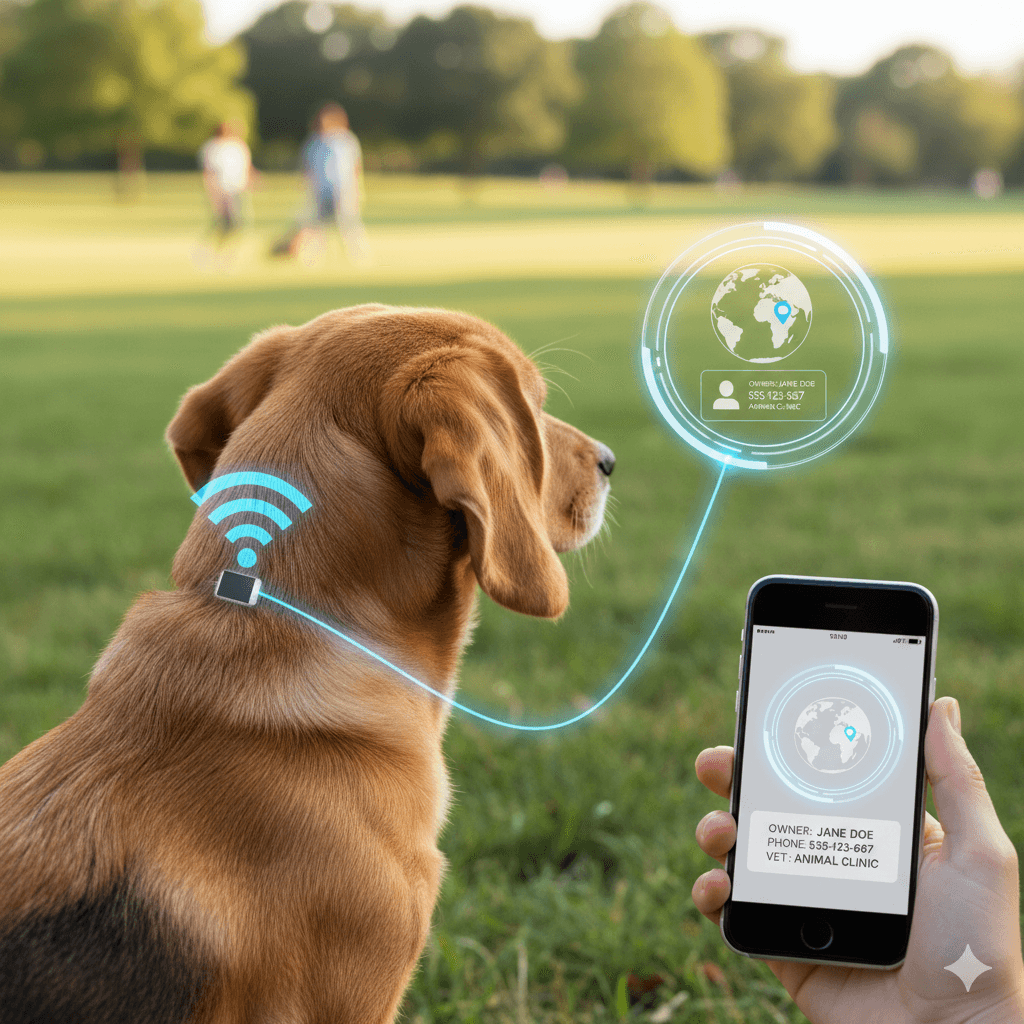
A dog microchip is not a GPS tracker—it’s a passive radio-frequency identification (RFID) device about the size of a grain of rice. When scanned by a shelter, vet, or rescue worker, it transmits a unique ID number linked to your information in a national registry. Here’s how the process unfolds in practice:
- Passive Technology:
The chip contains no battery or internal power source—it only activates when a special scanner is passed over it. - Unique Identification Number:
Each chip carries a one-of-a-kind code registered to your dog, ensuring no mix-ups with other pets. - Database Linkage:
The ID number connects to your name, phone number, and address in a secure pet recovery database. - Quick and Painless Insertion:
Implanted via a hypodermic needle between the shoulder blades, the procedure takes seconds and feels like a routine vaccination. - Lifetime Functionality:
Once implanted, the chip lasts your dog’s entire life with no maintenance, charging, or replacement needed.
While simple in design, this technology has reunited countless lost dogs with their families—making it one of the most reliable safety measures a pet owner can take.
What a Dog Chip Does (and Doesn’t) Do
Many pet owners confuse microchips with GPS trackers or assume they offer real-time location data. Clarifying these capabilities prevents false expectations and ensures proper use:
- Provides Permanent ID:
Unlike collars that break or tags that fade, a microchip stays with your dog for life. - Does Not Track Location:
It cannot show your dog’s whereabouts—it only works when someone scans it after your pet is found. - Stores No Medical Data:
The chip itself holds only an ID number; medical history must be kept separately in your registry profile. - Requires Registration:
A chip is useless unless you register it and keep your contact information up to date in the database. - Is Not a Legal Guarantee:
While it proves ownership in many cases, legal disputes may still require additional documentation.
Understanding these boundaries helps you use microchipping as part of a broader safety strategy—not a standalone solution.
Check this guide 👉Is Microchipping a Dog Safe? Best 7 Expert Tips!
Check this guide 👉How to Locate a Dog with a Chip: Best 7 Expert Tips!
Check this guide 👉How Much Does It Cost to Microchip a Dog? Best 7 Tips!
Key Benefits of Microchipping | Common Misconceptions |
|---|---|
Permanent identification that can’t be lost | It tracks your dog’s location in real time |
Works across shelters, vets, and rescues nationwide | It stores your dog’s medical records |
No maintenance or battery replacement needed | It’s only for dogs that travel or escape often |
Costs less than most routine vet visits | It automatically updates your address if you move |
Increases chances of reunion by over 20x | It replaces the need for ID tags or collars |
Why Microchipping Dramatically Boosts Recovery Chances
Studies consistently show that microchipped dogs are far more likely to return home. The reason? Shelters and veterinary clinics scan every incoming stray as standard protocol. This simple act turns an anonymous lost pet into a known family member:
- Immediate Identification:
Even if your dog is found miles away or weeks later, the chip provides instant access to your contact info. - Universal Scanning Standards:
Most shelters use universal scanners that read all major chip frequencies, minimizing compatibility issues. - Emotional Reassurance:
Knowing your dog carries a permanent ID reduces anxiety during travel, moves, or outdoor adventures. - Supports Community Safety:
Microchipped dogs are less likely to end up in overcrowded shelters or mistaken for strays. - Works Even If Collar Is Removed:
In cases of theft, storms, or accidental escape, the chip remains your silent backup.
For just a few minutes of discomfort and a small one-time cost, microchipping offers lifelong peace of mind—and a proven path home.
How to Get Your Dog Microchipped (Step by Step)
Getting your dog microchipped is quick, affordable, and widely accessible. Most veterinarians, animal shelters, and even pet retailers offer the service with no appointment needed during wellness visits:
- Schedule a Vet Visit:
Ask your veterinarian during a routine checkup, or look for low-cost microchipping clinics in your area. - Choose a Reputable Registry:
Common databases include HomeAgain, AKC Reunite, and PetLink—ask your vet which they recommend. - Complete Registration On-Site:
Fill out your contact details immediately after implantation to activate the chip’s functionality. - Verify Chip Functionality:
The vet will scan the chip right after insertion to confirm it’s readable and properly placed. - Update Info Promptly:
If you move or change your phone number, log in to your registry account and update your details without delay.
The entire process takes less than 10 minutes but can make all the difference in a crisis.
Keeping Your Microchip Information Current
A microchip is only as useful as the information linked to it. Sadly, outdated contact details are the leading reason why chipped dogs still don’t make it home. Staying proactive ensures your ID remains effective:
- Update After Every Move:
Change your address in the registry within 24 hours of relocating—don’t wait. - Add Backup Contacts:
List a trusted friend or family member as a secondary contact in case you’re unreachable. - Check Registry Annually:
Set a calendar reminder to log in and verify your phone number, email, and address. - Use Registry Alerts:
Many services send renewal or update reminders—opt in to stay informed. - Carry Chip ID in Wallet:
Keep your dog’s microchip number with your emergency contacts for fast access if needed.
Think of your microchip registry like a smoke detector: it only works if you maintain it.
Special Considerations for Puppies, Rescues, and Senior Dogs
Microchipping is beneficial for dogs of all ages and backgrounds—but timing and approach matter depending on your pet’s situation:
- Puppies:
Can be microchipped as early as 6–8 weeks; often done during first vaccinations for convenience. - Rescue Dogs:
Many arrive already chipped—always have your vet scan and confirm registry ownership upon adoption. - Senior Dogs:
Even older pets benefit; their slower movement doesn’t eliminate escape or confusion risks. - Traveling Dogs:
Required for international travel and recommended for domestic trips where leashes might slip. - Multi-Dog Households:
Each dog must have a unique chip—never assume one registration covers all pets.
No dog is “too safe” to need a microchip. Accidents happen in seconds, but recovery can take years—unless you’re prepared.
Essential Microchipping Myths Busted by Veterinarians
Despite its widespread use, dog microchipping is still surrounded by confusion and outdated beliefs. Veterinarians regularly encounter well-meaning owners who delay or avoid chipping due to misinformation. Here’s what the experts want you to know—straight from the clinic floor:
- “My dog never leaves the yard, so it’s unnecessary.”
Even the most homebound dogs can bolt during storms, fireworks, or accidental gate openings—microchips work when luck runs out. - “The chip can track my dog like a GPS collar.”
No—it only transmits an ID number when scanned; it has no power source or location capability. - “Microchips cause cancer or serious reactions.”
Out of over 4 million chipped dogs, fewer than 10 verified cases of tumor formation have been reported—risk is extremely low. - “If my dog has a collar, that’s enough.”
Collars break, slip off, or get removed; microchips are the only permanent form of ID that stays with your pet for life. - “Once it’s implanted, I’m done forever.”
The chip lasts a lifetime—but your contact info won’t update itself. Outdated registries are the #1 reason chipped dogs don’t get home.
Clearing up these myths isn’t just educational—it’s potentially lifesaving for your dog.
Frequently Asked Questions About Dog Microchips
Does microchipping hurt my dog?
It feels similar to a vaccination—brief discomfort with no lasting pain. No anesthesia is needed.
Can the chip move or cause health problems?
Migration is rare, and serious reactions are extremely uncommon. Millions of dogs live healthily with chips.
How much does it cost?
Typically $25–$50, including registration—many shelters offer it for free or under $20.
Do I still need a collar and ID tag?
Yes! Tags allow immediate identification; the chip is your backup if the collar is lost.
Can someone steal my info from the chip?
No—the chip only transmits an ID number. Your personal details stay protected in the secure database.
A Lifeline Hidden Beneath the Skin
A dog microchip may be invisible to the eye, but its impact is profound. It’s not magic—it’s a quiet promise that your beloved companion always carries a way back to you. In moments of panic, when a leash slips or a gate blows open, that tiny chip becomes your voice when you’re not there to speak. By understanding what it does—and taking the simple steps to register and maintain it—you give your dog the greatest gift: a guaranteed path home, no matter what. Don’t wait for an emergency to act. A few minutes today could save your best friend tomorrow.
Is Rawhide Bad for Cats? Best 7 Expert Tips! – Discover the risks, safe alternatives, and expert advice to keep your feline friend healthy and happy.

Is Rawhide Bad for Dogs? Best 7 Expert Tips! – Discover the risks, benefits, and safer alternatives to rawhides for your dog’s chewing needs.

Understanding Anorexia in Cats: Best 7 Expert Tips! – Learn why cats stop eating, spot warning signs, and discover how to help your feline regain appetite safely.

Understanding Anorexia in Dogs: Best 7 Expert Tips! – Learn causes, symptoms, and solutions to help your dog regain appetite and stay healthy.