

What Can I Give My Dog for Swelling? Best 7 Expert Tips!

What Can I Give My Dog for Swelling? Best 7 Expert Tips!

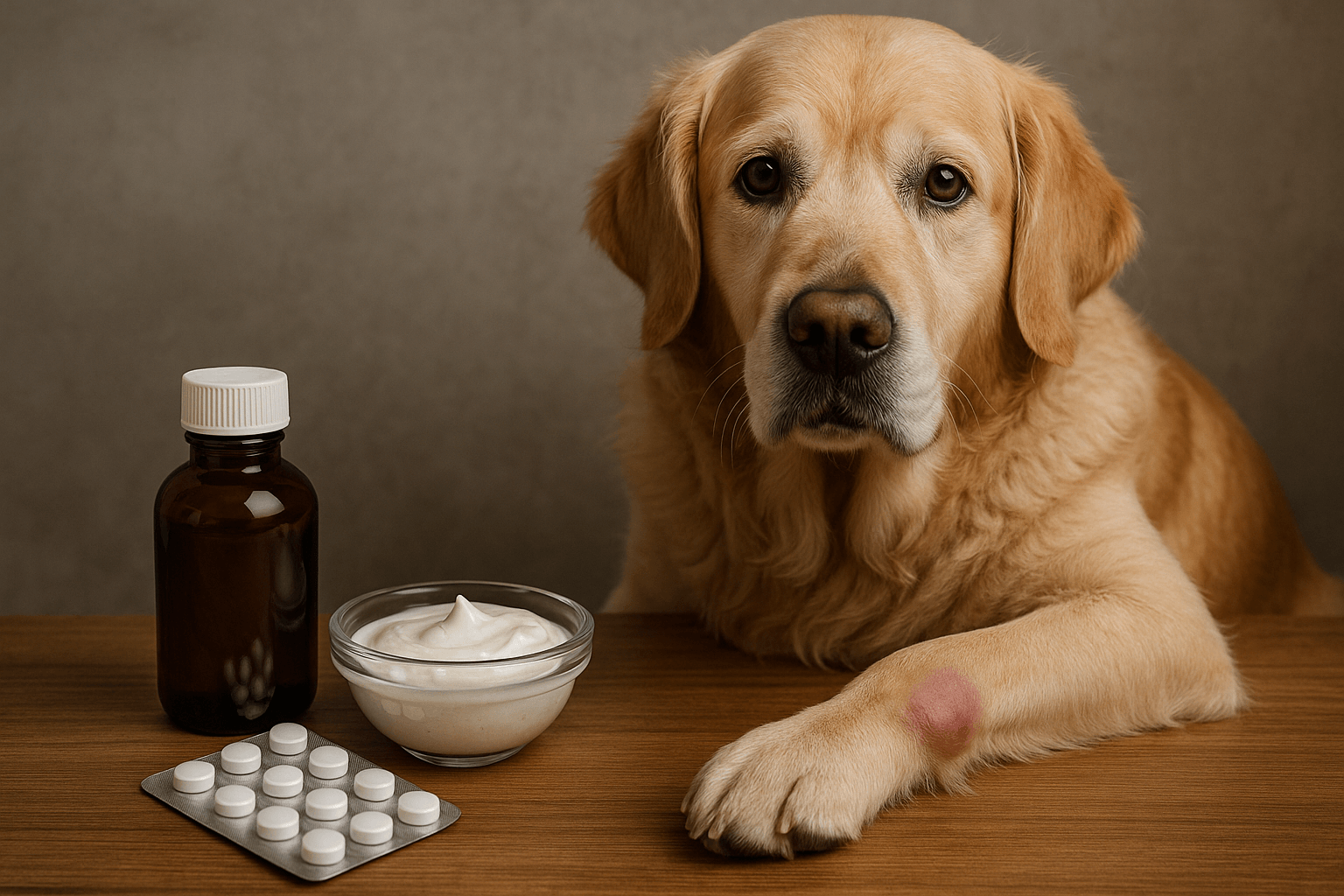
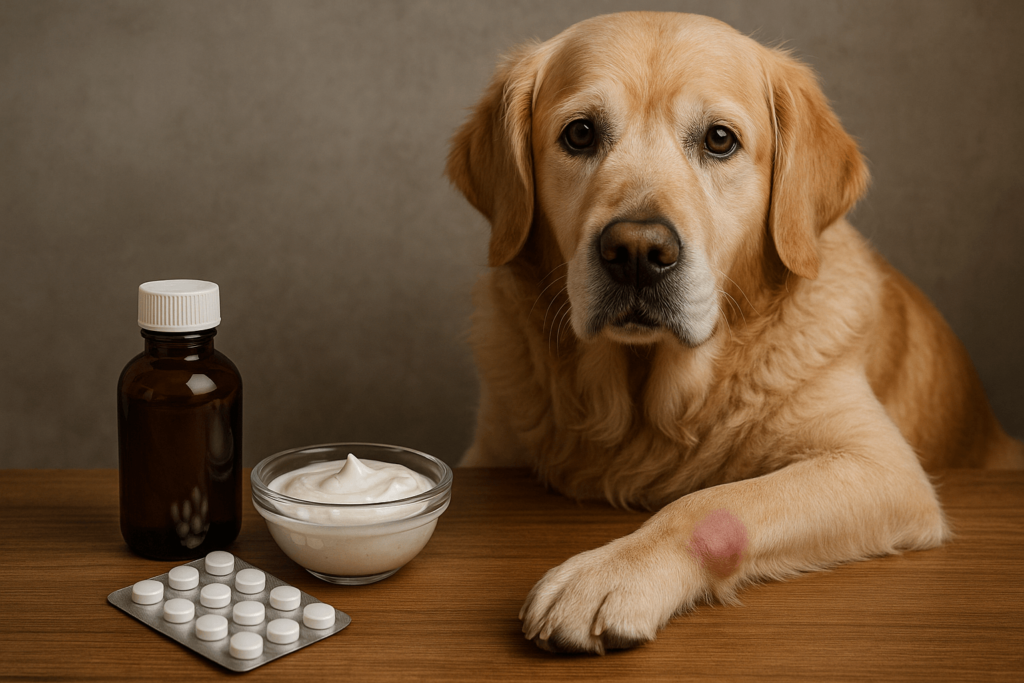
What Can I Give My Dog for Swelling?

Swelling in dogs can range from a minor reaction to a serious medical concern—and knowing what to do next matters. Whether it’s a bee sting, joint inflammation, or post-surgical puffiness, your response can significantly impact your pet’s comfort and recovery. While some remedies are safe to try at home, others require immediate veterinary attention. In this guide, we’ll walk you through safe, effective options and red flags you should never ignore. Because when your dog is uncomfortable, you want answers you can trust—fast.

Common Causes of Swelling in Dogs


Before treating swelling, it’s essential to understand what might be causing it. Dogs can swell for many reasons—some temporary, others requiring urgent care. Identifying the trigger helps determine whether home care is appropriate or if a vet visit is needed.

 
  • Allergic reactions:
    Insect bites, food sensitivities, or environmental allergens can cause facial or limb swelling, often within minutes or hours.
     
  • Trauma or injury:
    Sprains, bites, or blunt-force impacts may lead to localized swelling, bruising, and tenderness.
     
  • Infections:
    Abscesses, dental disease, or skin infections can produce hot, painful, and sometimes pus-filled swellings.
     
  • Arthritis or joint issues:
    Chronic inflammation in joints—especially in older dogs—can cause persistent, stiff, and swollen limbs.
     
  • Tumors or growths:
    Both benign and malignant masses may appear as lumps or areas of swelling that grow over time.
 

Understanding the root cause is the first step toward choosing the right treatment—and avoiding well-meaning mistakes that could worsen the problem.

What Can I Give My Dog for Swelling? Best 7 Expert Tips!

When to Call the Vet Immediately


Not all swelling is created equal. Some types signal a medical emergency that demands same-day veterinary care. Acting quickly in these situations can save your dog’s life or prevent long-term complications.

 
  • Facial or throat swelling with breathing difficulty:
    This could indicate anaphylaxis—a life-threatening allergic reaction needing epinephrine and emergency support.
     
  • Sudden, painful abdominal distension:
    Especially if accompanied by restlessness or vomiting, this may signal bloat (GDV), a deadly condition in deep-chested breeds.
     
  • Swelling after toxin exposure:
    If your dog has ingested or contacted a known toxin (e.g., snake bite, chemical), seek help immediately.
     
  • Rapidly growing or bleeding lumps:
    These may be malignant tumors or infected wounds requiring diagnostics and treatment.
     
  • Swelling with lethargy, fever, or loss of appetite:
    Systemic signs suggest a deeper infection or illness that won’t resolve on its own.
 

Never wait and “see what happens” in these scenarios—timely intervention is critical.

Safe Home Approaches Actions Requiring a Vet
Cold compress for minor sprains Facial swelling with breathing trouble
Benadryl (with vet approval) Hard, rapidly growing lumps
Elevating a swollen paw Abdominal bloating or distension
Gentle cleaning of minor wounds Swelling with fever or vomiting
Rest and restricted activity No improvement after 24–48 hours

Safe Over-the-Counter Options (With Vet Approval)


While many human medications are toxic to dogs, a few OTC remedies can be used safely—only under veterinary guidance. Never medicate your dog without confirming dosage and suitability first.

 
  • Diphenhydramine (Benadryl):
    Often used for mild allergic swelling; typical dose is 1 mg per pound, but formulations with xylitol or decongestants are dangerous.
     
  • Cold compresses:
    Applied for 10–15 minutes several times a day to reduce inflammation from sprains, bites, or minor trauma.
     
  • Epsom salt soaks (for paws):
    Can help draw out minor infections or soothe swollen feet—always rinse and dry thoroughly afterward.
     
  • Omega-3 fatty acids:
    May support long-term reduction of inflammatory conditions like arthritis when given consistently.
     
  • Hypoallergenic shampoos:
    For skin-related swelling due to allergies, gentle bathing can remove irritants and soothe irritation.
 

These tools can offer relief—but they’re not substitutes for diagnosis when swelling is severe, persistent, or unexplained.

Natural and Holistic Support Methods


Some pet owners prefer complementary approaches to support their dog’s comfort. While these shouldn’t replace veterinary care in emergencies, they may help alongside conventional treatment.

 
  • Turmeric (curcumin with black pepper):
    Has anti-inflammatory properties; use only vet-approved canine formulations due to absorption and dosing concerns.
     
  • CBD oil (where legal):
    May ease discomfort and inflammation in chronic conditions—choose THC-free, third-party tested products.
     
  • Aloe vera gel (pure, external use only):
    Can soothe minor skin swelling or insect bites; never use if your dog might lick it (aloe is toxic if ingested).
     
  • Chamomile compresses:
    Cooled chamomile tea applied gently may calm irritated, swollen skin areas.
     
  • Rest and hydration:
    Supporting your dog’s natural healing with quiet time and fresh water is foundational.
 

Always discuss natural remedies with your vet—some can interact with medications or worsen underlying issues.

What NOT to Give Your Dog for Swelling


Well-intentioned but dangerous choices can do more harm than good. Avoid these common mistakes, even if they’re safe for humans.

 
  • Ibuprofen, naproxen, or aspirin:
    These NSAIDs can cause stomach ulcers, kidney failure, or even death in dogs—even in small doses.
     
  • Human steroid creams:
    Many contain ingredients toxic if licked, and improper use can worsen skin conditions.
     
  • Essential oils (undiluted or oral):
    Tea tree, peppermint, and others are highly toxic to dogs and can cause neurological symptoms.
     
  • Ice directly on skin:
    Never apply ice without a cloth barrier—it can cause frostbite or tissue damage.
     
  • “Wait-and-see” for significant swelling:
    Delaying care for moderate to severe cases can allow infections or injuries to escalate.
 

When in doubt, skip the home remedy and call your vet—your dog’s safety comes first.

Managing Post-Surgical or Post-Vaccine Swelling


Mild swelling after procedures or shots is normal, but knowing how to monitor and support recovery is key.

 
  • Monitor the injection site:
    Slight puffiness for 24–48 hours is typical; redness, heat, or growth beyond that warrants a call.
     
  • Limit activity after surgery:
    Prevent licking, jumping, or rough play to avoid aggravating surgical swelling.
     
  • Use an Elizabethan collar if needed:
    Protects incisions from irritation that can increase inflammation.
     
  • Follow medication instructions exactly:
    Antibiotics or anti-inflammatories prescribed post-op must be given on schedule.
     
  • Watch for signs of infection:
    Pus, foul odor, increasing pain, or fever mean it’s time for a recheck.
 

Most post-procedure swelling subsides within days—but vigilance ensures complications are caught early.

Preventing Future Swelling Episodes


Proactive care can reduce the risk of recurring issues, especially in dogs prone to allergies, arthritis, or injuries.

 
  • Keep up with flea/tick prevention:
    Bite reactions are a common cause of skin swelling—consistent parasite control helps avoid them.
     
  • Maintain a healthy weight:
    Excess pounds stress joints, worsening arthritis-related swelling and slowing healing.
     
  • Dog-proof your yard and home:
    Remove toxic plants, secure trash, and block access to areas with sharp objects or pests.
     
  • Use joint supplements early in at-risk breeds:
    Glucosamine and chondroitin may delay inflammatory joint changes.
     
  • Schedule regular wellness exams:
    Early detection of dental disease, lumps, or internal issues prevents advanced swelling later.
 

Prevention isn’t foolproof—but it builds a stronger foundation for lifelong health.


Frequently Asked Questions

Can I give my dog Benadryl for swelling?

Yes—but only with veterinary approval. Dosage depends on weight, and some formulations contain toxic additives like xylitol.

With proper treatment (e.g., antihistamines or steroids), most mild allergic swelling improves within 24–48 hours.

No. Minor swelling from a bump or insect bite may resolve on its own. But if breathing, behavior, or appetite changes occur, seek help immediately.

Yes. Food allergies can cause facial or paw swelling, and anti-inflammatory diets may help manage chronic conditions like arthritis.

Recurrent swelling often signals an unresolved issue—such as infection, allergy, or tumor—and needs veterinary investigation.

Final Thoughts – Your Dog’s Comfort Starts With Clarity


Swelling in dogs is never something to ignore—but it’s also not always a crisis. By understanding the possible causes, knowing which remedies are safe, and recognizing true emergencies, you become your dog’s best advocate. Trust your instincts: if something feels off, a quick call to your vet can bring peace of mind or prompt life-saving action. With knowledge, care, and a little caution, you can help your loyal companion feel better—safely and swiftly.

Is Rawhide Bad for Cats? Best 7 Expert Tips!

Is Rawhide Bad for Cats? Best 7 Expert Tips! – Discover the risks, safe alternatives, and expert advice to keep your feline friend healthy and happy.

Is Rawhide Bad for Dogs? Best 7 Expert Tips!

Is Rawhide Bad for Dogs? Best 7 Expert Tips! – Discover the risks, benefits, and safer alternatives to rawhides for your dog’s chewing needs.

Understanding Anorexia in Cats: Best 7 Expert Tips!

Understanding Anorexia in Cats: Best 7 Expert Tips! – Learn why cats stop eating, spot warning signs, and discover how to help your feline regain appetite safely.

Understanding Anorexia in Dogs: Best 7 Expert Tips!

Understanding Anorexia in Dogs: Best 7 Expert Tips! – Learn causes, symptoms, and solutions to help your dog regain appetite and stay healthy.

Leave a Reply

Your email address will not be published. Required fields are marked *