

What Are Dogs Afraid Of?
Dogs are often seen as fearless companions, always ready to protect their families and explore the world with curiosity. However, just like humans, dogs experience fear, and understanding what triggers these emotions is crucial for their well-being. From loud noises to unfamiliar situations, there are many factors that can make our furry friends feel uneasy. By identifying common fears and learning how to address them, you can help your dog feel safer and more confident in their environment. In this blog post, we’ll dive into the most common fears dogs face, explore why they occur, and provide practical tips to support your pup through challenging moments.
Expert Insight: The Role of Fear in Dogs
“Fearfulness does have a place in the wild; it increases an animal’s chance of survival by keeping them away from danger. But when your dog is acting strange and scared in everyday life, it’s stressful for both ends of the leash and can even have long-term health implications.”
Common Fears in Dogs
Every dog is unique, but certain fears are widespread among canines. Recognizing these common triggers can help you anticipate and address your dog’s anxieties before they escalate.
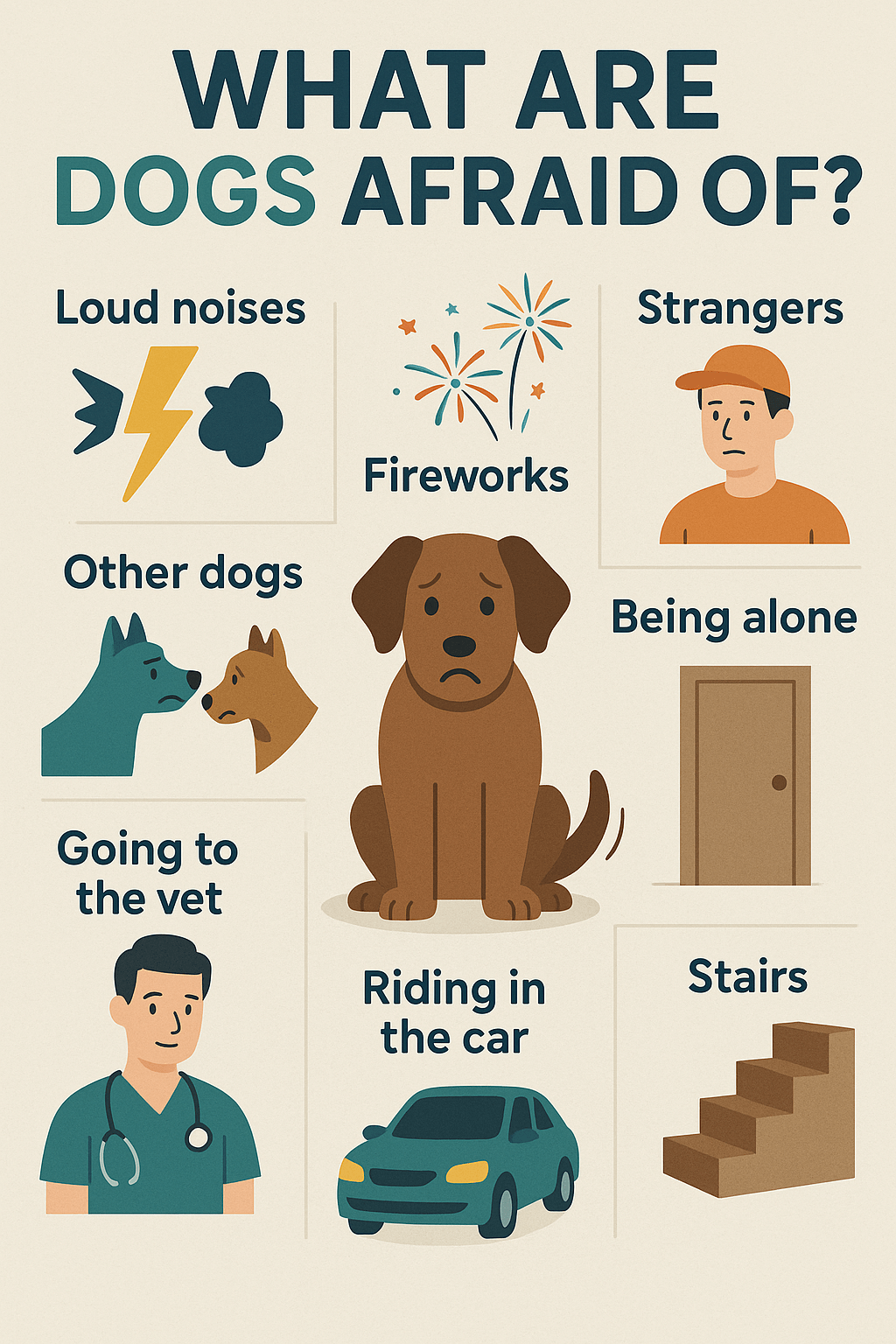
Loud Noises:
Thunderstorms, fireworks, and construction sounds can startle dogs due to their heightened sense of hearing.Strangers or Unfamiliar People:
Some dogs feel threatened by new faces, especially if they haven’t been properly socialized.Veterinary Visits:
The unfamiliar sights, smells, and procedures at the vet’s office can make even the bravest dogs nervous.Separation from Owners:
Many dogs experience separation anxiety when left alone, fearing abandonment or isolation.Unfamiliar Environments:
Moving to a new home, visiting a strange place, or encountering unfamiliar objects can overwhelm dogs.
Understanding these fears allows you to take proactive steps to comfort your dog and build their confidence over time.
Signs Your Dog Is Afraid
Recognizing the signs of fear in dogs is essential for addressing their concerns promptly. Dogs communicate their emotions through body language and behavior—paying attention to these cues can help you intervene effectively.
Tucked Tail:
A dog with its tail tucked between its legs is often feeling scared or submissive.Excessive Panting:
Panting without physical exertion or heat exposure can indicate stress or anxiety.Hiding or Escaping:
Dogs may retreat to a safe space or attempt to flee when they feel threatened.Whining or Barking:
Vocalizations such as whining, barking, or growling can signal discomfort or fear.Freezing or Trembling:
A dog that freezes in place or trembles uncontrollably is likely experiencing intense fear.
By observing these behaviors, you can identify when your dog needs extra support and reassurance.
Check this guide 👉Why Is My Dog Suddenly Afraid to Go Outside? Best 7 Tips!
Check this guide 👉Water Therapy for Dogs: Best 7 Expert Tips!
Check this guide 👉Why Is My Dog Scared of Other Dogs? Best 7 Expert Tips!
Common Dog Fears | Ways to Help Your Dog Cope |
|---|---|
Loud noises (thunder, fireworks) | Create a safe space with calming music |
Strangers or unfamiliar people | Gradual socialization and positive reinforcement |
Veterinary visits | Bring treats and practice “vet games” at home |
Separation anxiety | Establish a routine and use comforting toys |
New environments | Introduce changes slowly and reward calm behavior |
How to Help Your Dog Overcome Fear
Helping your dog face their fears requires patience, consistency, and a gentle approach. Here are some strategies to guide your pup toward feeling more secure.
Create a Safe Space:
Designate a quiet area where your dog can retreat during stressful situations, equipped with familiar items like blankets or toys.Use Positive Reinforcement:
Reward calm behavior with treats, praise, or playtime to encourage confidence in fearful scenarios.Desensitize Gradually:
Expose your dog to their fear in small, controlled doses, starting with low-intensity triggers and increasing over time.Consult a Professional Trainer:
A certified trainer or behaviorist can provide tailored guidance for addressing specific fears.Avoid Punishment:
Scolding or punishing a fearful dog can worsen their anxiety and damage trust. Focus on compassion instead.
With these techniques, you can empower your dog to face their fears and thrive in challenging situations.
Preventing Fear in Puppies
Prevention is key when it comes to managing fear in dogs. Early socialization and positive experiences can set the foundation for a confident adult dog.
Expose Them to New Sounds:
Play recordings of thunder, fireworks, or traffic noises at low volumes to help puppies become accustomed to loud sounds.Introduce Different People:
Let puppies meet a variety of friendly individuals to reduce fear of strangers later in life.Visit Various Locations:
Take your puppy to parks, pet stores, and other safe environments to acclimate them to new places.Handle Their Paws and Body Gently:
Regular handling helps puppies feel comfortable during grooming or vet visits.Reward Brave Behavior:
Praise and treat your puppy for calmly exploring new situations, reinforcing their confidence.
Starting early ensures your dog grows up with the tools they need to navigate the world without fear.
Common Misconceptions About Dog Fears
Many myths surround dog fears, leading to misunderstandings about how to address them. Clearing up these misconceptions can improve your approach to helping your dog.
“Dogs Will Outgrow Their Fears on Their Own”:
Without intervention, fears can worsen over time rather than resolve themselves.“Fearful Dogs Are Just Stubborn”:
Fear is an emotional response, not a sign of defiance or stubbornness.“Punishment Fixes Bad Behavior Caused by Fear”:
Punishing a fearful dog can increase anxiety and damage your relationship.“All Dogs Are Naturally Confident”:
Some dogs are naturally more timid, requiring extra support to build confidence.“Fear Can’t Be Managed Once It Starts”:
With proper techniques, even deeply rooted fears can be managed and reduced.
Dispelling these myths empowers you to take the right steps toward helping your dog overcome fear.
The Role of Genetics in Dog Fears
While environment plays a significant role in shaping a dog’s fears, genetics also contribute to their predisposition toward anxiety. Understanding this connection can inform your approach to training and care.
Breeds Prone to Anxiety:
Certain breeds, such as Greyhounds and Chihuahuas, are more susceptible to anxiety-related fears.Inherited Temperaments:
A dog’s temperament is influenced by their parents, which can affect how they respond to stress.Early Life Experiences:
Puppies born into stressful environments may carry those fears into adulthood.Health Conditions:
Genetic health issues, such as thyroid problems, can exacerbate fear and anxiety.Behavioral Traits:
Dogs bred for specific tasks may exhibit unique fears related to their roles or instincts.
Acknowledging the genetic component helps you adapt your training methods to suit your dog’s individual needs.
Tools and Products to Calm Fearful Dogs
There are numerous tools and products designed to help calm fearful dogs, making it easier to manage their anxiety during difficult moments.
Calming Collars:
These collars release soothing pheromones that mimic a mother’s scent, reducing stress.Thundershirts:
Compression garments apply gentle pressure, providing a calming effect similar to swaddling.Interactive Toys:
Toys that dispense treats or require problem-solving can distract and engage fearful dogs.White Noise Machines:
These devices block out startling sounds, creating a peaceful environment.Natural Supplements:
Ingredients like chamomile or CBD oil can promote relaxation without sedation.
Using these tools alongside behavioral training enhances your ability to support your dog through their fears.
Frequently Asked Questions About Dog Fears
Why is my dog suddenly afraid of something?
Sudden fears can arise from traumatic experiences, changes in routine, or aging-related cognitive decline.
Can older dogs overcome their fears?
Yes, with patience and consistent training, older dogs can learn to manage and reduce their fears.
Is medication necessary for fearful dogs?
In severe cases, a veterinarian may recommend medication alongside behavioral therapy, but it’s not always required.
How long does it take to desensitize a dog?
The process varies depending on the dog and the fear, but progress can take weeks to months with consistent effort.
Should I comfort my dog when they’re scared?
Comforting your dog with calm reassurance can help them feel safe without reinforcing fearful behavior.
Building Trust and Confidence in Your Dog
Fear is a natural emotion for dogs, but with understanding and support, you can help them navigate their anxieties and lead happier lives. By recognizing common fears, interpreting their signals, and implementing effective strategies, you strengthen the bond between you and your furry companion. Remember, every dog is different, so tailor your approach to their unique personality and needs. With time, patience, and love, you can transform fear into confidence, ensuring your dog feels safe and cherished in any situation.
Is Rawhide Bad for Cats? Best 7 Expert Tips! – Discover the risks, safe alternatives, and expert advice to keep your feline friend healthy and happy.

Is Rawhide Bad for Dogs? Best 7 Expert Tips! – Discover the risks, benefits, and safer alternatives to rawhides for your dog’s chewing needs.

Understanding Anorexia in Cats: Best 7 Expert Tips! – Learn why cats stop eating, spot warning signs, and discover how to help your feline regain appetite safely.

Understanding Anorexia in Dogs: Best 7 Expert Tips! – Learn causes, symptoms, and solutions to help your dog regain appetite and stay healthy.