
What Are Dog Paw Pads Made Of?
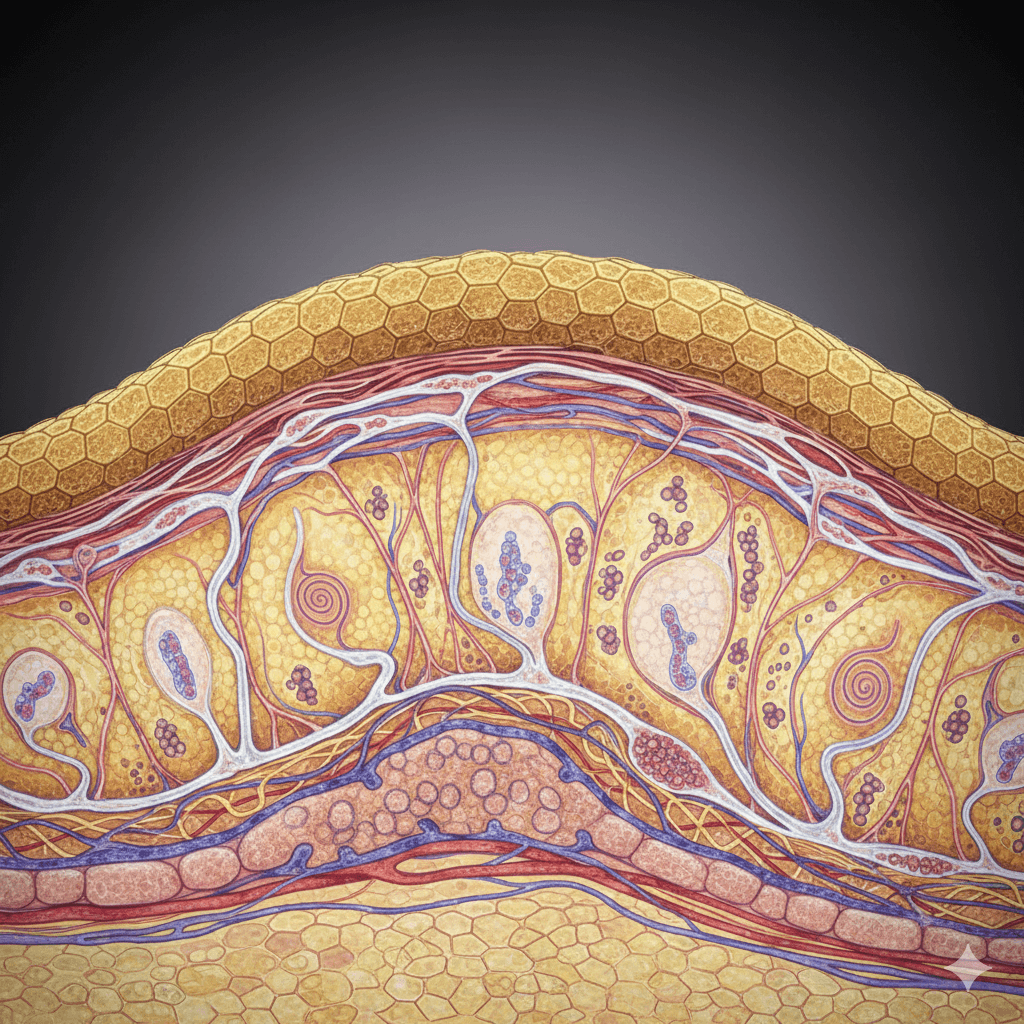
The Structure and Composition of Dog Paw Pads
- Thick Epidermis Layer:
The outermost layer of the paw pad is made of thick, keratinized skin that acts as a protective barrier against abrasions, punctures, and harsh surfaces. This layer is similar to human calluses but far more resilient due to its density and toughness. - Fatty Tissue Beneath the Skin:
Underneath the epidermis lies a layer of fatty tissue that provides insulation and cushioning. This fat layer helps regulate temperature, keeping paws warm in cold weather and cool in hot conditions, while also absorbing impact during running or jumping. - Connective Tissue for Strength:
A network of collagen and elastic fibers forms the connective tissue within the paw pads. These fibers give the pads their flexibility and strength, allowing them to stretch slightly without tearing while maintaining structural integrity over time. - Nerve Endings for Sensitivity:
Despite their tough exterior, paw pads contain numerous nerve endings that allow dogs to feel pressure, texture, and temperature changes. This sensitivity helps dogs navigate their environment and adjust their movements accordingly. - Moisture-Secreting Glands:
Paw pads have sweat glands that secrete small amounts of moisture to keep the surface supple and prevent cracking. Unlike humans, these glands don’t primarily cool the body but instead maintain the health of the pad itself.
How Dog Paw Pads Withstand Harsh Conditions
- Heat Resistance Through Thickened Skin:
The keratinized epidermis prevents burns on hot pavement by acting as an insulating shield. However, prolonged exposure to scorching surfaces can still cause damage, so vigilance is key during summer months. - Cold Weather Adaptation via Fat Layers:
The fatty tissue beneath the pads insulates against freezing temperatures, enabling dogs to walk comfortably on snow or ice. Breeds like Huskies and Malamutes have particularly thick pads suited for cold climates. - Abrasion Protection During Outdoor Activities:
The dense outer layer resists cuts and scrapes from sharp objects like rocks, thorns, or gravel. This makes paw pads ideal for hiking, trail running, or exploring rugged terrains. - Shock Absorption for High-Impact Movements:
The combination of fat and connective tissue absorbs shock during high-impact activities like sprinting, jumping, or landing after leaps. This reduces strain on joints and muscles over time. - Moisture Regulation in Dry Climates:
Sweat glands in the pads release minimal moisture to keep them hydrated, preventing cracks or fissures in arid environments where dryness could otherwise compromise their integrity.
Check this guide 👉Frostbite on Dog Paws: Best 7 Expert Tips!
Check this guide 👉Dog Paw Infection Between Toes: Best 7 Expert Tips!
Check this guide 👉Are Dog Paws Sensitive? Best 7 Expert Tips!
Essential Tips for Healthy Paw Pads | Common Mistakes to Avoid |
|---|---|
Inspect paws regularly for cuts, debris, or irritation | Ignoring signs of discomfort or limping |
Use pet-safe balms to prevent dryness and cracking | Using human lotions or harsh chemicals on paws |
Trim excess fur around paw pads to reduce dirt buildup | Walking dogs on hot pavement during summer months |
Rinse paws after walks to remove salt, dirt, or allergens | Skipping protective measures in extreme weather |
Schedule vet visits for persistent issues or infections | Allowing dogs to lick or chew paws excessively |
Common Injuries Affecting Dog Paw Pads
- Cuts from Sharp Objects:
Glass shards, metal fragments, or thorns can penetrate the tough outer layer, leading to painful wounds that may become infected if untreated. Regularly inspecting paws after walks reduces risks. - Burns on Hot Surfaces:
Walking on asphalt or sand during summer can cause thermal burns, damaging the sensitive tissues beneath the epidermis. Testing surfaces with your hand before walks ensures safety. - Cracks from Dryness:
Lack of hydration or exposure to chemicals like salt or de-icers causes dryness and cracking, which can be painful and prone to infection. Moisturizing balms formulated for dogs help maintain pad health. - Abrasions from Rough Terrain:
Running on rocky or uneven ground wears down the protective layers over time, leading to soreness or raw patches. Booties provide added protection during strenuous activities. - Allergic Reactions to Chemicals:
Contact with cleaning products, pesticides, or fertilizers irritates the skin, causing redness, swelling, or peeling. Rinsing paws thoroughly after exposure minimizes harm.
Signs Your Dog’s Paw Pads Need Attention
- Excessive Licking or Chewing:
If your dog obsessively licks or chews their paws, it could signal irritation, injury, or an allergic reaction requiring closer inspection. - Limping or Favoring One Leg:
Limping suggests localized pain, possibly caused by cuts, burns, or foreign objects lodged in the pad. Gentle examination identifies the source of discomfort. - Visible Cracks or Peeling Skin:
Dryness or trauma may result in visible cracks or flaking, which can worsen without proper care. Applying vet-approved balms restores moisture and promotes healing. - Redness or Swelling:
Inflammation indicates infection, allergies, or irritation. Cleaning the area gently and consulting a vet prevents escalation into more serious conditions. - Reluctance to Walk or Play:
If your dog hesitates to move or avoids putting weight on their paws, it likely points to significant discomfort or injury needing immediate attention.
How to Care for Your Dog’s Paw Pads
- Regular Inspections After Walks:
Check paws for debris, cuts, or signs of irritation after outdoor activities. Removing stuck objects or dirt prevents infections and discomfort. - Moisturizing with Pet-Safe Products:
Use paw balm or moisturizer specifically designed for dogs to combat dryness and prevent cracking. Avoid human lotions, as they can soften pads excessively and increase vulnerability. - Trimming Overgrown Hair Around Pads:
Excess fur between paw pads traps dirt, moisture, and allergens, increasing the risk of irritation. Trimming this hair keeps paws clean and comfortable. - Using Protective Booties:
Booties shield paws from extreme temperatures, sharp objects, and harmful chemicals. While some dogs resist them initially, gradual introduction helps them adjust. - Avoiding Hazardous Surfaces:
Steer clear of hot asphalt, icy sidewalks treated with salt, or areas littered with sharp debris. Prioritizing safe walking paths protects your dog’s paws effectively.
Preventing Damage to Dog Paw Pads
- Limiting Exposure to Extreme Temperatures:
Avoid walking your dog during peak heat or freezing hours. Opt for shaded paths or indoor playtime when conditions are unfavorable. - Rinsing Paws After Walks:
Washing paws with lukewarm water removes dirt, salt, and chemicals that could irritate the skin. Drying thoroughly afterward prevents fungal infections. - Providing Nutritious Food:
A balanced diet rich in omega-3 fatty acids supports skin and pad health, promoting elasticity and resistance to damage. Supplements may also benefit older dogs. - Training for Safe Behavior:
Teaching commands like “leave it” discourages chewing or licking paws excessively, reducing the risk of self-inflicted injuries. - Scheduling Regular Vet Check-Ups:
Routine exams detect underlying issues affecting paw health, such as allergies or infections, allowing for proactive management.
Long-Term Health Implications of Neglected Paw Pads
- Chronic Pain and Lameness:
Untreated injuries or infections cause ongoing discomfort, limiting your dog’s ability to walk, run, or play freely. Addressing issues early prevents long-term lameness. - Increased Risk of Infections:
Open wounds or cracked pads create entry points for bacteria, leading to systemic infections that require aggressive treatment. Proper hygiene mitigates these risks. - Reduced Mobility Due to Scarring:
Repeated damage results in scar tissue formation, which compromises flexibility and shock absorption. Maintaining pad health preserves optimal function. - Behavioral Changes from Discomfort:
Persistent pain or irritation alters your dog’s behavior, making them irritable, anxious, or withdrawn. Ensuring healthy paws supports mental and emotional well-being. - Higher Veterinary Costs Over Time:
Ignoring minor issues leads to costly treatments for advanced conditions, placing unnecessary financial and emotional strain on pet owners. Prevention saves both money and stress.
“Dog paw pads are relatively tough, as they are composed of thick calloused skin, fat, and connective tissue,” – Liza Cahn
Frequently Asked Questions About Dog Paw Pads
What should I do if my dog’s paw pad is bleeding?
Apply gentle pressure with a clean cloth to stop the bleeding, then clean the wound with saline solution. If the cut is deep or won’t stop bleeding, contact your vet immediately.
Can I use human lotion on my dog’s paw pads?
No—human lotions can soften paw pads excessively, making them more prone to injury. Use only pet-safe balms or moisturizers specifically formulated for dogs.
Why does my dog’s paw pad feel rough?
Roughness is normal due to the thickened, keratinized skin that protects against wear and tear. However, excessive dryness or cracking may indicate dehydration or environmental irritants.
How can I protect my dog’s paws in winter?
Use protective booties, rinse paws after walks to remove ice melt or salt, and apply a paw balm to prevent dryness and cracking caused by cold weather.
Are cracked paw pads dangerous for dogs?

Is Rawhide Bad for Cats? Best 7 Expert Tips! – Discover the risks, safe alternatives, and expert advice to keep your feline friend healthy and happy.

Is Rawhide Bad for Dogs? Best 7 Expert Tips! – Discover the risks, benefits, and safer alternatives to rawhides for your dog’s chewing needs.

Understanding Anorexia in Cats: Best 7 Expert Tips! – Learn why cats stop eating, spot warning signs, and discover how to help your feline regain appetite safely.

Understanding Anorexia in Dogs: Best 7 Expert Tips! – Learn causes, symptoms, and solutions to help your dog regain appetite and stay healthy.